The Rundown
Topics: Lighting, Light Sources | 2 min read
There is more to a stage show, television programme or film than meets the eye. Behind every scene, technicians are building an atmosphere - and light is their most powerful tool.
The type of light source chosen transforms a performance. It sets the mood, picks out the details that matter, and shapes what the audience takes away.
If light source sounds abstract, think of the bulb in the lamp at home. A traditional bedside bulb, an energy-saving landing light and an LED kitchen downlighter all produce noticeably different light. Theatre and film work the same way, just at far greater scale.
Here are the main types in use, what each does well, and why LED has taken over.
Incandescent and Tungsten
Incandescent
The classic light source, working by heating a wire filament until it glows.
The result is a warm, ambient light that has been used in theatres for over a century. It renders skin beautifully and dims smoothly to a deep amber, which is why some designers still miss it.
The drawbacks are energy inefficiency and a relatively short lamp life. Most of the power becomes heat rather than light.
Tungsten
A subtype of incandescent, known for high colour rendering and warmer tones.
Tungsten remains a staple in film and photography, where it helps build a nostalgic or intimate atmosphere. Where accuracy of colour matters more than efficiency, it still earns its place.
Like incandescent generally, it draws more power and generates significant heat - enough to be a genuine consideration in a small space or a long shoot day.
Why They Persist
Both have largely been replaced for practical reasons rather than aesthetic ones. Plenty of designers still specify tungsten deliberately for the quality of its dimming and its colour, particularly on camera.
Fluorescent and Discharge
Fluorescent
Fluorescent lights produce a cooler, softer light.
They work by igniting a gas that emits ultraviolet light, which strikes a phosphor coating inside the lamp and becomes visible light.
They have long been a common choice for television and film studios, being energy efficient and long-lasting. The soft, broad output is flattering and easy to work with.
The trade-off is colour accuracy, which is not always as faithful as other sources - something that matters when matching shots or grading footage later.
Discharge
Gas-discharge lamps, including sodium and metal-halide, produce light by sending an electric discharge through an ionised gas.
Sodium lamps are recognisable by their distinctive yellow-orange glow, familiar from street lighting and useful for outdoor scenes or specific moods.
They are efficient, but offer a very narrow spectrum of colour, which limits their versatility considerably. What they produce, they produce well; they simply cannot produce much else.
Where They Sit Now
Both remain in use, particularly in installed systems and studio environments, but neither is where new specification tends to go.
LED
The New Standard
LED has become the default across entertainment lighting, and for good reason.
They are extremely energy-efficient, long-lasting, and produce a broad spectrum of colours and intensities from a single fixture.
Why It Changed Things
Multiple colours of LED can sit inside one small source, so a single fixture can produce almost any colour without gels, ladders or lamp changes.
They dim and control easily, which opens up dynamic effects that were impractical with conventional sources.
They also run cool, draw far less power, and last long enough that maintenance stops being a scheduling problem.
What to Watch
Not all LED is equal. Cheaper fixtures can render colour poorly, produce visible flicker on camera, or dim unevenly at the bottom of the range.
For anything being filmed, ask about flicker-free operation and colour rendering before specifying.
The Point of All This
Whether it is the golden glow of tungsten in a film scene or the efficiency of LED at a concert, understanding light sources deepens what you notice.
These beams, carefully crafted and controlled, are what move an audience somewhere else without them ever looking up.
For a lighting design for your event, get in touch with Premier Live on 0116 202 9953.
Tell us about your event.
Fill in the form and we'll come back to you quickly, not with a generic auto-reply, but with something useful.
Prefer a call? Book a 20-minute discovery call at a time that suits you.
Rather email? info@premier-ltd.com. Or just ring us: 0116 202 9953.
Once we hear from you, we'll set up a quick call to understand your brief properly, no lengthy questionnaires, no sales pitch.
We typically respond within two hours on working days.
EXPERIENCED. DEPENDABLE. HANDS-ON. UNFLAPPABLE
The people behind Premier Live
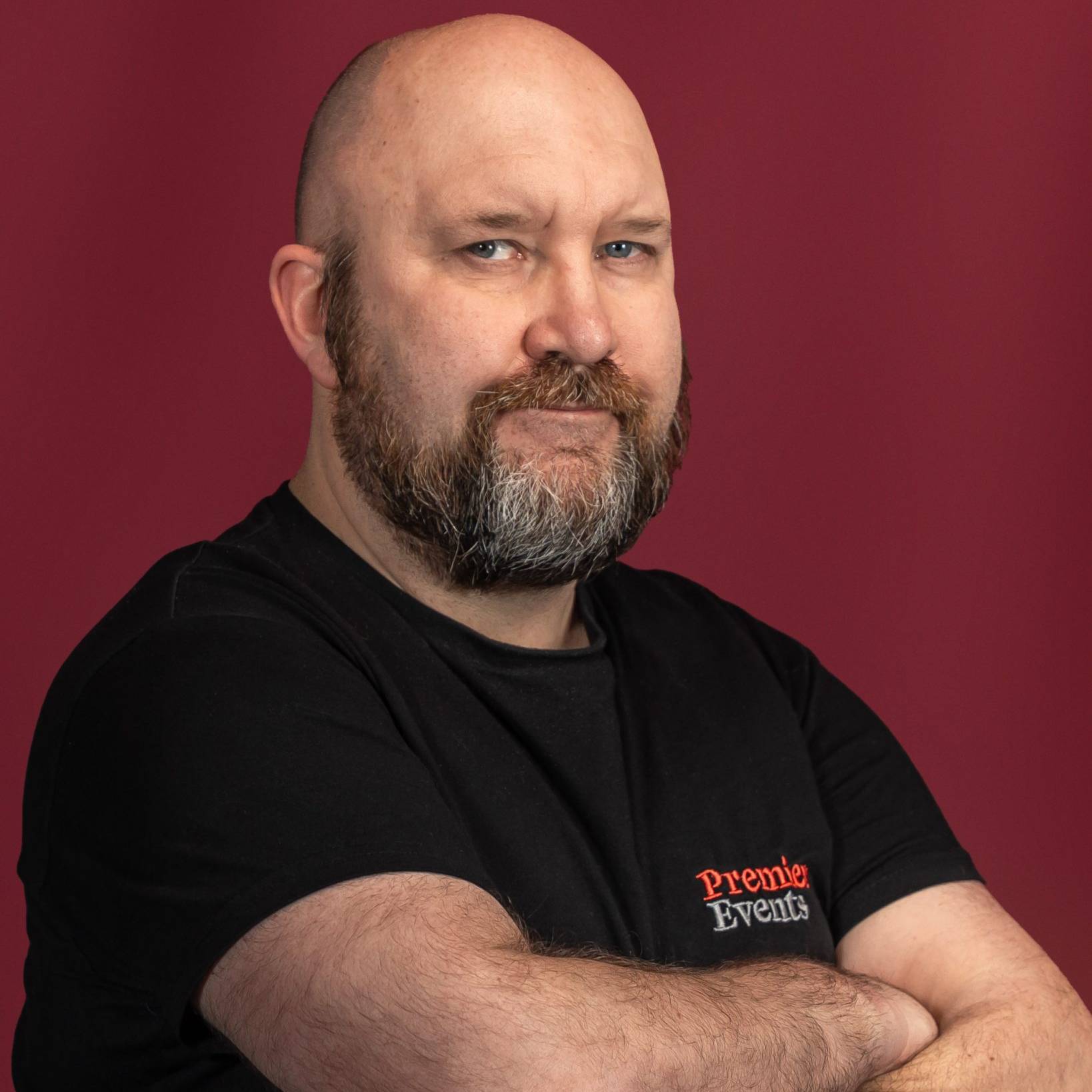
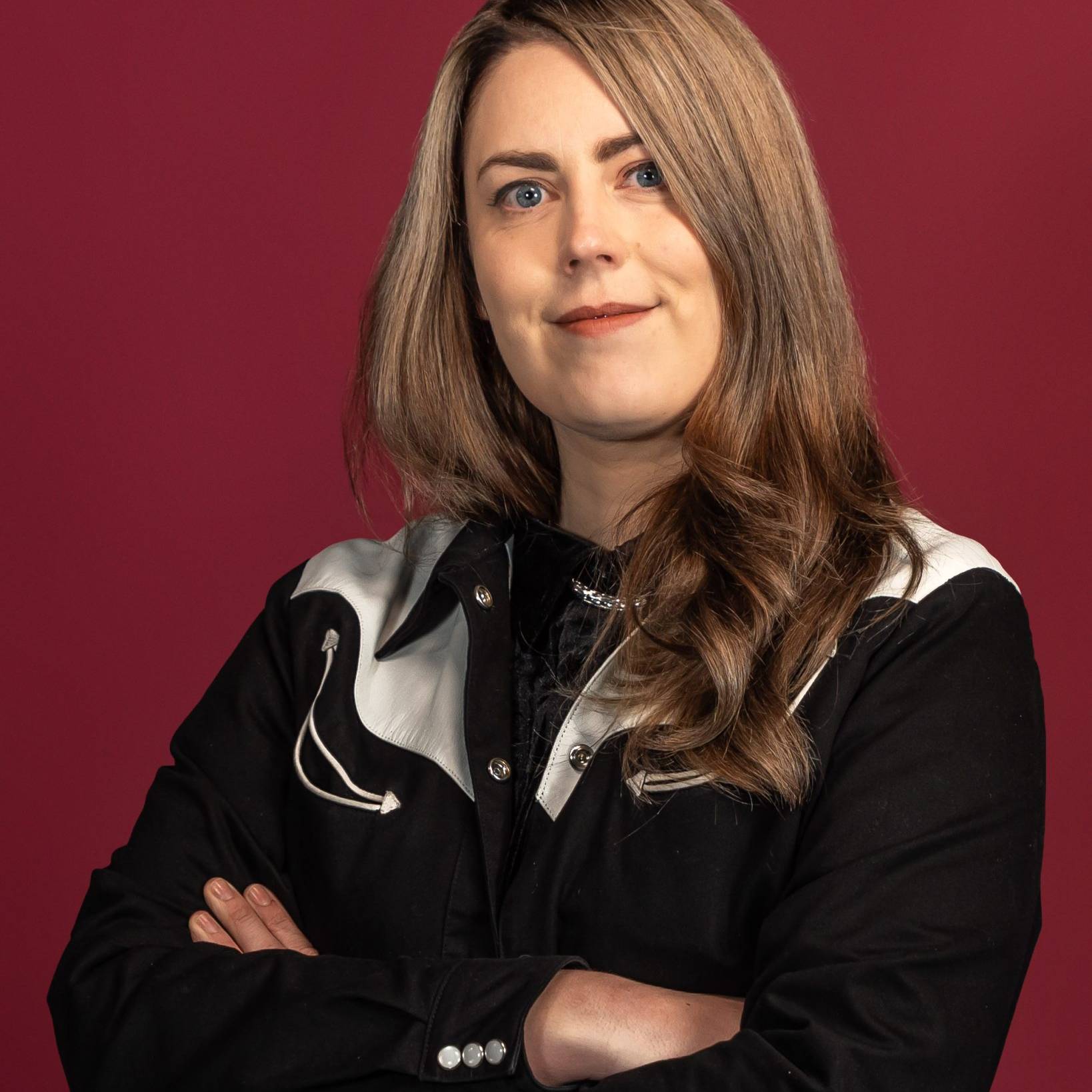
These are our people - the production managers, technicians, show-callers and crew who plan your event and run the room on the night. The same team from first site visit to final cue.






















What We've Been Up To.
A look at the events we've delivered, the brief, the build, and how it ran on the night. Worth a read.