The Rundown
Topics: Lighting Design, Colour Temperature | 2 min read
Have you ever wondered why certain colours evoke specific emotions during a performance? A good part of the answer is colour temperature.
Colour temperature describes the warmth or coolness of light. It is measured in Kelvin, running from warm oranges and yellows at the lower end to cool blues and whites at the higher end.
Walk into a room lit warm and you relax. Walk into one lit cool and you feel alert. That reaction happens before anyone consciously registers the lighting at all.
Here is how the scale works, what different temperatures do to an audience, and how designers use it deliberately.
How the Scale Works
Measured in Kelvin
Colour temperature is expressed in Kelvin, and the scale runs counter to instinct.
Lower numbers produce warm light - the oranges and yellows of candlelight, tungsten lamps and late afternoon sun. Higher numbers produce cool light - the blues and crisp whites of daylight and overcast sky.
So the numbers rise as the light gets visually cooler, which catches people out the first few times.
Reference Points
Candlelight sits at the very warm end. Domestic tungsten lamps are warm. Midday daylight is considerably cooler, and an overcast sky cooler still.
Most stage and event fixtures can be set anywhere across that range, which is why the decision has to be made rather than left to default.
Why Consistency Matters
Mixing temperatures accidentally is one of the most common faults in event lighting.
A warm wash against a cool key light makes skin tones look wrong, and it shows badly on camera even when it passes in the room. If a show is being filmed or streamed, agreeing a temperature across every fixture is worth doing early.
What It Does to a Room
Warm Light
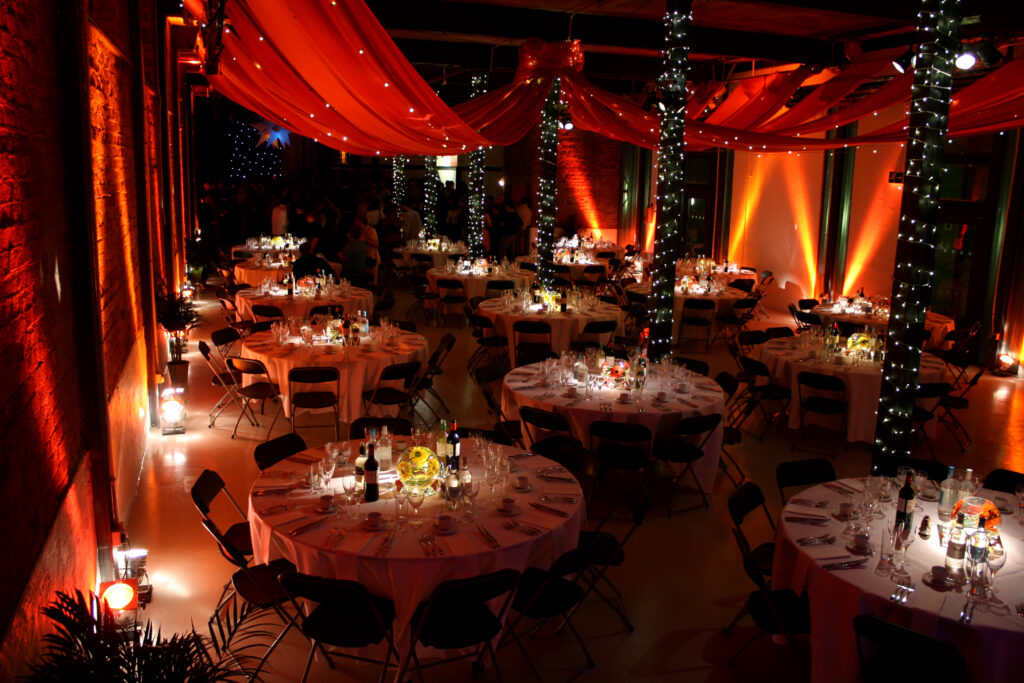
Lower colour temperatures create intimacy. They soften a space and slow it down.
That suits dinners, receptions, awards ceremonies before the main show, and any moment intended to feel personal rather than energetic. It is the lighting of a restaurant rather than a retail floor.
Warm light also flatters. Skin tones read healthier, and rooms feel smaller and more contained.
Cool Light
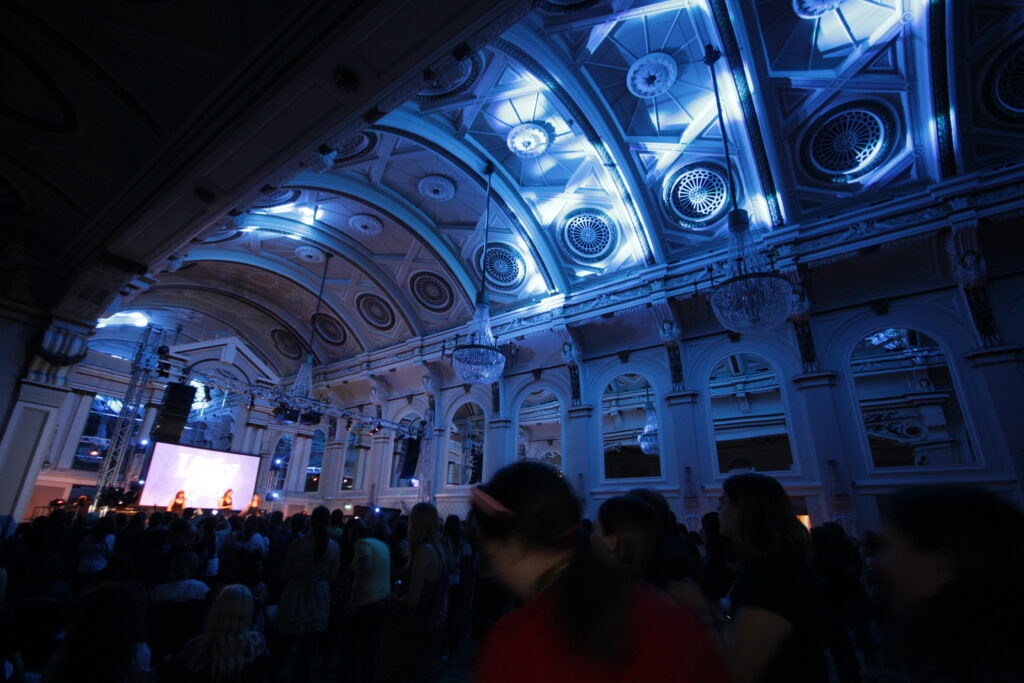
Higher temperatures inject energy and create a sense of urgency and alertness.
That works for high-tempo performance, product reveals, conference sessions where you want people attentive, and anything that needs to feel modern or clinical.
Cool light also makes a space feel larger and more open, which can be useful in a low-ceilinged room.
Using the Contrast
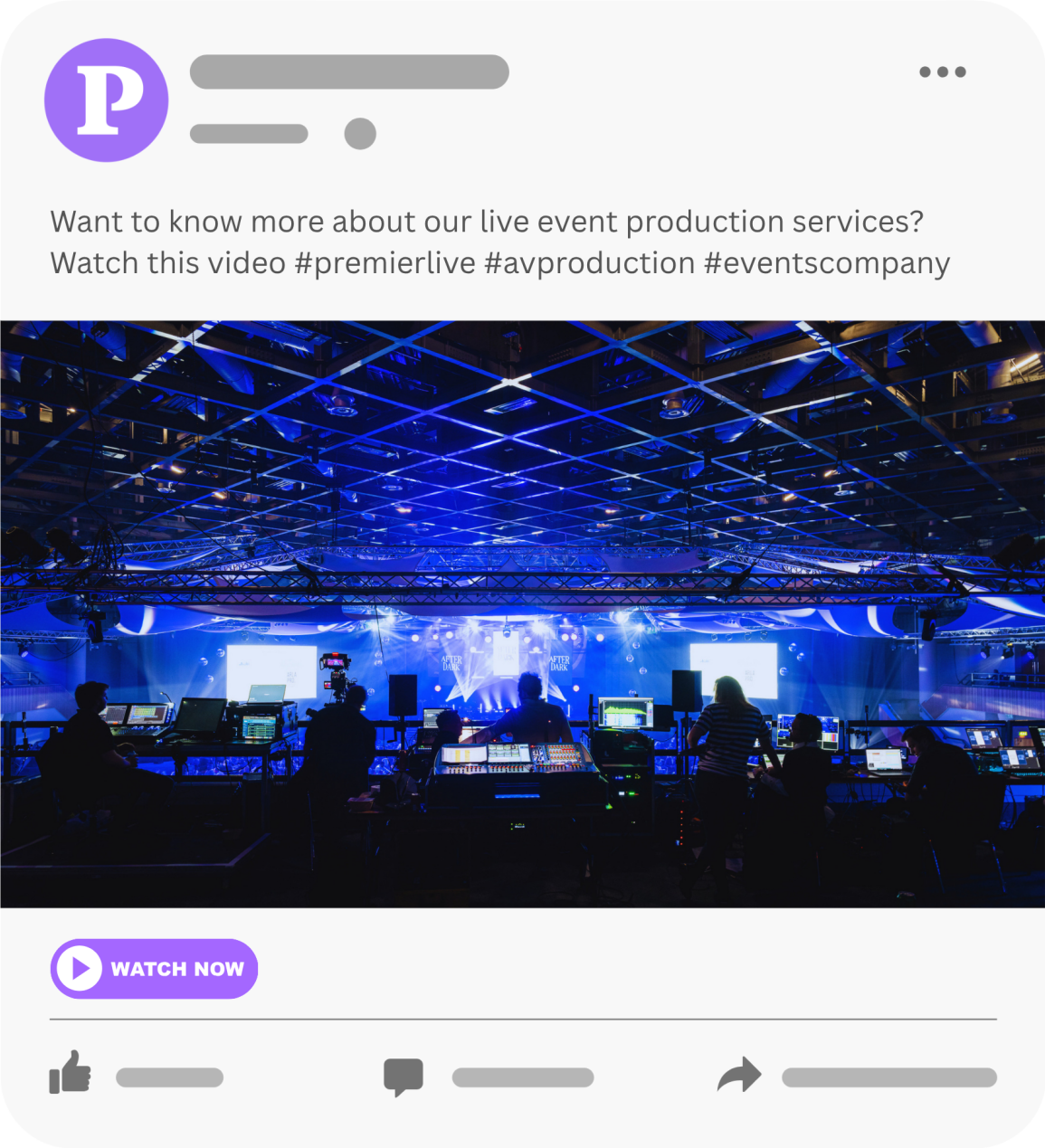
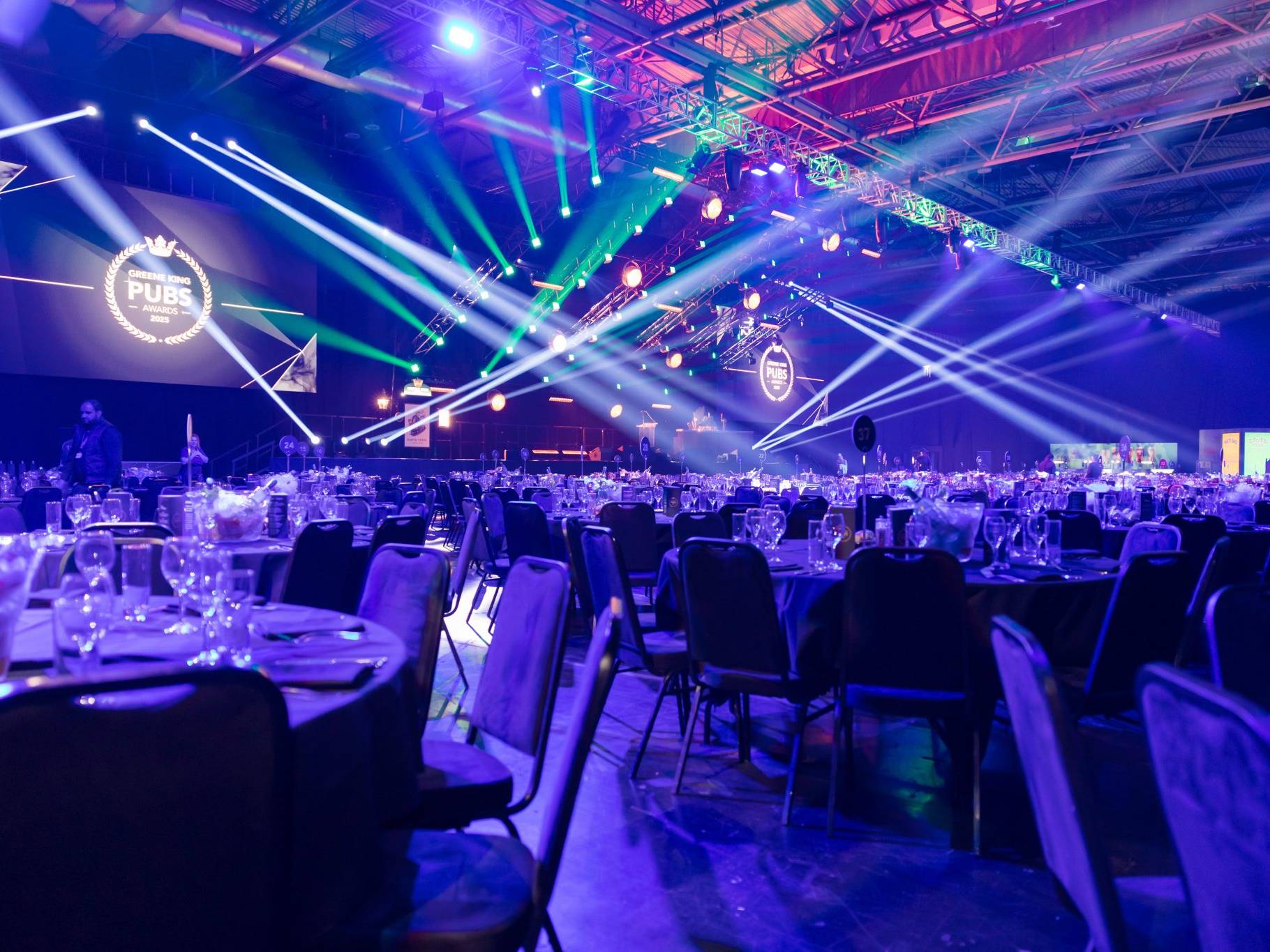
The strongest work uses both. A warm room with a cool stage draws the eye forward. A cool room with a warm pool of light on a speaker does the same thing in reverse.
Contrast is what creates focus. A single temperature everywhere produces an even, unremarkable space.
Using It Deliberately
Designing With Temperature
Lighting designers use colour temperature to shape the emotional arc of an event.
Selecting warm or cool deliberately strengthens the audience's connection to whoever is on stage. A quiet, personal address bathed in warm light lands differently to the same words under cool white.
The same applies to a performance - a dance piece under electrifying cool light carries an energy that warm light would flatten entirely.
Changing It Through an Event
Temperature does not have to stay fixed. Shifting it across the course of an evening is one of the least obtrusive ways of signalling a change in pace.
Drinks reception warm, main session cooler, after-party warm again. Guests will not identify what changed; they will simply respond to it.
Notice It Next Time
At the next performance you attend, pay attention to the colour of the light on stage and how it makes you feel.
Much of what an audience experiences comes from lighting rather than from the performance alone.
Getting It Right
Premier Live's lighting designers work with colour temperature to shape atmosphere around what an event is actually trying to achieve.
Get in touch on 0116 202 9953 or info@premier-ltd.com.
Tell us about your event.
Fill in the form and we'll come back to you quickly, not with a generic auto-reply, but with something useful.
Prefer a call? Book a 20-minute discovery call at a time that suits you.
Rather email? info@premier-ltd.com. Or just ring us: 0116 202 9953.
Once we hear from you, we'll set up a quick call to understand your brief properly, no lengthy questionnaires, no sales pitch.
We typically respond within two hours on working days.
EXPERIENCED. DEPENDABLE. HANDS-ON. UNFLAPPABLE
The people behind Premier Live
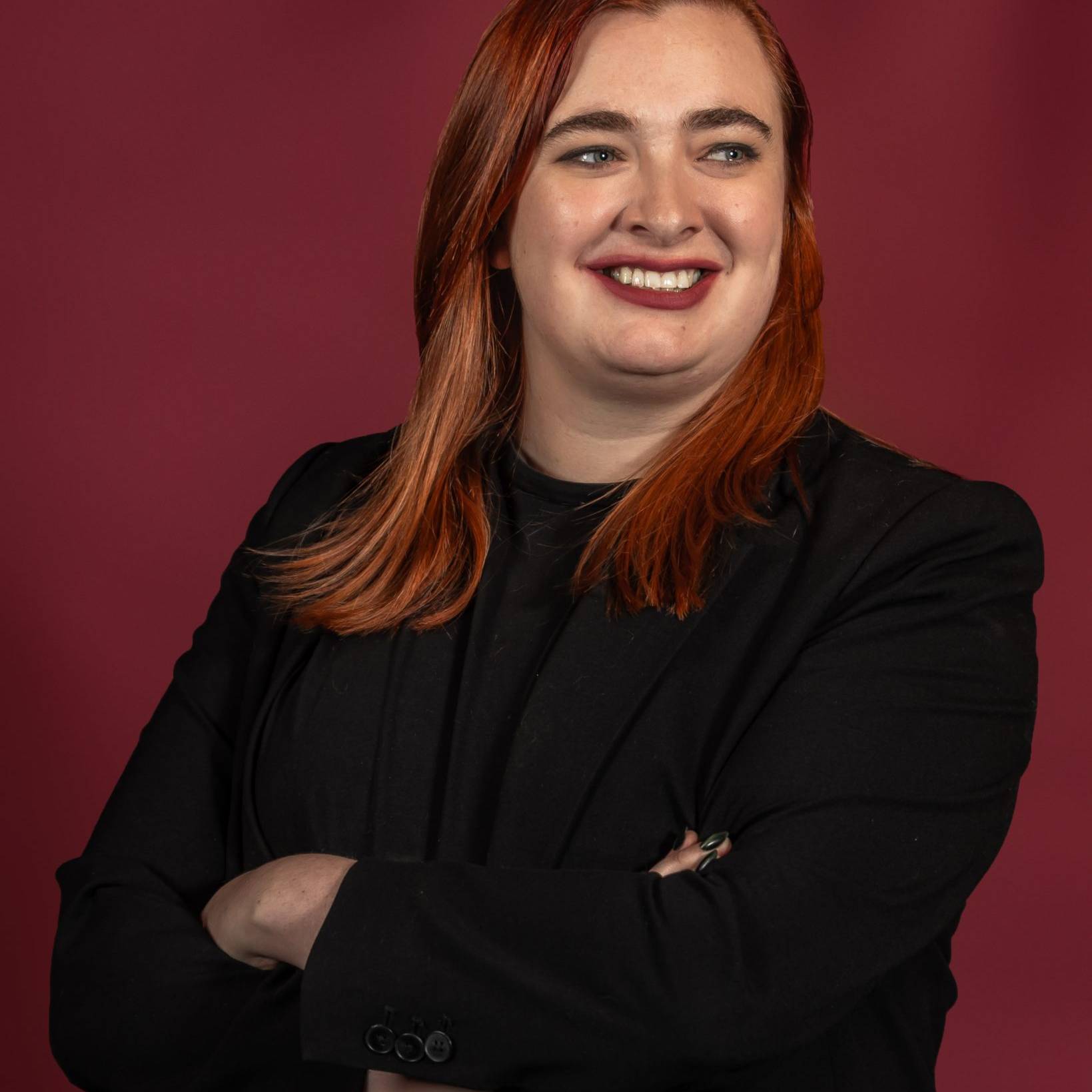
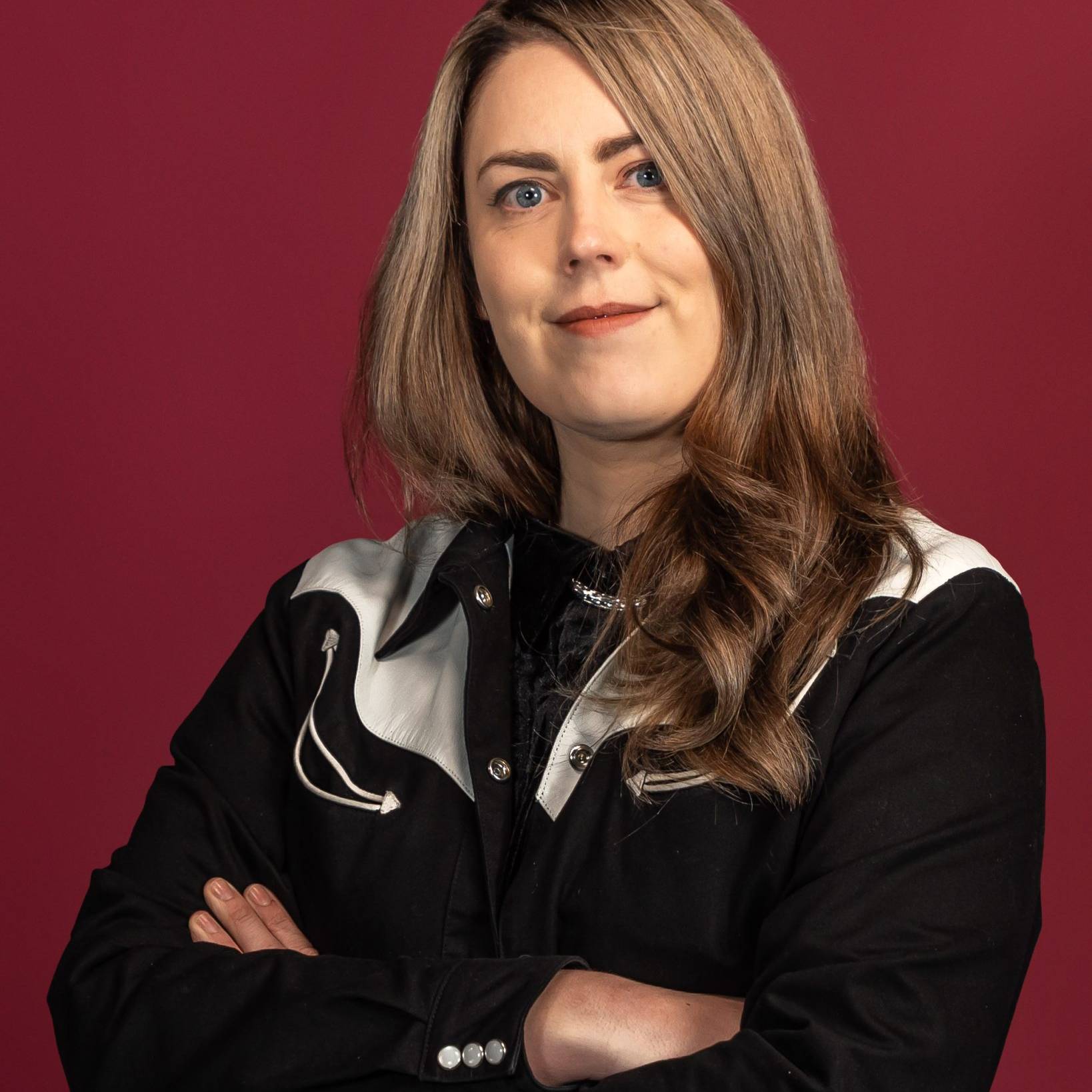
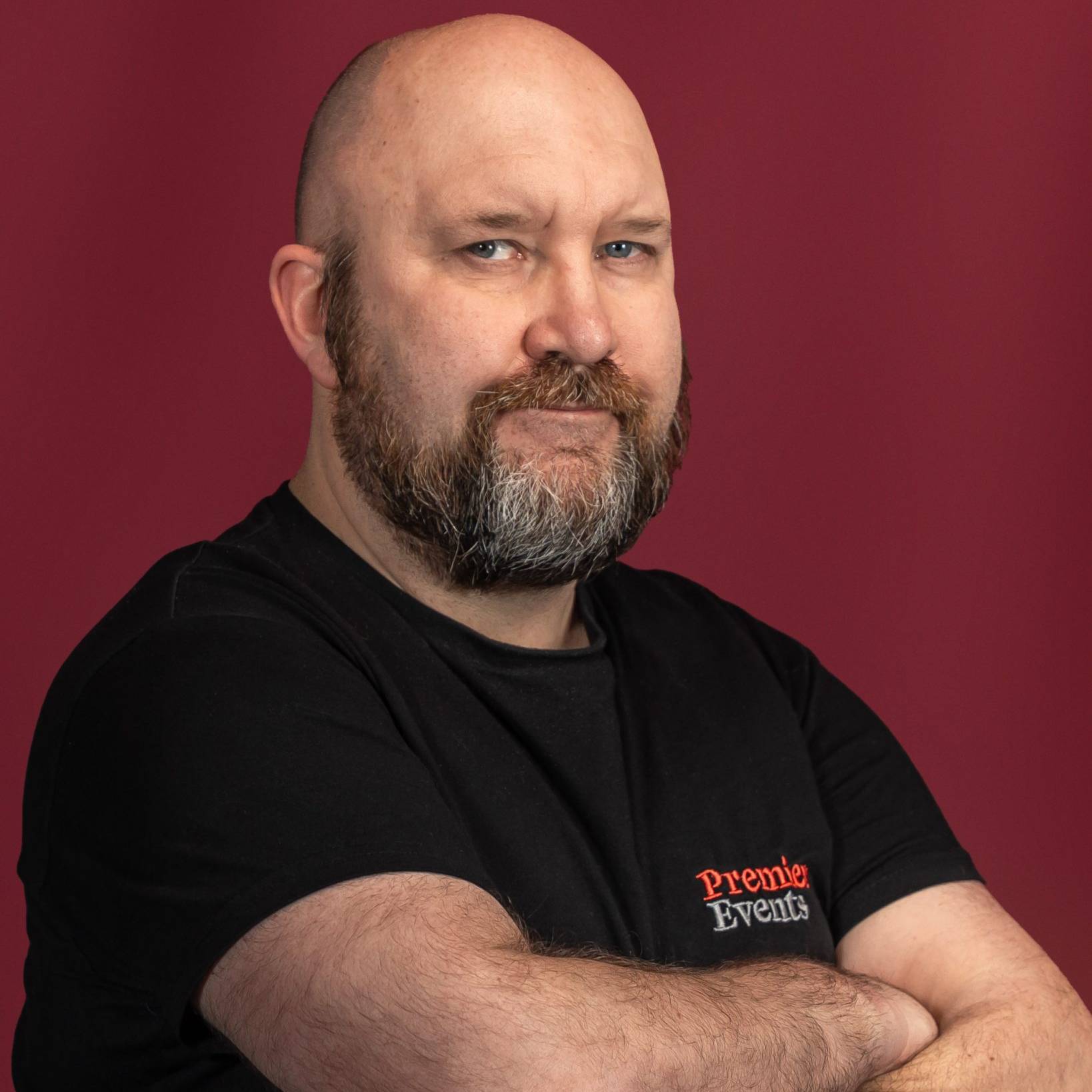
These are our people - the production managers, technicians, show-callers and crew who plan your event and run the room on the night. The same team from first site visit to final cue.


















What We've Been Up To.
A look at the events we've delivered, the brief, the build, and how it ran on the night. Worth a read.