The Rundown
Topics: Stage Lighting, Terminology | 2 min read
Stage lighting goes back hundreds of years. Even Shakespeare recognised the value of atmosphere, using candles on stage to set a mood.
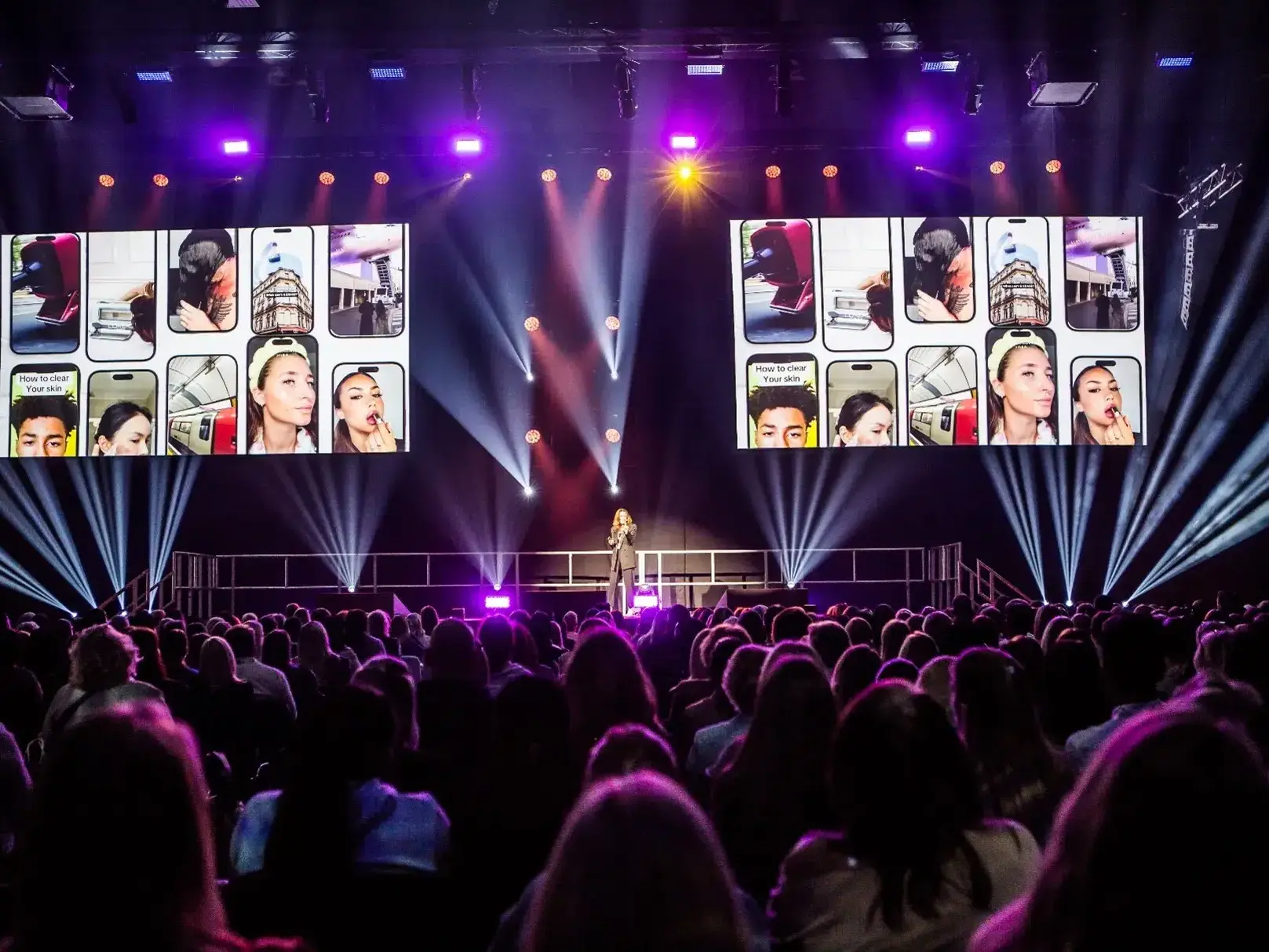
The technology has moved on since the 1600s, but the intent has not. Designers still use light to direct attention, create atmosphere and make sure people can see what matters.
What has changed is the vocabulary. Talk to a lighting technician and you will hear terms that mean something precise to them and nothing at all to most clients.
Here are the terms you will actually encounter, what each piece of equipment does, and how they get used together.
Fixtures
Spotlight
Designed to illuminate a specific person or object, spotlights pick out key features rather than lighting an area.
They can be operated manually - a followspot with someone tracking a performer - or form part of a wider design controlled from a lighting console.
Wash Lights
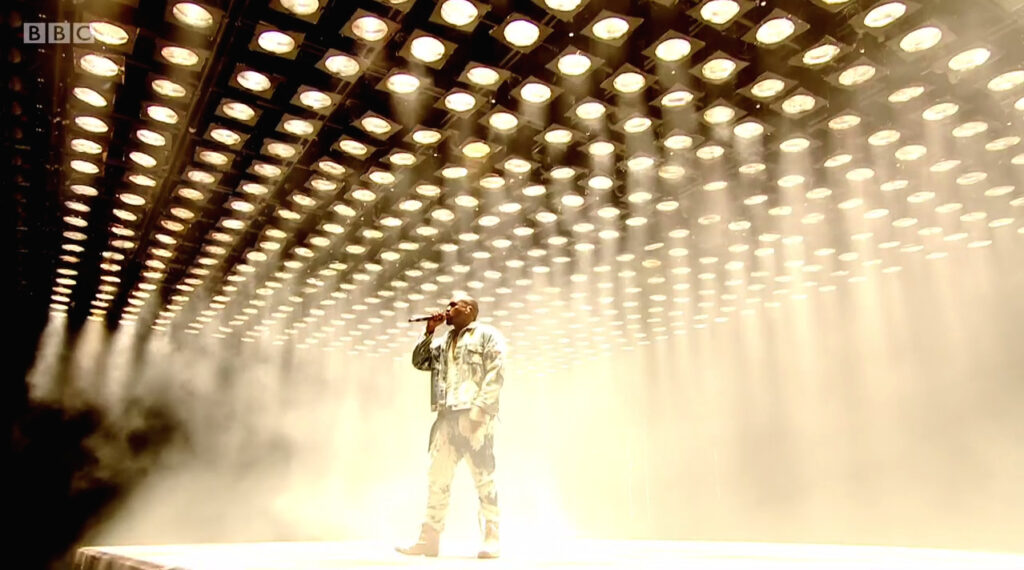
Wash lights create a large pool of white or coloured light. In architectural work they are more commonly called flood lights.
They are essential for covering large areas, and come as either static or moving fixtures. Most rigs use far more wash than spot.
PAR Cans
Parabolic Aluminised Reflector lights, universally shortened to PAR cans, were the staple of stage lighting until recently.
They hold large, powerful lamps available in a range of beam angles and sizes, producing either spot or wash effects. A traditional rig would carry many PAR cans fitted with different lamps and coloured gels for different scenes.
They have largely given way to LED fixtures, which are more efficient, more reliable and change colour without anyone climbing a ladder.
Intelligent Lights
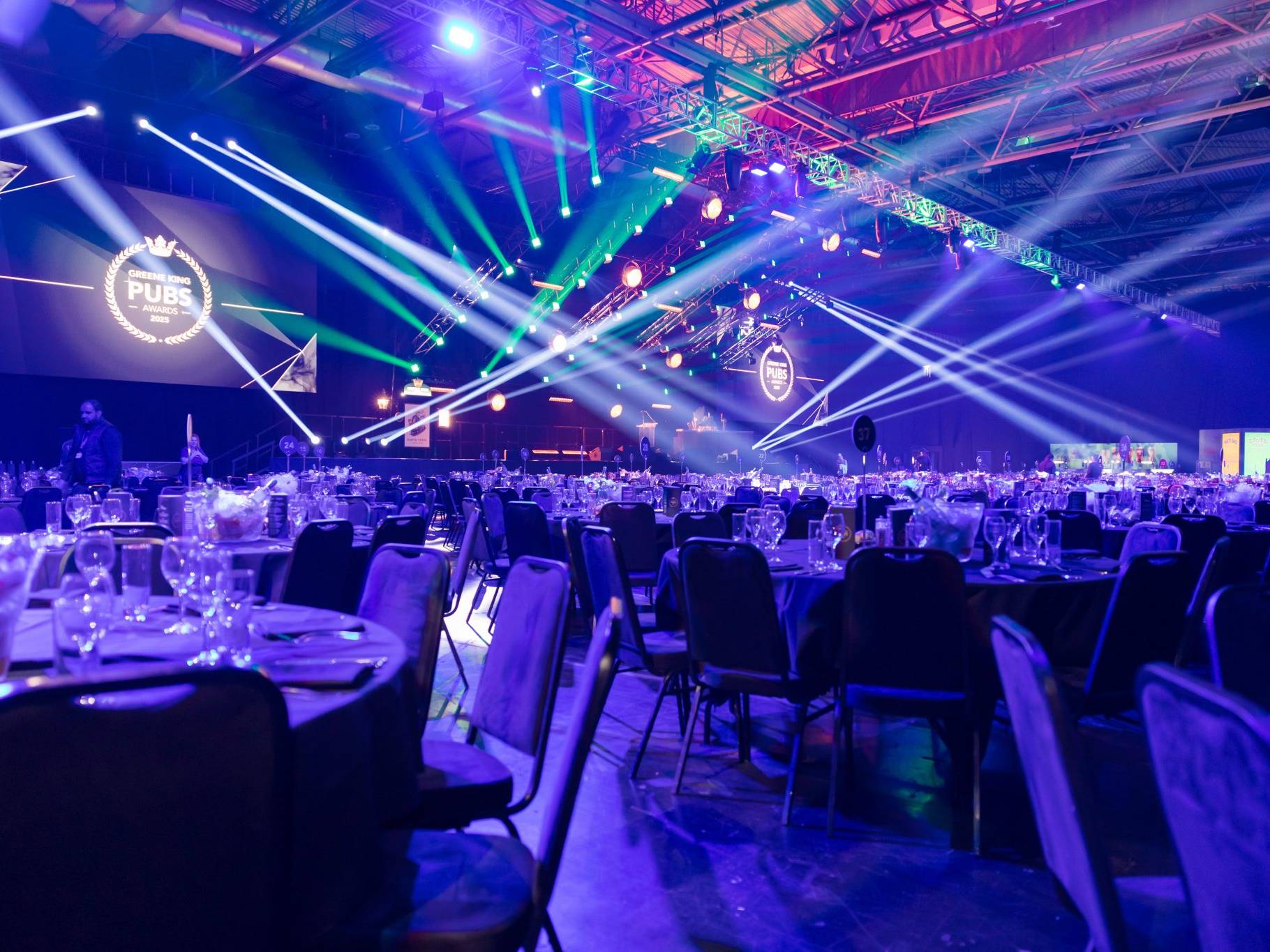
Fixtures with multiple settings controlled from a console. They may be static colour-changing units or moving heads that pan and tilt.
They connect to each other by data cable, passing control signals from the console down the chain.
Control
Dimmer
A dimmer controls older lamp-based fixtures by adjusting the power reaching them, making the light brighter or dimmer.
It is usually operated by faders - sliders the lighting operator pushes up and down. On a traditional rig, one dimmer channel corresponds to one circuit of lights.
Modern LED fixtures dim internally, so dimmers are less central than they once were, but plenty of venues still run them.
Console
The console is where everything is controlled from. It stores lighting states, triggers cues in sequence, and lets the operator adjust anything live.
On a show with cues - awards, conferences, theatre - the console is following a script alongside the show caller.
Data and Patching
Fixtures are addressed individually so the console can talk to each one. Patching is the process of mapping console channels to physical fixtures.
It is why adding a light on the day is rarely as simple as plugging it in, and why lighting plots exist.
Gel
A coloured sheet placed in front of a conventional lamp to tint its output. LED fixtures mix colour electronically instead, which is one of the main reasons they replaced PAR cans.
Effects
Gobo
A gobo is a small round disc, effectively a stencil, placed in front of a light to project an image or pattern.
They come in glass or metal, in sizes to suit different fixtures.
Use one to suggest light falling through a tree canopy, to add texture to a plain wall, or to project a company logo across a room. It is one of the cheapest ways to make a space look considered.
Haze
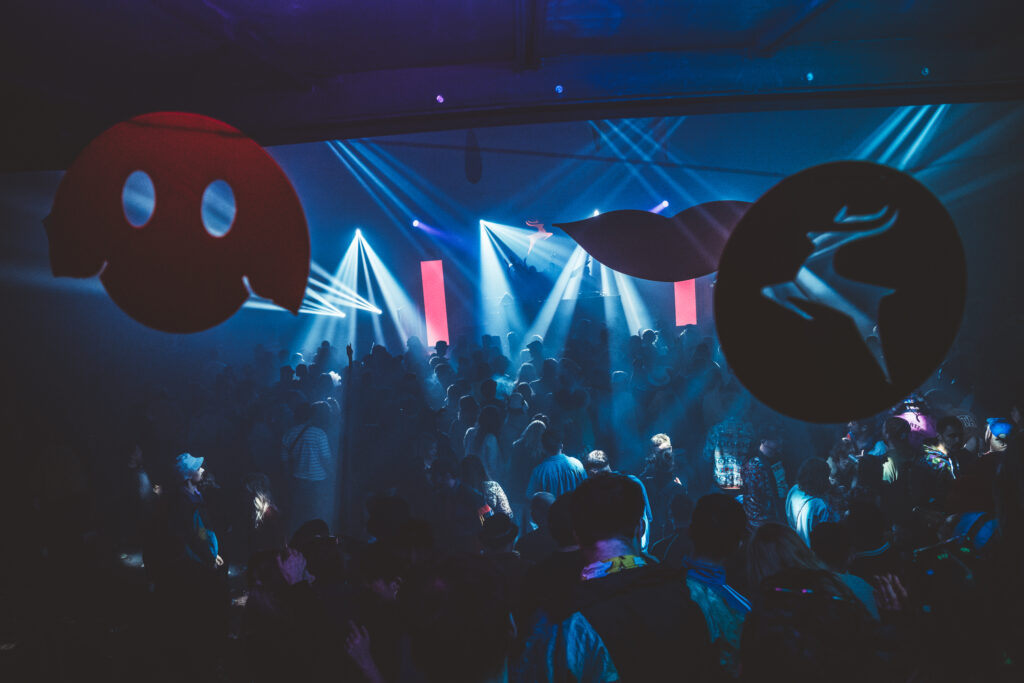
Not a fixture, but worth knowing. Haze puts fine particulate in the air so light beams become visible.
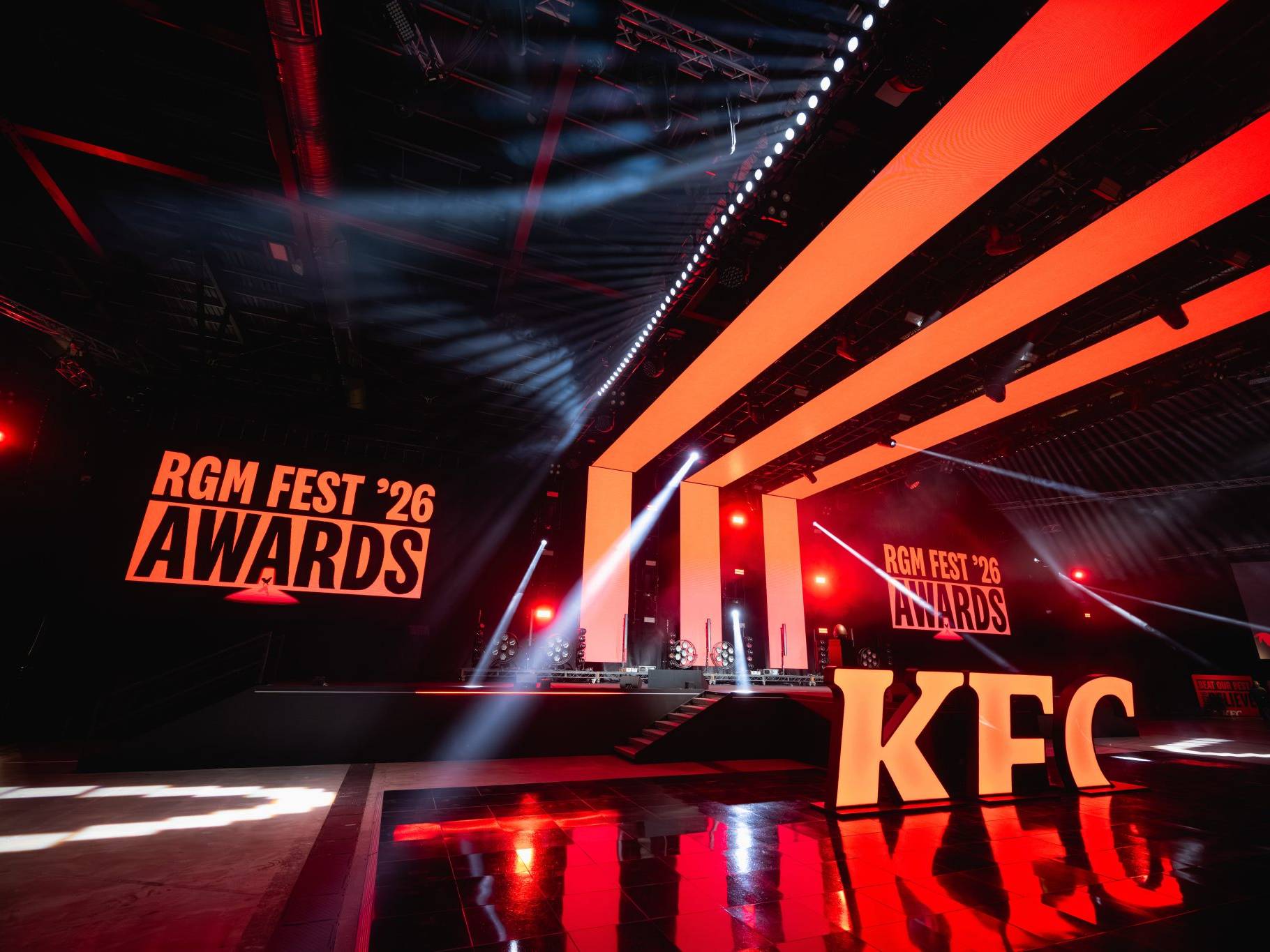
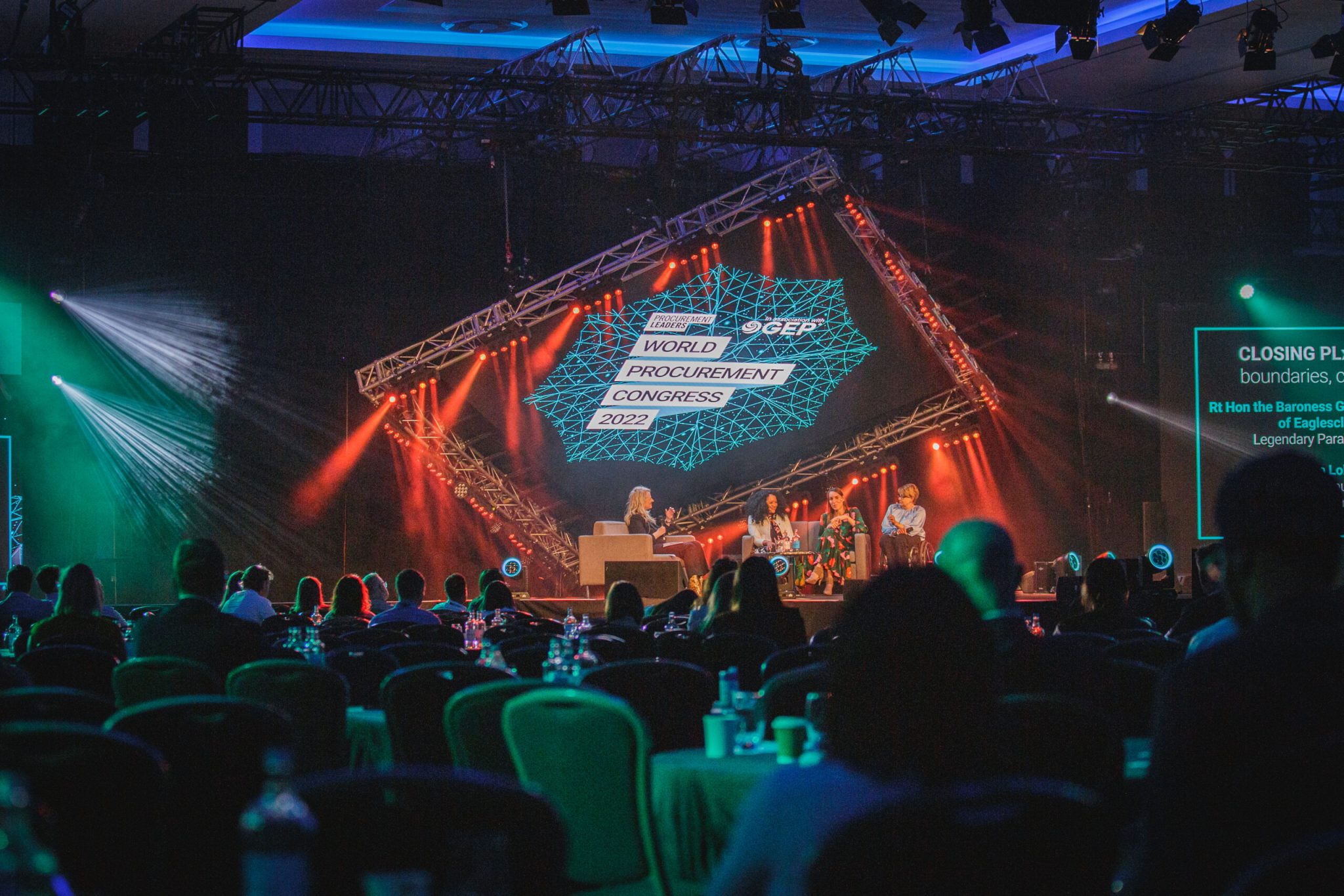
Without it, a moving light rig is largely invisible - you see the pools of light on the floor but not the beams travelling through the room, which is usually the point.
Putting It Together
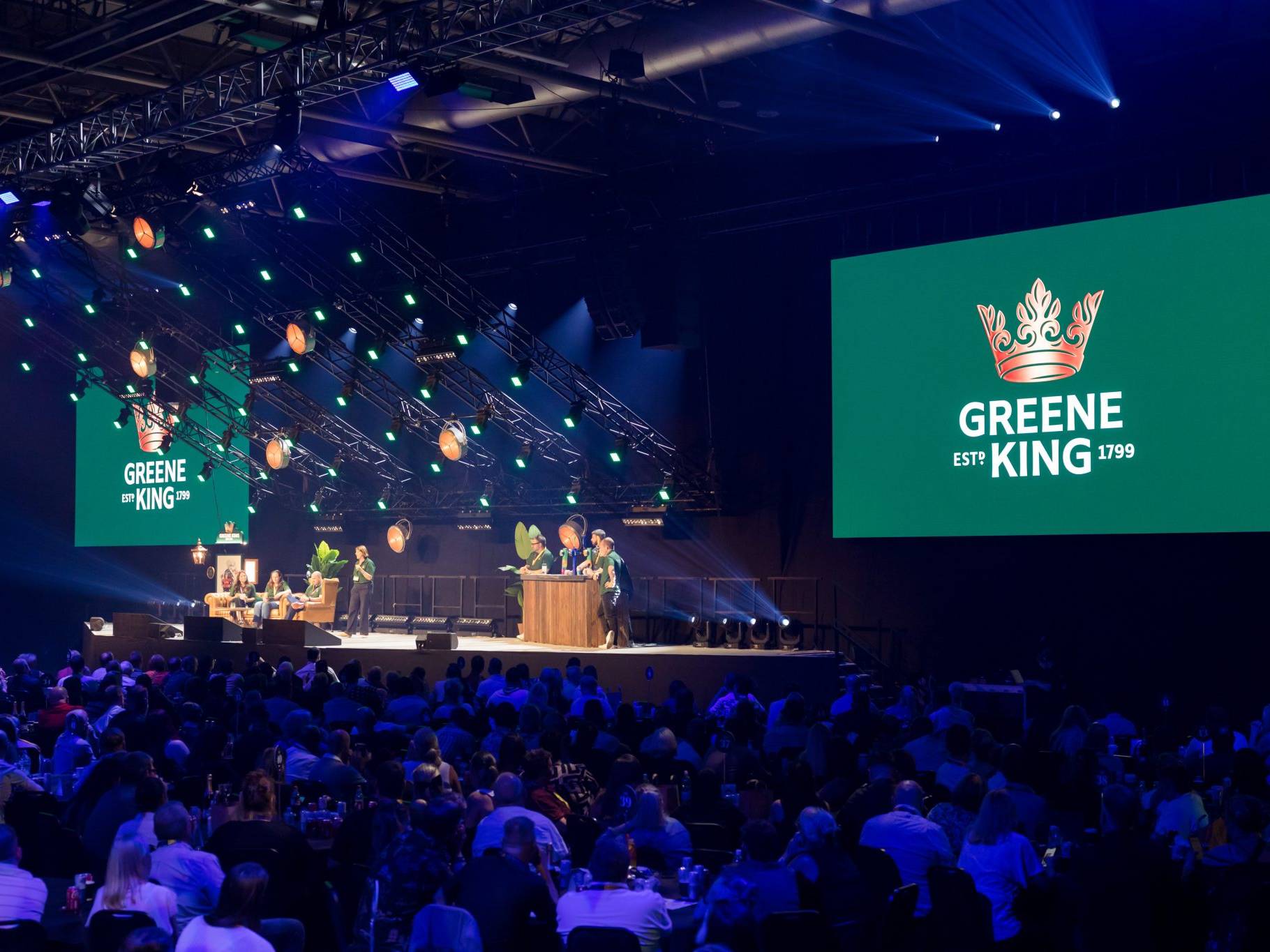
A working rig combines these: wash for coverage, spot for focus, intelligent fixtures for movement and colour, gobos for texture, all run from a console to a plot.
None of it is complicated once the terms are familiar. And next time a lighting technician explains what they are doing, you will be able to follow it.
Need a Design?
To learn more, or for a lighting design for your event, call the Premier Live team on 0116 202 9953 or email info@premier-ltd.com.
Tell us about your event.
Fill in the form and we'll come back to you quickly, not with a generic auto-reply, but with something useful.
Prefer a call? Book a 20-minute discovery call at a time that suits you.
Rather email? info@premier-ltd.com. Or just ring us: 0116 202 9953.
Once we hear from you, we'll set up a quick call to understand your brief properly, no lengthy questionnaires, no sales pitch.
We typically respond within two hours on working days.
EXPERIENCED. DEPENDABLE. HANDS-ON. UNFLAPPABLE
The people behind Premier Live
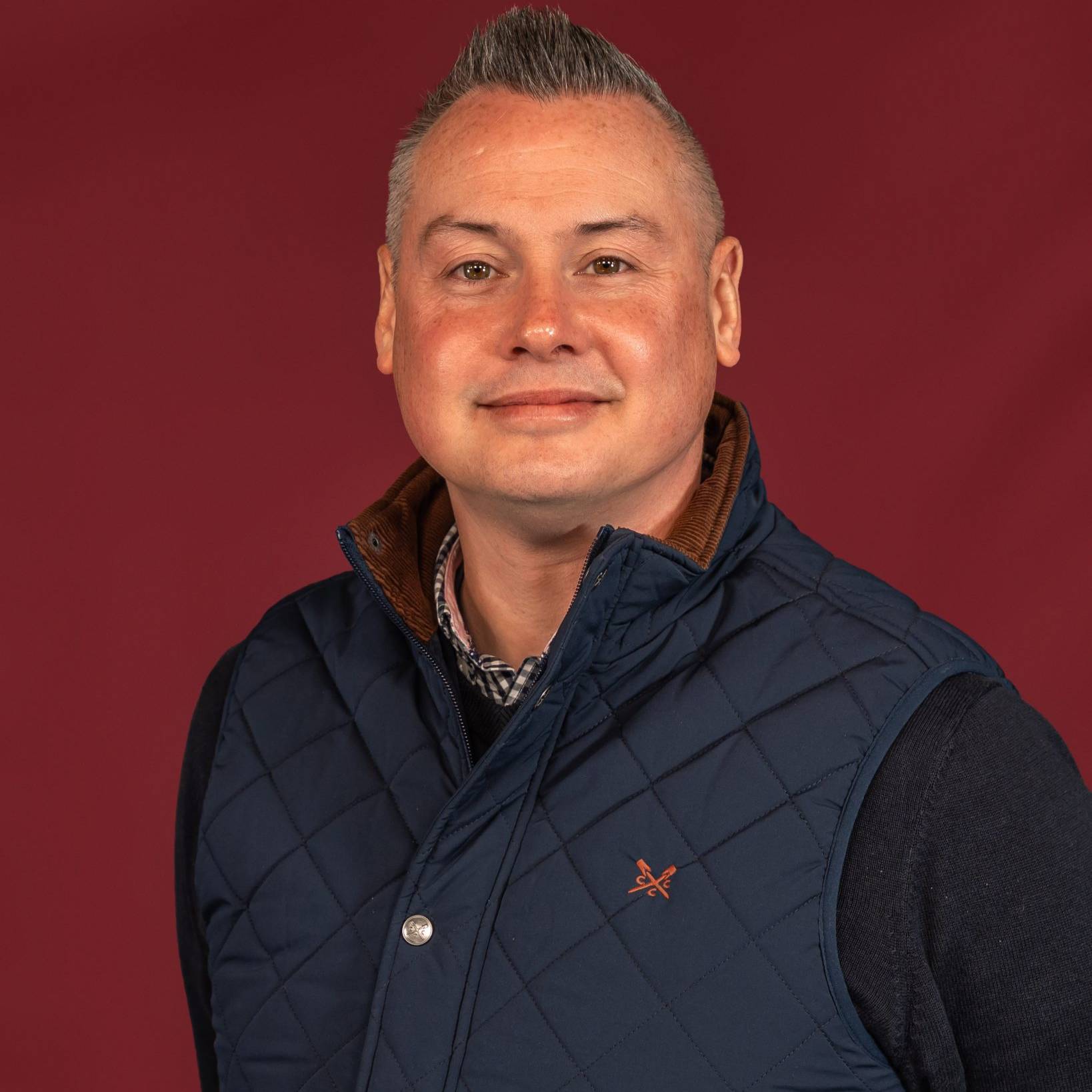
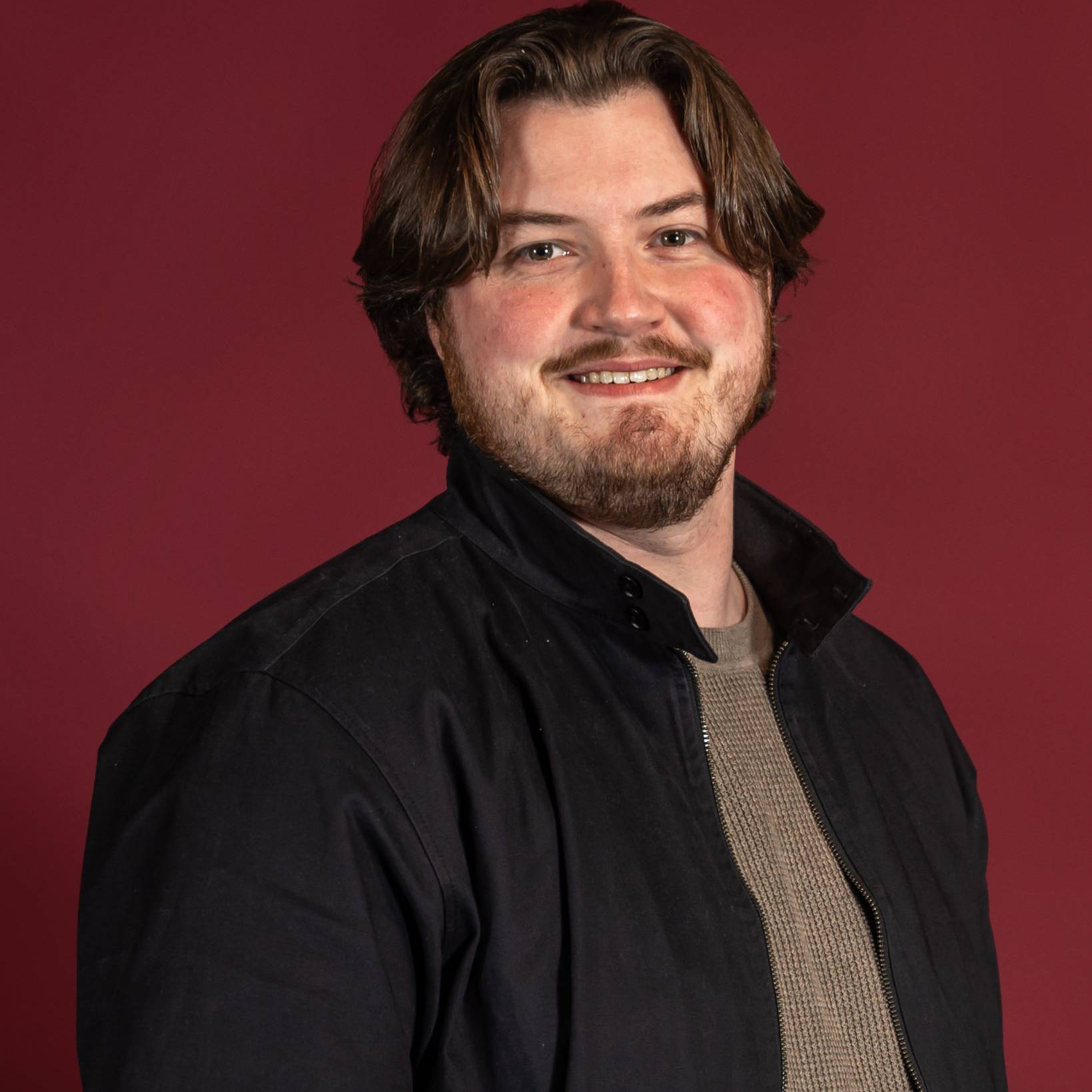
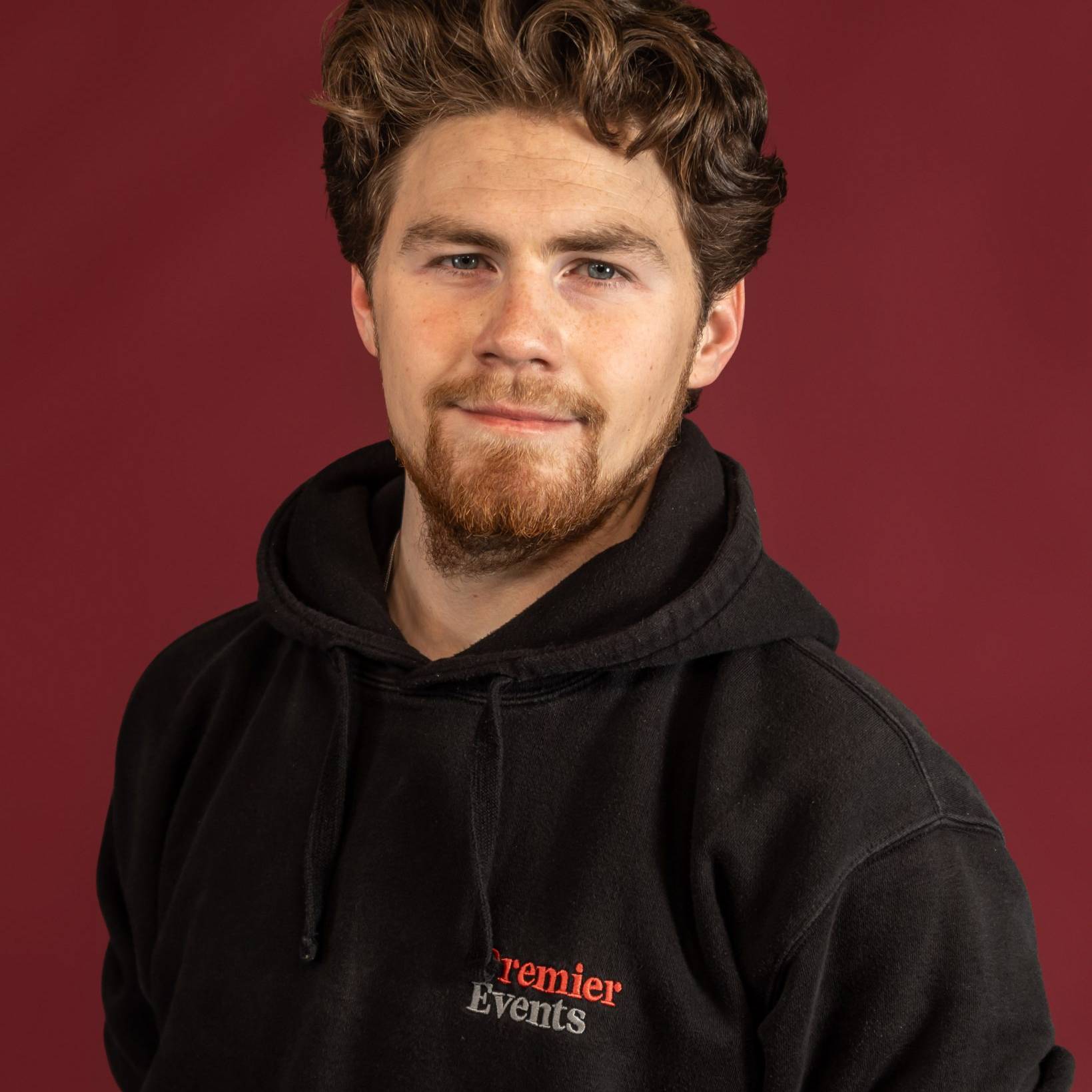
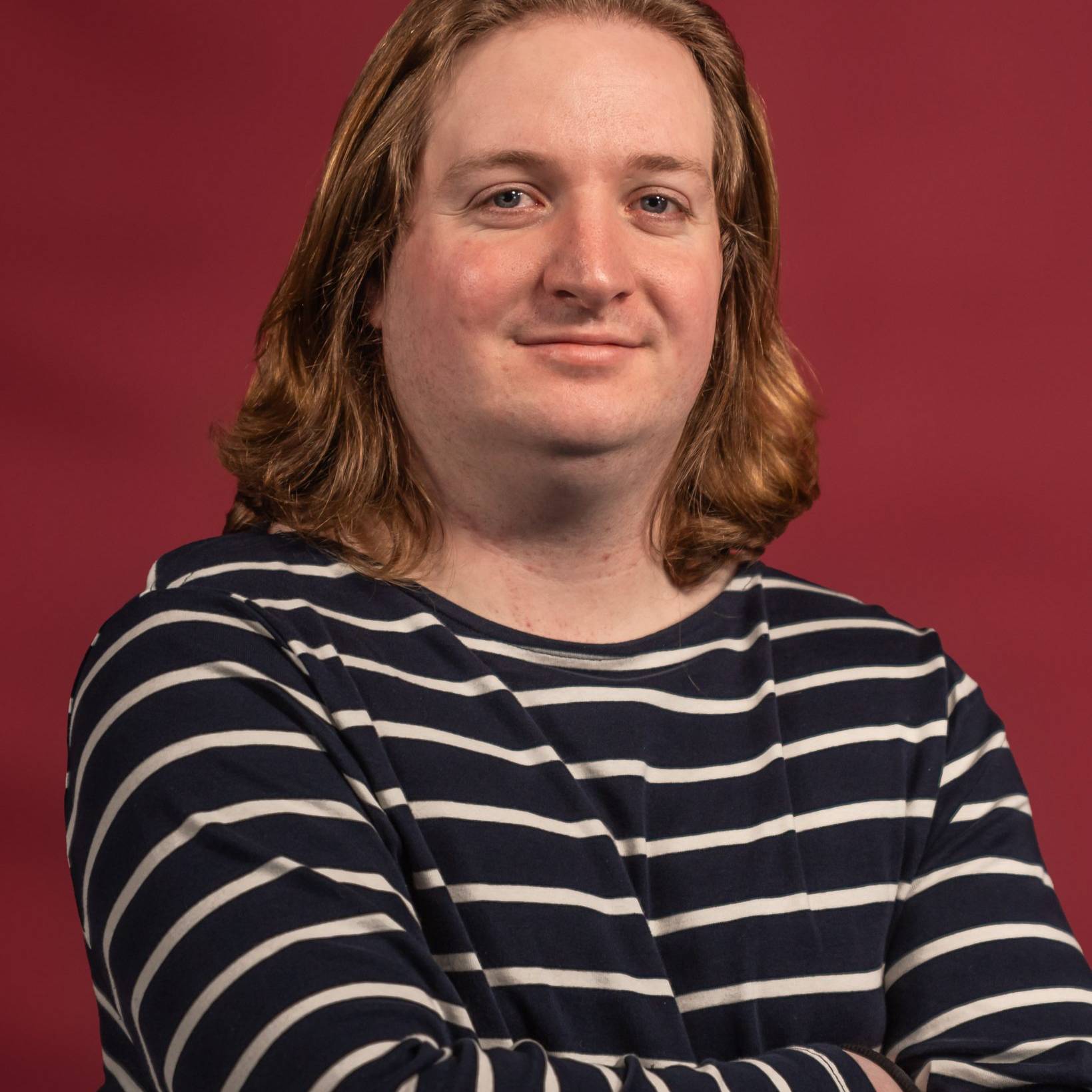
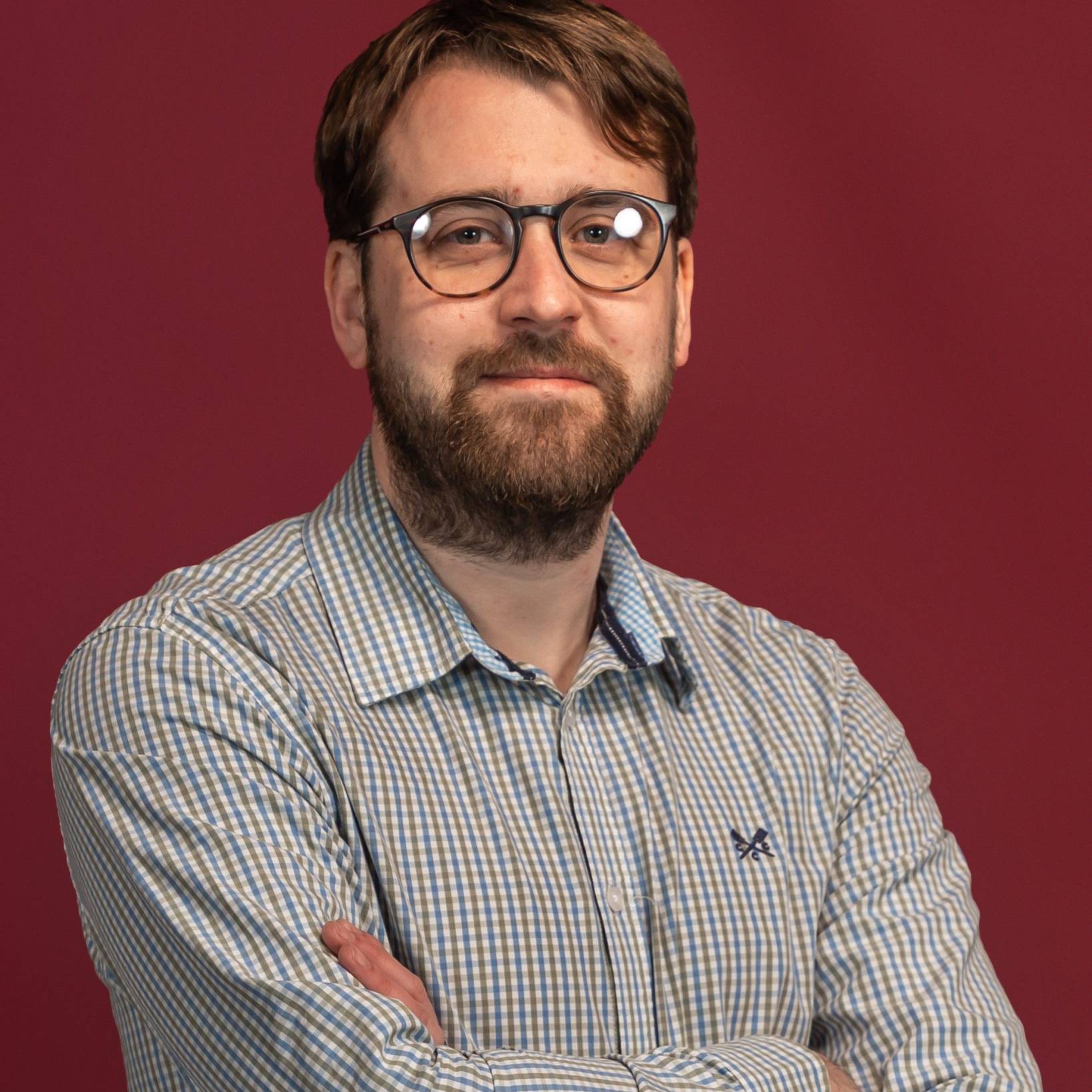
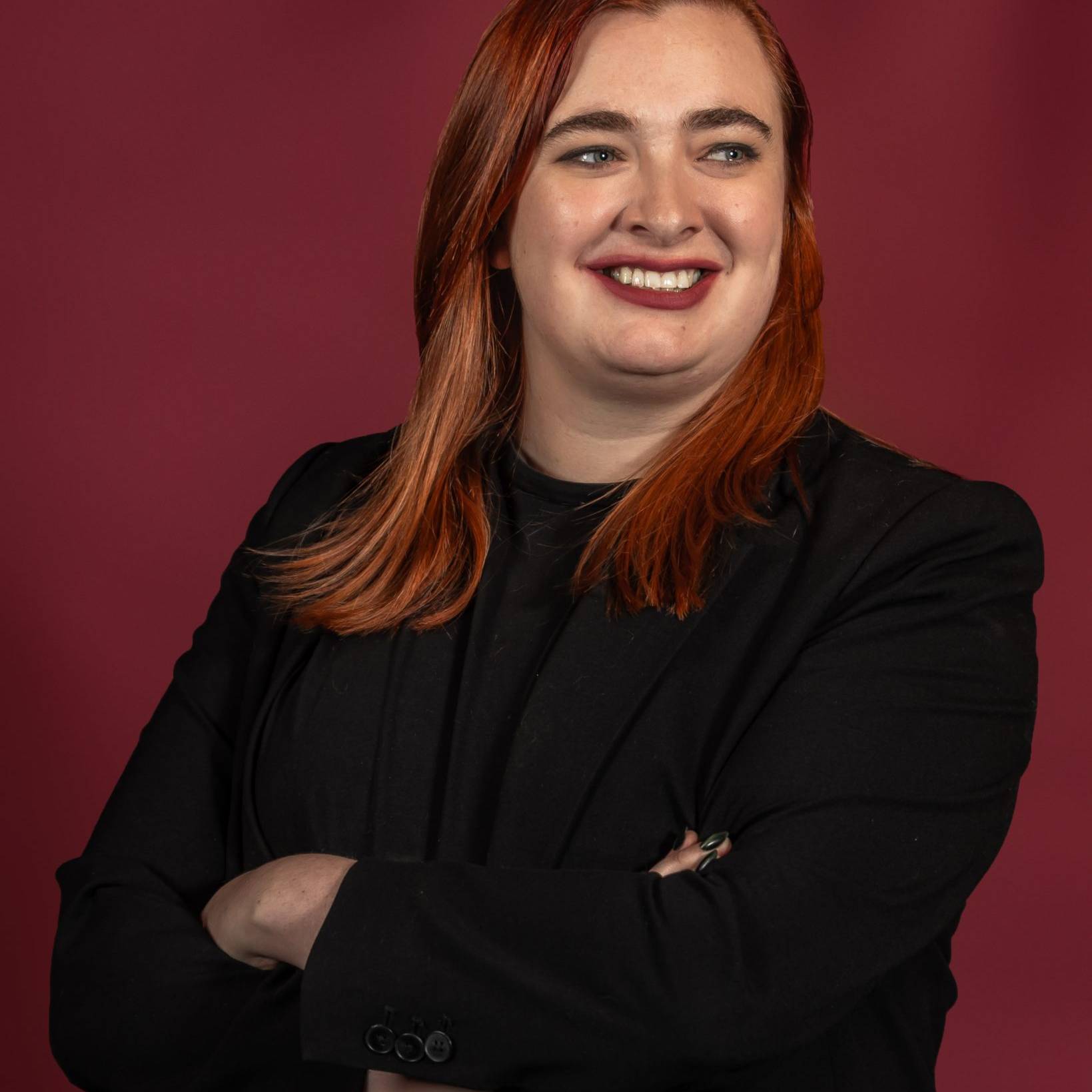
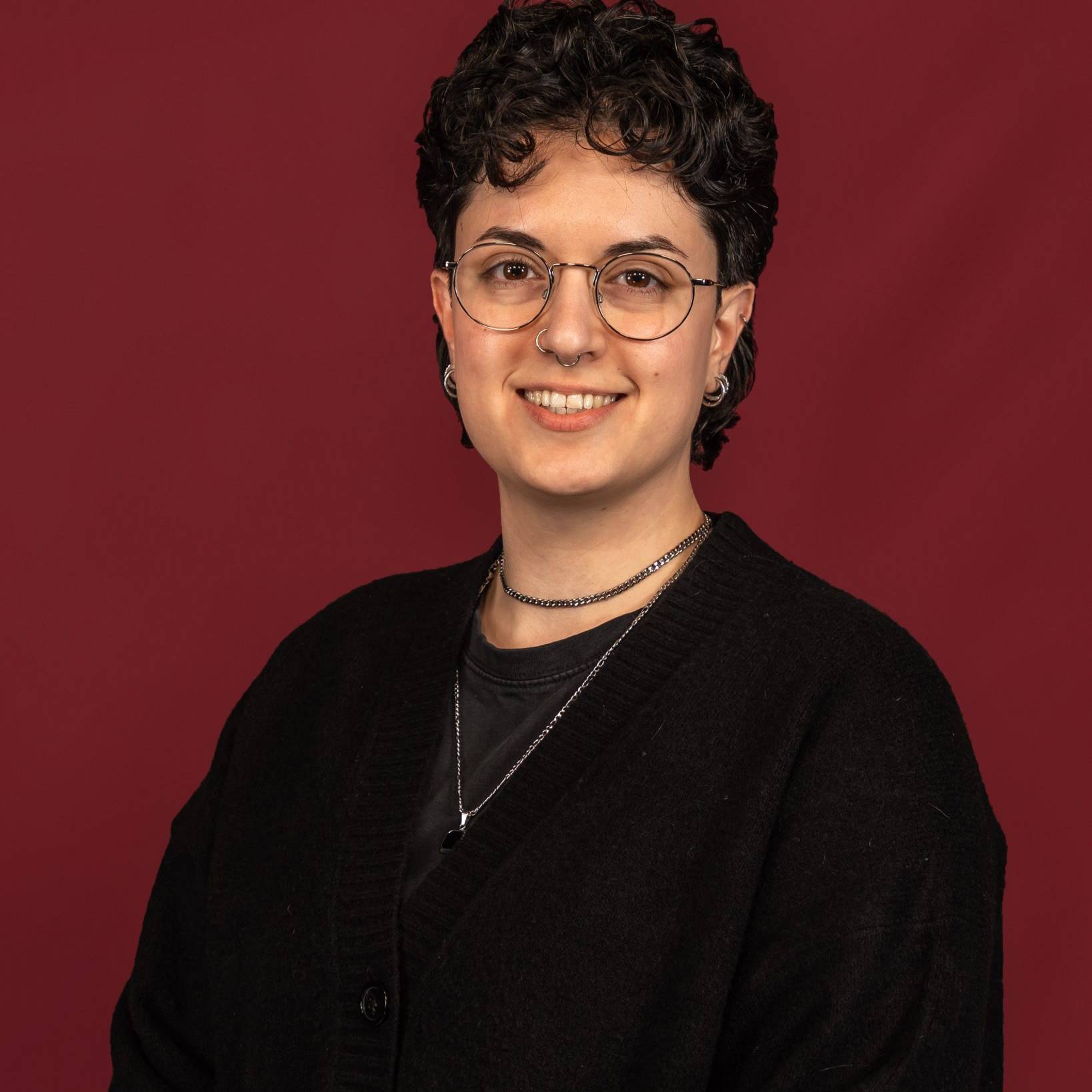
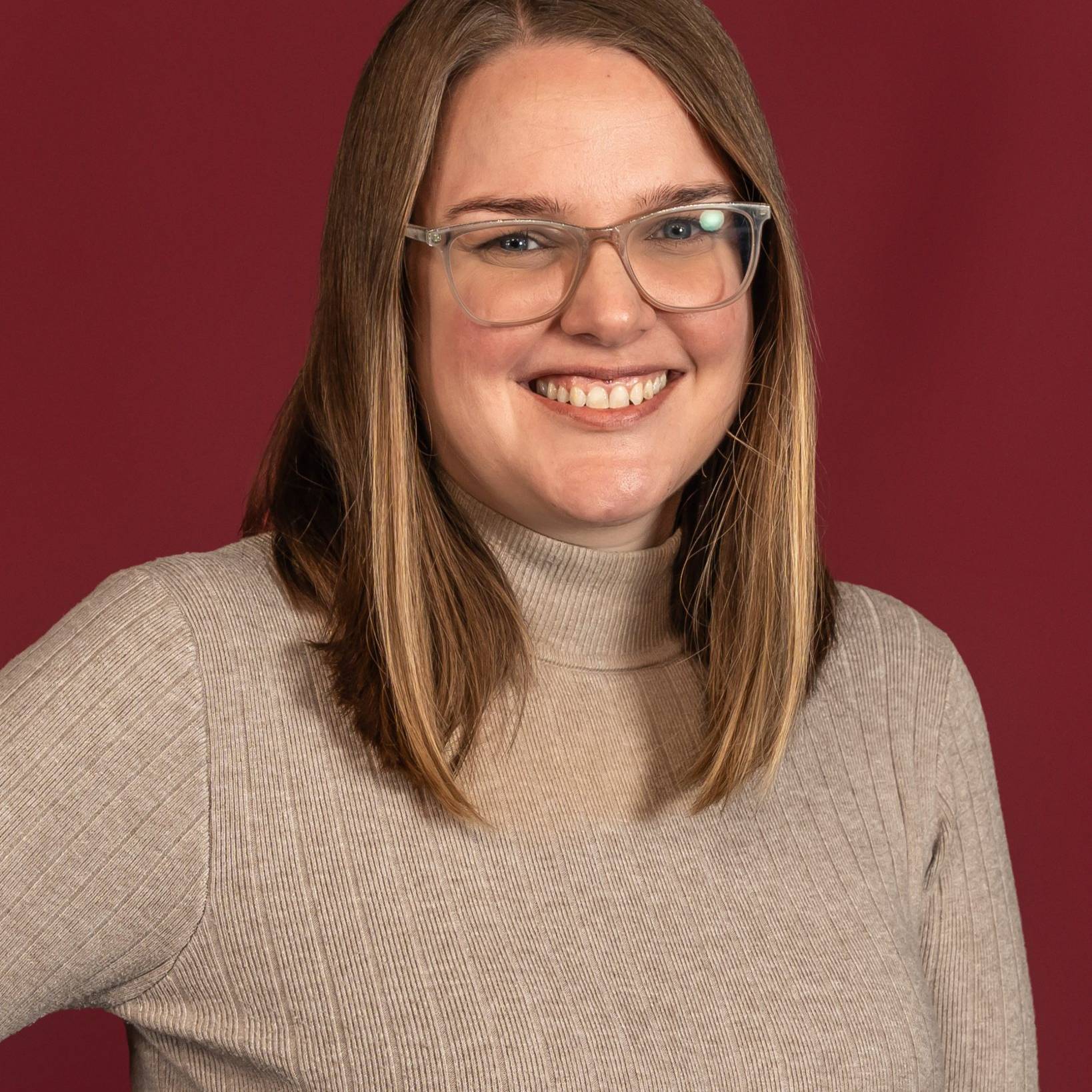
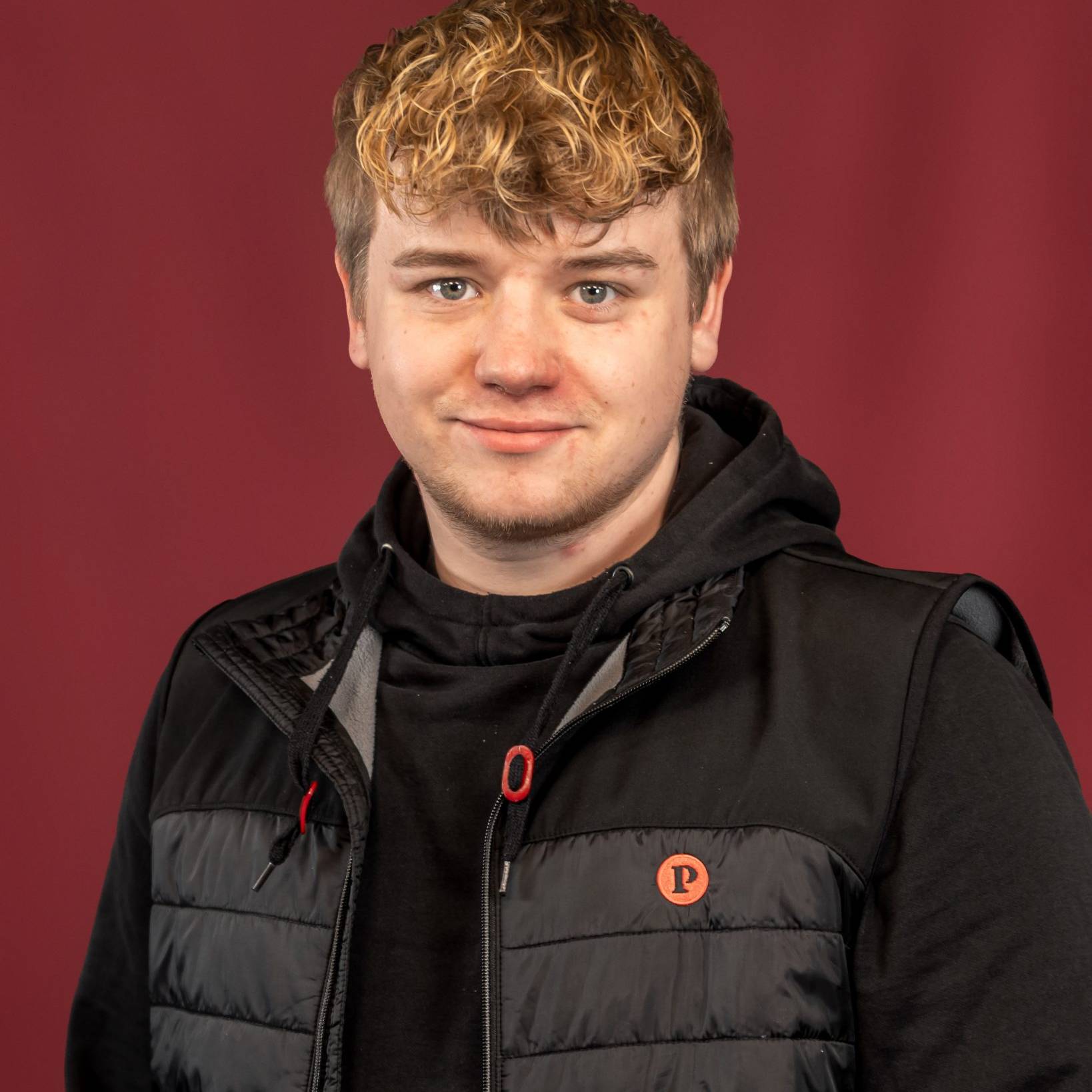
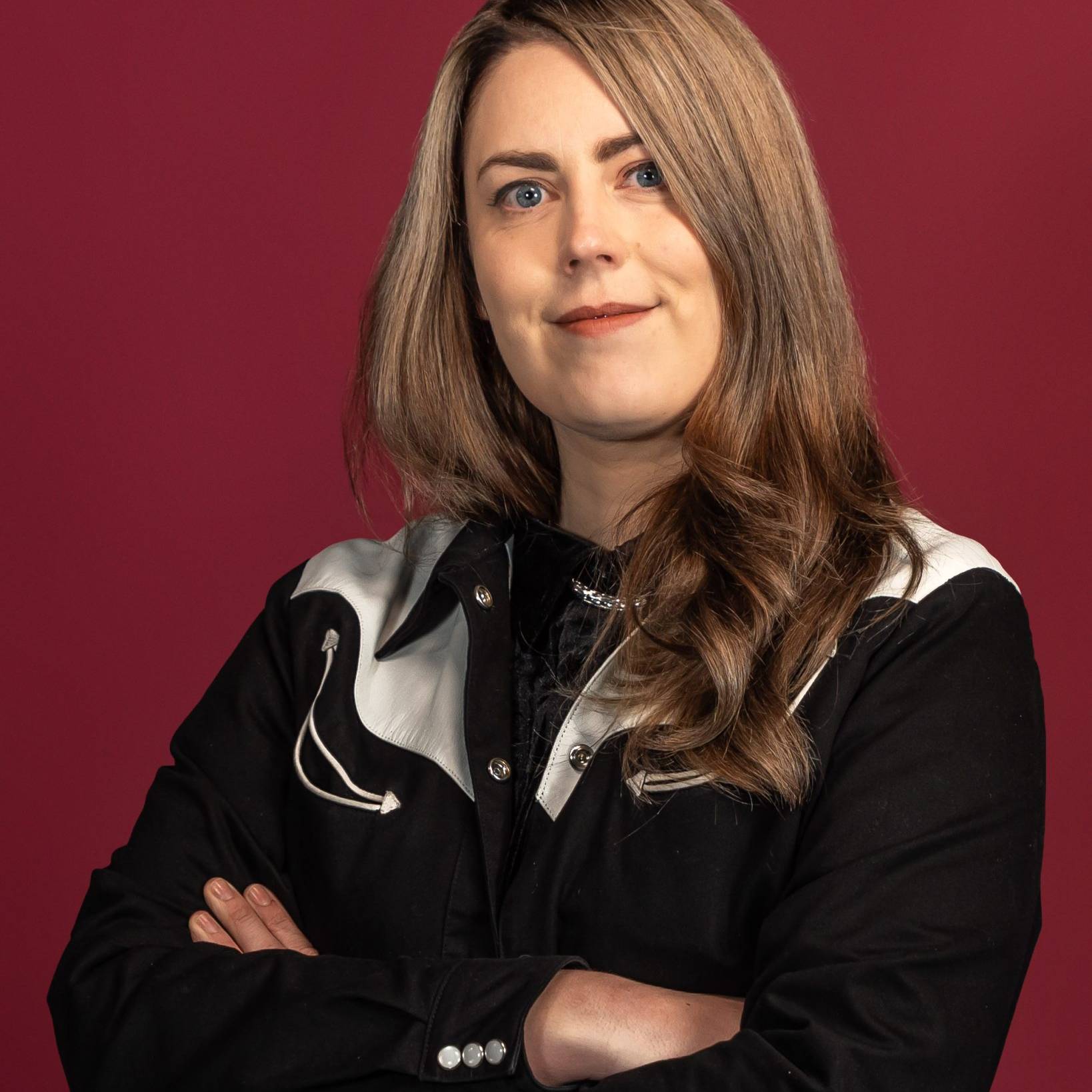
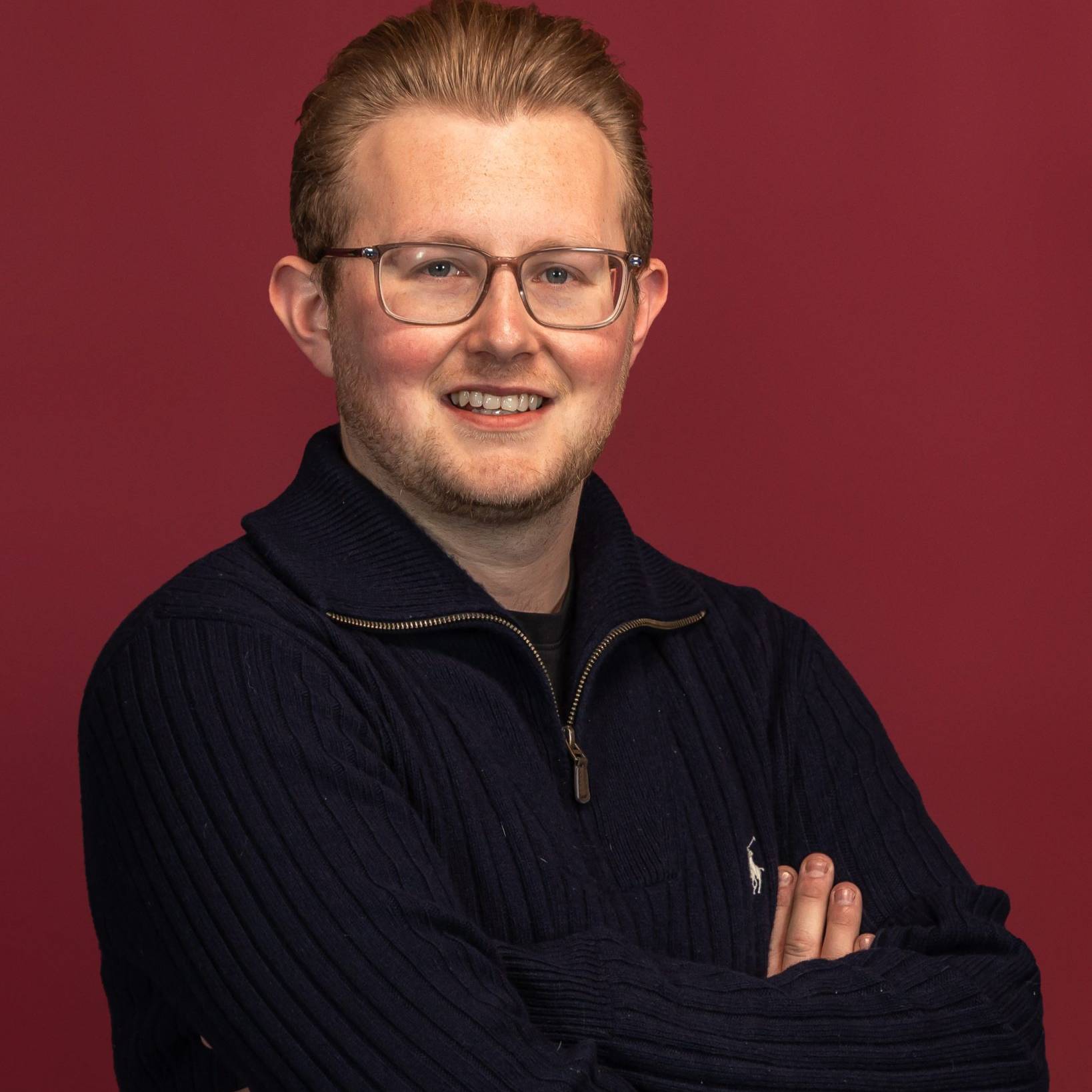
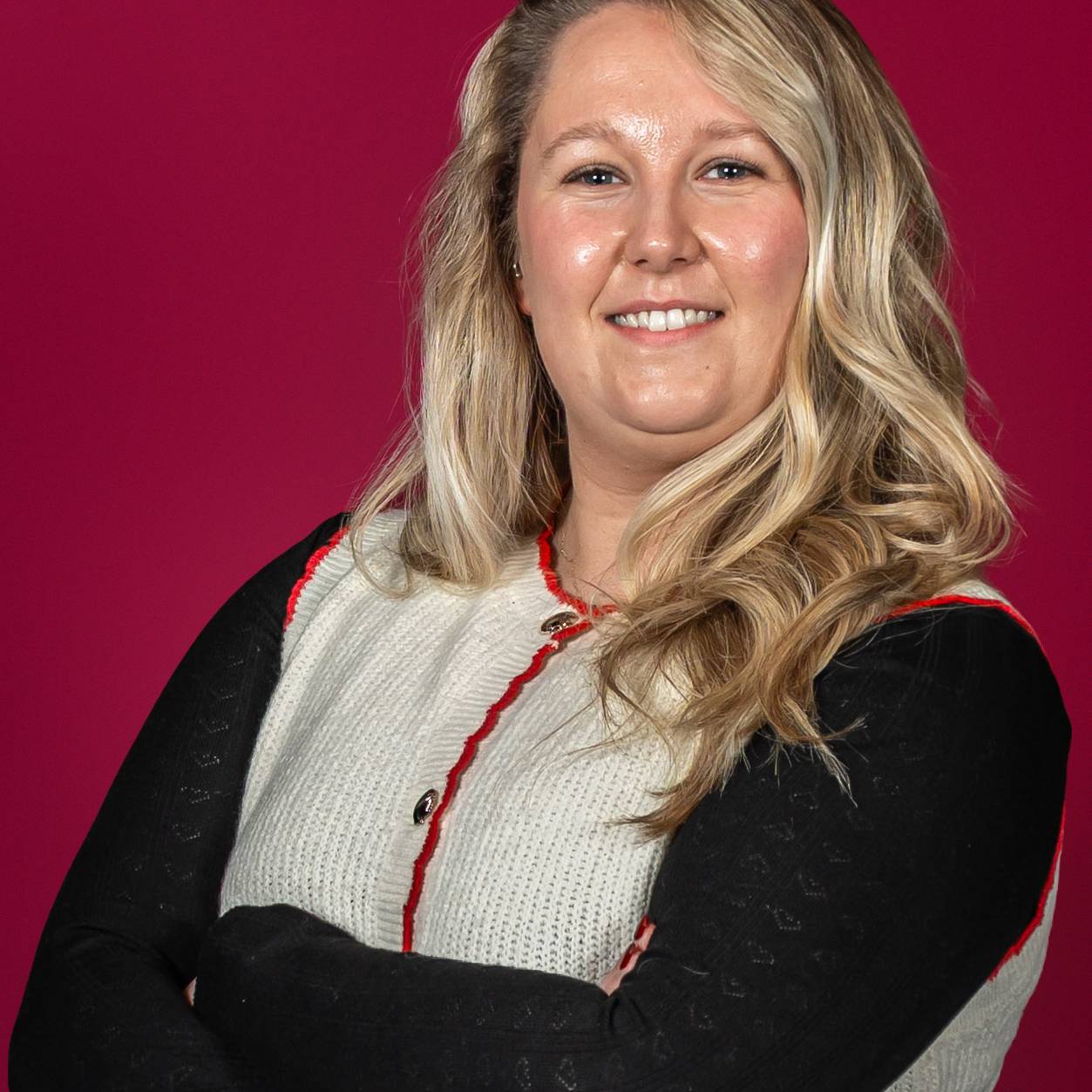
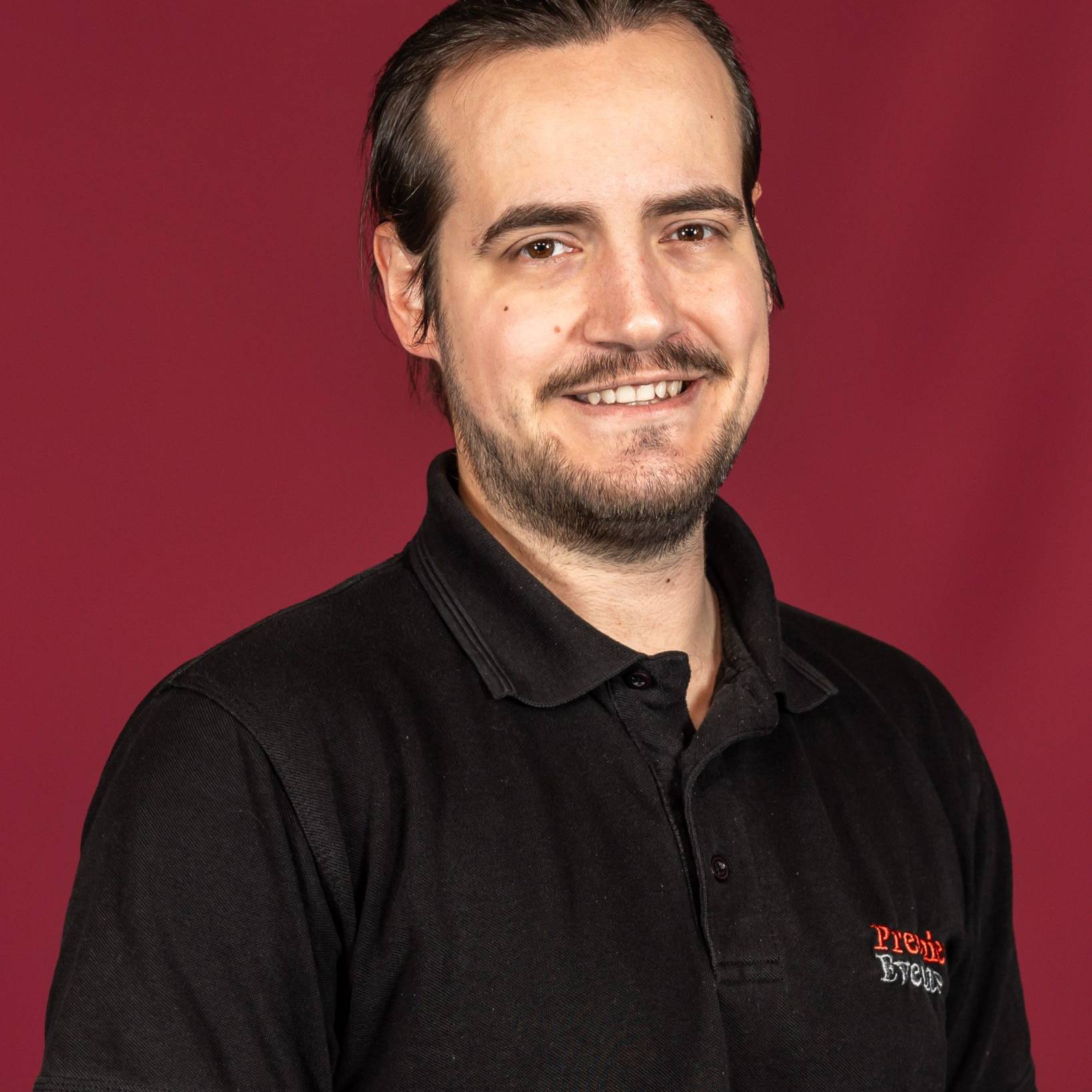
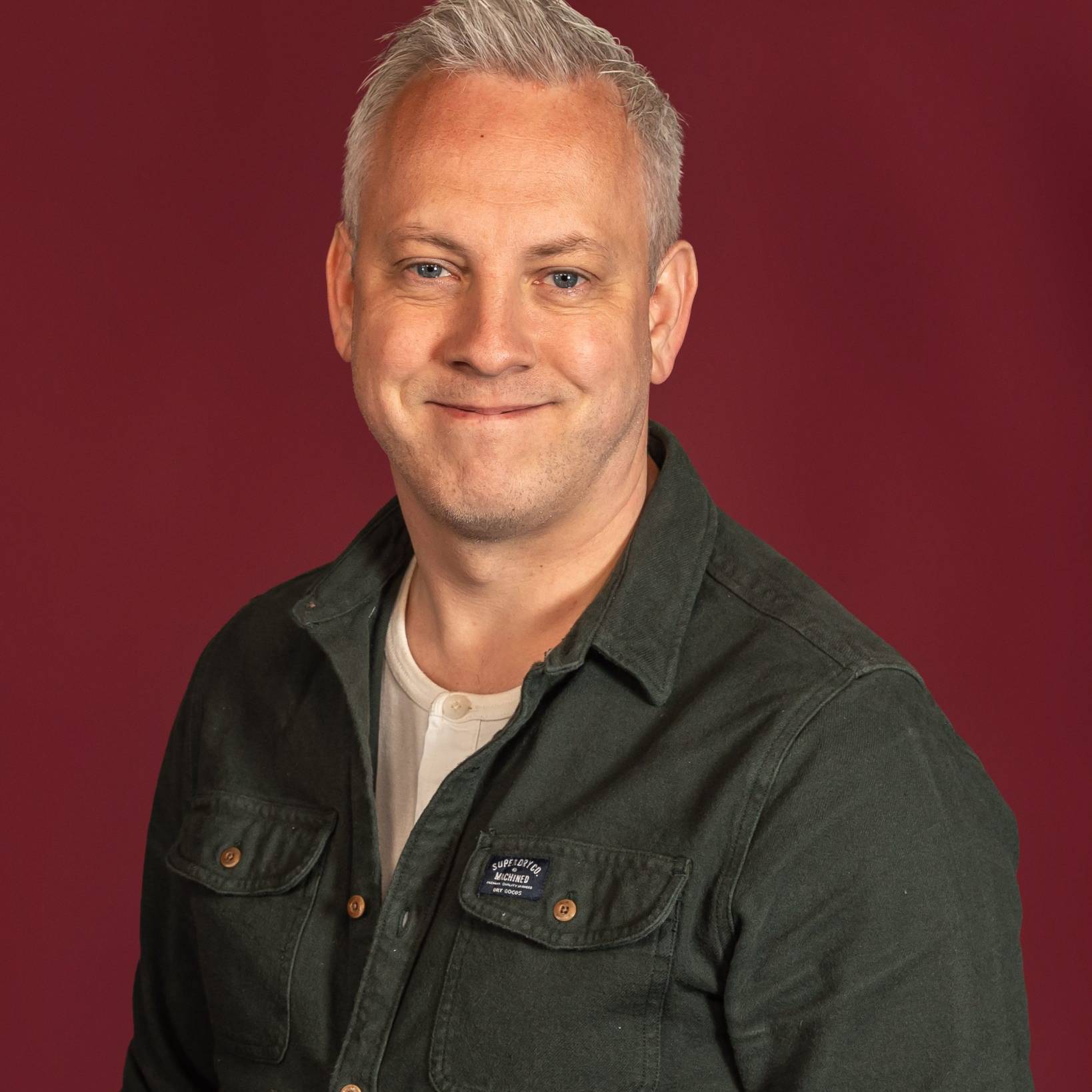
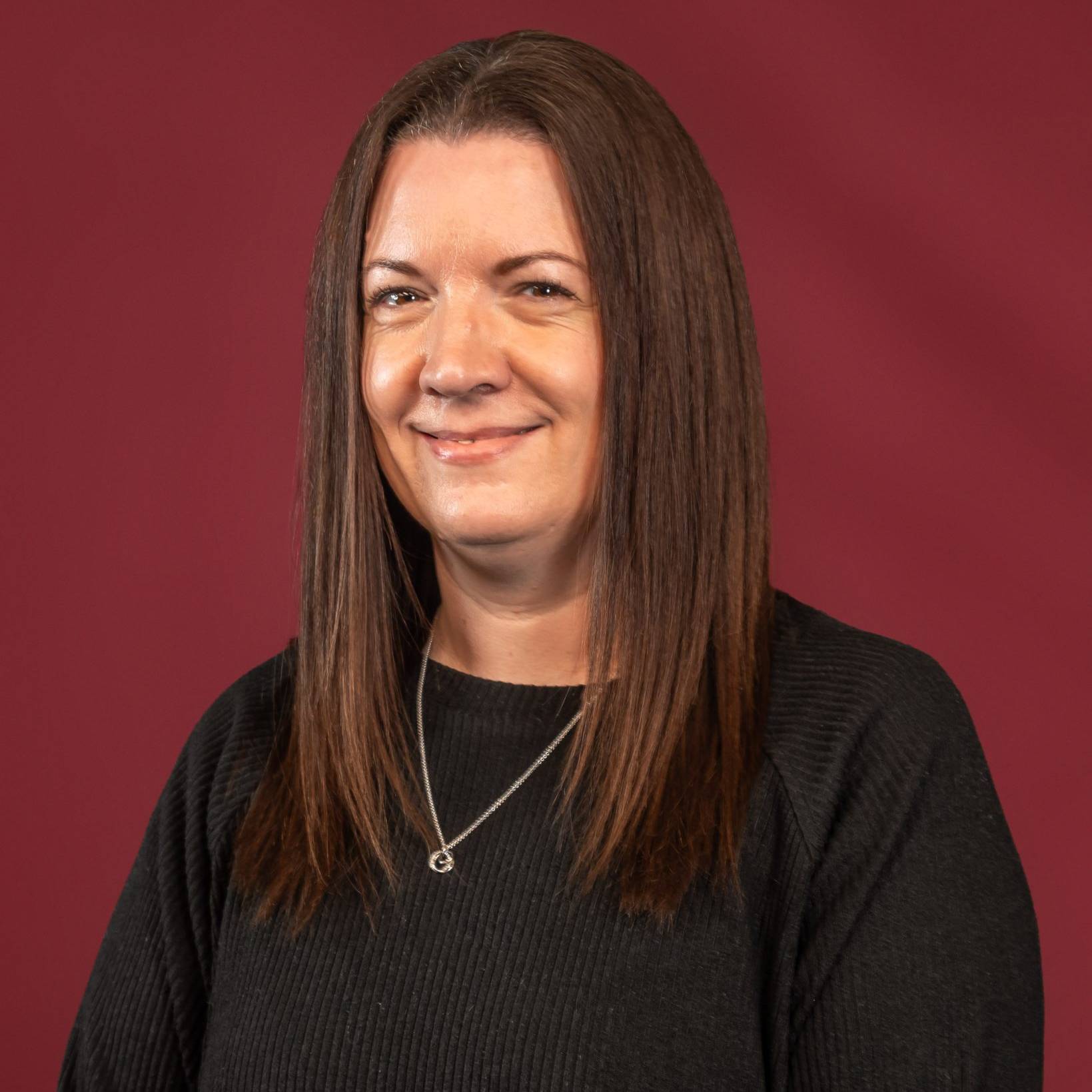
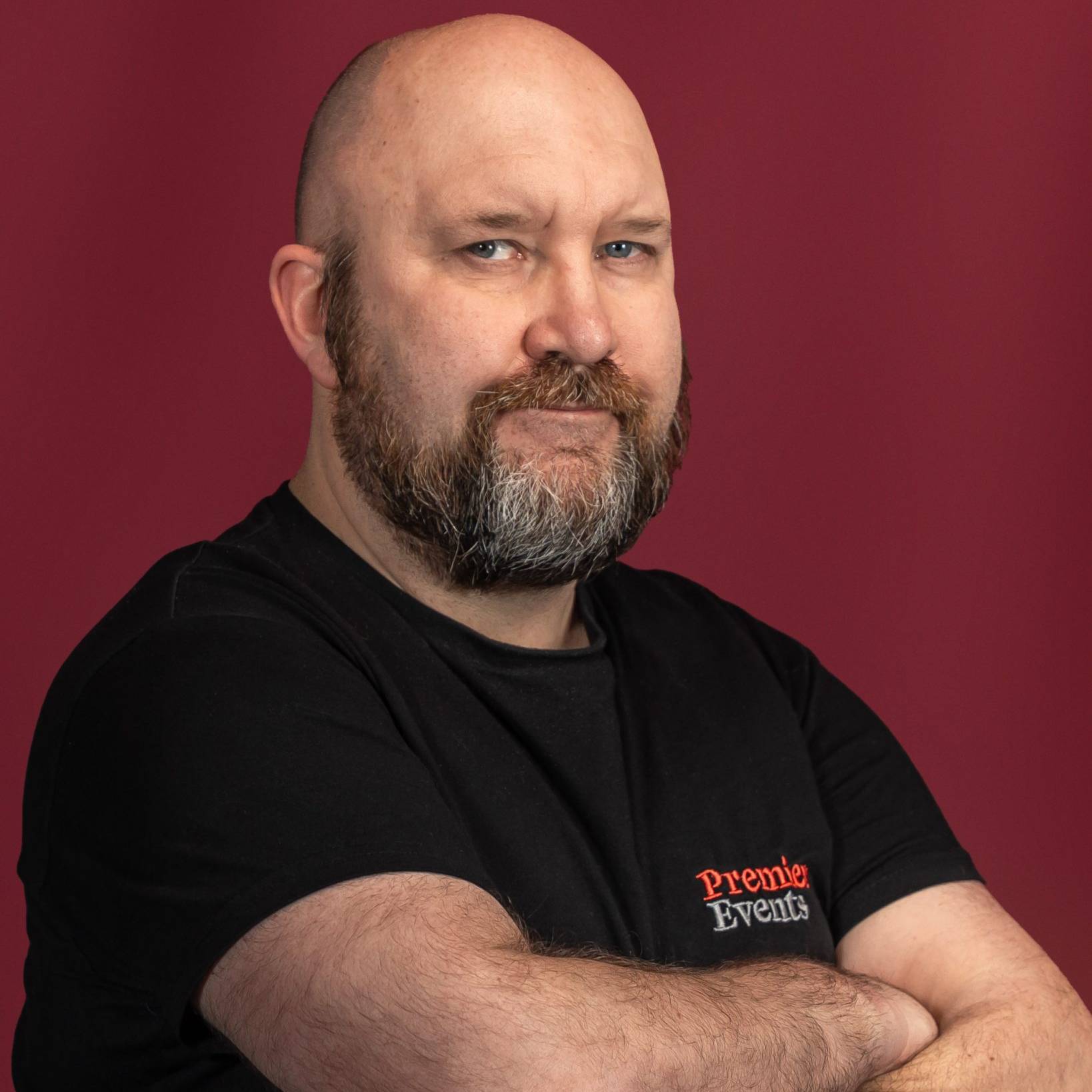
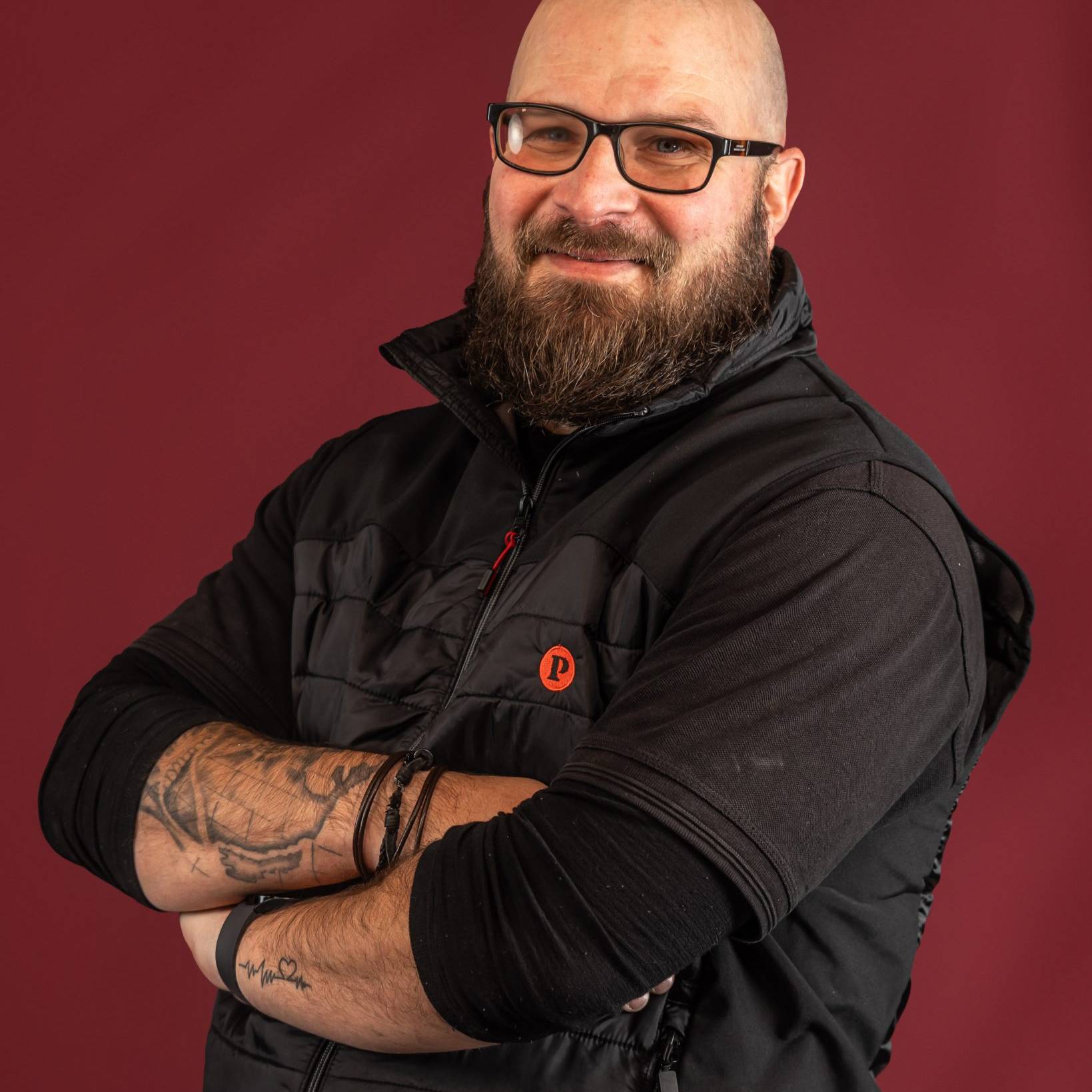
These are our people - the production managers, technicians, show-callers and crew who plan your event and run the room on the night. The same team from first site visit to final cue.





What We've Been Up To.
A look at the events we've delivered, the brief, the build, and how it ran on the night. Worth a read.