The Rundown
Topics: Projection Mapping, Event Technology | 3 min read
Projection mapping turns everyday objects into a canvas for video and digital content - buildings, cars, retail windows, or almost any surface with a shape worth working with.
Unlike standard projection onto a flat screen, mapping uses software to align the image with the contours of the object underneath. The result is content that appears to belong to the object rather than sit in front of it.
That is what makes it powerful, and also what makes it demanding. Everything from content creation to projector placement has to be built around one specific surface.
Here is what a mapping setup involves, and why the effect lands the way it does.
What It Is
The Principle
Projection mapping brings the scale and impact of large-format video to surfaces that were never designed to carry it.
Standard projection throws a rectangle onto a flat screen. Mapping instead reads the geometry of the object and warps the content to match, so windows, ledges, columns and recesses all become part of the composition.
Understanding the Space
Everything starts with the object itself. What are its dimensions, its shape, its features?
Just as important: what is in the way, and where will people be standing? Obstacles, viewing angles and sightlines all constrain what is achievable, and they are far cheaper to resolve on paper than on site.
Content Creation
Once the space is understood, the content can be built. That might be abstract visual effects, narrative storytelling, or brand messaging.
The critical point is that content must be made specifically for the shape it is going onto. Generic video stretched across a facade looks exactly like generic video stretched across a facade. Content designed to the geometry is what produces the illusion.
This is why mapping cannot be treated as a late addition. The content and the survey have to happen together.
Equipment and Setup
Projection Equipment
You need projectors and lenses capable of delivering bright, clear images onto the chosen surface.
How many, and of what type, depends entirely on the size and complexity of the setup. A large or wrapped surface needs multiple projectors blended together; a single face may need only one, provided it is bright enough for the ambient conditions.
Media Server and Software
A media server is a powerful computer that stores and controls the content, running specialist software to map it onto the surface.
Industry standards include Disguise and d3. Resolume is a more accessible option and perfectly capable for many jobs.
The software is where the warping, blending and playback all live, and it is the part that turns a set of projectors into a single coherent image.
Installation and Expertise
Mapping is technically involved. It calls for rigging and hanging projectors safely, calibrating and aligning multiple units, and programming both the mapping and the playback.
Testing and Refining
Time on site matters. Adjusting projector position and settings, fine-tuning the mapping, and accounting for ambient light and viewing angles is what separates a good result from an approximate one.
Build that time into the schedule rather than assuming the setup will land first attempt.
Why It Works
Making Static Things Move
Mapping is popular for events and installations because it makes static objects come alive.
With considered design and well-made content, it can create the illusion of movement, depth and transformation within the object itself.
A building can appear to crumble and rebuild. A car can seem to drive away. A plain block of wood can become a shifting sculpture.
Why the Illusion Holds
It works because the brain already knows the shape of the object it is looking at. When light behaves as though that shape is changing, the effect is far more convincing than the same content on a screen.
That is also why the alignment has to be precise. A few centimetres of drift and the illusion collapses into obvious projection.
Where It Suits
Product launches, building facades, exhibition stands, retail windows and immersive installations all lend themselves to it.
It is less suited to bright environments or surfaces with heavy texture or dark colour, both of which absorb the light you are trying to work with.
Talk to Us
Premier Live delivers projection mapping across live events, exhibitions and installations. Get in touch early - the sooner we see the surface, the more we can do with it.
Tell us about your event.
Fill in the form and we'll come back to you quickly, not with a generic auto-reply, but with something useful.
Prefer a call? Book a 20-minute discovery call at a time that suits you.
Rather email? info@premier-ltd.com. Or just ring us: 0116 202 9953.
Once we hear from you, we'll set up a quick call to understand your brief properly, no lengthy questionnaires, no sales pitch.
We typically respond within two hours on working days.
EXPERIENCED. DEPENDABLE. HANDS-ON. UNFLAPPABLE
The people behind Premier Live
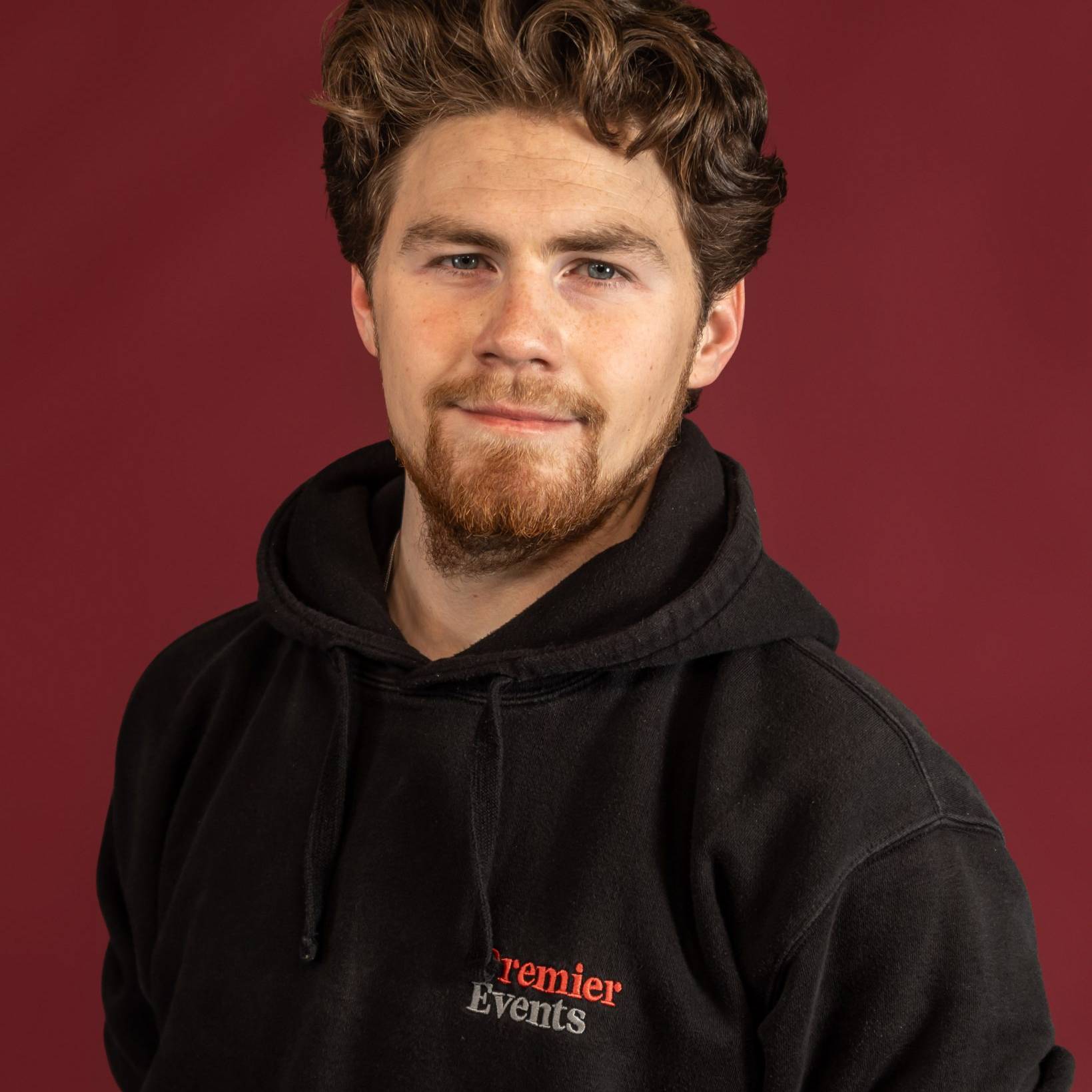
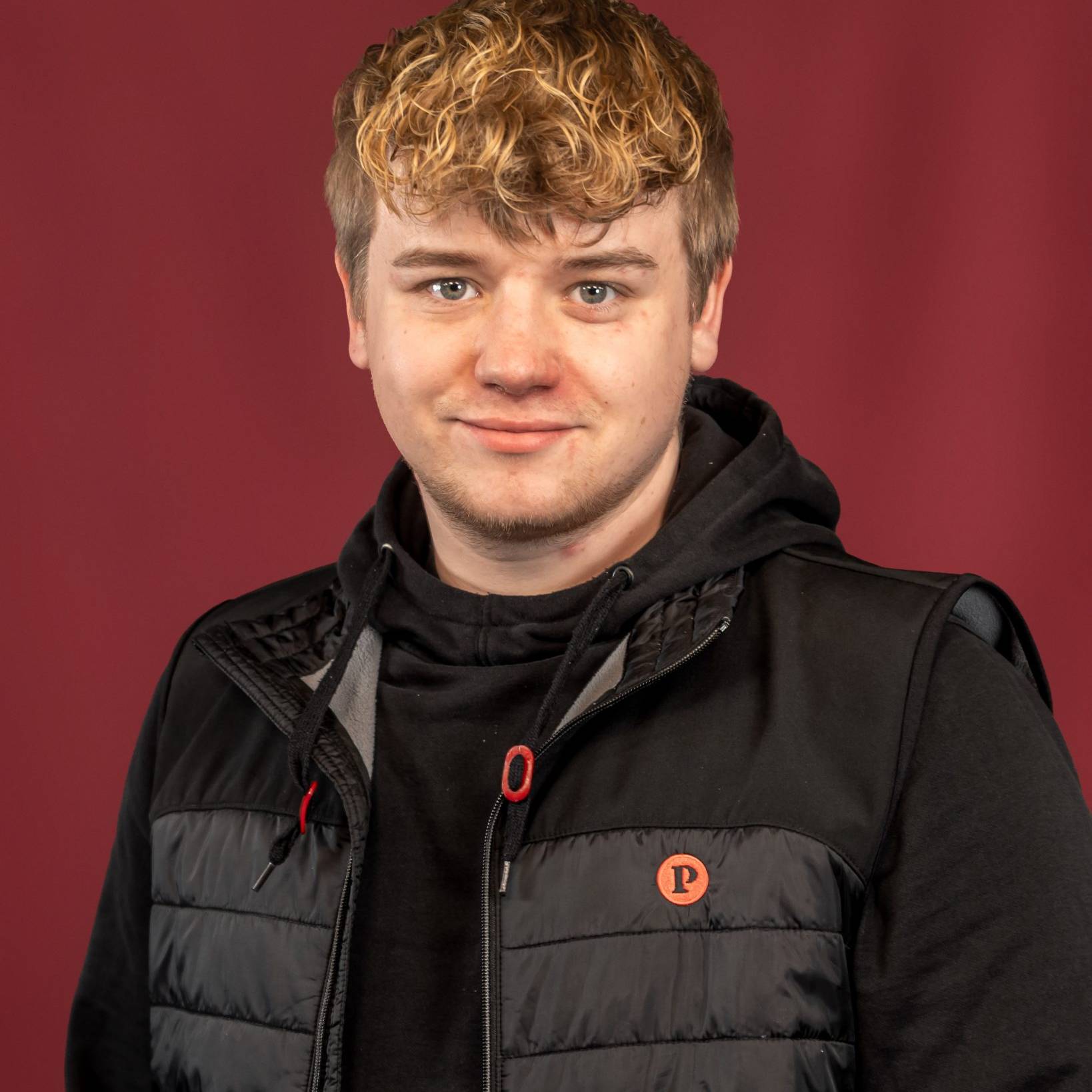
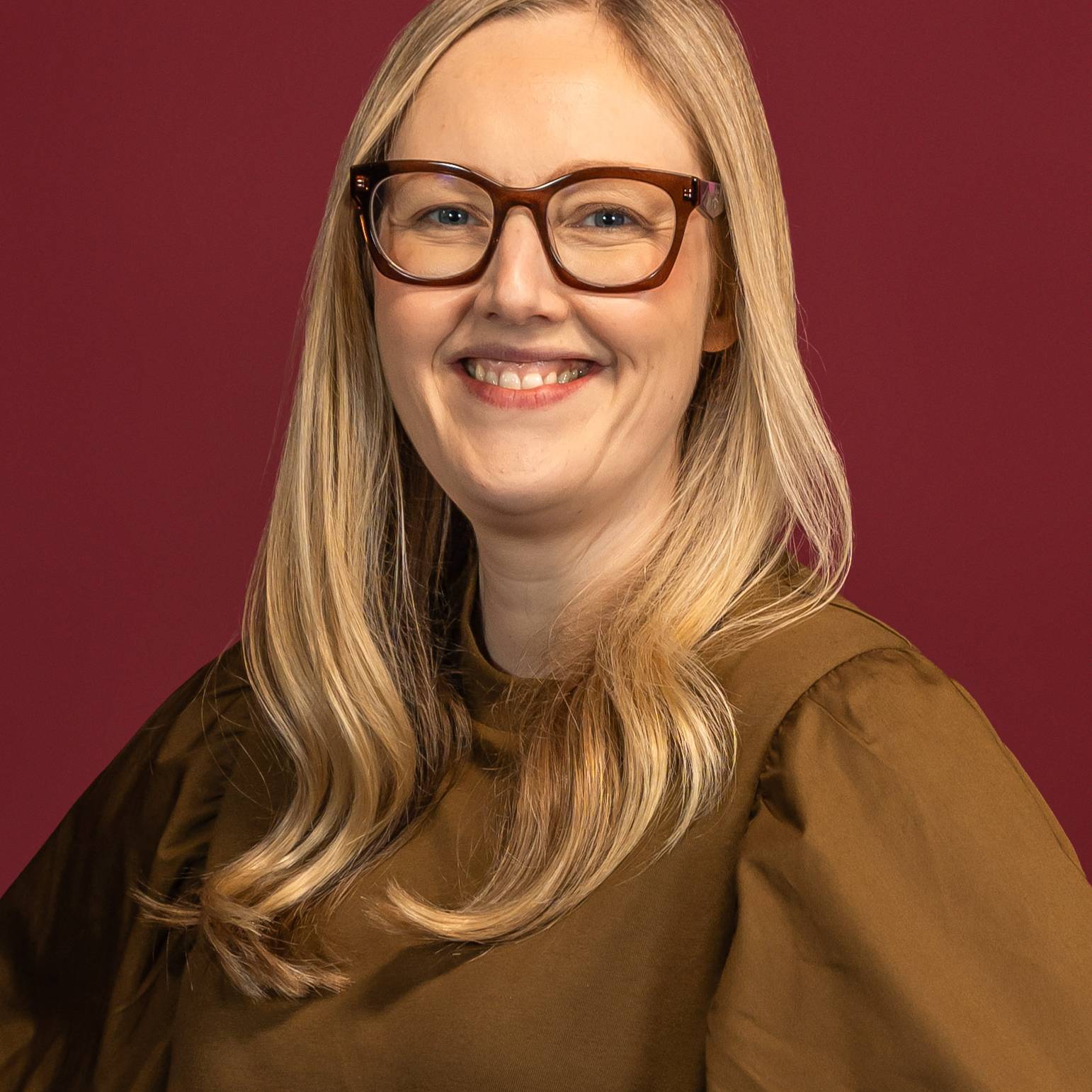
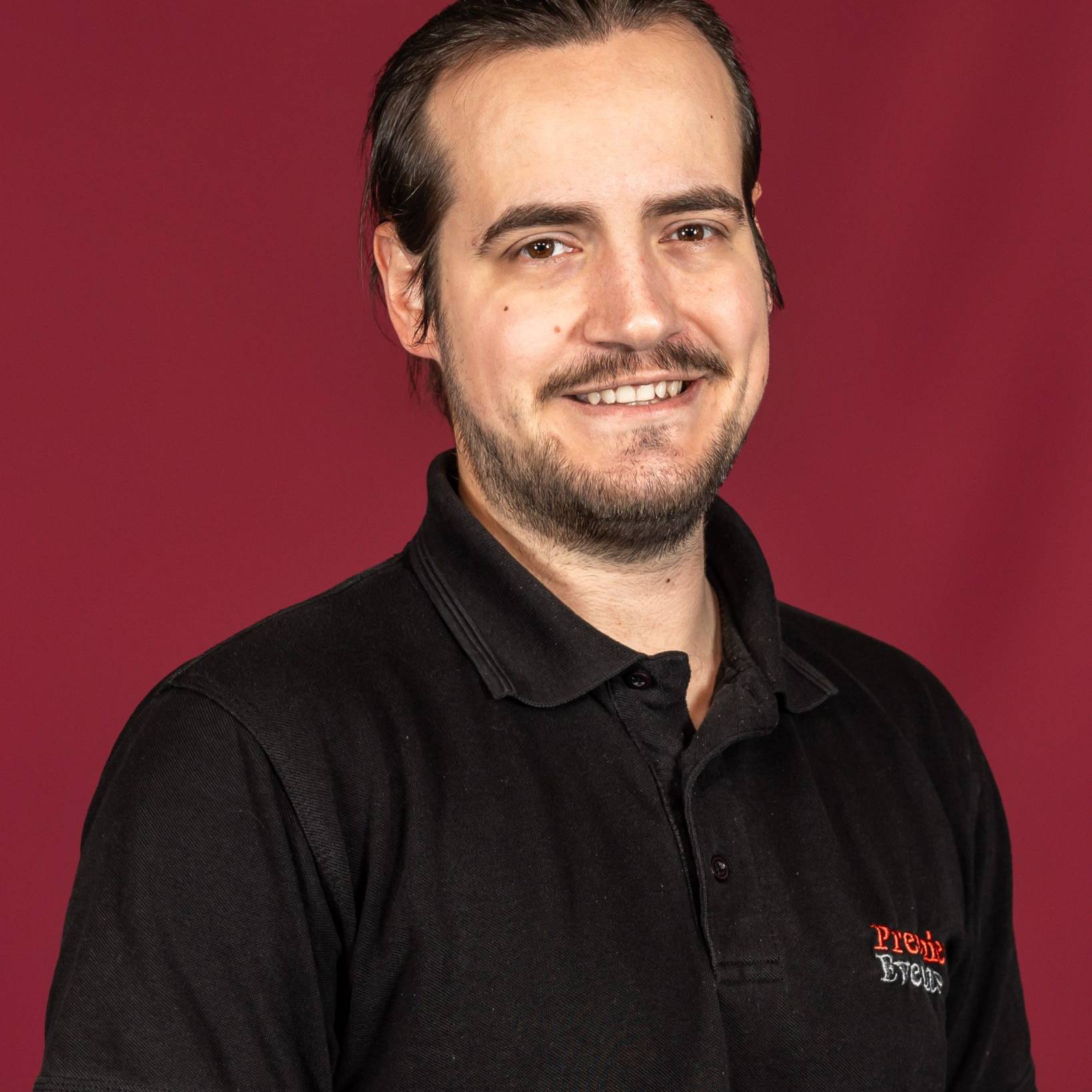
These are our people - the production managers, technicians, show-callers and crew who plan your event and run the room on the night. The same team from first site visit to final cue.













What We've Been Up To.
A look at the events we've delivered, the brief, the build, and how it ran on the night. Worth a read.