The Rundown
Topics: LED Walls, Projection, Video | 2 min read
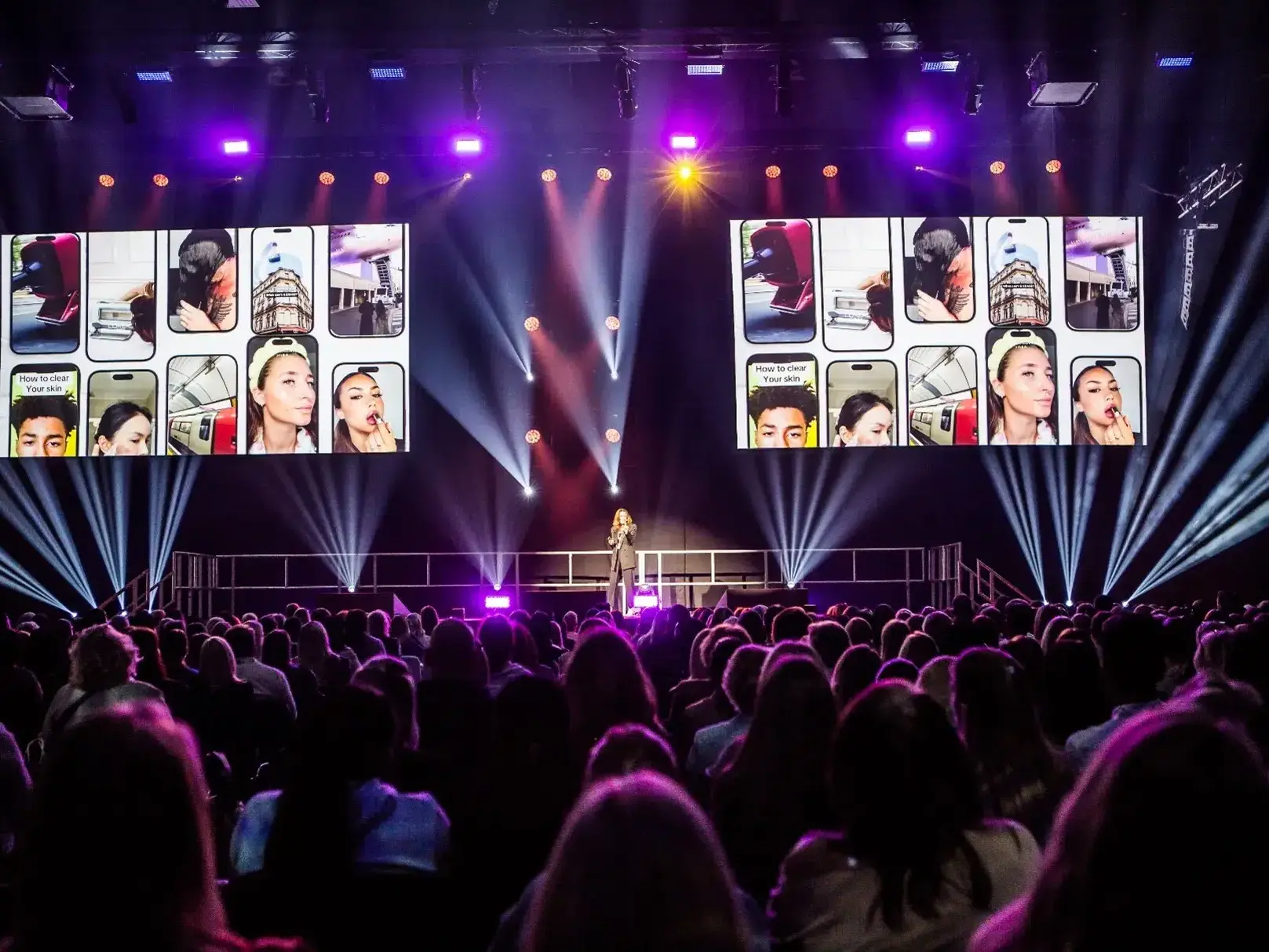
LED walls and projection screens are both common ways of displaying visual content at events. Most people arrive with a preference, but it is worth understanding what each actually does well.
An LED wall is built from individual light-emitting diodes that produce their own light and colour, much like the television at home. A projection screen uses a projector to throw a beam of light onto a surface, as a cinema does.
That one difference - emitting light versus reflecting it - drives almost everything else: brightness, ambient light tolerance, power draw, weight and cost.
Here is how they compare across the factors that decide most events.
Brightness and Size
Brightness
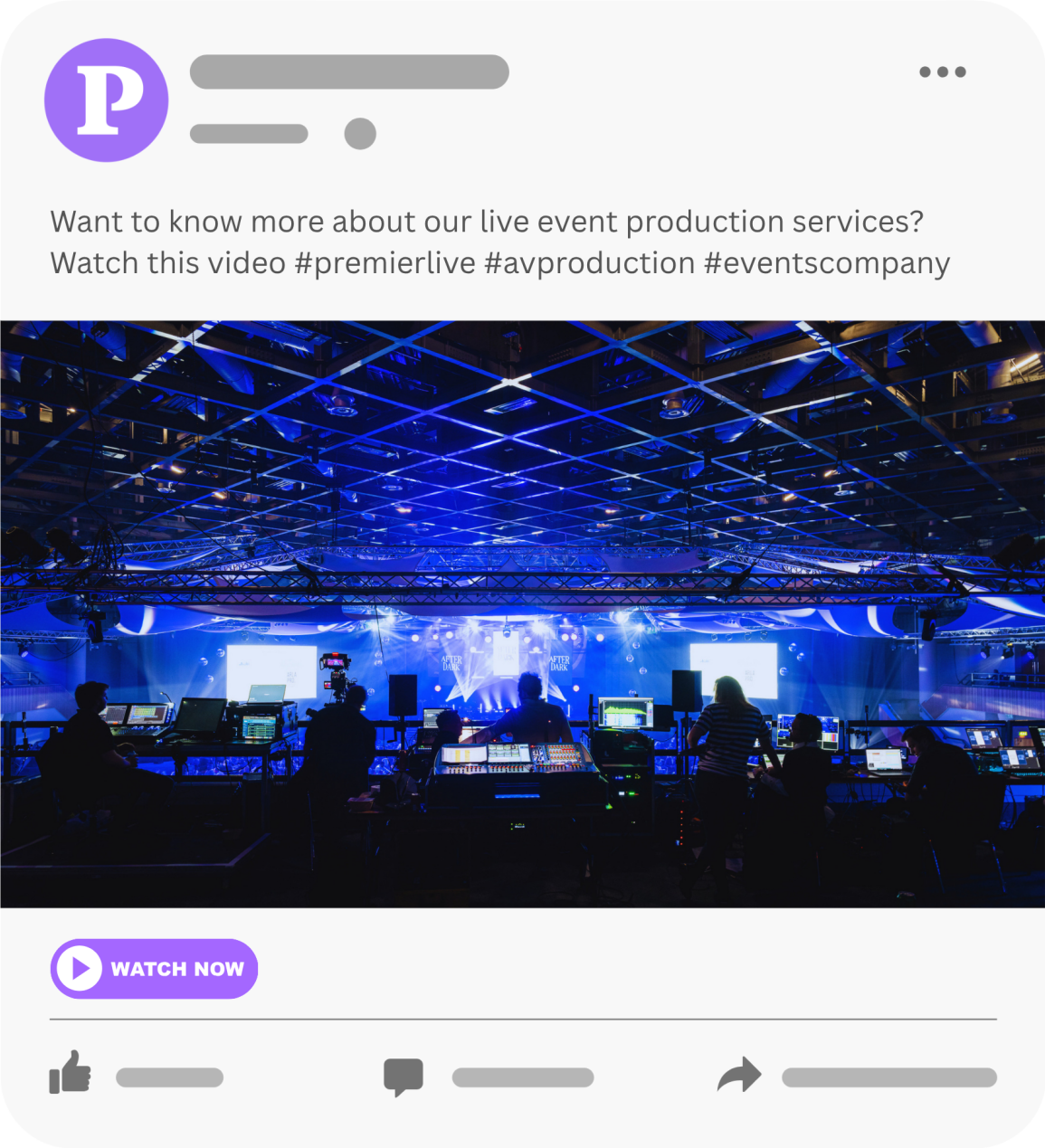
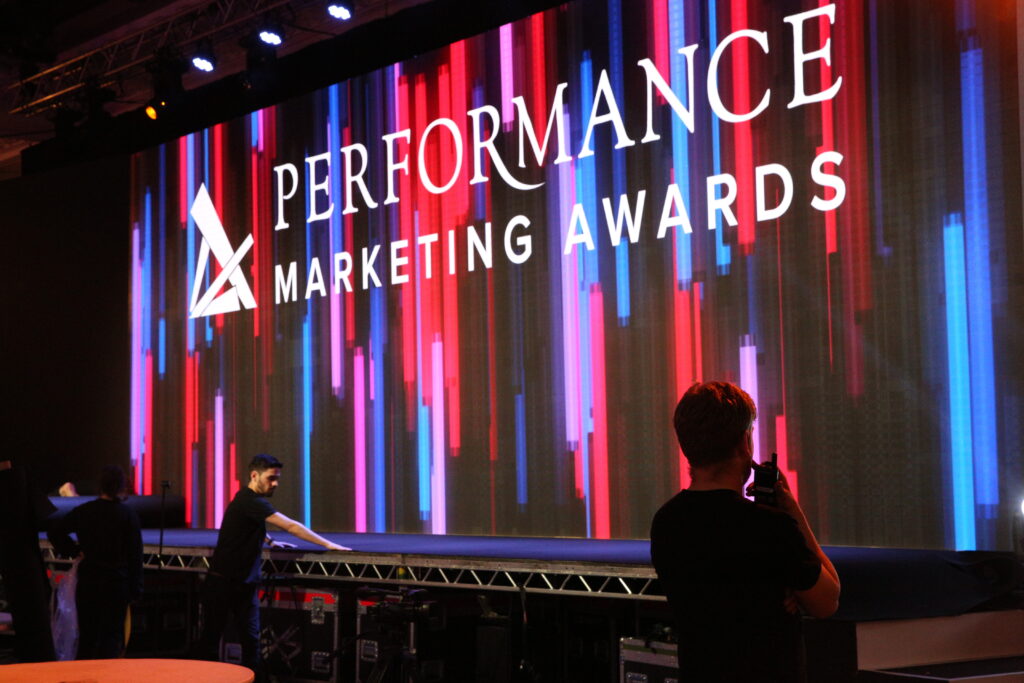
LED walls are considerably brighter than projection, which means they hold up under ambient light that would wash a projected image out entirely.
That makes them the natural choice for outdoor events, trade shows, and any room with significant daylight or heavy stage lighting.
Projection needs control of the light in the room. Where you can darken a space, it performs beautifully. Where you cannot, no amount of projector output fully compensates.
Size and Shape
LED walls are modular. Panels assemble into a wide variety of sizes and shapes to suit the design, and the wall can be as large as the budget and the rigging allow.
Projection is constrained differently. Image size depends on the projector and the throw distance available between it and the screen, so the room dictates the maximum.
In venues with limited depth, that constraint bites quickly - and rear projection, which solves the shadow problem, needs even more space behind the screen.
Viewing Angles
LED has a wide viewing angle, so content reads clearly from across the room.
Projection can lose contrast and brightness at oblique angles, particularly where the screen is not mounted at the right height for the audience.
Power and Weight
Power
An LED wall generally draws considerably more electricity than a projector, though this varies with projector size and brightness.
On a large or high-resolution wall that difference is significant, and some venues genuinely cannot supply it. This is worth checking against the venue's power spec at design stage rather than on the build day.
Weight and Rigging
LED walls are heavy and need proper rigging - either flown from the ceiling or ground-stacked with enough structure to stay upright.
Depending on the venue, that means rigging points, load calculations and sometimes a structural sign-off. It is not an obstacle, but it is planning that has to happen early.
Projectors are comparatively light and can be mounted a number of ways, which makes them far more flexible in buildings that were never designed for production.
Cost
LED walls typically cost more, particularly where high resolution is required.
They also deliver a higher-quality viewing experience, which justifies the difference for plenty of events. The question is whether the room and the content warrant it.
Setup and Reliability
Setup Time
Building an LED wall takes longer and involves more steps. Every panel is assembled, connected and programmed before anything appears on screen.
A projection setup is quicker - rig, focus, align.
That difference shows up in crew numbers and in how early you need access to the room.
Maintenance and Failure
LED walls need more maintenance over their lifetime, since individual LEDs fail and need replacing.
But for a single event that is rarely a show stopper. A dead pixel is a cosmetic issue; a failed projector lamp is a blank screen.
That asymmetry matters. LED tends to degrade gracefully, projection tends to fail completely - which is why projected shows usually carry a backup unit.
Making the Choice
Both have genuine advantages, and the right answer depends on the specific needs and budget of the event.
Weigh brightness, resolution, size, cost, setup time and viewing angles together rather than deciding on any one of them.
If the room is bright, the audience is wide, or the content is the centrepiece, LED usually wins. If the space is dark, the budget is tight, or the venue cannot take the weight or the power, projection remains an excellent answer.
For advice on the right screen for your event, get in touch with Premier Live on 0116 202 9953.
Tell us about your event.
Fill in the form and we'll come back to you quickly, not with a generic auto-reply, but with something useful.
Prefer a call? Book a 20-minute discovery call at a time that suits you.
Rather email? info@premier-ltd.com. Or just ring us: 0116 202 9953.
Once we hear from you, we'll set up a quick call to understand your brief properly, no lengthy questionnaires, no sales pitch.
We typically respond within two hours on working days.
EXPERIENCED. DEPENDABLE. HANDS-ON. UNFLAPPABLE
The people behind Premier Live
These are our people - the production managers, technicians, show-callers and crew who plan your event and run the room on the night. The same team from first site visit to final cue.























What We've Been Up To.
A look at the events we've delivered, the brief, the build, and how it ran on the night. Worth a read.