The Rundown
Topics: Rigging, Exhibitions | 3 min read
Whether you are planning a stand at the NEC or a conference at ExCeL, you will come up against rigging - and a vocabulary that assumes you already understand it.
That is an awkward position for an event organiser. You are asked to book rigging points before you have been told what one is, and to sign off costs on equipment you cannot picture.
This is a plain-language guide to the terms you will meet and what to watch for. It is deliberately non-exhaustive - enough to make you a more informed client, not enough to make you a rigger.
If you want to go further, there are good courses available both online and in person.
Points and Hoists
Rigging Points
When booking an exhibition stand or venue space, you will be asked how many rigging points you need.
A rigging point is a single position in the ceiling from which equipment can be hung. They are generally used in pairs or groups, because most things need suspending at more than one place.
Some venues have points in fixed positions. Most large exhibition halls let you choose exactly where you want yours, which means the rigging plan needs to exist before you book them.
Hoists
A hoist attaches to a rigging point and lets you raise and lower what is suspended from it. They are either manual or motorised, and the motorised version is usually just called a motor.
They are classified by maximum load - 500kg, 1T and so on.
Motors need three-phase power, which adds cost to your stand. On larger builds they are generally unavoidable: without them you cannot get the structure to height, or bring it back down to work on it.
Budget for the power as well as the motors.
Truss and Ground Support
Truss
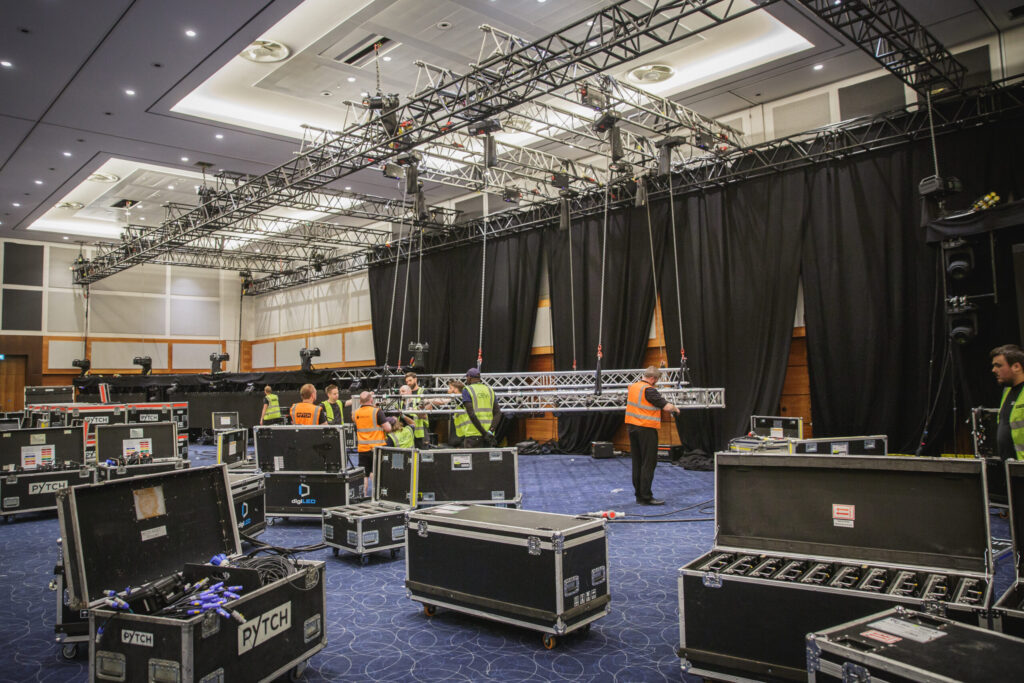
Truss is latticework aluminium tubing, and it is the structural backbone of most overhead rigging.
It comes in an enormous range of lengths, cross-sections and connection types, with accessories that allow almost any configuration.
The simplest use is a span - one length suspended between two points. Most exhibition stands go further, building grids or more complex arrangements overhead.
Truss carries lighting, speakers, banners, video screens and anything else that needs to be above the stand rather than on it.
Ground-Support Rigging
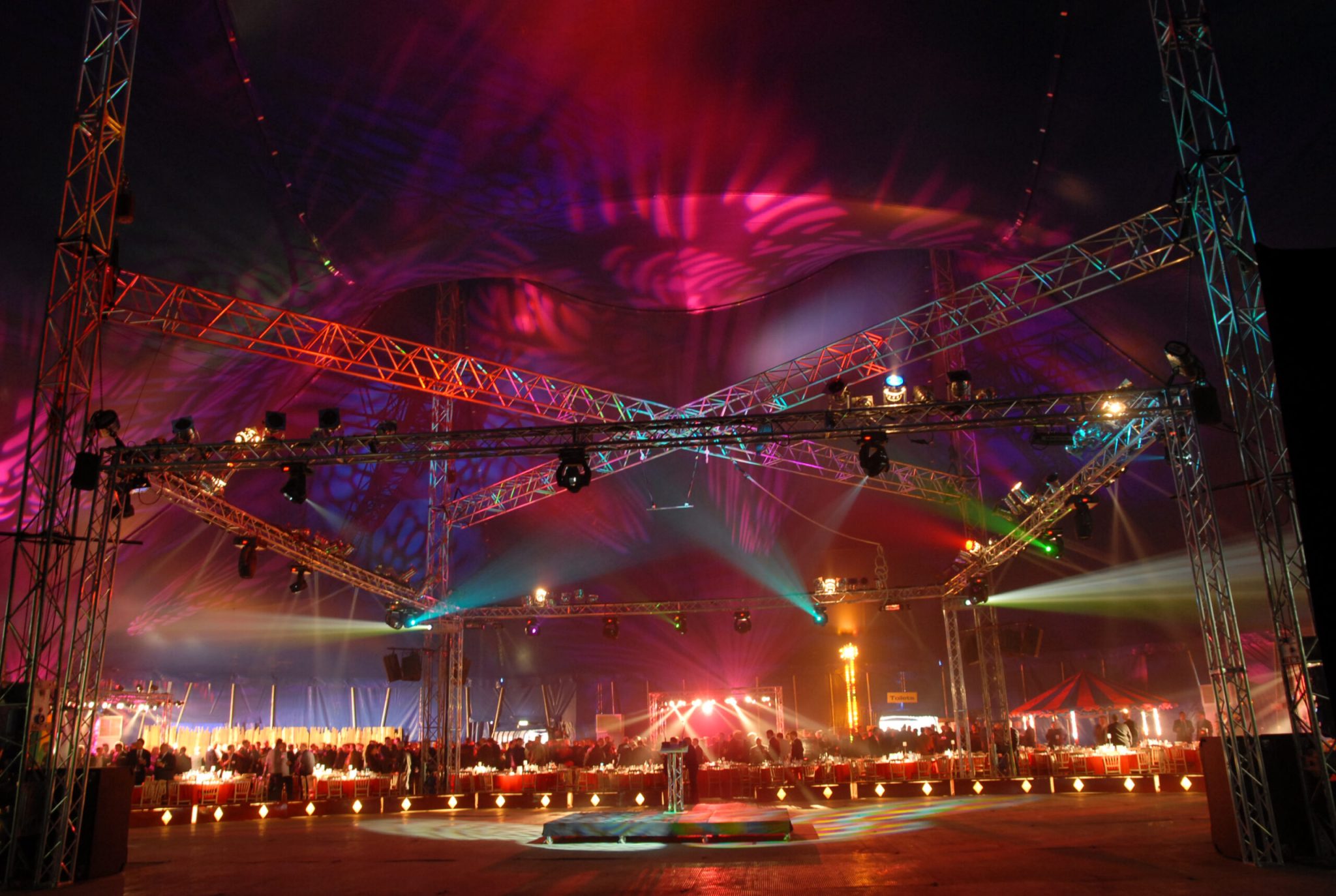
Ground-support rigging is any structure that does not need rigging points, standing instead on legs that reach the floor.
It can be a genuinely cost-effective way to get lighting or branding overhead, because you avoid the cost of both points and hoists.
The compromises are design ones. Options are more limited, and the legs are visible - which sometimes conflicts with the look you are after. On a clean, minimal stand, ground support can be the thing that spoils it.
Access Equipment
Access equipment, MEWP and plant all describe kit that gets a person up to the rigging.
MEWP means Mobile Elevated Work Platform, usually a scissor lift or boom lift. Plant is the colloquial term. Access equipment is broader and includes ladders and scaffold towers.
Check what the venue permits and what floor loadings allow before assuming a lift can be used.
The Rigging Plot
What It Is
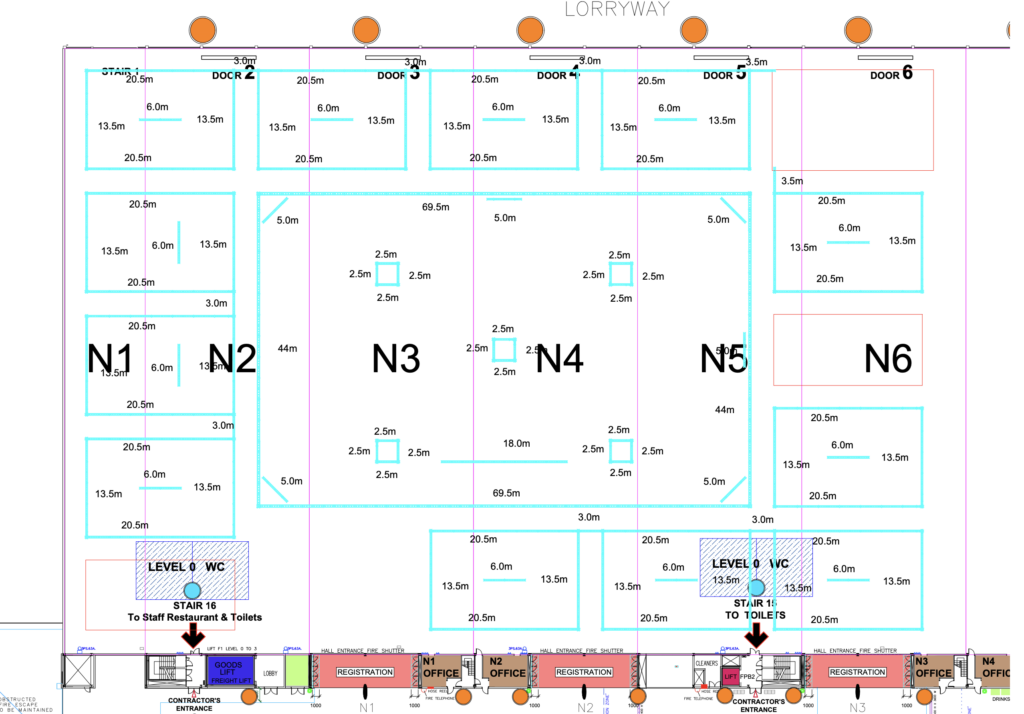
The rigging plot is the drawing, or set of drawings, that tells the rigging team exactly how to install everything.
Usually produced in a CAD program, it carries measurements, weights and the relative positions of every item to be flown.
Why It Matters to You
The plot is where your design becomes a set of loads and coordinates the venue can approve. It is also what determines how many points you need - which is why booking points before the plot exists tends to mean booking the wrong number.
Get the plot produced early enough to inform the booking, not after it.
What to Ask For
Ask who is producing the plot, whether the venue has approved it, and what the total suspended weight is. Ask whether anything needs to move during the show, because that changes motors from optional to essential.
Talk to Us
Premier Live are specialists in exhibition and corporate event rigging. If you need rigging at ExCeL, the NEC, CBS Arena, ICC Wales or another large venue, get in touch and we will talk through your requirements.
Tell us about your event.
Fill in the form and we'll come back to you quickly, not with a generic auto-reply, but with something useful.
Prefer a call? Book a 20-minute discovery call at a time that suits you.
Rather email? info@premier-ltd.com. Or just ring us: 0116 202 9953.
Once we hear from you, we'll set up a quick call to understand your brief properly, no lengthy questionnaires, no sales pitch.
We typically respond within two hours on working days.
EXPERIENCED. DEPENDABLE. HANDS-ON. UNFLAPPABLE
The people behind Premier Live
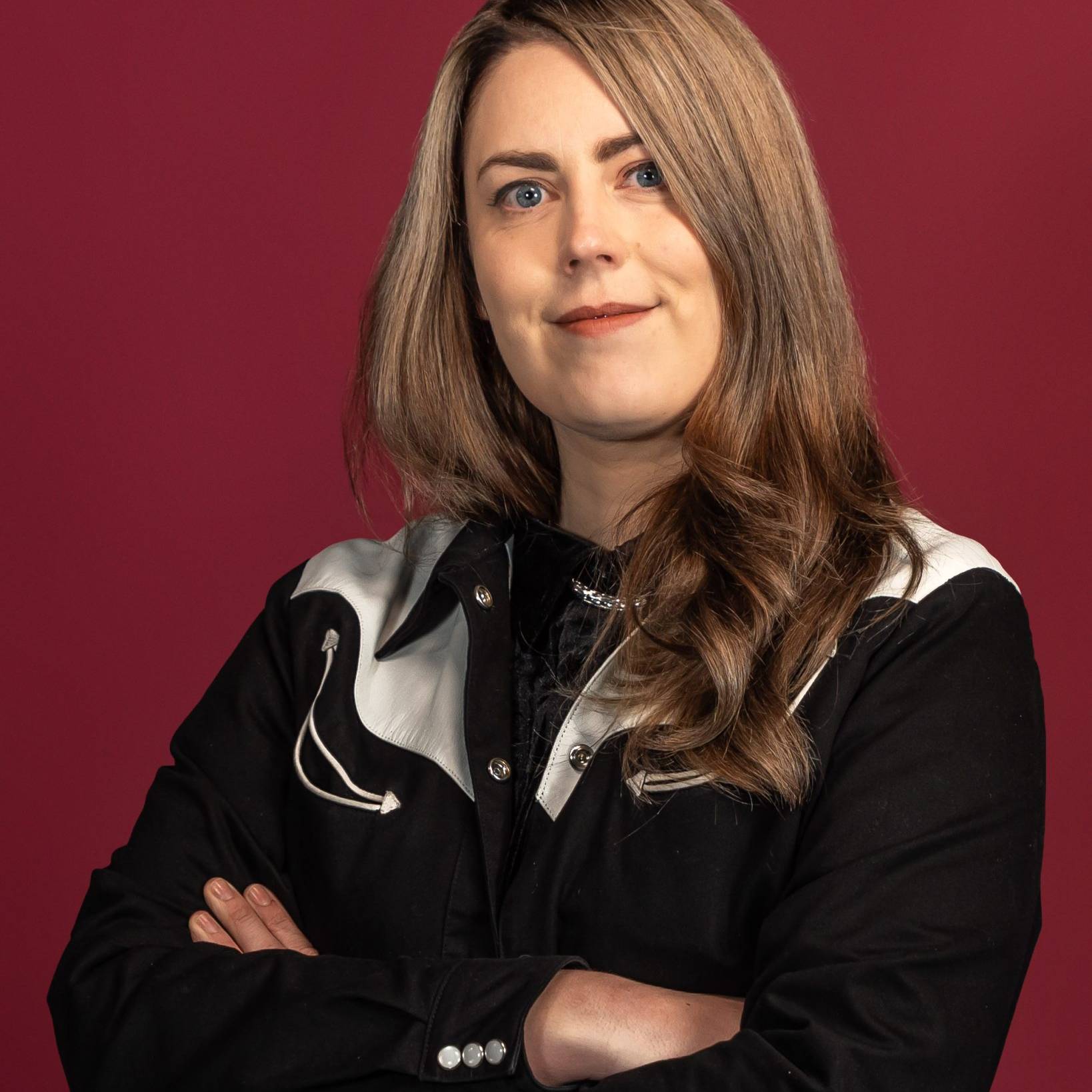
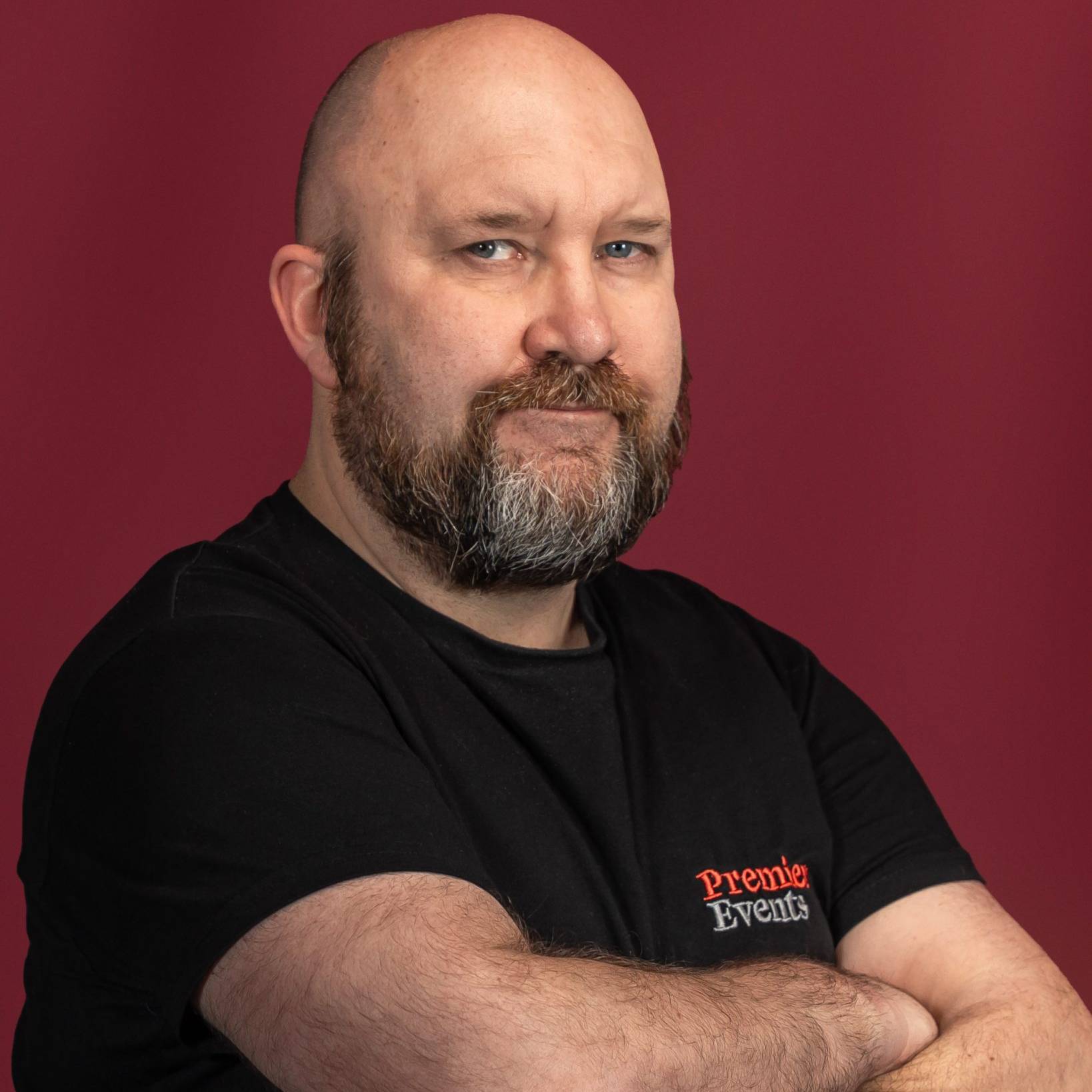
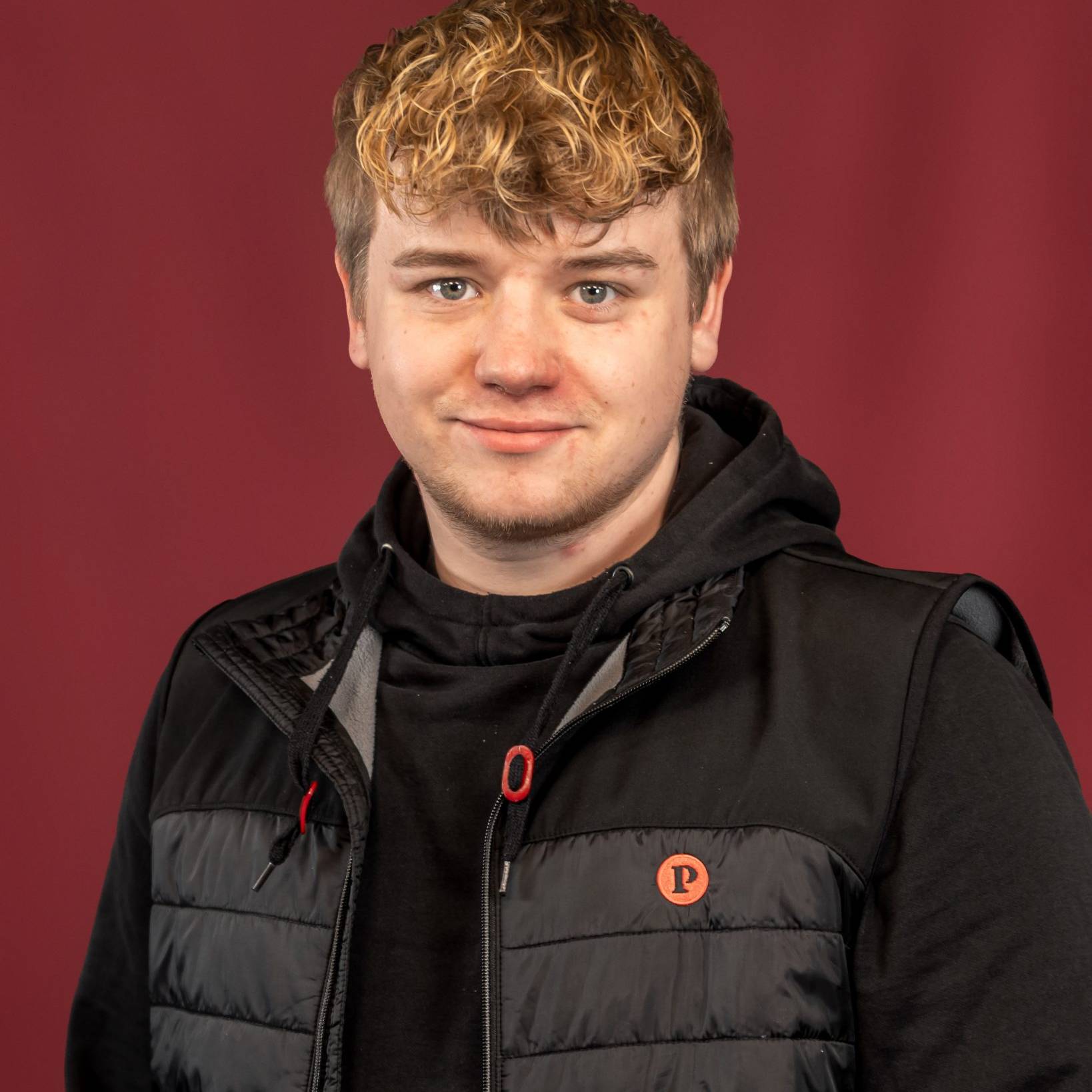
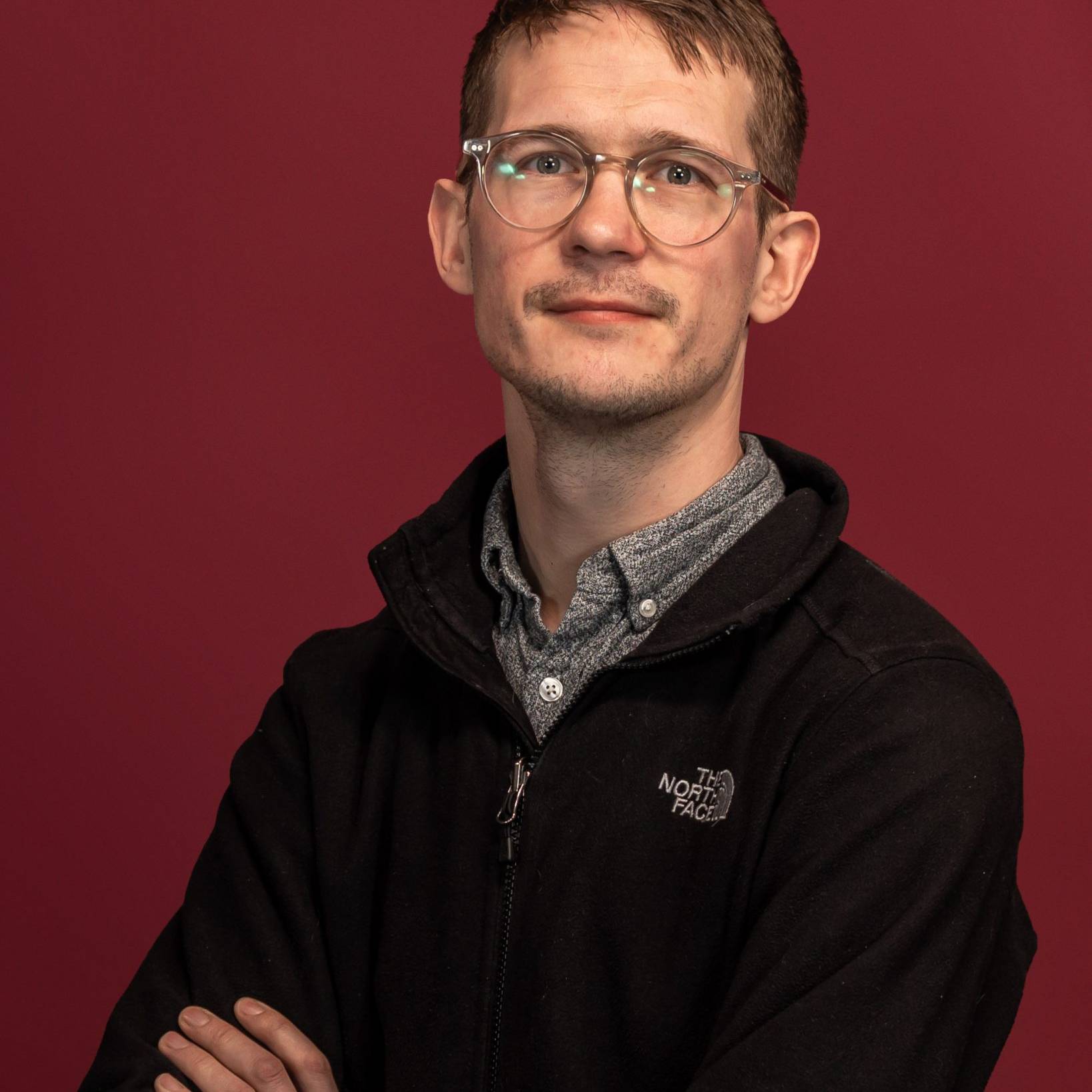
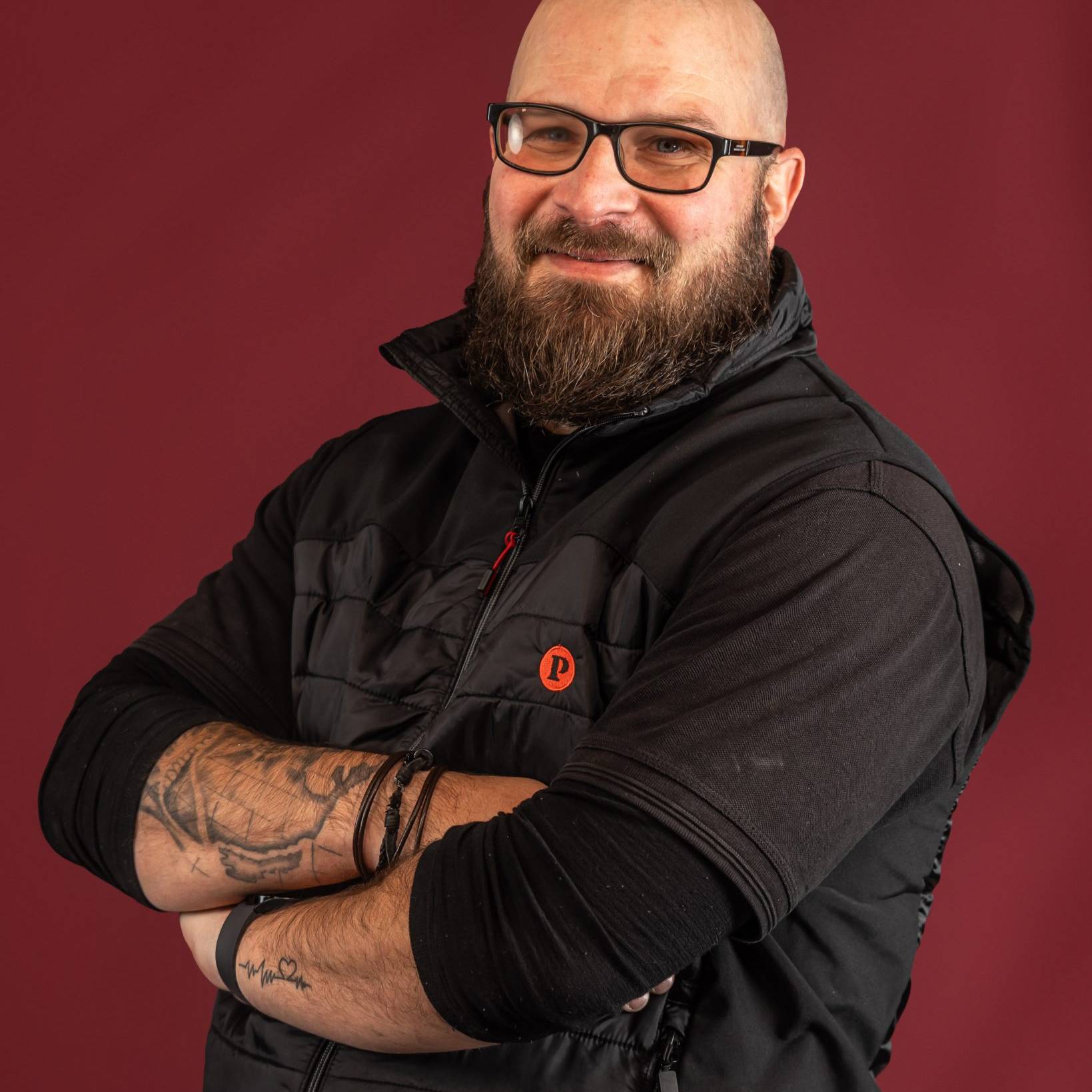
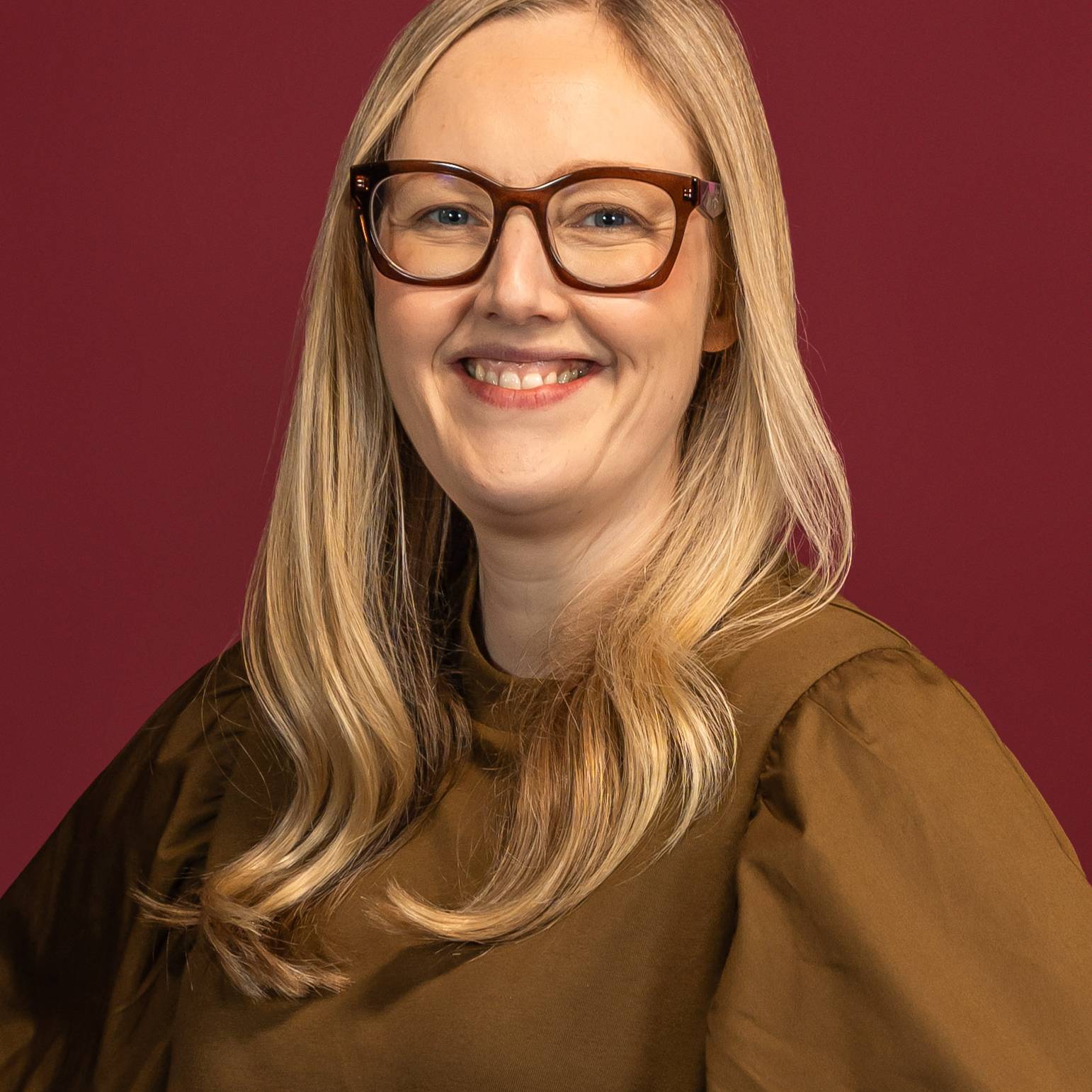
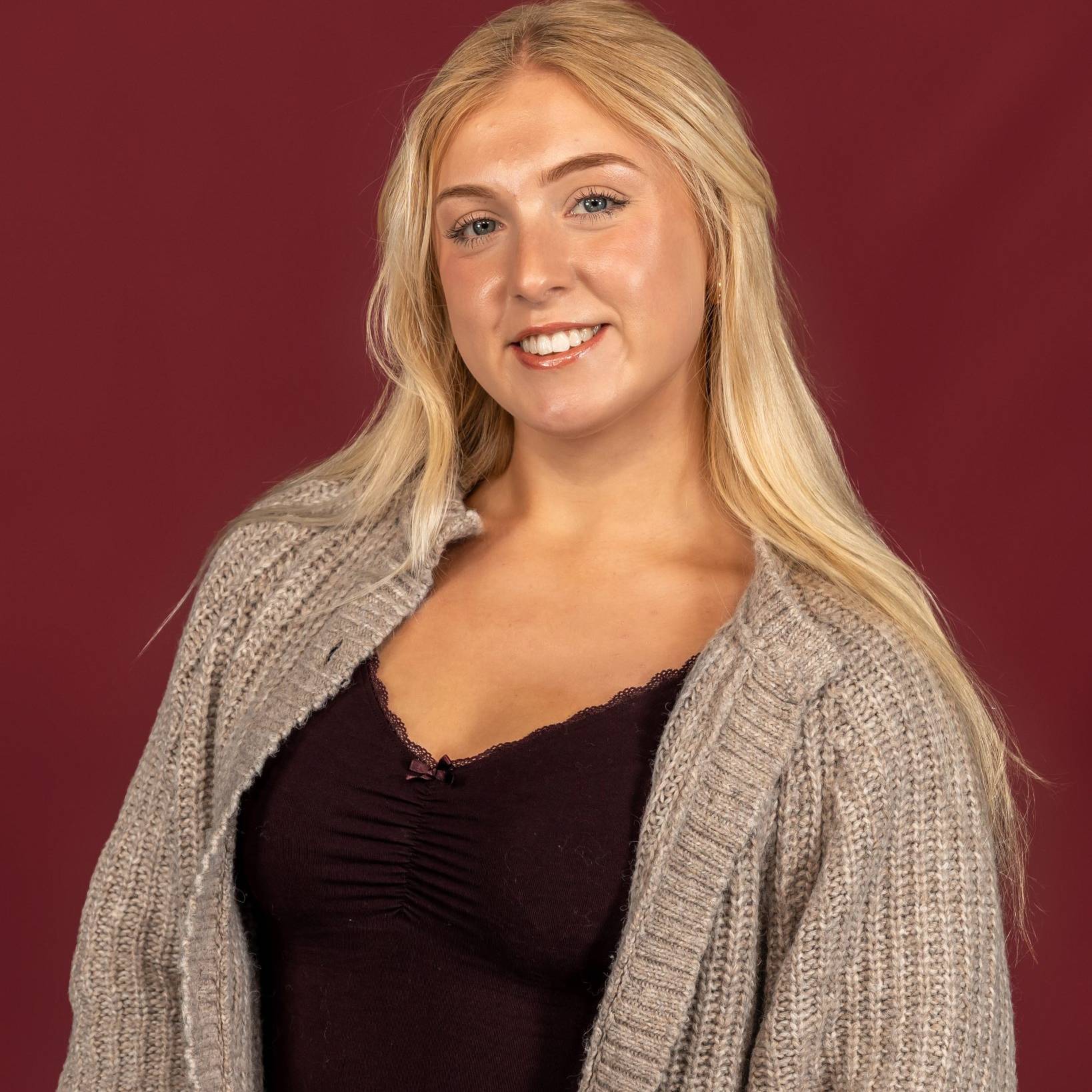
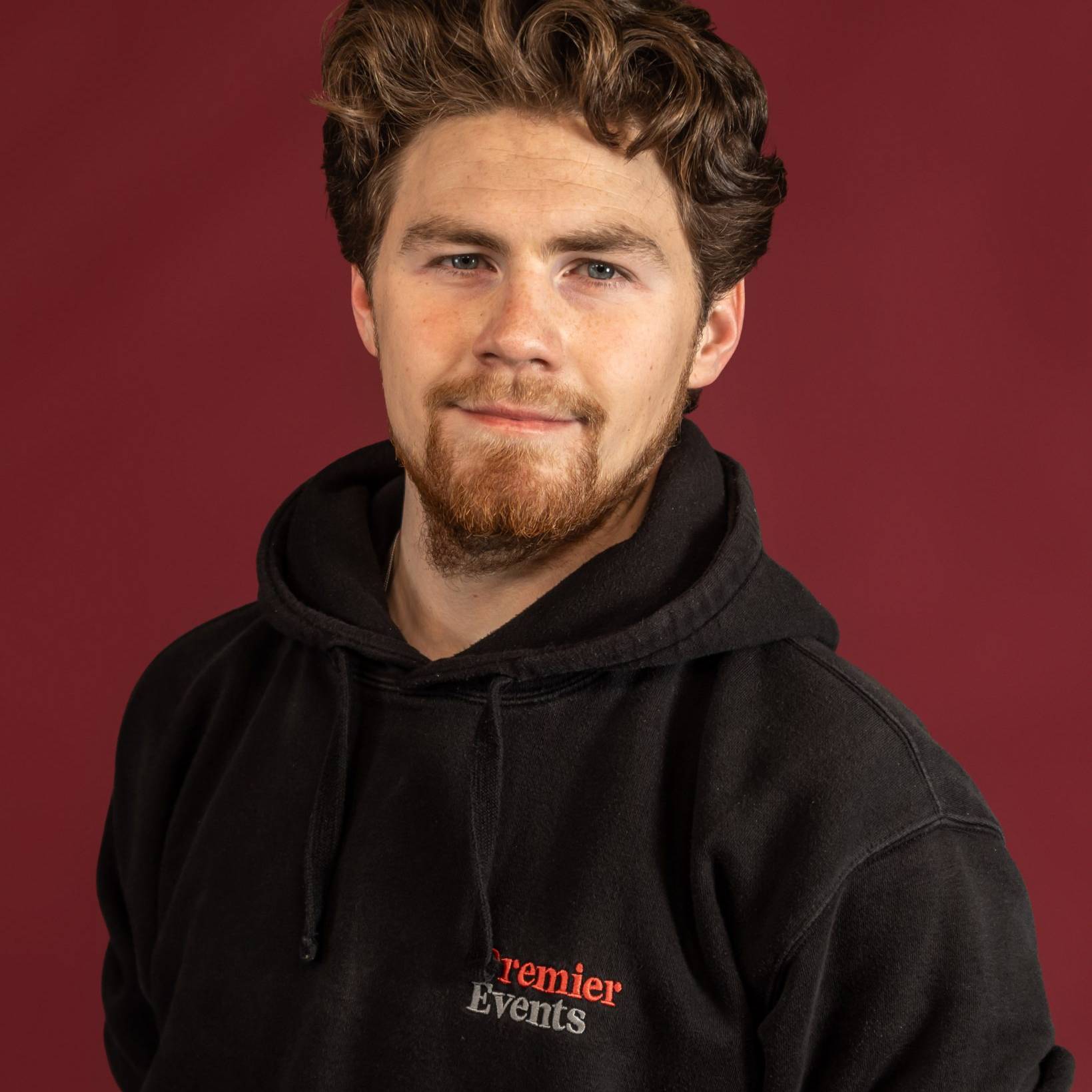
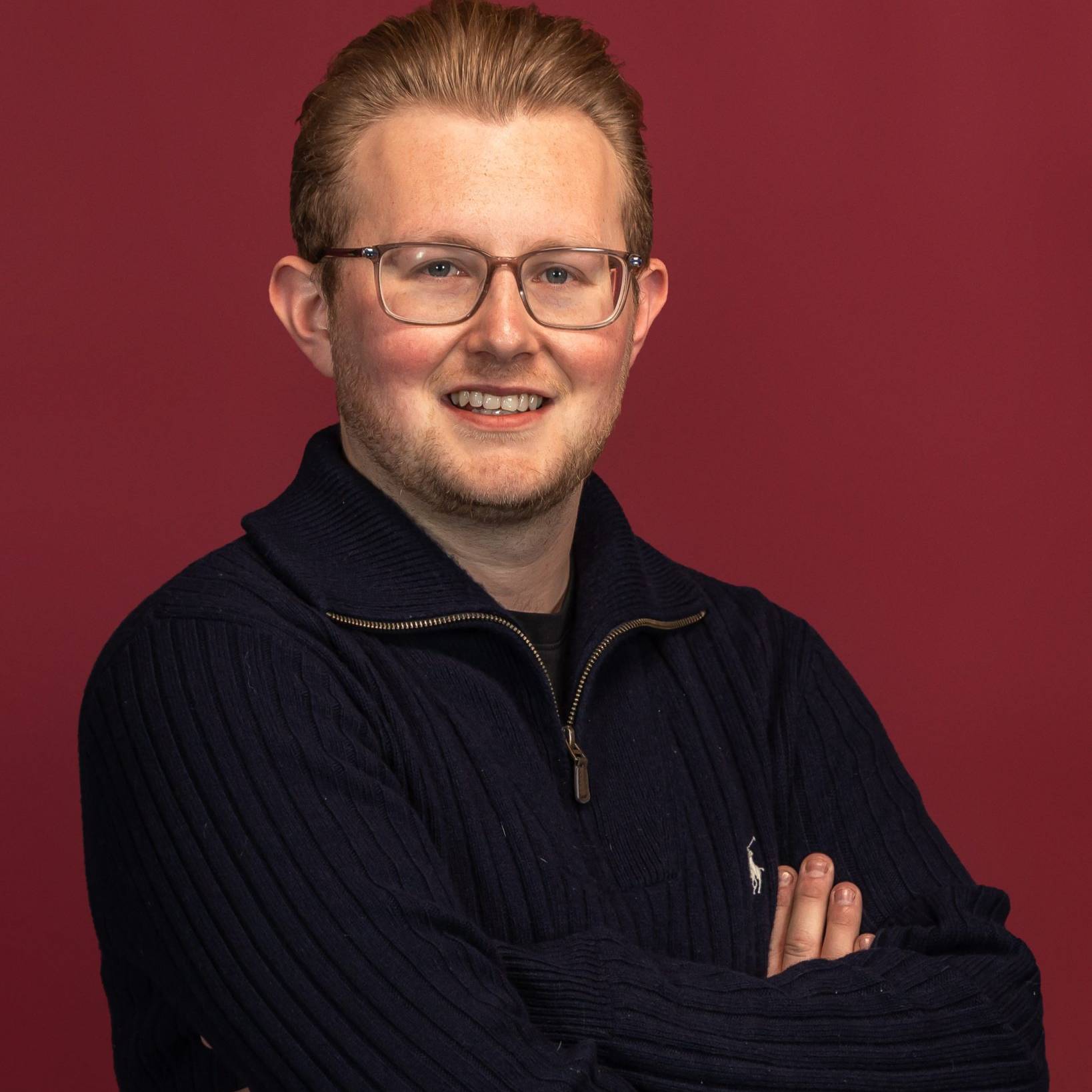
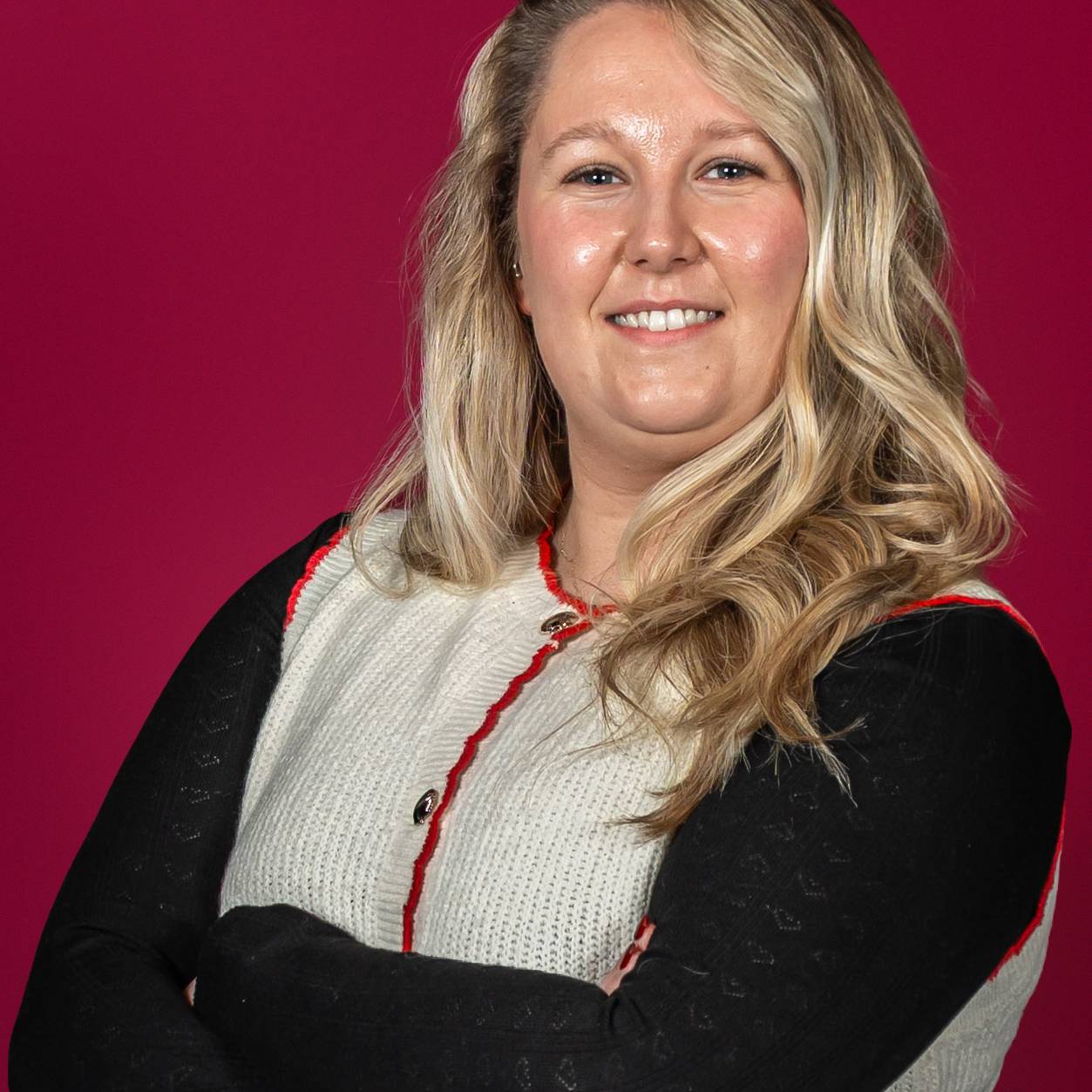
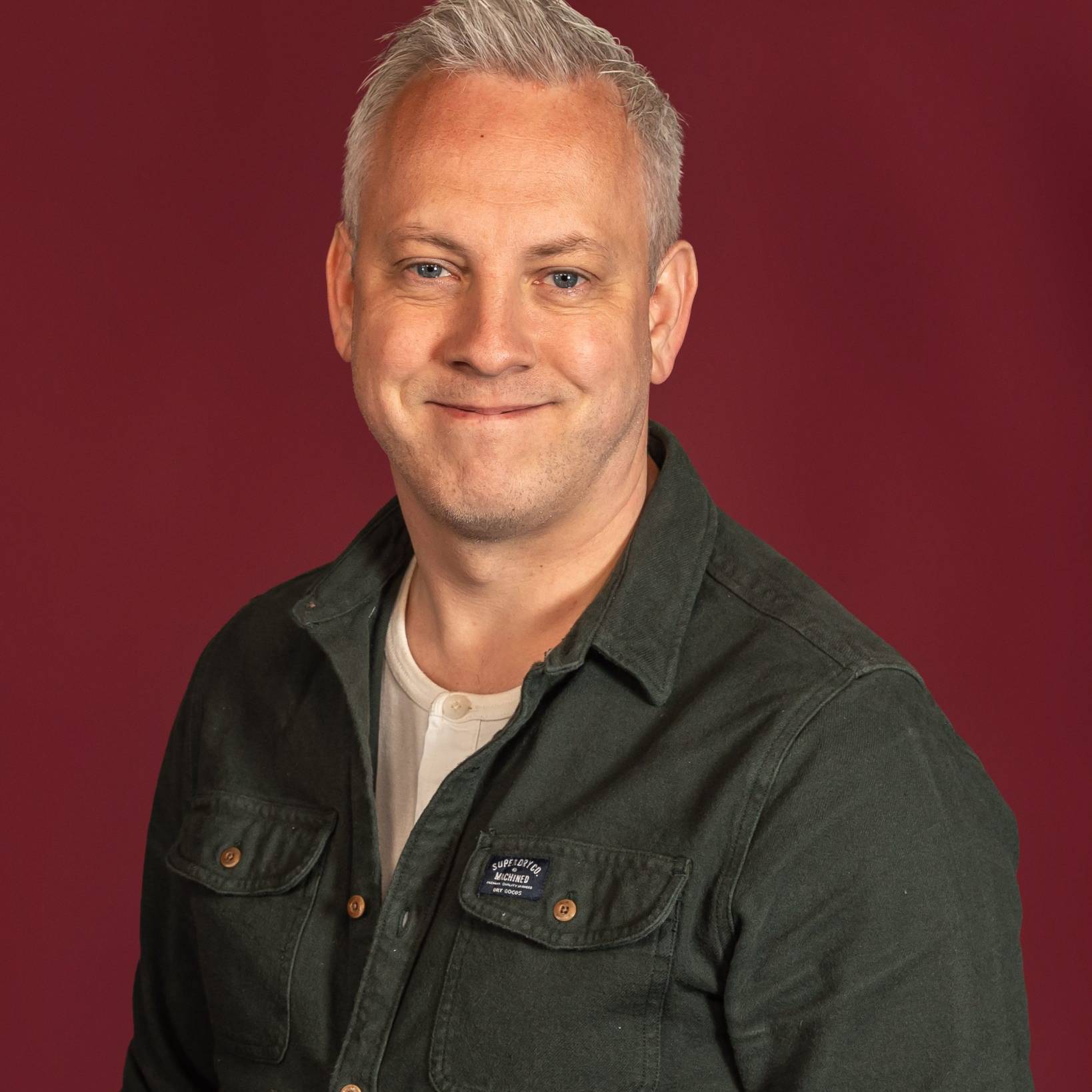
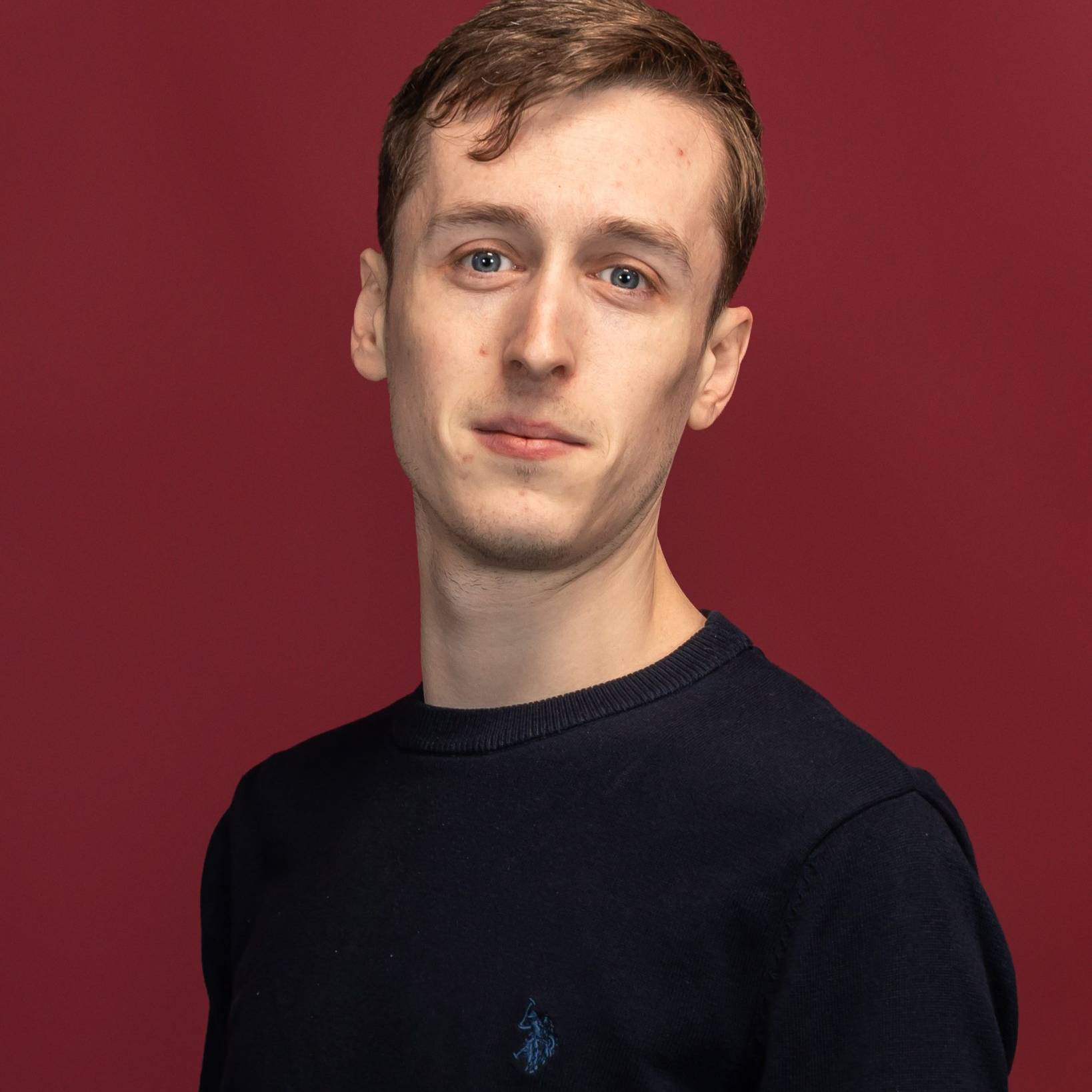
These are our people - the production managers, technicians, show-callers and crew who plan your event and run the room on the night. The same team from first site visit to final cue.






What We've Been Up To.
A look at the events we've delivered, the brief, the build, and how it ran on the night. Worth a read.