The Rundown
Topics: CAD, Event Design | Published: November 2023 | 2 min read
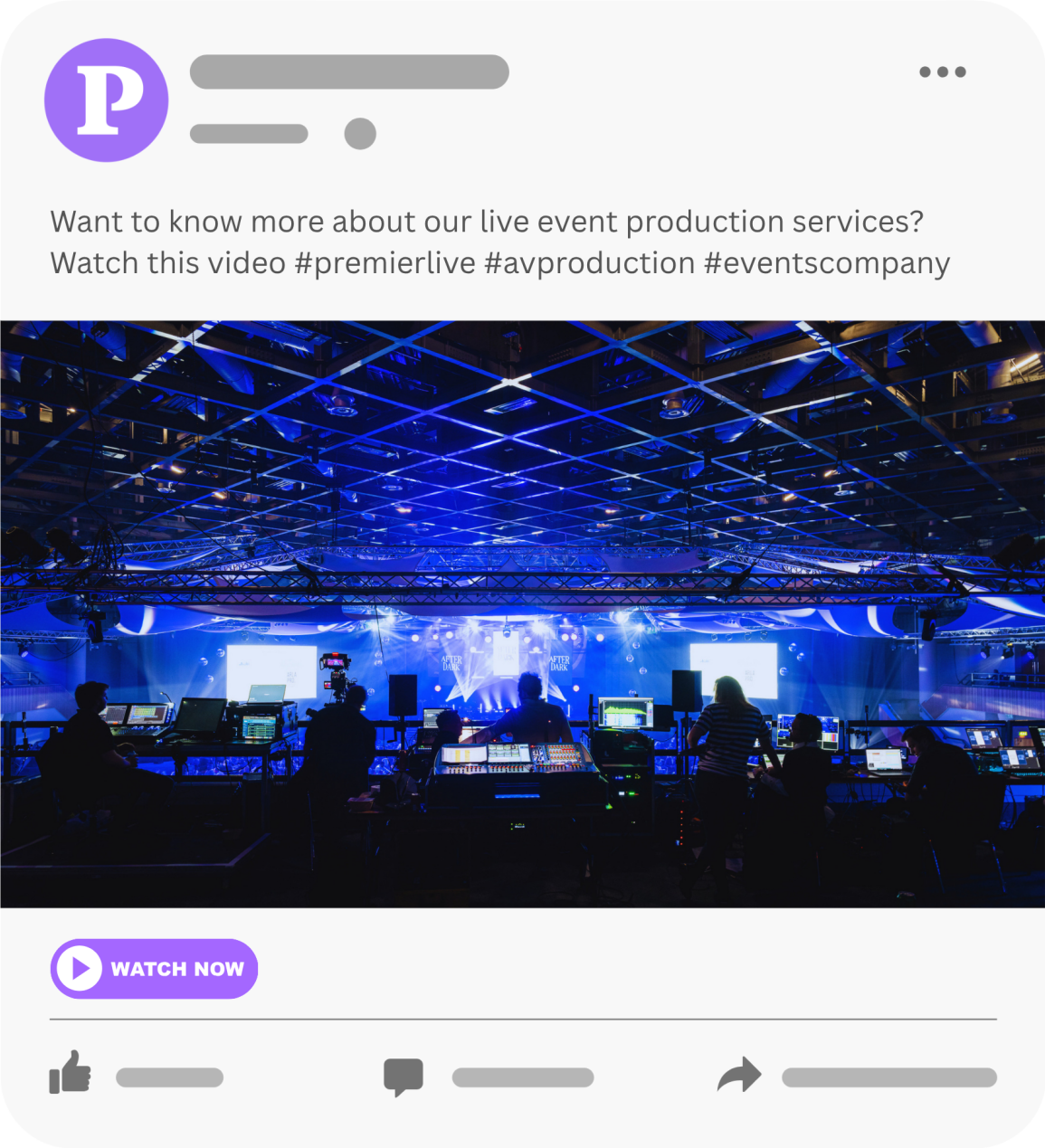
Before a show is built in the real world, it is modelled on a computer. Those visual models are called renders, and they let everyone see a show before anything is unloaded from a truck.
That matters commercially as much as creatively. A render confirms the show looks as good as everyone hoped, and that brand graphics genuinely work in the space rather than in theory.
But the visual side is only half of it. Renders also produce the technical data a build depends on - sightlines, clearances, weight loadings, pixel counts and patch information.
Here is what a render is for, the tools behind it, and how its purpose changes with the type of event.
Why Render at All
Seeing It First
The obvious value is visual. A render shows whether a design does what it promises before any money is committed to building it.
It also settles arguments early. Discussion about whether something will work becomes a picture everyone can look at.
Brand Graphics
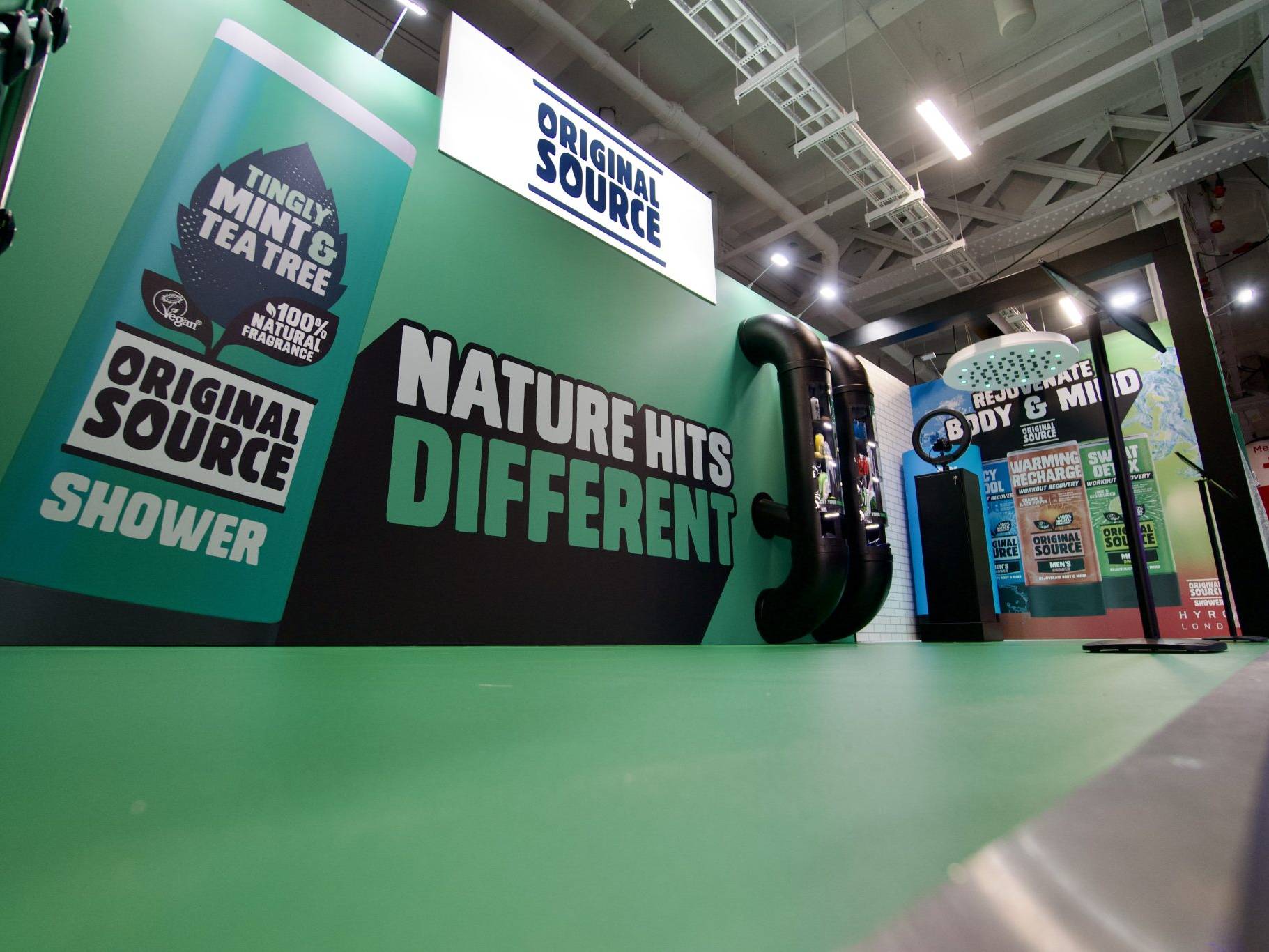
Rendering confirms that brand graphics work in the actual space - at the right scale, in the right position, seen from where the audience will be.
Logos that look right on a flat artboard frequently do not survive contact with a stage set, a sightline or a lighting state.
Sightlines
Renders let us check sightlines to make sure the view is as good as it can be from every seat.
This is the single most valuable technical use. A design that works from the middle of the room and fails from the front row is a design that will generate complaints.
Heights and Clearance
Modelling confirms that heights work and there is genuine clearance to fit the production intended.
Venues are full of surprises - beams, ducts, lighting bars - and finding them in a model is considerably cheaper than finding them on a build day.
What Else It Delivers
Pre-Programming Lighting
Lighting can be controlled within the render itself, so a show can be pre-programmed and previewed before the rig exists.
That saves substantial time on site, where programming hours are expensive and rarely plentiful.
Supporting Sponsorship Revenue
Renders help clients raise sponsor and partner revenue by showing exactly how branding will appear on screens and set.
A sponsor deciding whether to buy a package responds far better to an image of their logo in the room than to a description of where it will go.
This is one of the most underused arguments for rendering, and it frequently pays for the design work several times over.
Technical Output
A render generates essential technical information: pixel counts for LED walls, weight loadings for rigging systems, patch data for lighting, and specifications for audio and other systems.
That information is what the venue, the rigging contractor and the crew all work from.
Designing With Integrity
All of this means approaching a project honestly - confirming that everything designed can actually be delivered, and identifying constraints early rather than discovering them late.
Tools and Applications
The Toolset
The tools vary by task.
At the core of our workflow is Vectorworks, best known for architectural drawing but carrying a powerful event package alongside it.
Capture handles lighting renders specifically, previewing fixtures and states accurately.
SketchUp is used for drawing individual elements and working through basic spatial design.
Different Events, Different Purpose
What a render is for changes with the show.
For arena shows and tours, CAD work primarily establishes rigging plots and produces method statements for crew. The audience is technical and the output is operational.
For Awards and Conferences
Here renders are used mainly for client communication and engagement.
The audience is the client and their stakeholders, and the render's job is to build confidence in a design before it exists.
Both uses are valid. Knowing which one a project needs shapes how much detail is worth putting in.
Renders in Isolation
We use renders as a communication and management tool across projects, and also produce render work for clients as a standalone service.
If you need a render of your next show, get in touch with Premier Live on 0116 202 9953 or info@premier-ltd.com.

Tell us about your event.
Fill in the form and we'll come back to you quickly, not with a generic auto-reply, but with something useful.
Prefer a call? Book a 20-minute discovery call at a time that suits you.
Rather email? info@premier-ltd.com. Or just ring us: 0116 202 9953.
Once we hear from you, we'll set up a quick call to understand your brief properly, no lengthy questionnaires, no sales pitch.
We typically respond within two hours on working days.
EXPERIENCED. DEPENDABLE. HANDS-ON. UNFLAPPABLE
The people behind Premier Live
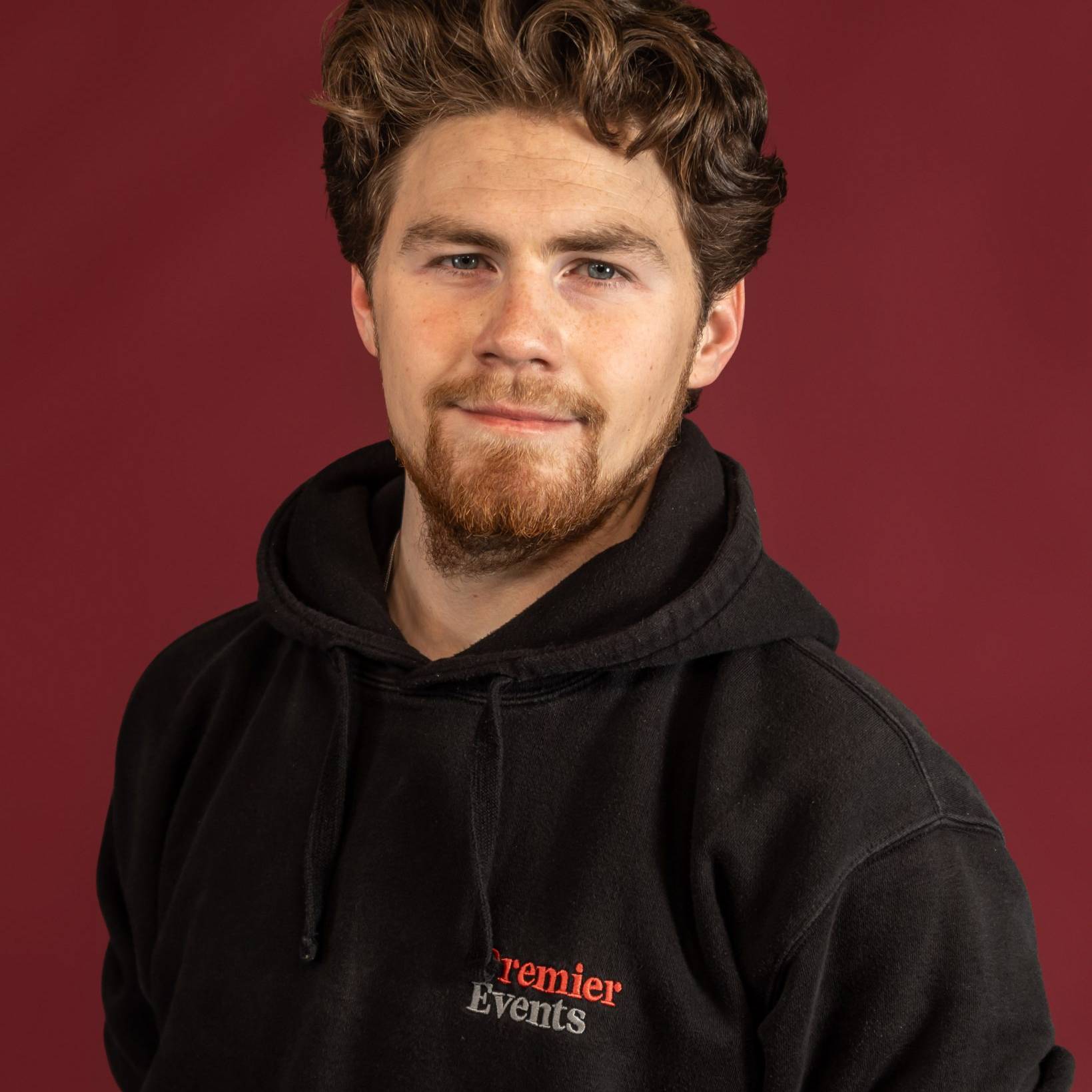
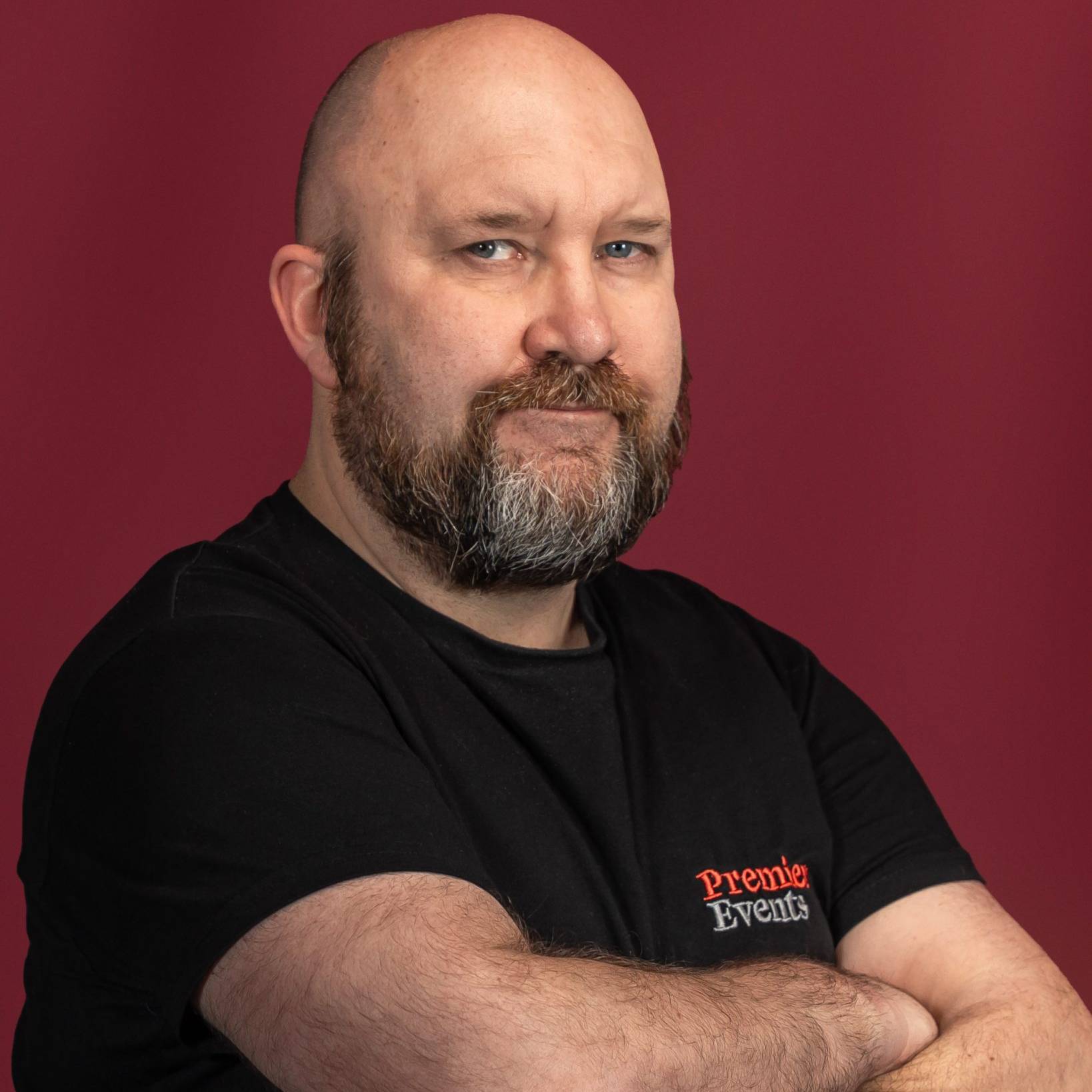
These are our people - the production managers, technicians, show-callers and crew who plan your event and run the room on the night. The same team from first site visit to final cue.






















What We've Been Up To.
A look at the events we've delivered, the brief, the build, and how it ran on the night. Worth a read.