The Rundown
Topics: Solar Power, Off-Grid Events | 3 min read
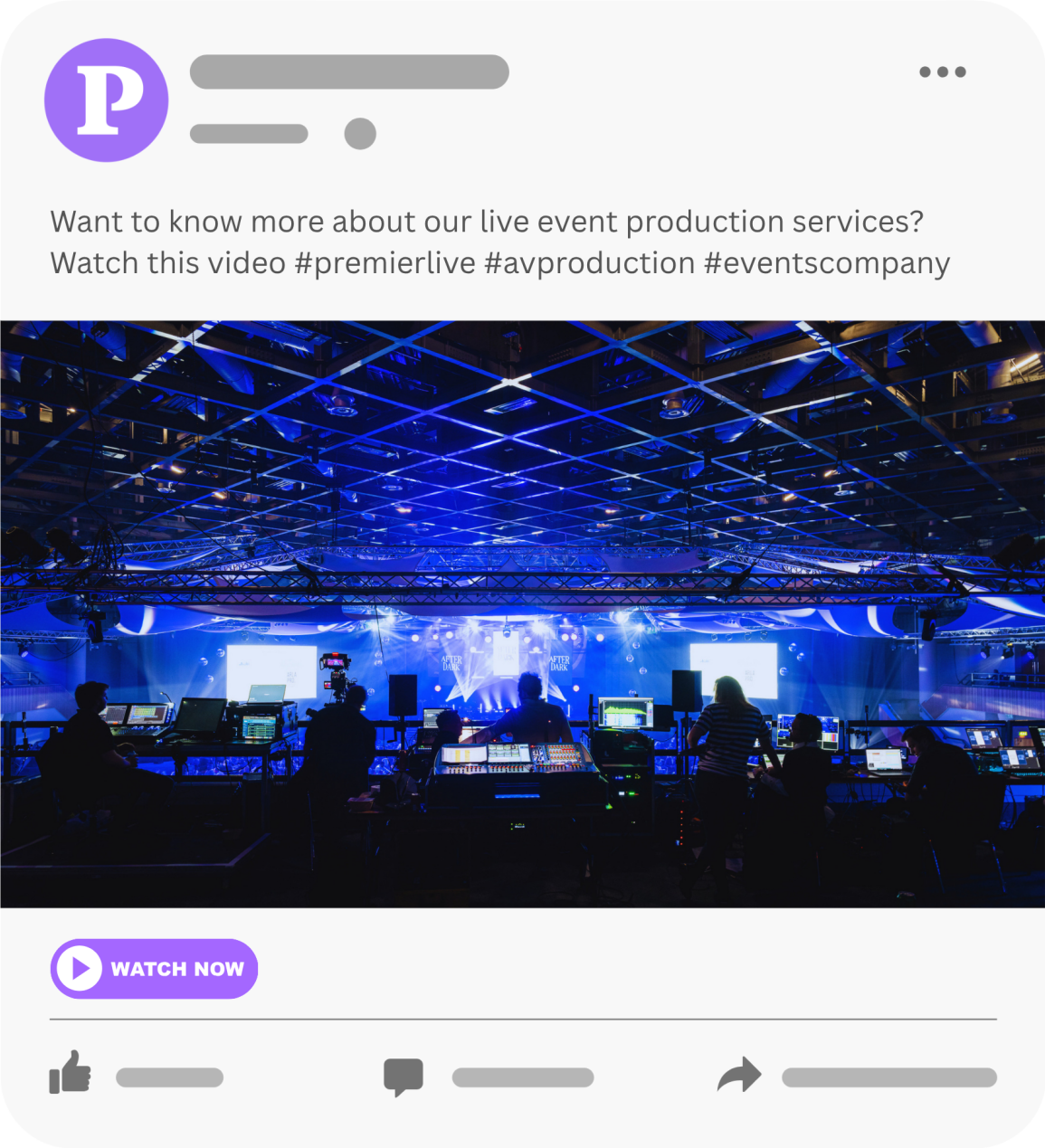
Sustainability matters more than ever, and the question comes up constantly: are off-grid and solar energy solutions genuinely viable for live events?
The short answer is yes, probably, with some help and some commitment.
Can I use solar panels instead of diesel generators? How many do I need for a 2,000 capacity festival? What is the most sustainable way to supply site power? These are simple questions with complicated answers.
Here are the three concepts that determine whether an off-grid event works, and they are worth understanding before anyone quotes you for panels.
You Are Using Too Much
Start Here
This is the big one, and the first thing to understand.
Most solutions we design begin by reducing how much energy a site actually needs. That reduces your carbon footprint regardless of the power source - and where solar is installed, it hugely increases efficiency and cuts the infrastructure required on site.
Where the Savings Are
Site lighting - the type specified and the quantity of it.
Traders and their power allocation. If every trader upgraded to a slightly more modern fridge, the cumulative effect across a site is substantial.
Electric versus gas for cooking and heating.
Limiting the hours during which showers can be used.
How far cables run from each power source, since distance costs energy as well as cable.
Why This Comes First
Every kilowatt you remove from the demand is a kilowatt you do not have to generate, store, or pay for.
Reducing load is almost always cheaper than increasing supply, and it improves the event's footprint whether you go off-grid or not.
These are the basics. The specific techniques vary considerably with the scale and type of event.
Choosing Your Compromises
The Trilemma
You can generally have two of three things: fully off-grid, fully reliable, and affordable. Rarely all three.
A Real Example
We consulted on a project where the client was completely committed to going entirely off-grid - genuinely admirable, and among the most committed teams we have worked with.
They also needed power to be totally reliable and available on demand.
The difficulty is that sometimes the sun is not there.
The Available Answers
There are ways around it. Large-scale battery storage on site solves the reliability problem, but it was too expensive for this project.
An emergency backup source would also have worked - a generator, which rather undermines the point, or a mains supply, which was unavailable with no willingness from the landowner to install one.
How It Ended
The project ultimately unravelled, because the client would not compromise on cost, on resilience, or on being genuinely off-grid.
That is the honest lesson. Decide early which of the three you will bend on, because the physics will not bend for you.
The Sun Is Not Consistent
Stating the Obvious
A generator switches on at the turn of a key and produces its rated output regardless of conditions.
Solar is more nuanced. The sun is up during the day and not at night.
Yield Varies
Beyond that, the yield of a panel - how much electricity it actually makes - varies with the position of the sun and how clear the day is.
A bright June afternoon and an overcast November morning are entirely different propositions from identical hardware.
Designing Around It
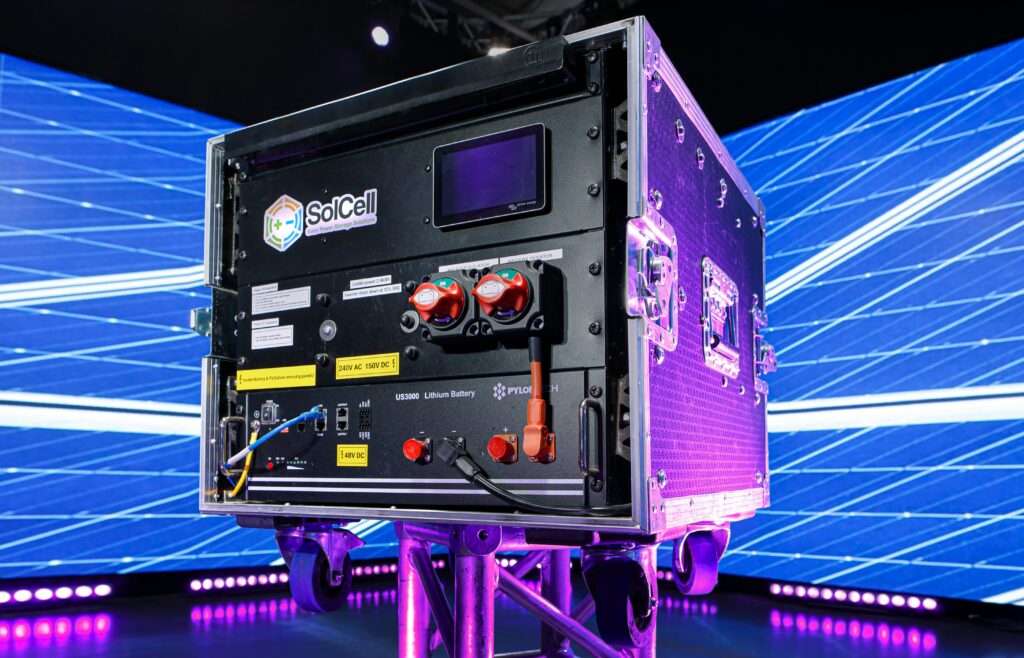
Battery storage systems address the day and night problem, buffering generation so power is available when it is needed rather than only when it is produced.
We will also frequently over-specify a system, building in allowance for variance.
The Number That Misleads
This matters: having 20kW of generation capacity does not mean generating 20kW.
You will see that figure only when conditions are exactly right, which in the UK is not most of the time.
So either over-specify, or go back to the first concept and reduce the draw.
Getting Advice
These are the main things we work through with any renewable energy client before designing a system, and the answers vary considerably event to event.
We are always happy to provide free basic consultancy if you are considering solar for your next event. Call Premier Live on 0116 202 9953 or email info@premier-ltd.com.
Tell us about your event.
Fill in the form and we'll come back to you quickly, not with a generic auto-reply, but with something useful.
Prefer a call? Book a 20-minute discovery call at a time that suits you.
Rather email? info@premier-ltd.com. Or just ring us: 0116 202 9953.
Once we hear from you, we'll set up a quick call to understand your brief properly, no lengthy questionnaires, no sales pitch.
We typically respond within two hours on working days.
EXPERIENCED. DEPENDABLE. HANDS-ON. UNFLAPPABLE
The people behind Premier Live
These are our people - the production managers, technicians, show-callers and crew who plan your event and run the room on the night. The same team from first site visit to final cue.
















What We've Been Up To.
A look at the events we've delivered, the brief, the build, and how it ran on the night. Worth a read.