The Rundown
Topics: Solar Power, LED Screens | 2 min read
Outdoor LED video walls are an excellent way to display visuals in open settings, and they have quickly become the standard for showing sport, festivals and other content outdoors.
Traditionally they are powered from the electrical grid. The question we are asked regularly is whether solar can be used instead.
The appeal is obvious. Solar is clean and renewable, it reduces carbon emissions, and it allows a screen to be placed without long runs of electrical cable back to a supply.
Here is what makes it difficult, what makes it possible, and how to work out whether it is realistic for your event.
The Challenge
Screens Are Hungry
Outdoor LED walls need a significant amount of energy to run properly.
They are bright by design - that is the whole point of using LED outdoors - and brightness costs power. A wall specified to compete with daylight draws considerably more than the same panel indoors.
Solar Output Varies
Solar generation is influenced by panel efficiency, angle and orientation, and weather conditions.
None of those are constant. A system producing ample power at midday in June may produce very little at four in the afternoon in October.
The Mismatch
That is the core difficulty. A screen's demand is steady and predictable; solar supply is neither.
An LED wall does not run at half brightness because it is cloudy. It either has the power it needs or it does not.
Nothing Off the Shelf
There are also few standard solar systems designed specifically to power a video screen this way.
Most solar products are built for steady low-draw applications - lighting, welfare, charging - rather than for a single high-demand load that has to run reliably for a set number of hours.
Making It Work
Battery Storage
The main answer is storage. Panels charge a battery system, and the screen draws from the battery rather than directly from generation.
That decouples supply from demand, so the screen runs steadily through cloud cover and into the evening.
It also means the system is sized around total energy needed across the day rather than peak generation.
Mobile Power Stations
Systems of this kind are essentially mobile power stations - charged in advance, topped up by panels on site, and deployed where they are needed.
That approach lets event organisers, festival promoters and producers reduce or remove reliance on diesel generators.
Hybrid Approaches
Combining solar with other renewable sources such as wind addresses the energy requirement more comprehensively.
Wind and solar frequently complement each other - the conditions that reduce one often favour the other - which improves overall reliability considerably.
Over-Specify
Whatever the configuration, build in headroom. A system sized to the theoretical requirement will fall short the first time conditions are less than ideal.
Is It Right for You?
What Determines Feasibility
The specific requirements of each installation decide whether solar is viable.
Screen size is the obvious factor. Brightness level matters as much - a screen running at reduced output for an evening event needs far less than one fighting daylight.
Refresh rate and intended usage patterns both contribute, and so does how many hours a day the screen genuinely needs to be live.
Reduce Before You Generate
The most effective step is usually reducing demand rather than increasing supply.
Running a screen at appropriate brightness for the ambient conditions, scheduling it to be live only when needed, and specifying the right panel type all reduce what has to be generated.
Ask Early
Solar changes the site plan. Panels need space and orientation, batteries need secure placement, and both need factoring into the layout rather than added afterwards.
It is a design-stage conversation, not a procurement one.
Getting Advice
Solar-powered screens are achievable with the right design, and the technology continues to improve.
If you are considering one for your next event, get in touch with Premier Live for advice on power design on 0116 202 9953 or info@premier-ltd.com.
Tell us about your event.
Fill in the form and we'll come back to you quickly, not with a generic auto-reply, but with something useful.
Prefer a call? Book a 20-minute discovery call at a time that suits you.
Rather email? info@premier-ltd.com. Or just ring us: 0116 202 9953.
Once we hear from you, we'll set up a quick call to understand your brief properly, no lengthy questionnaires, no sales pitch.
We typically respond within two hours on working days.
EXPERIENCED. DEPENDABLE. HANDS-ON. UNFLAPPABLE
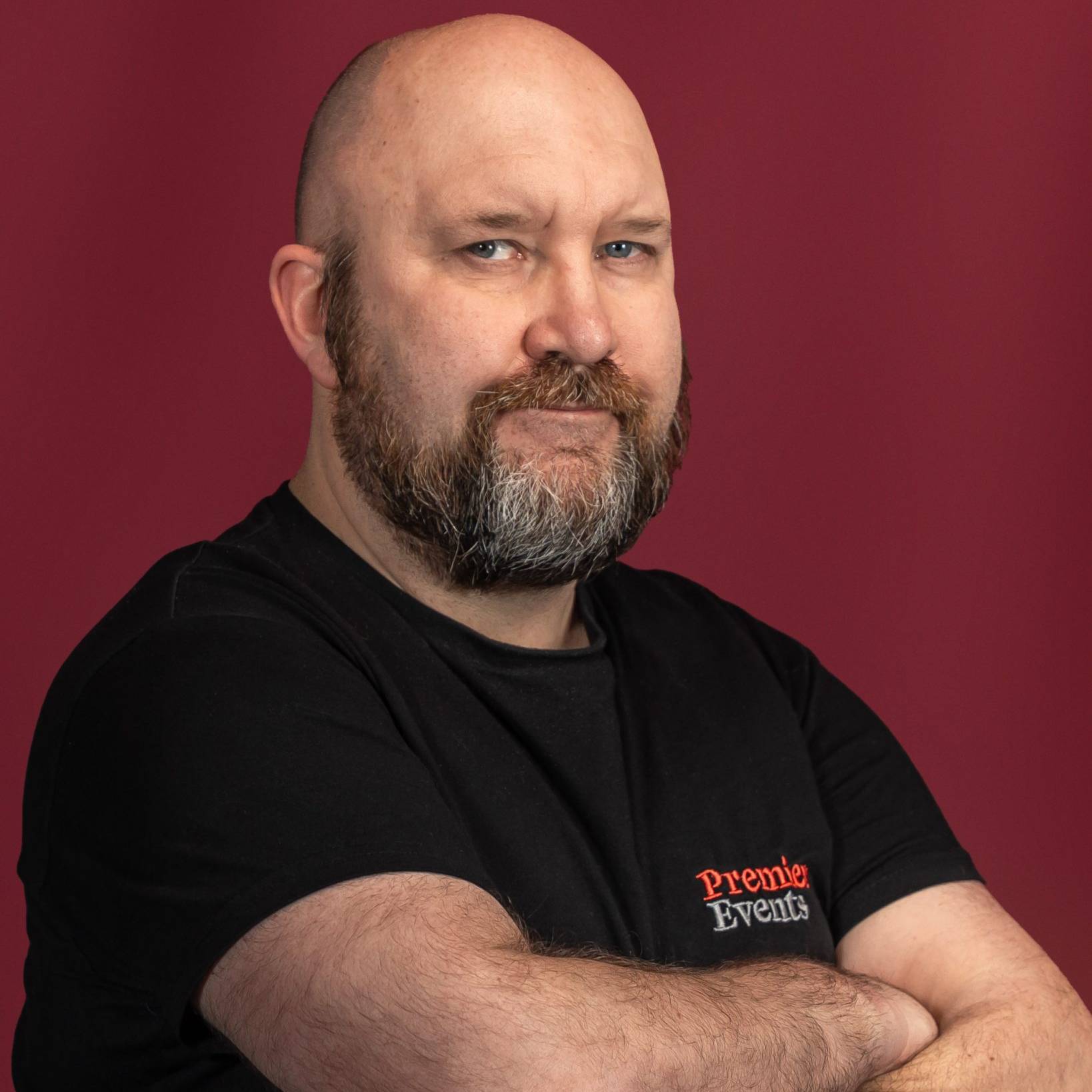
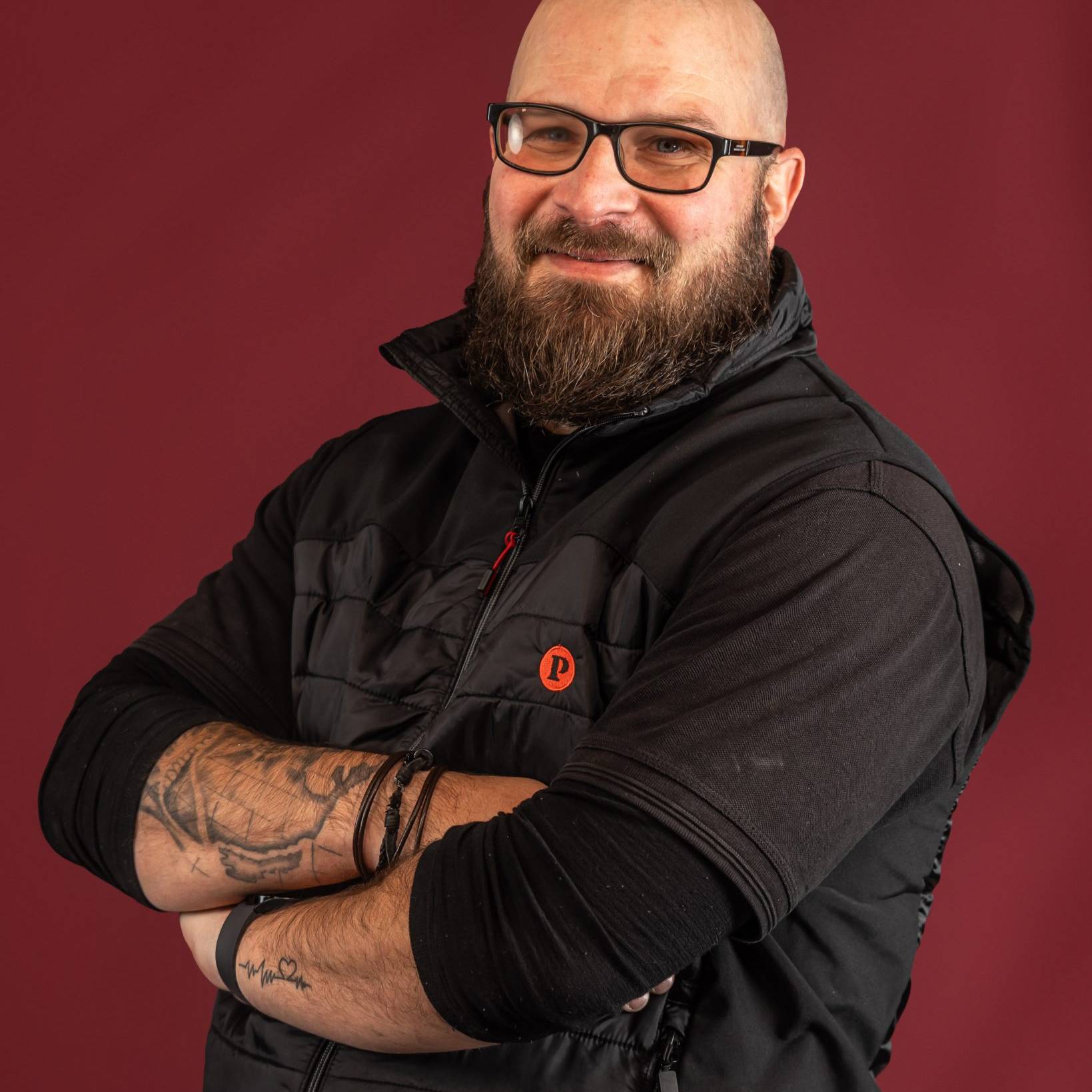
The people behind Premier Live
These are our people - the production managers, technicians, show-callers and crew who plan your event and run the room on the night. The same team from first site visit to final cue.



















What We've Been Up To.
A look at the events we've delivered, the brief, the build, and how it ran on the night. Worth a read.