The Rundown
Topics: Moving Lights, Stage Lighting | 2 min read
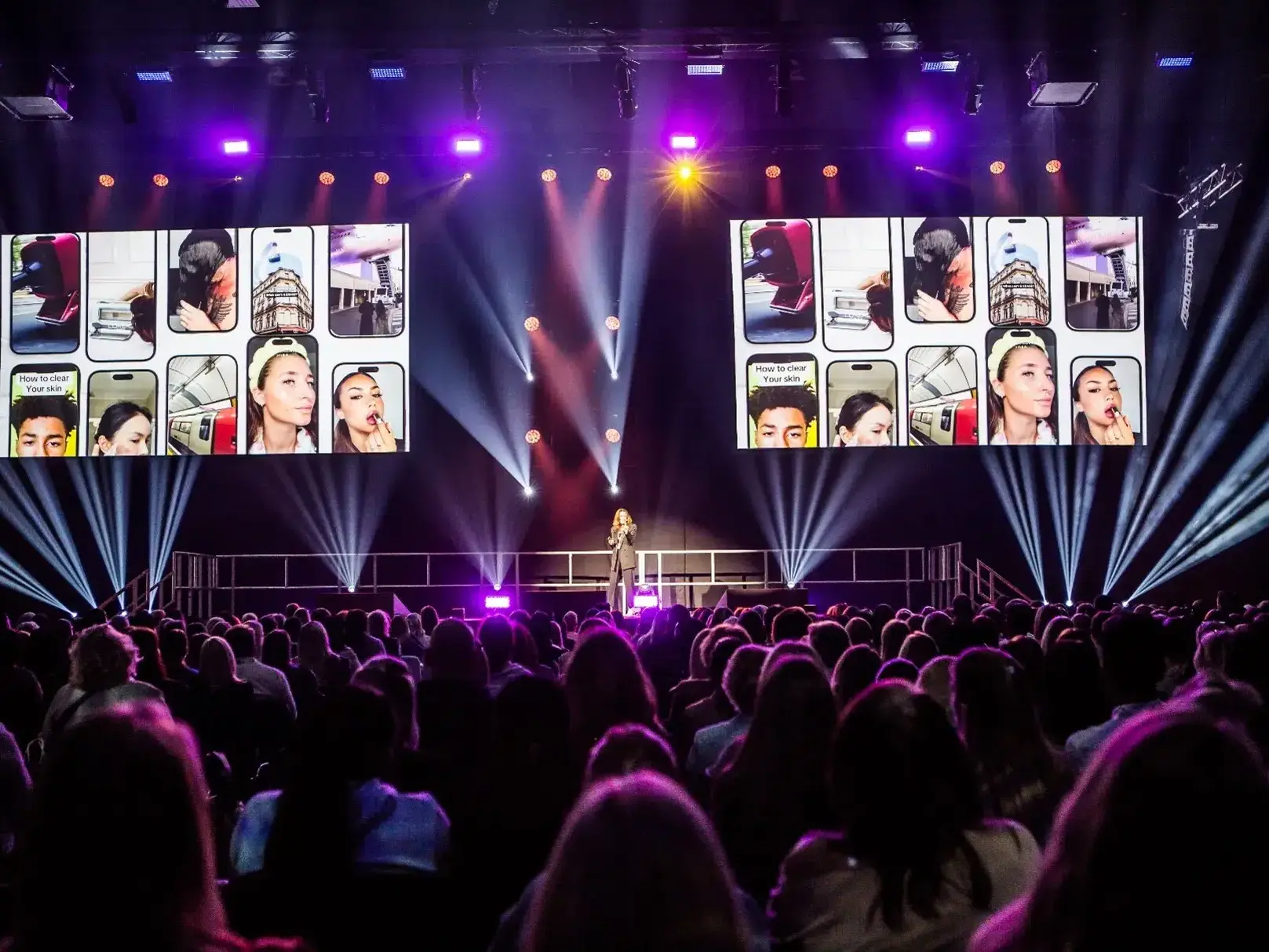
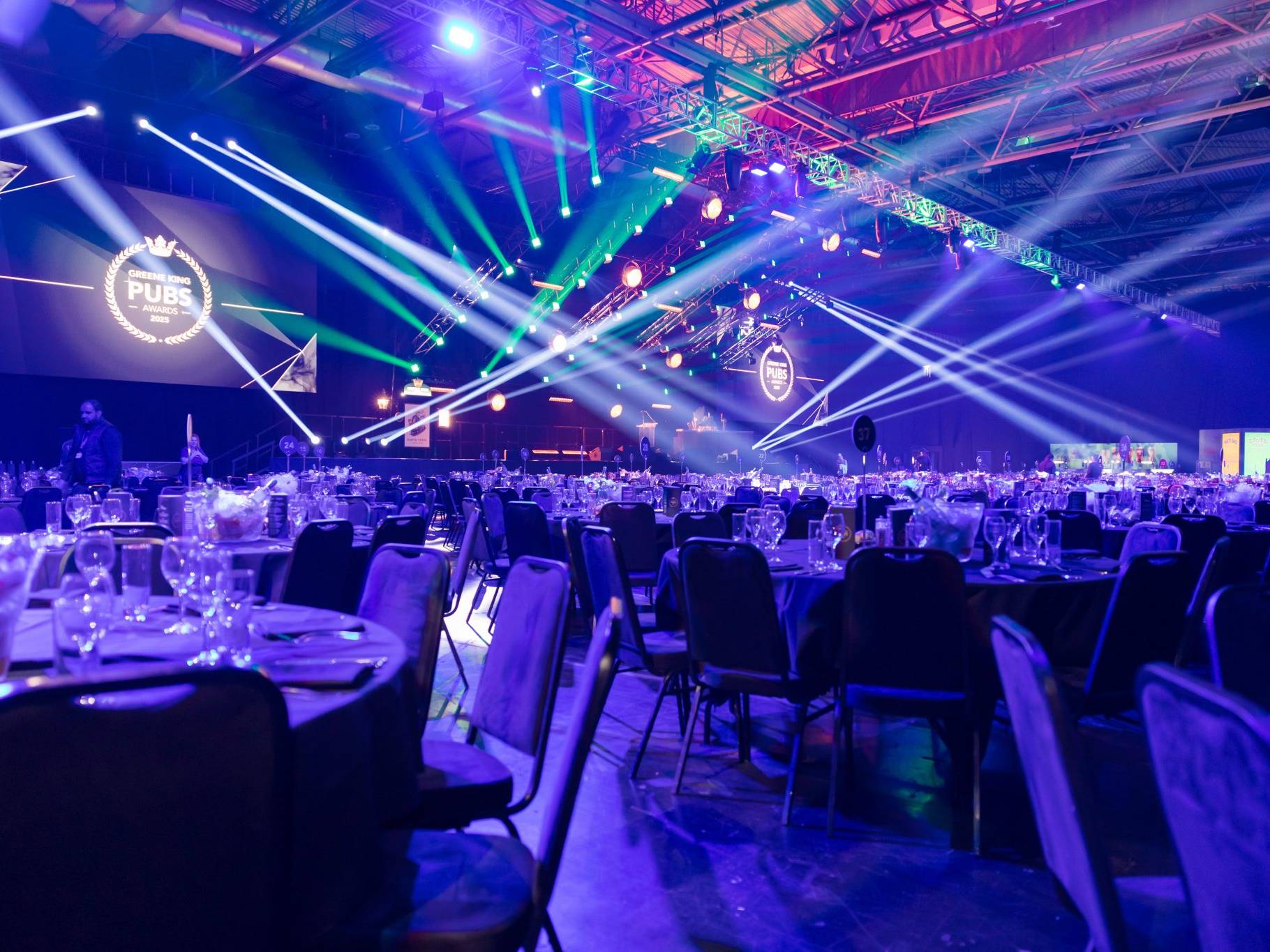
Moving lights add a dimension to a show that static fixtures cannot - and at their best, they can make a show out of nothing but light and atmosphere.
As the name suggests, they move. That movement can be driven by an operator, triggered in time with music, or run automatically to a programmed sequence.
To understand where they sit, it helps to see stage lighting as a scale of complexity, from fixed white light in a ceiling through to fixtures that pan, tilt, focus and project patterns on command.
Here is that scale, what defines a moving light, and why they are not only for large budgets.
The Scale of Complexity
Static Lighting
The most fundamental category. Lighting that does not change - a venue lit by fixed white fittings in the ceiling.
It is the same as the lighting at home. On a dimmer it does change, but only by getting brighter or darker.
Static lighting is functional rather than expressive. It lets people see; it does not shape how a room feels.
Uplights and Colour
Higher up the scale sit LED or halogen uplights.
These change colour, and some have a few settings for moving light around, but they remain fairly simple. Set them and they hold.
They are enormously effective for washing a room in a brand colour, and they are where most events stop.
Where Control Begins
The next level is where you enter the realm of genuine control - light that moves around the room, and does so with intent.
That is the point at which lighting stops being decoration and starts being a designed element that changes through an evening.
Definitions vary between companies, but a fixture generally needs three attributes to count as a moving light.
What Defines One
Pan and Tilt
The ability to point in different directions.
Pan is left to right, tilt is up and down - the same two movements your head makes.
This is the defining feature. It means one fixture can light several positions across a show rather than one, which is a large part of why moving lights are more economical than they first appear.
Focus
The ability to sharpen or soften the beam.
A hard edge draws attention and reads as deliberate. A soft edge blends into the room. Being able to move between them changes the character of a look entirely.
Gobos
A gobo is a template placed in front of the light to give the beam a pattern.
Those patterns run from a simple circle, through detailed architectural textures, to a company logo.
In a moving fixture, gobos can be changed remotely mid-show, so one light can produce a dozen different looks across an evening.
The Standard
All of Premier Live's moving lights carry these three features as a minimum.
Using Them Well
Not Just for Big Shows
Moving lights carry a reputation as a large-budget item, and it is misleading.
A small number used well in a modest space can transform the atmosphere completely - often more noticeably than the same spend on additional static fixtures.
Because each fixture does the work of several, the maths is frequently better than expected.
Restraint Matters
The most common mistake is constant movement.
Lights that never settle become wallpaper, and the audience stops noticing. Movement is most powerful when it happens at a moment that means something - an entrance, a reveal, a change of pace.
Holding a look still is a choice, and often the right one.
They Need Air
Beams are only visible if there is something in the air to catch them. Without haze, you see pools of light on surfaces but not the beams travelling through the room.
If moving lights are central to the design, factor haze in - and check the venue's fire alarm arrangements early.
Bringing a Space to Life
We use moving lights wherever they earn their place, because they bring life to an event space in a way little else does.
Talk to Premier Live about lighting design on 0116 202 9953 or info@premier-ltd.com.
Tell us about your event.
Fill in the form and we'll come back to you quickly, not with a generic auto-reply, but with something useful.
Prefer a call? Book a 20-minute discovery call at a time that suits you.
Rather email? info@premier-ltd.com. Or just ring us: 0116 202 9953.
Once we hear from you, we'll set up a quick call to understand your brief properly, no lengthy questionnaires, no sales pitch.
We typically respond within two hours on working days.
EXPERIENCED. DEPENDABLE. HANDS-ON. UNFLAPPABLE
The people behind Premier Live
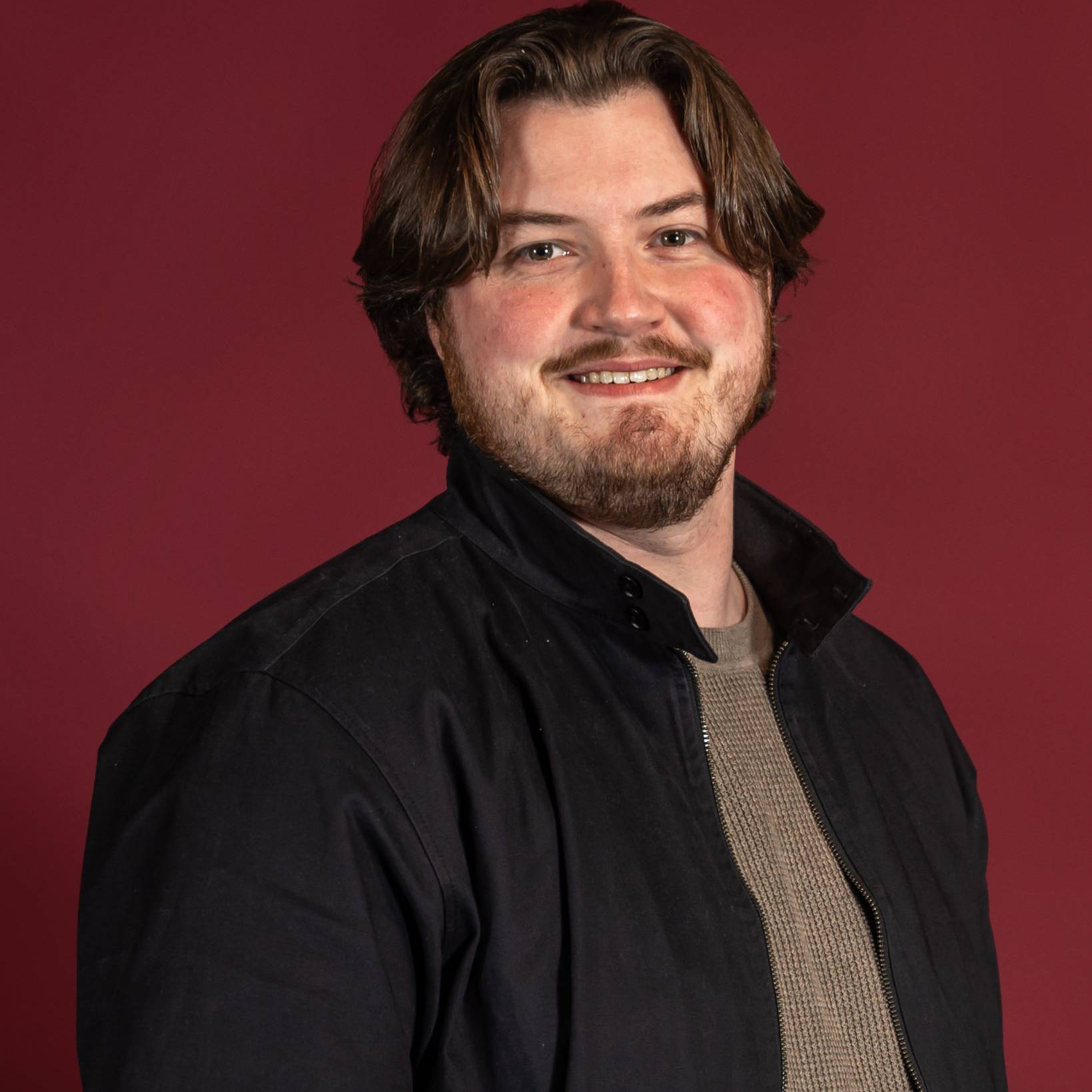
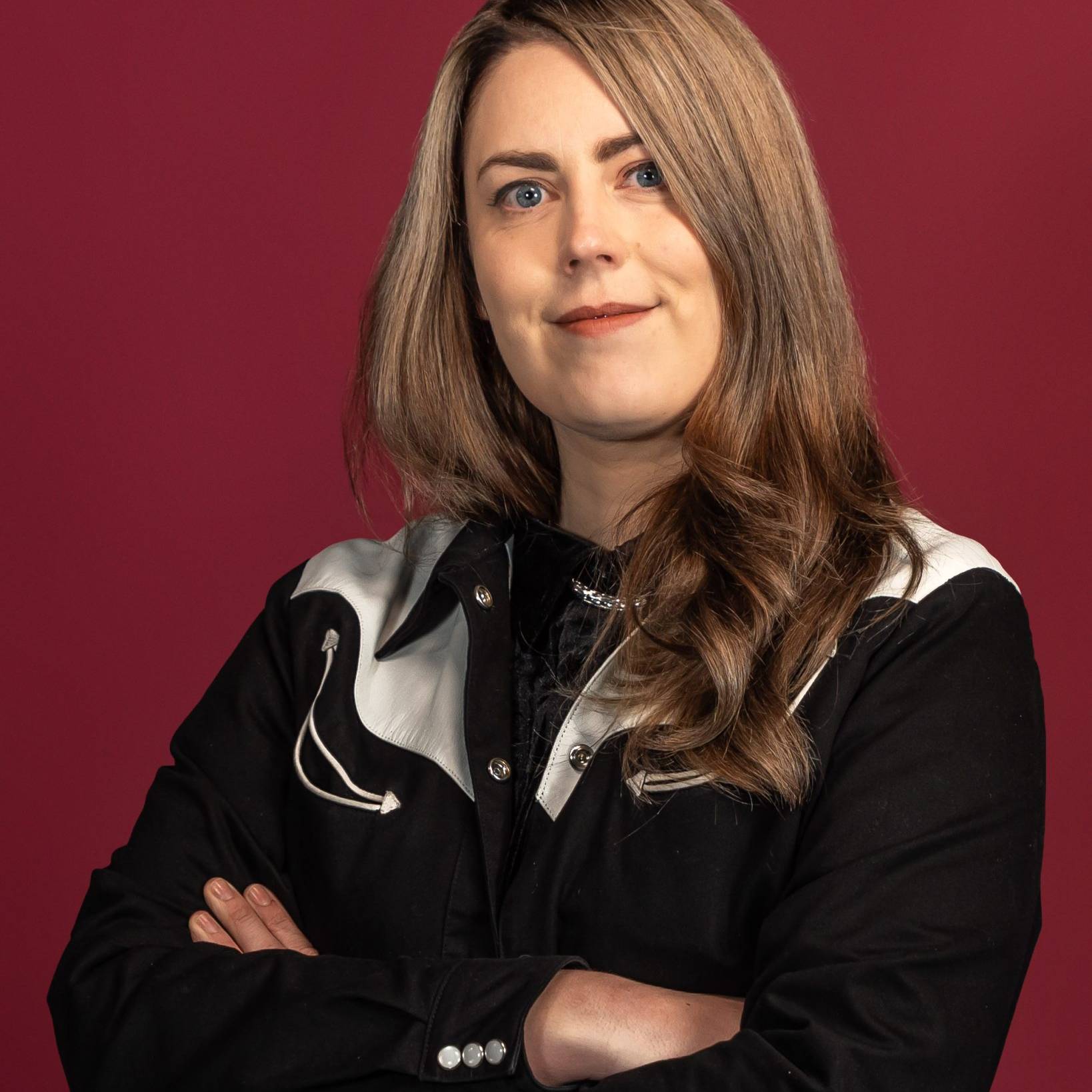
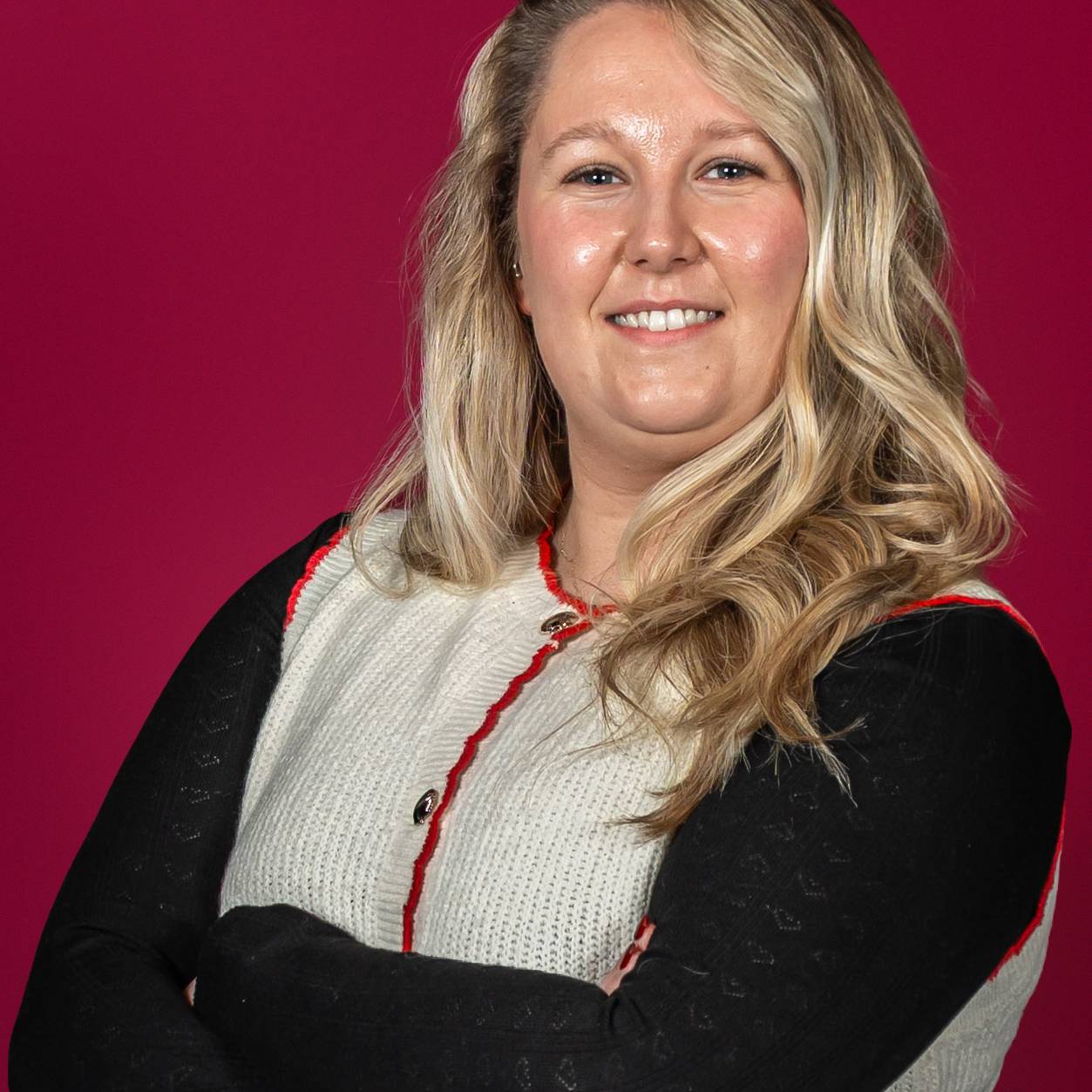
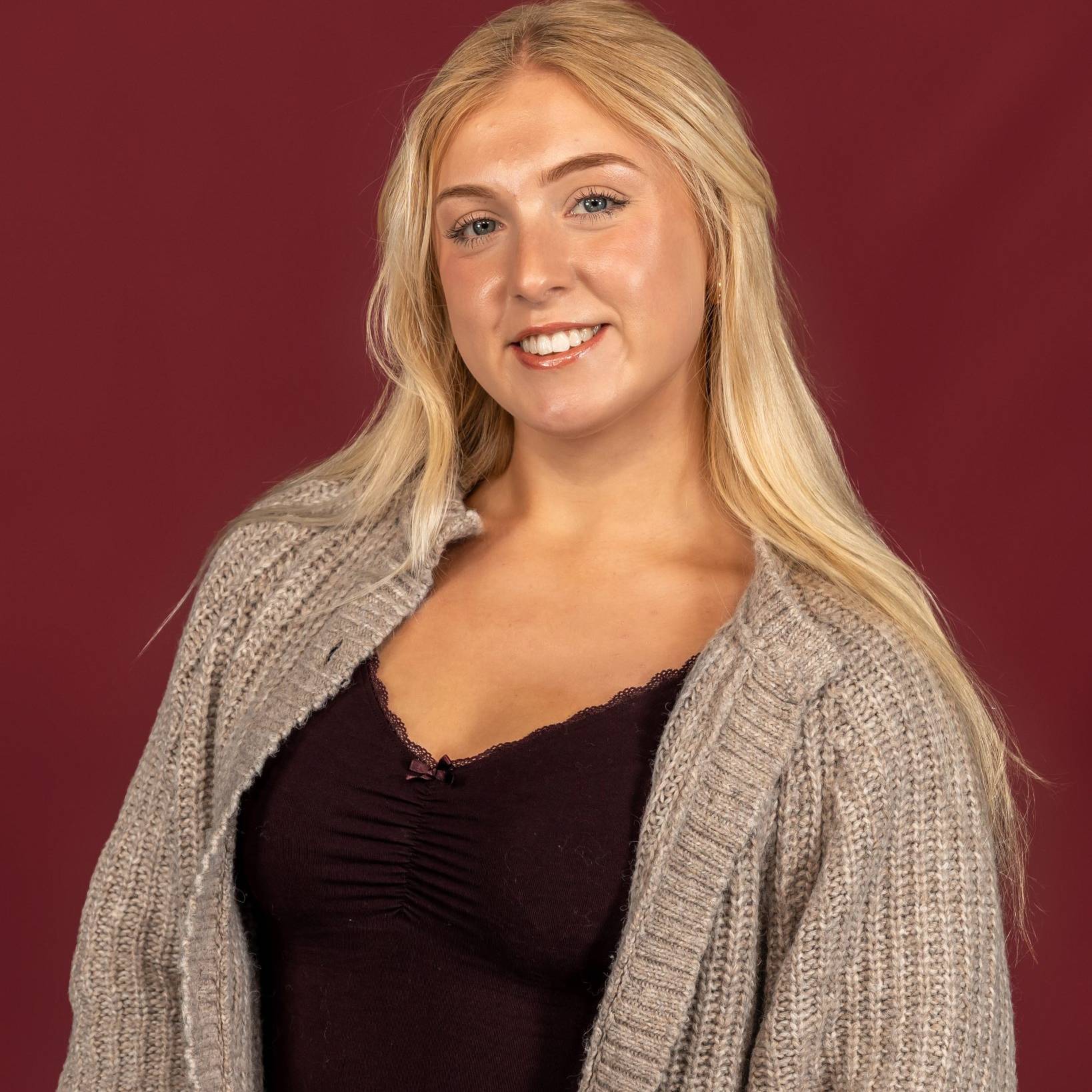
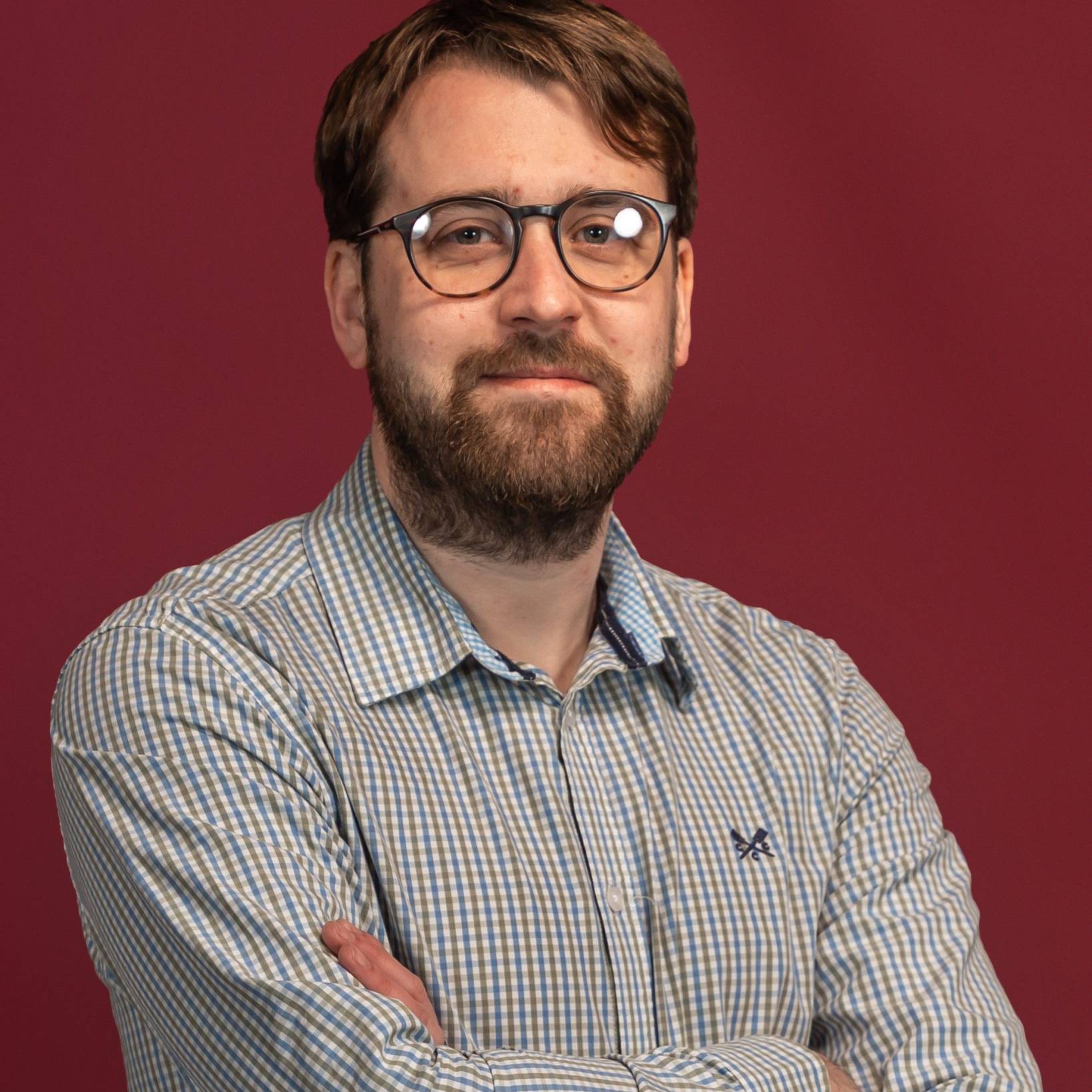
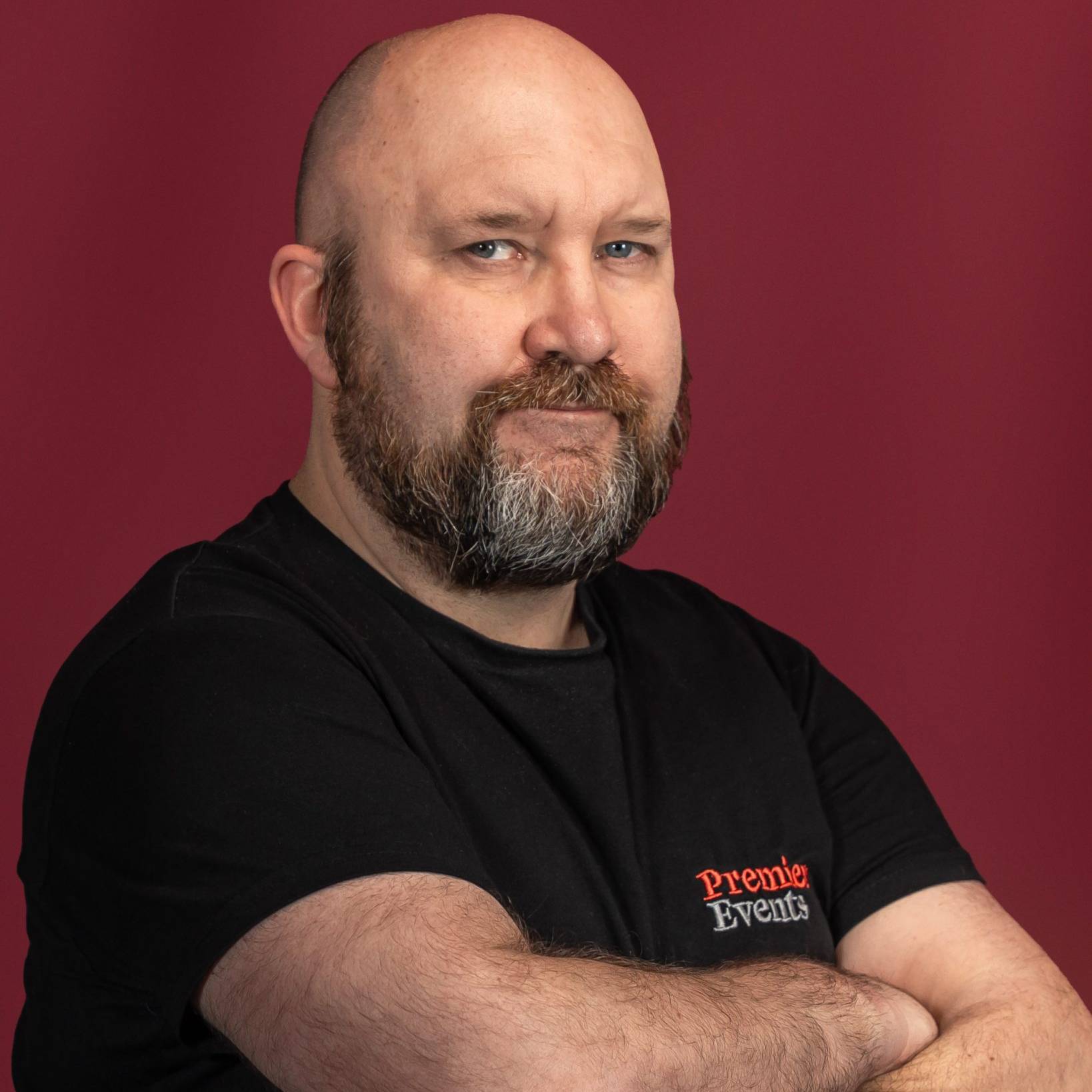
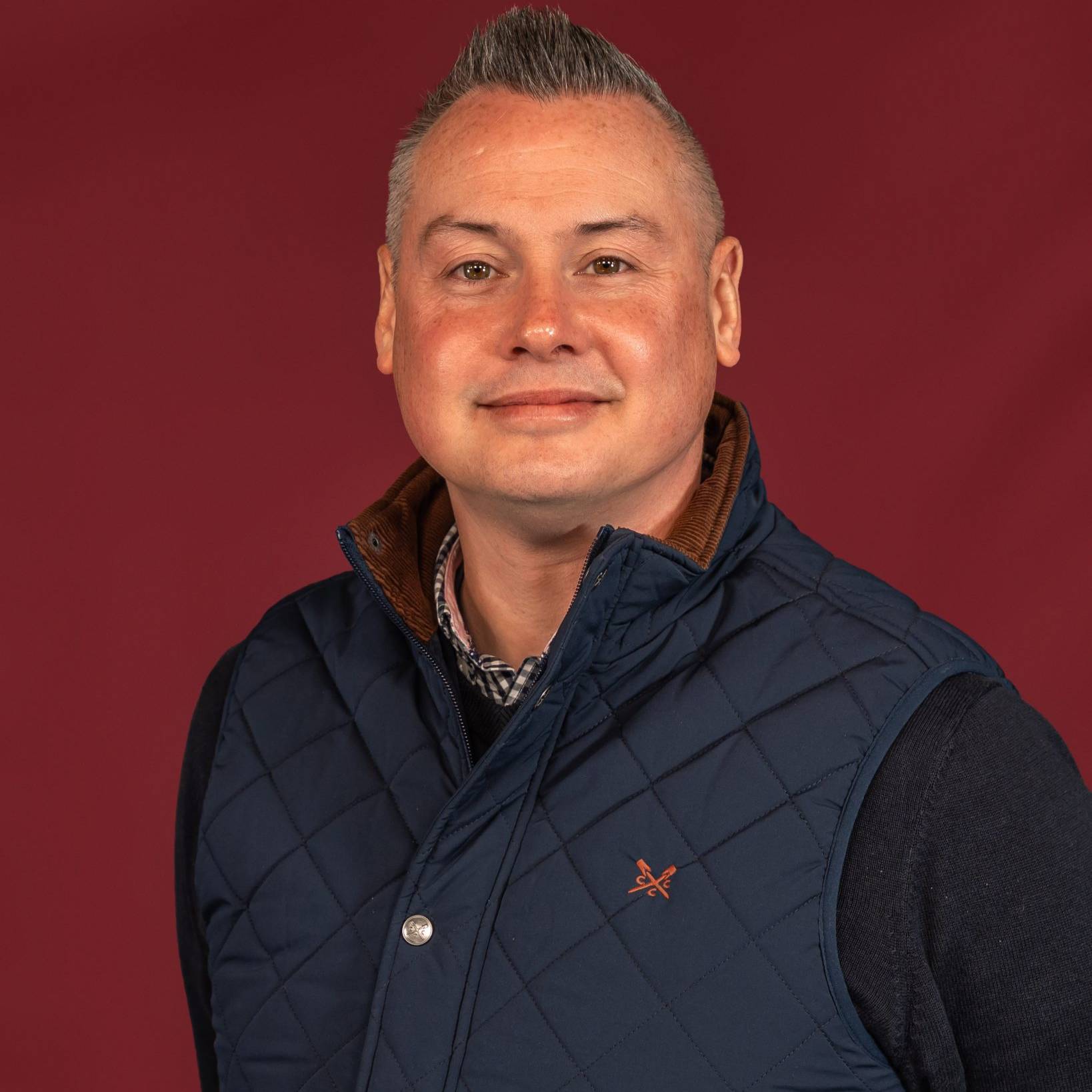
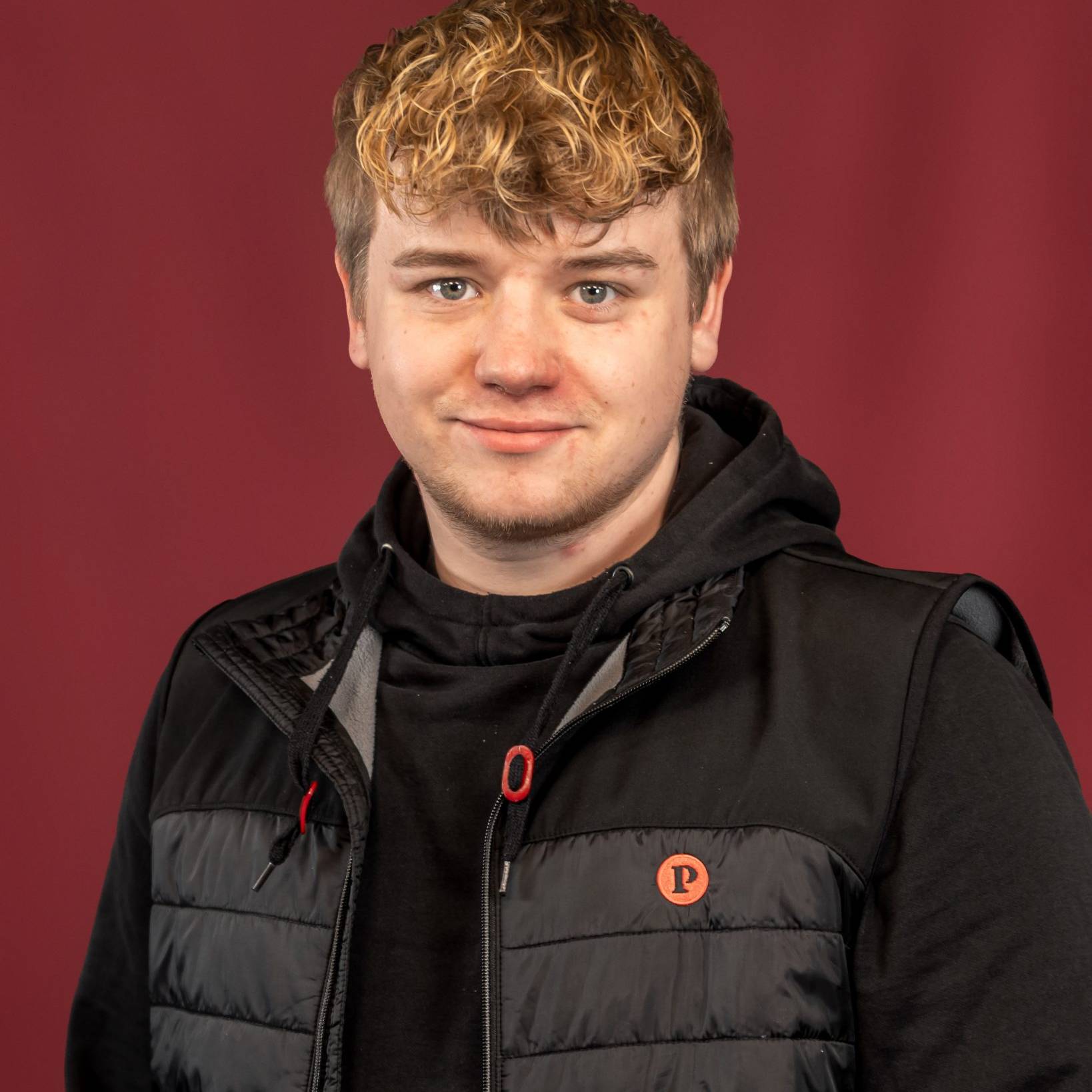
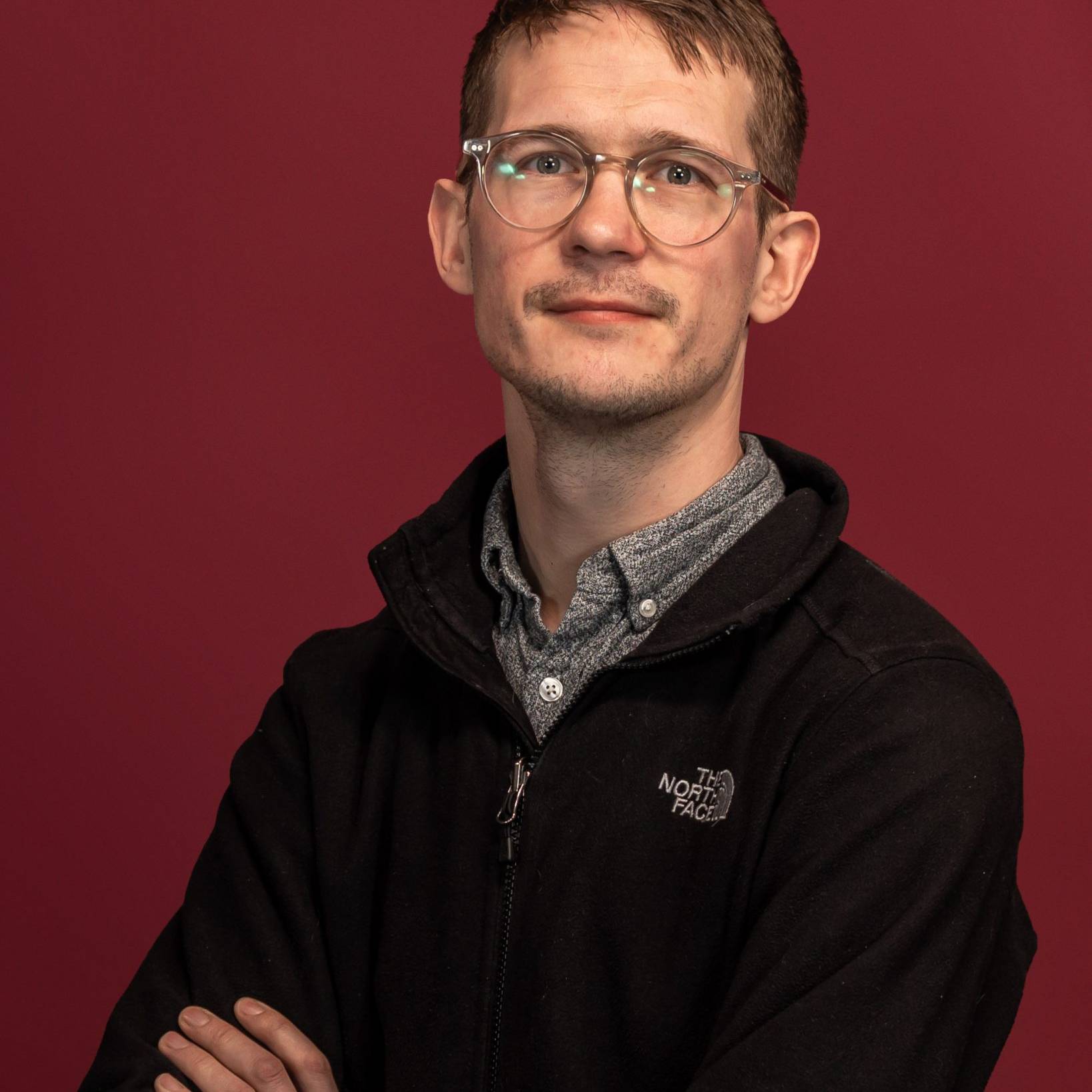
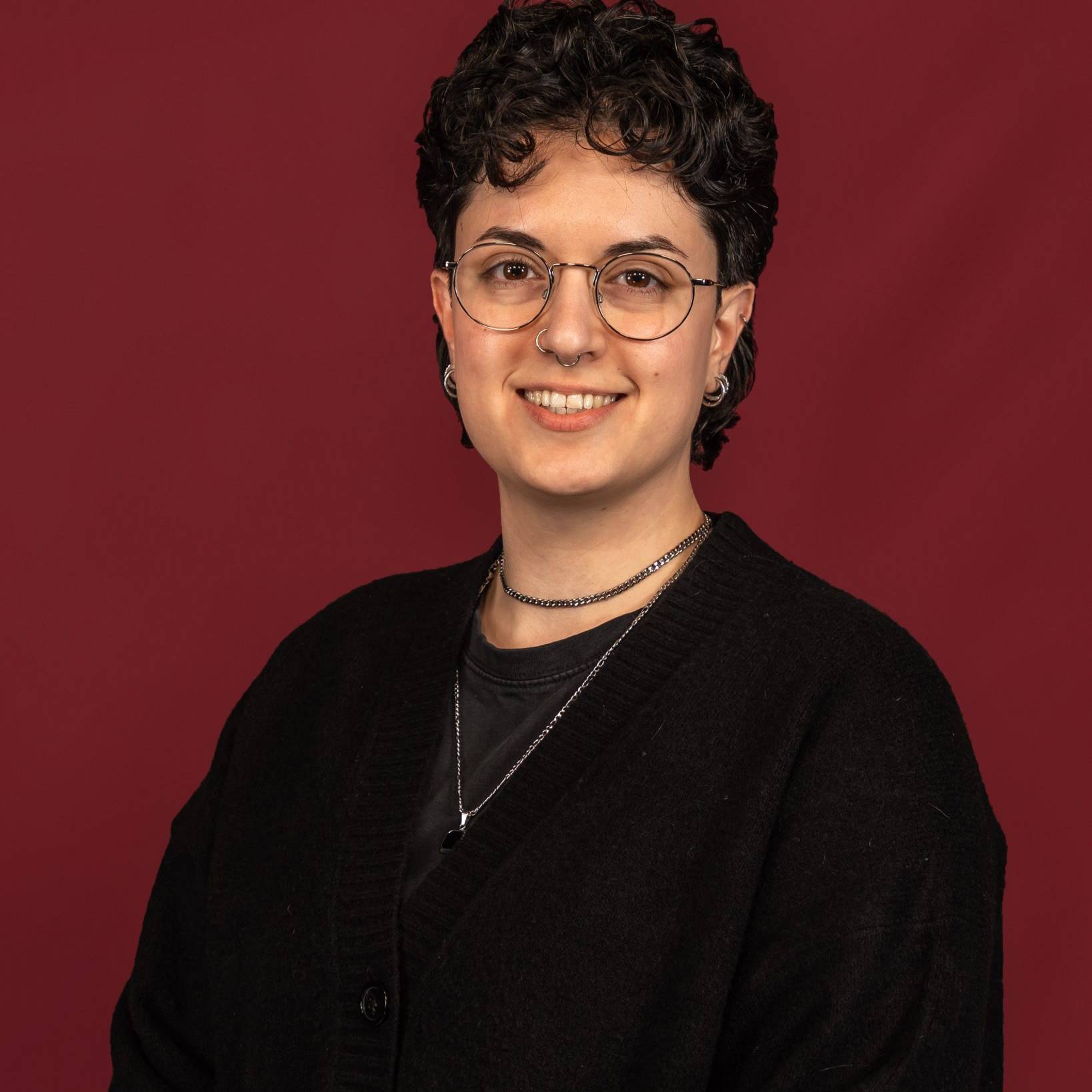
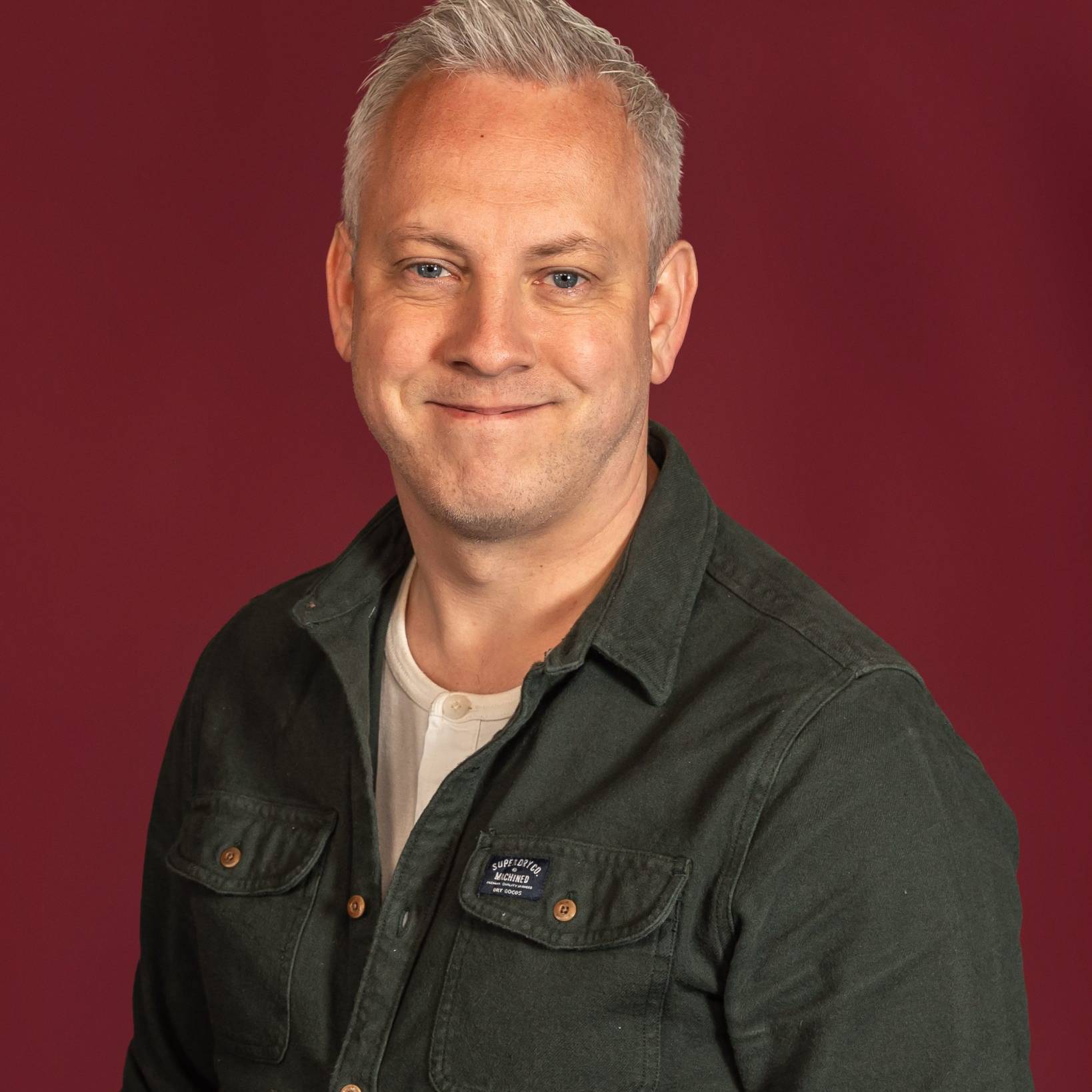
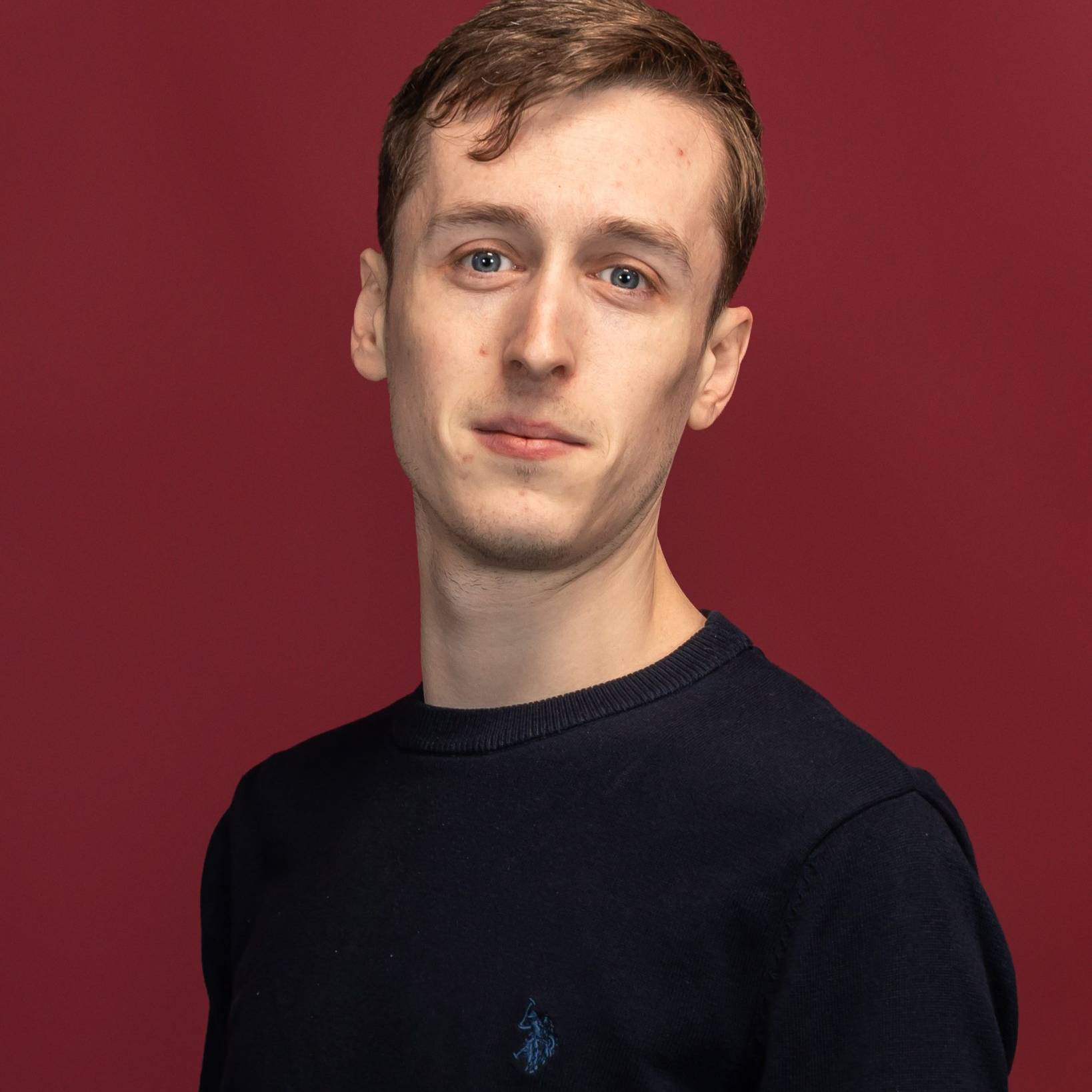
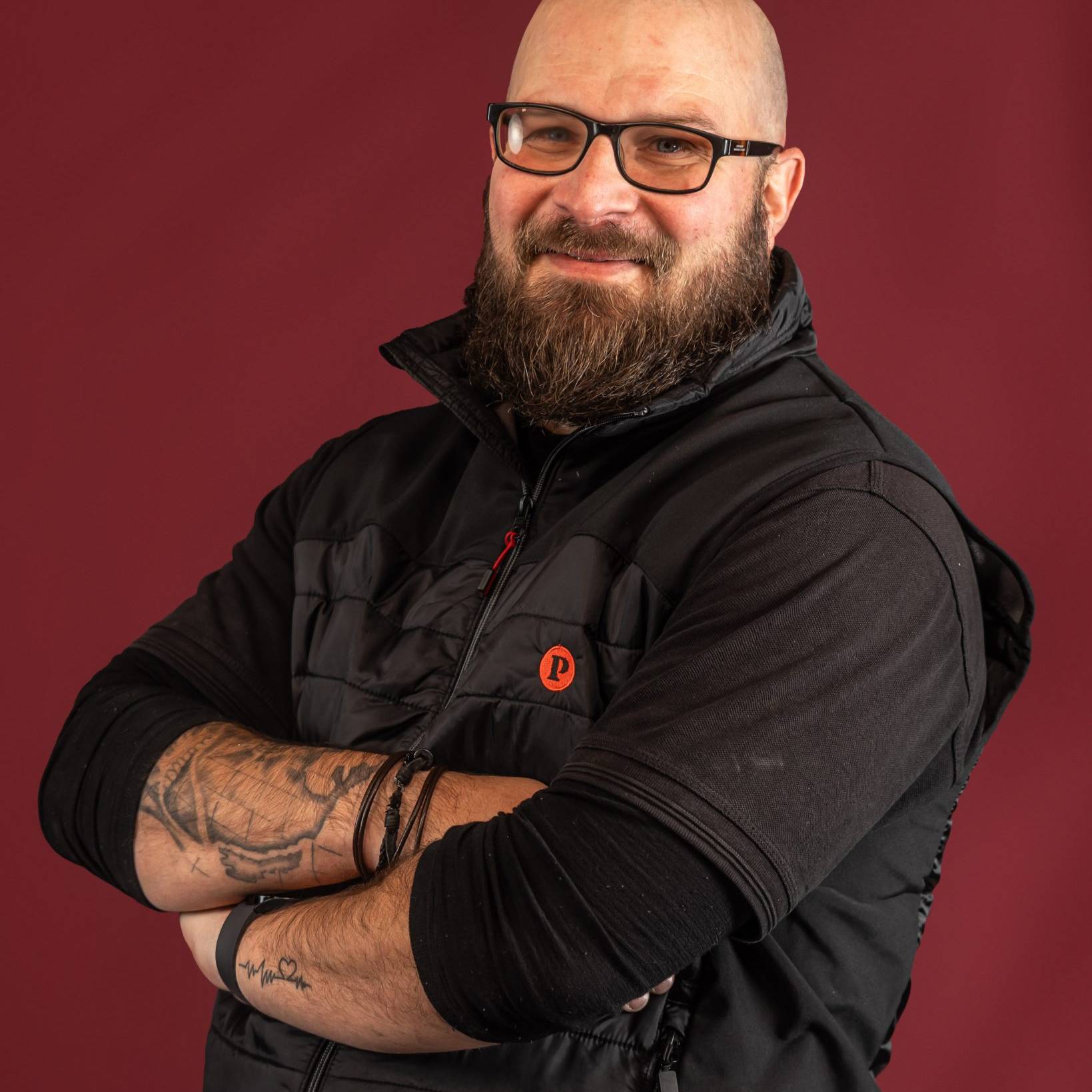
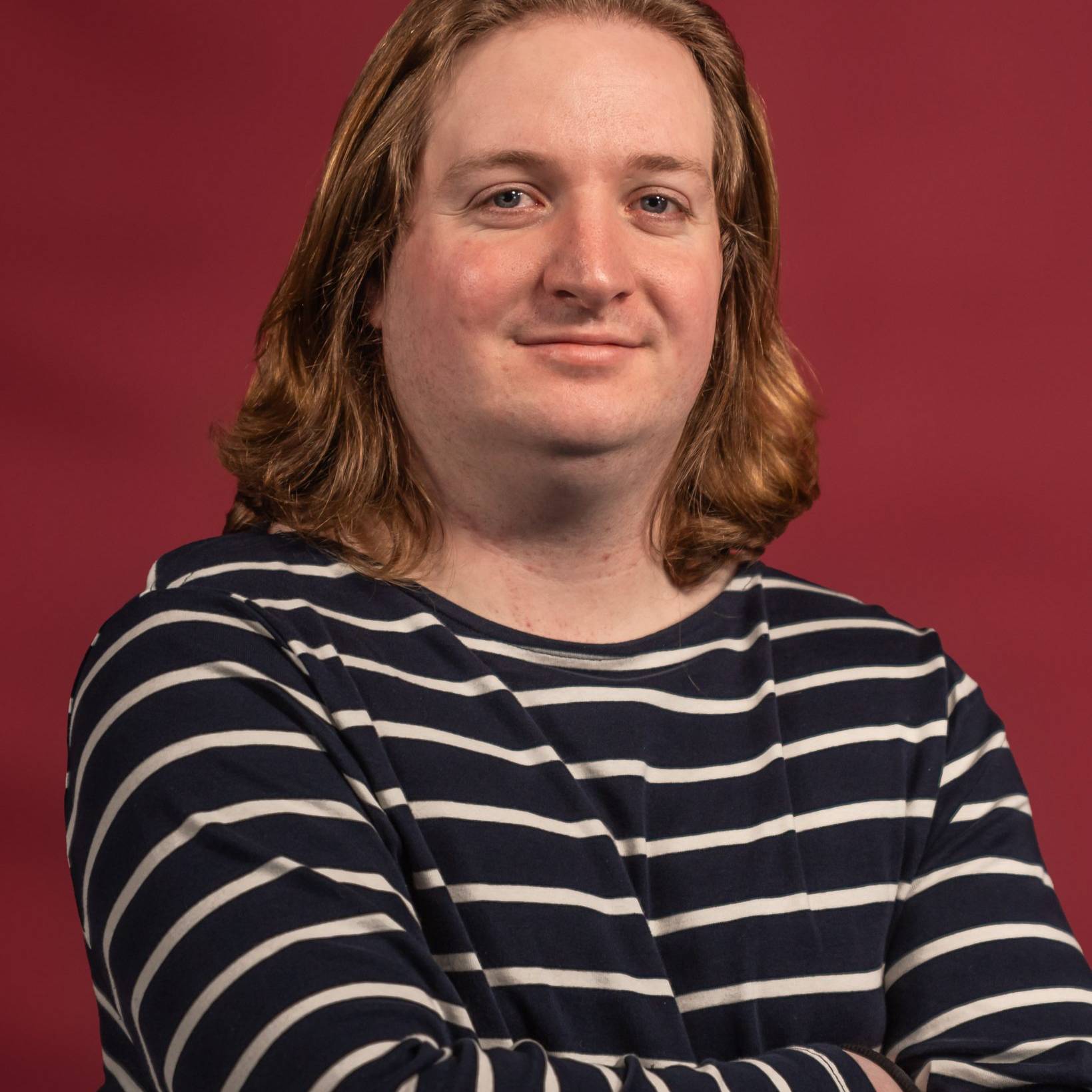
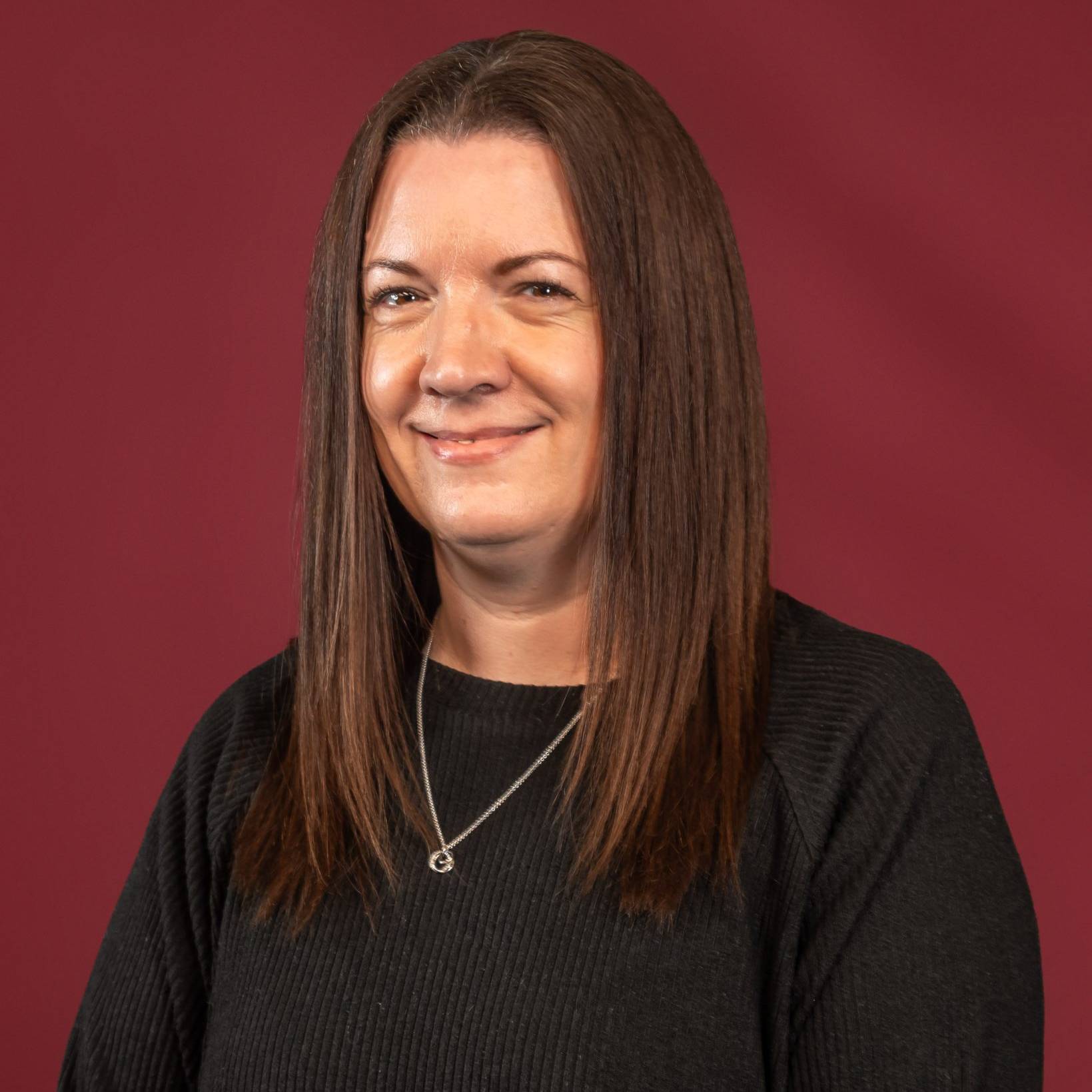
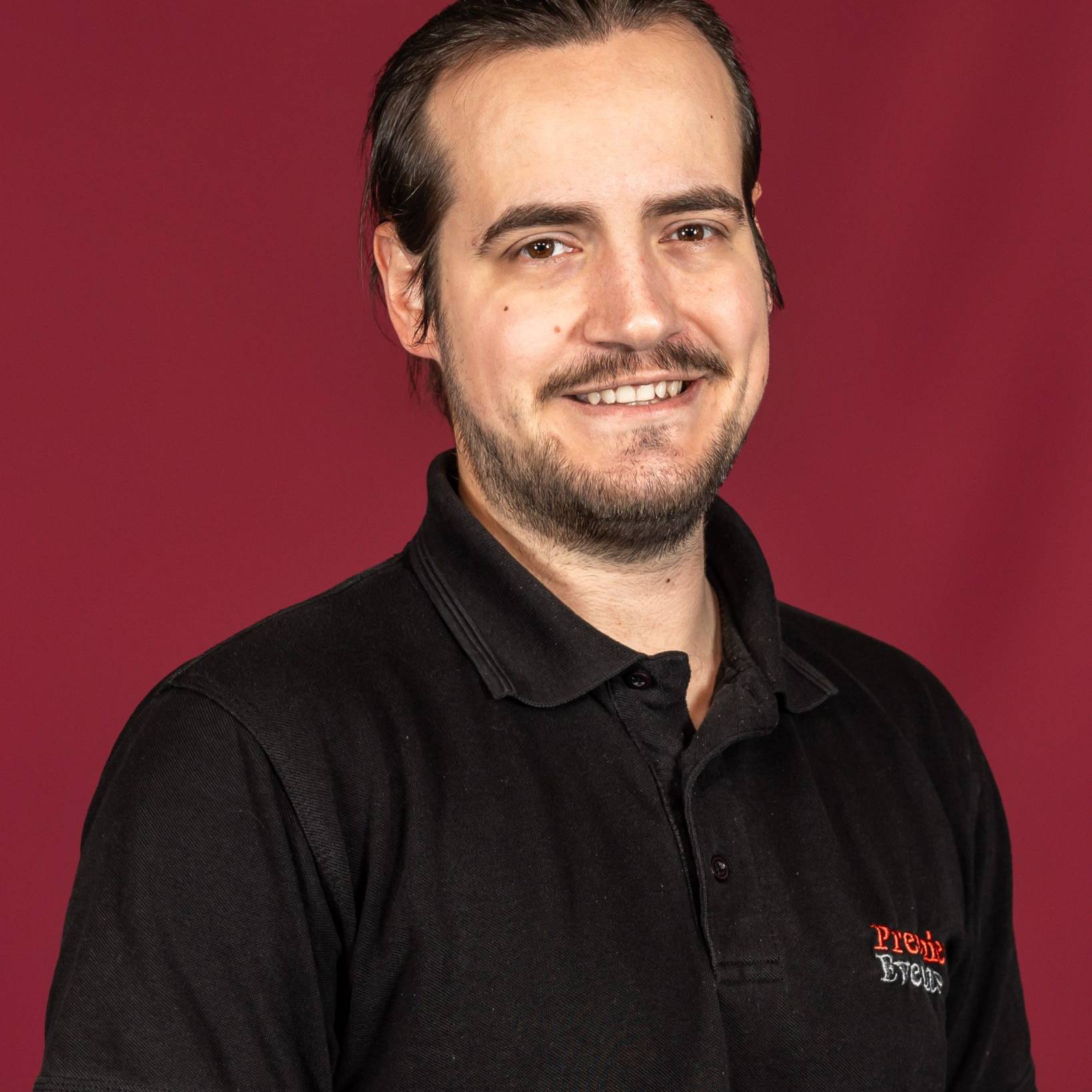
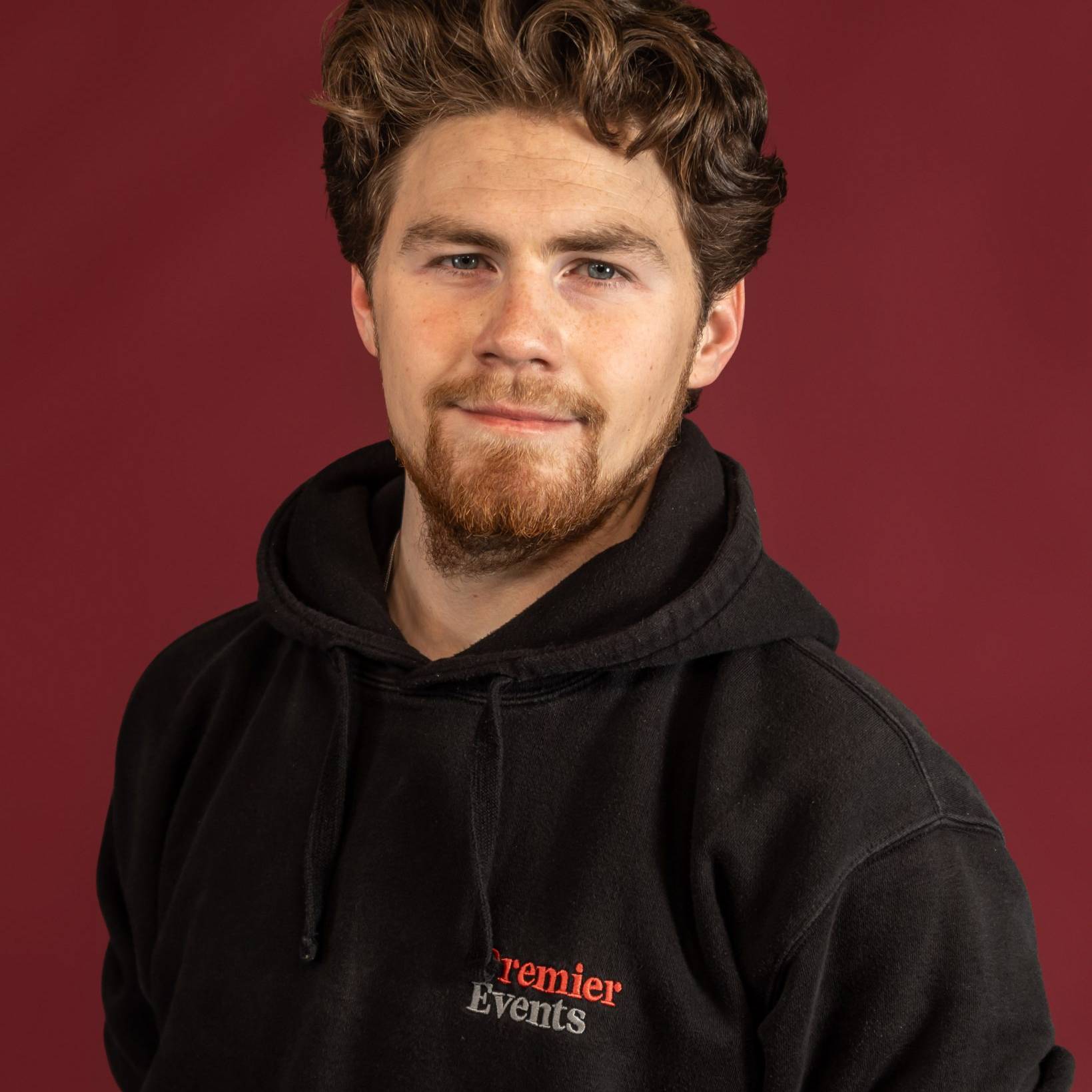
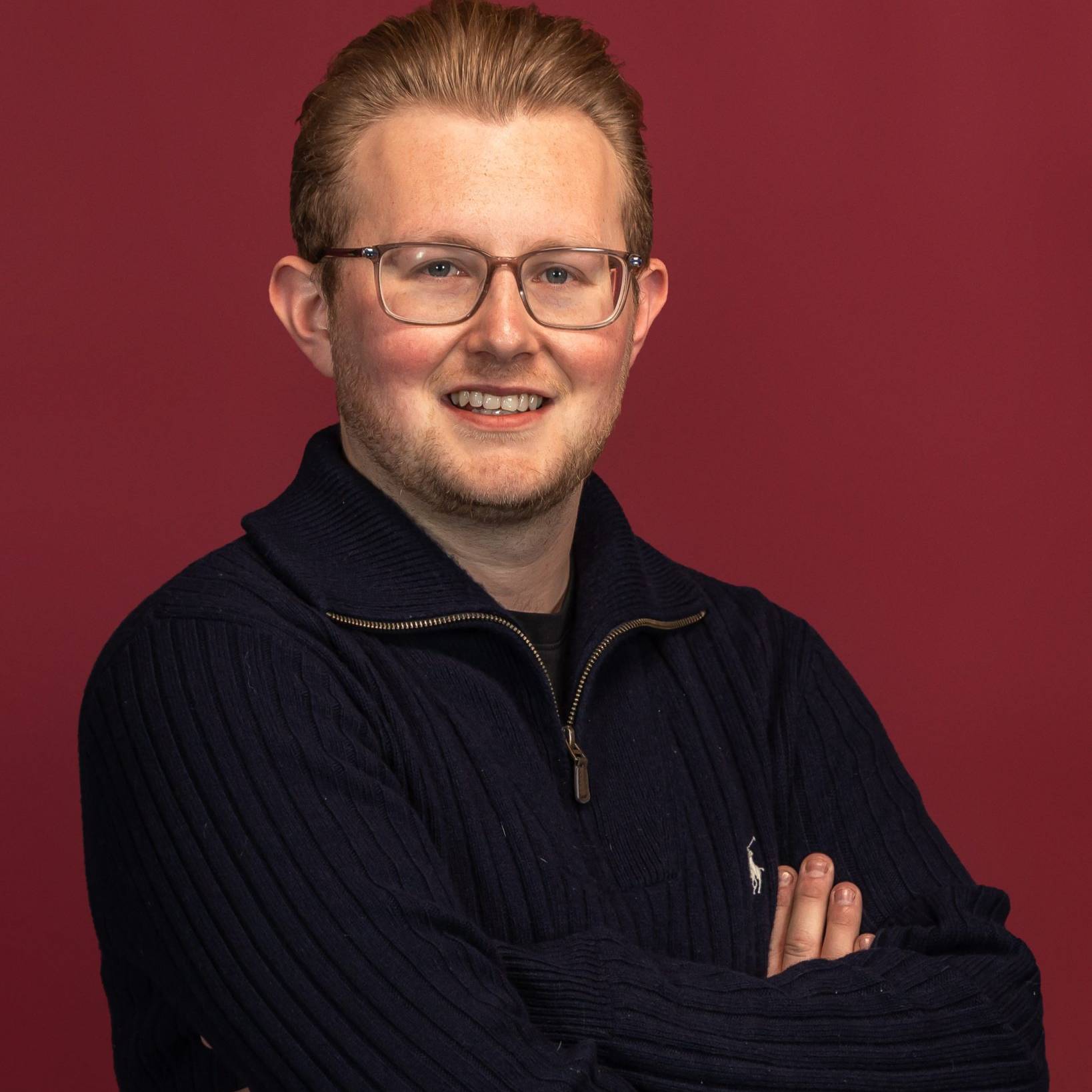
These are our people - the production managers, technicians, show-callers and crew who plan your event and run the room on the night. The same team from first site visit to final cue.




What We've Been Up To.
A look at the events we've delivered, the brief, the build, and how it ran on the night. Worth a read.