The Rundown
Topics: Soundproofing, Noise Control | Published: February 2022 | 2 min read
Soundproofing and noise reduction is a more complex art than it first appears, and rarely as simple as putting up a soundproof wall.
Good sound quality and minimal disturbance are both essential - the first for the people inside, the second for your neighbours and for the council noise conditions attached to your licence.
The techniques that work fall into three groups: physical barriers that stop sound travelling, speaker placement that puts sound where it is wanted, and system design that avoids producing excess energy in the first place.
Here is how each works, and why the third matters more than most organisers expect.
Physical Barriers
Blocking the Path
The primary method of controlling noise at a live event is the strategic use of physical barriers and soundproofing equipment.
These act as a shield between the event space and its surroundings, stopping sound escaping and outside noise getting in.
Drapes and Temporary Walls
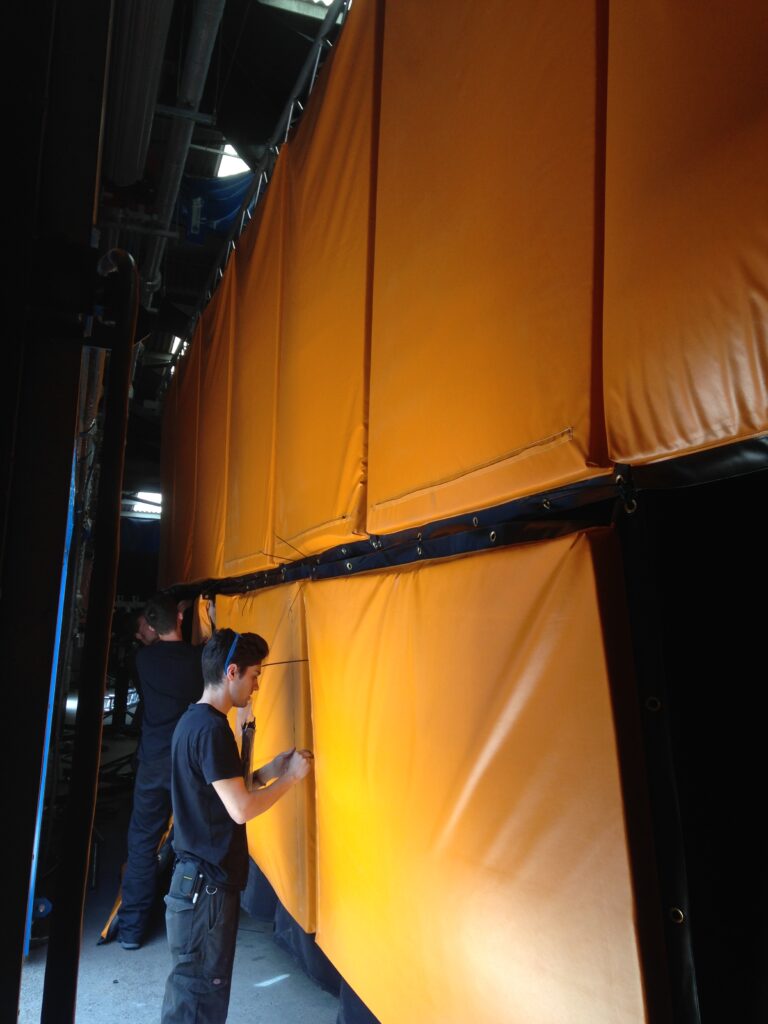
Soundproof drape curtains and temporary wall systems significantly reduce transmission.
Premier Live uses the BLOKKA panel system for this, generally in conjunction with heavy drape. The two work differently - mass blocks low frequency, absorption handles mid and high - so they are far more effective together than either is alone.
Absorption Inside
Sound-absorbing material on walls and ceilings deals with a separate problem: echo and reverberation within the room.
That improves what the audience actually hears rather than what the neighbours hear, and it is frequently the difference between a speech being intelligible and being merely audible.
What Barriers Cannot Do
No temporary barrier is airtight, and low frequency passes through almost anything.
If bass is the problem - and with music events it usually is - barriers alone will not solve it. That is a system design question.
Speaker Placement
Putting Sound Where It Belongs
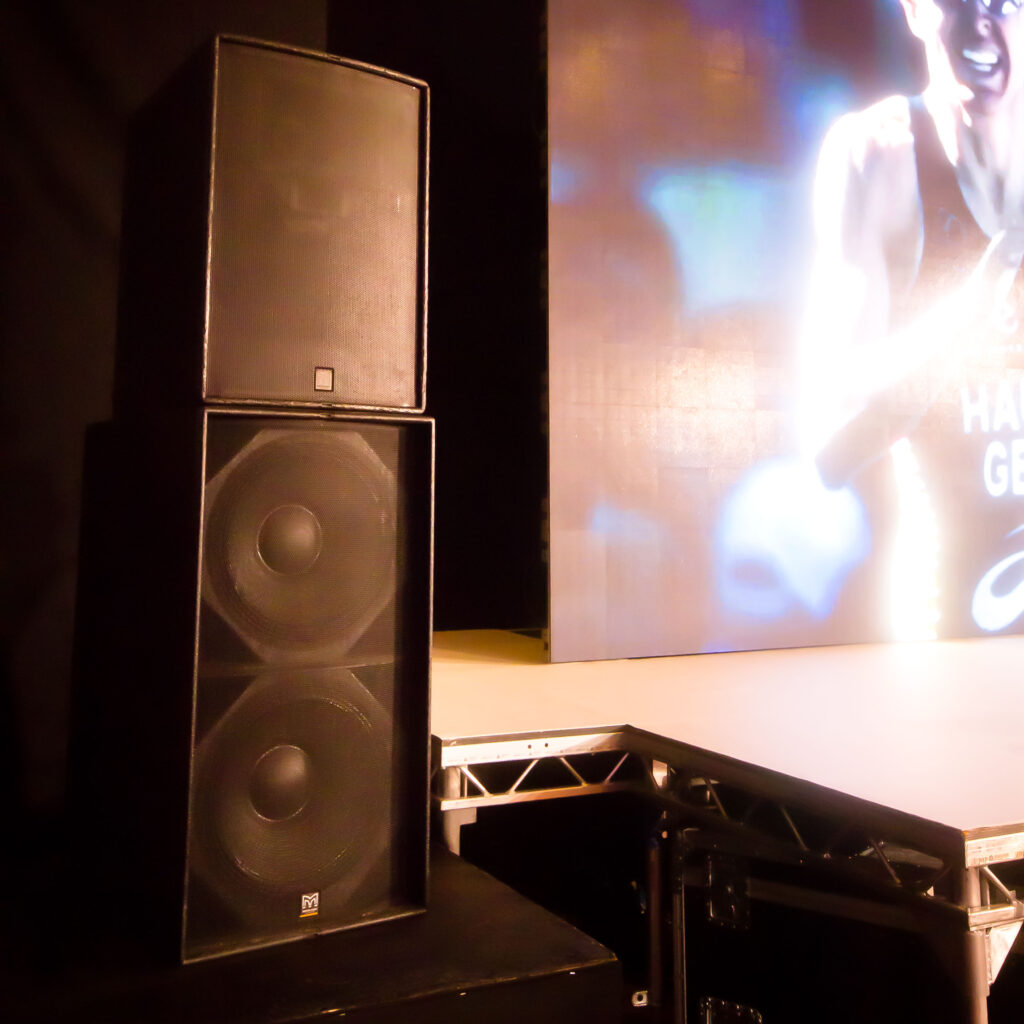
Thoughtful speaker placement is central to optimising sound distribution and minimising unwanted noise.
By positioning speakers carefully and aiming them properly, a technical team delivers sound precisely to the audience while minimising spill into adjacent areas.
That maintains clarity where you want it and reduces noise where you do not.
Fewer, Closer Speakers
The instinct is to make the system louder so the back of the room can hear. That is usually the wrong move.
Distributing smaller speakers through a space, closer to the audience, achieves the same coverage at far lower overall level - which means less energy escaping the building and less reverberation inside it.
Directional Control
Line array systems can be shaped so their coverage stops where the audience stops.
That allows exclusion zones - keeping sound off a boundary, a neighbouring room or a residential edge - which is often the specific thing a noise condition requires.
Aim Away From Hard Surfaces
Sound aimed at a bare wall comes back. Aiming speakers at people, who absorb sound, rather than at reflective surfaces is one of the cheapest improvements available.
System Design
The Foundation
A well-designed sound system is the cornerstone of noise management, and it is where the largest gains sit.
Design accounts for venue size, shape and intended use before any equipment is chosen.
Zoning and Delay
Zoning and directional arrays let engineers focus energy towards the audience and away from everywhere else.
Time-delayed distributed systems take it further - several smaller sources timed so the sound arrives together, giving even coverage at markedly lower level than a single loud system at the stage.
Digital Signal Processing
DSP allows precise control over levels, equalisation and frequency response.
That means problem frequencies can be reduced specifically rather than turning everything down, which protects the experience inside while satisfying limits outside.
Design Beats Treatment
The common mistake is putting in a large system by the stage that has to be extremely loud to cover the room.
The louder it runs, the more reverberation it produces, and the harder everything becomes to hear. Solving that with more absorption is treating a symptom.
Get the system design right and the barriers have far less work to do.
Need Help?
If you need soundproofing or noise reduction at your next event, get in touch with Premier Live on 0116 202 9953 or info@premier-ltd.com.
Tell us about your event.
Fill in the form and we'll come back to you quickly, not with a generic auto-reply, but with something useful.
Prefer a call? Book a 20-minute discovery call at a time that suits you.
Rather email? info@premier-ltd.com. Or just ring us: 0116 202 9953.
Once we hear from you, we'll set up a quick call to understand your brief properly, no lengthy questionnaires, no sales pitch.
We typically respond within two hours on working days.
EXPERIENCED. DEPENDABLE. HANDS-ON. UNFLAPPABLE
The people behind Premier Live
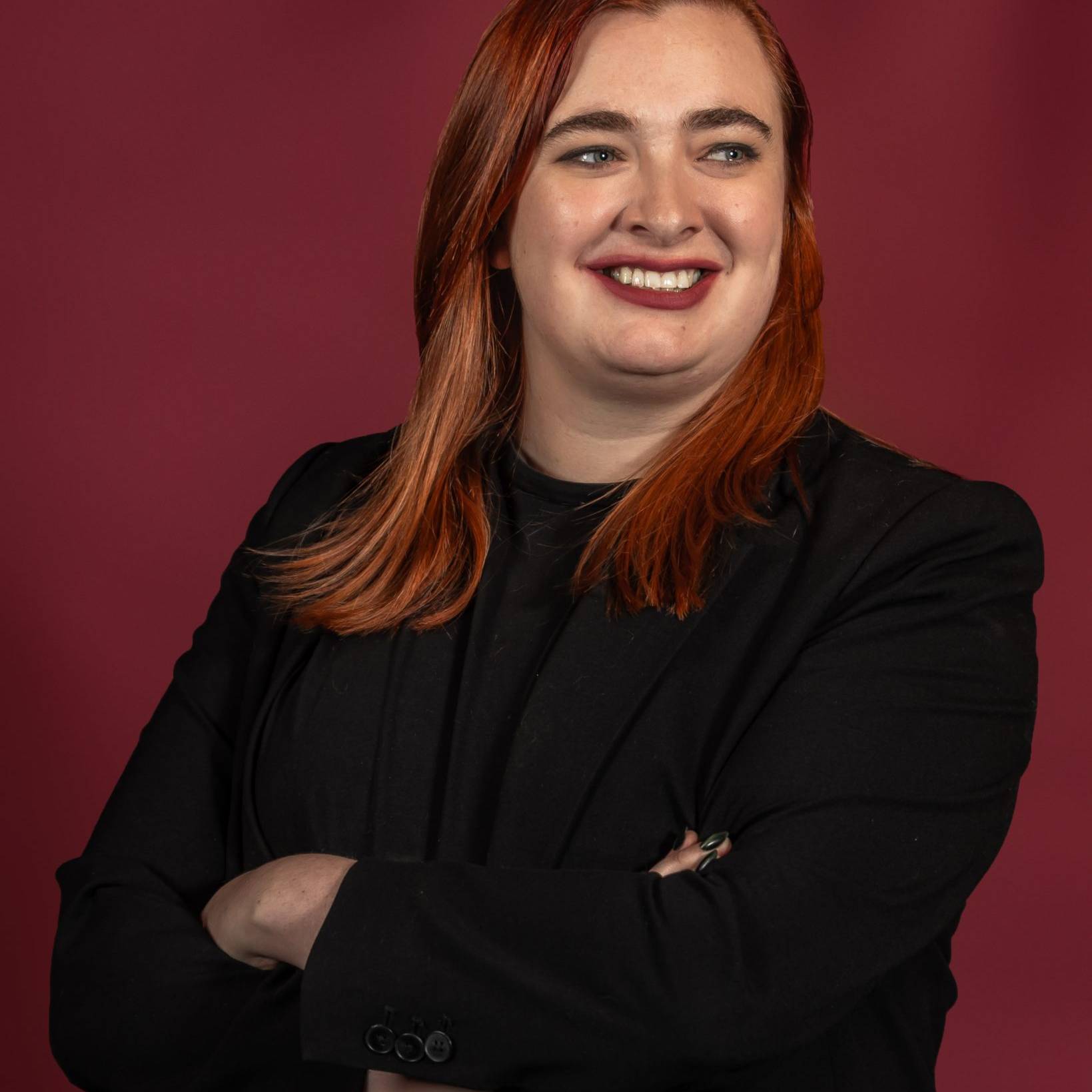
These are our people - the production managers, technicians, show-callers and crew who plan your event and run the room on the night. The same team from first site visit to final cue.



















What We've Been Up To.
A look at the events we've delivered, the brief, the build, and how it ran on the night. Worth a read.