The Rundown
Topics: Technical Riders, Production Planning | 4 min read
A technical rider is a document setting out the technical requirements for a performance, event or show. It is usually issued by the artist, band, speaker or performer and their technical team.
Its job is to create a shared understanding between the performer and the venue or production team, so that nobody arrives on the day with a different picture of what is happening.
A good rider covers sound, lighting, video, staging, effects, power, rigging, crew and equipment - and where it is done well it prevents almost every avoidable problem on a show.
Here is what sits inside one, and how to approach it as the person receiving it.
Sound, Light and Video
Sound
This section details the sound system and equipment required: type and number of speakers, amplifiers, mixing consoles, microphones, monitors and related items. It will also specify additional requirements such as effects processors, playback devices or anything unusual.
It should cover setup and operation too - available channels, signal flow, equalisation and other relevant detail. Well-prepared riders include a system diagram and a full equipment list.
Lighting
The lighting section specifies fixtures, control consoles, dimmers, cabling and accessories, along with rigging and hanging requirements, power needs, patching information and special effects.
It will often include a lighting plot - a visual representation of how the rig should be set up and used - accompanied by written notes on cues, effects and sequences.
Video
Where a performance involves screens, projectors, cameras, video walls or content playback, the rider covers the video equipment required.
That includes screen size and type, signal distribution, video switching, camera positions and shots.
It may also carry a content rundown - a detailed list of every piece of video to be played - which helps the production team ensure the right content is cued at the right moment.
Staging and Effects
Staging and Set
This covers stage size and shape, decking material, steps and ramps, set pieces, drapes and related items.
It usually extends to logistics as well: load-in and load-out times, crew requirements and access considerations.
A stage plot or set design often accompanies it, showing exactly how the stage should be built. That drawing is frequently the fastest way to spot a conflict between what the artist expects and what the venue can physically provide.
Pyrotechnics and Special Effects
Where a performance includes pyrotechnics, fireworks, confetti cannons or laser shows, the rider sets out the requirements and safety protocols - permits, fire marshals, safety distances, equipment specifications and crew training.
An Important Caveat
The presence of an effect in a rider does not mean it is approved or even feasible at a given venue.
Responsibility sits with the venue and production team to review those requirements properly and confirm they can be delivered safely and legally. A rider is a request, not an authorisation.
Raise anything questionable early. The worst time to discover a pyro request is unworkable is on the afternoon of the show.
Power, Rigging and Crew
Power
The rider should detail power requirements for all equipment - voltage, phase, amperage and outlet types - along with a distribution plan and any requirement for backup generators.
This is one of the most common sources of on-site difficulty, and one of the easiest to check in advance against what the venue actually has.
Rigging
Covering the rigging needs for lights, speakers, set pieces and decoration: rigging points, load limits, hardware and technique, usually with a rigging plot.
Audio-Visual Support
What the artist expects the venue or production team to provide - technical staff, equipment vendors, setup and strike, and other services.
Equipment and Crew
A comprehensive equipment list with makes, models and quantities, plus any special instructions. Alongside it, the number and roles of technical crew required, and any qualifications or certifications they need to hold.
How to Approach One
A rider is a crucial planning tool, but it works best treated as the start of a conversation rather than a fixed specification.
Every performance and every venue is different, and most riders contain items that are aspirational, out of date, or copied forward from a larger show. Read it properly, query what does not fit, and agree the differences in writing.
Premier Live works with technical riders regularly and can help interpret and deliver against them. Get in touch on 0116 202 9953 or info@premier-ltd.com.
Tell us about your event.
Fill in the form and we'll come back to you quickly, not with a generic auto-reply, but with something useful.
Prefer a call? Book a 20-minute discovery call at a time that suits you.
Rather email? info@premier-ltd.com. Or just ring us: 0116 202 9953.
Once we hear from you, we'll set up a quick call to understand your brief properly, no lengthy questionnaires, no sales pitch.
We typically respond within two hours on working days.
EXPERIENCED. DEPENDABLE. HANDS-ON. UNFLAPPABLE
The people behind Premier Live
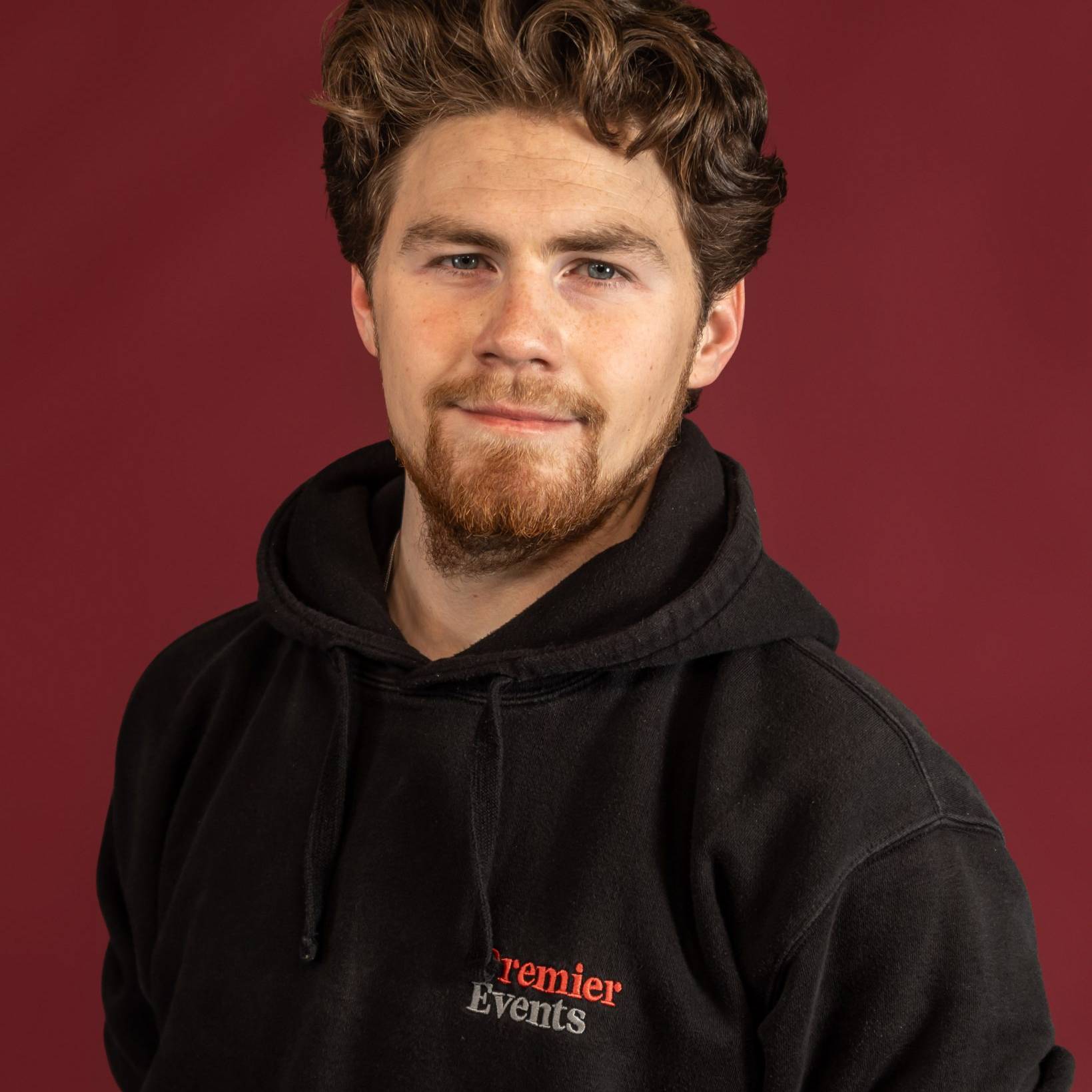
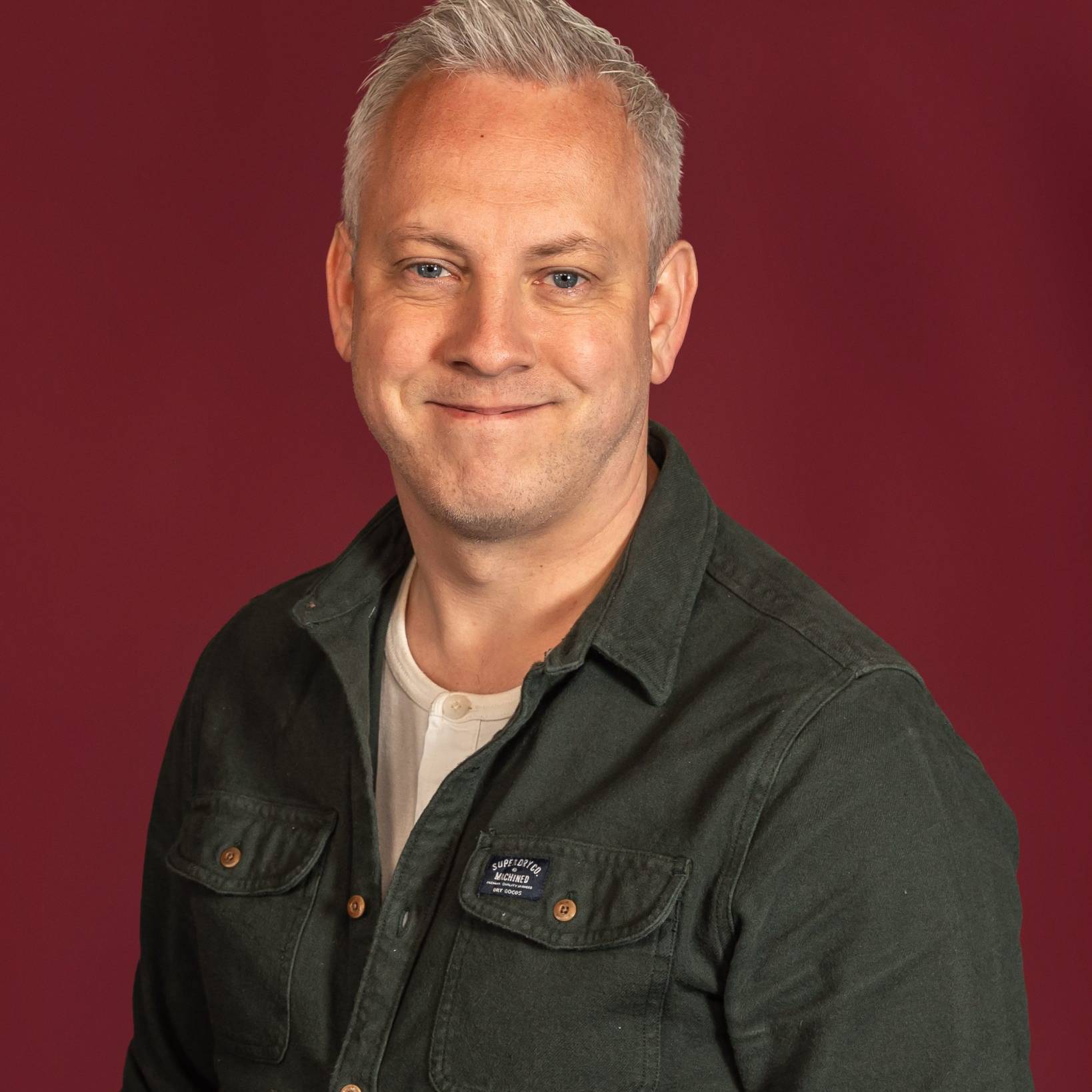
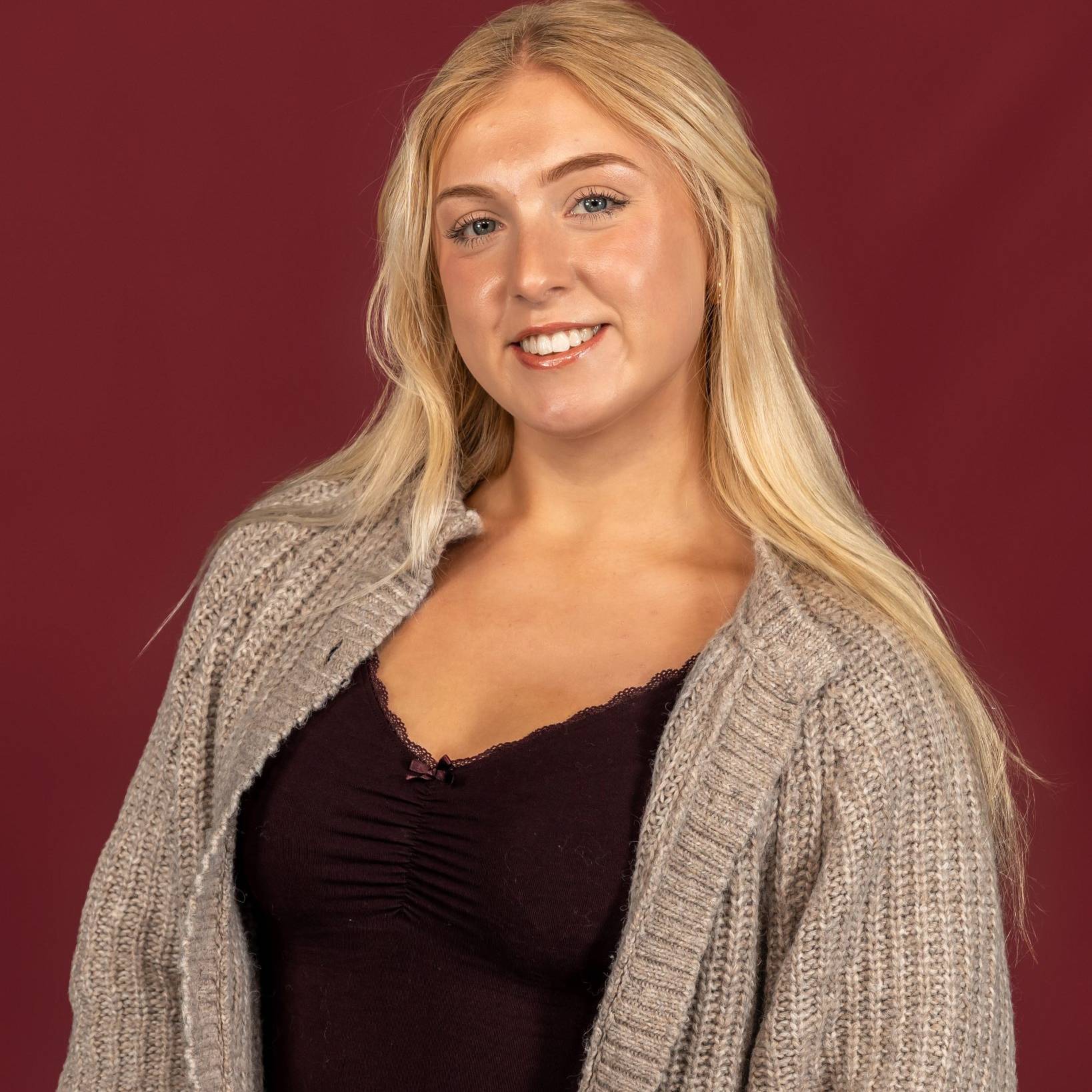
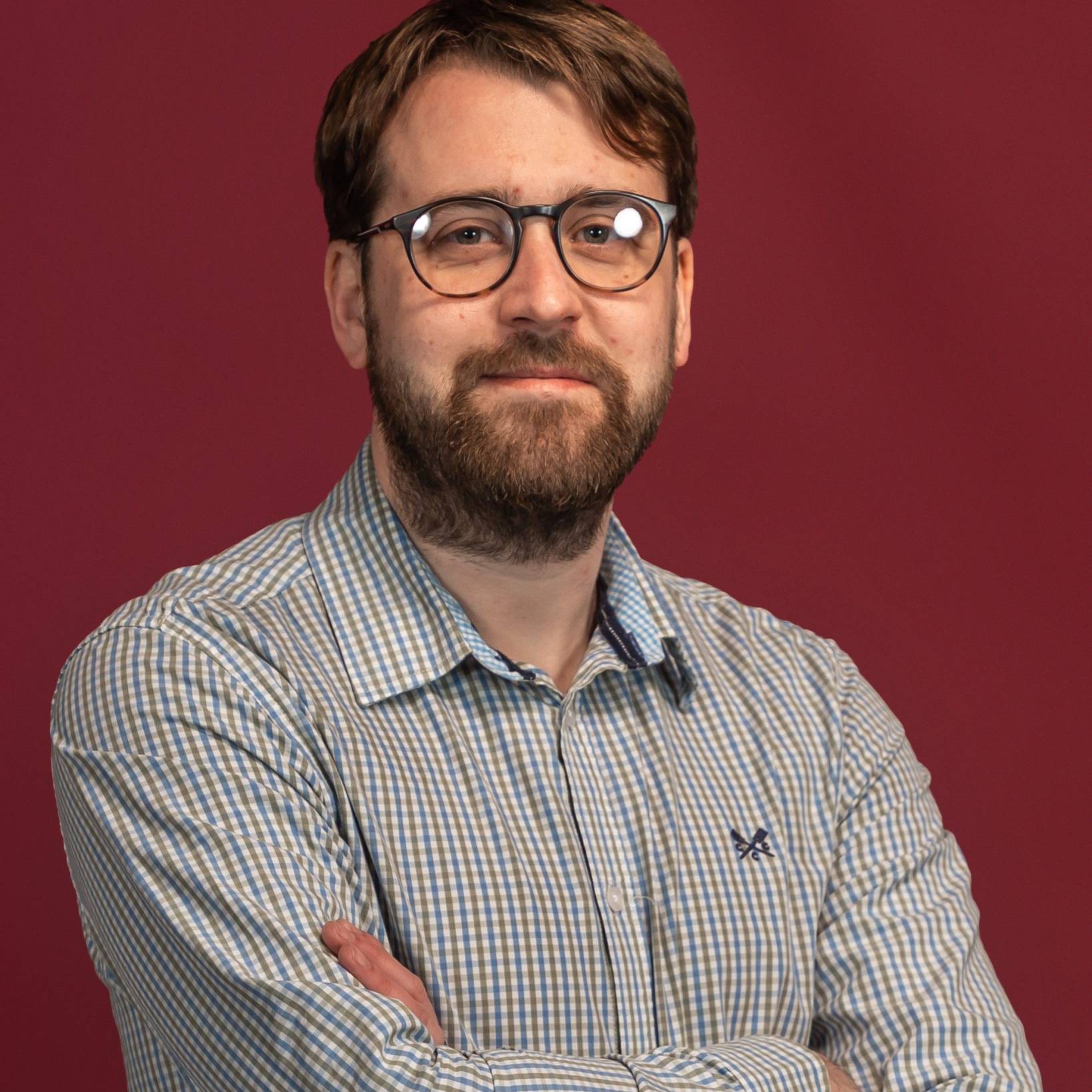
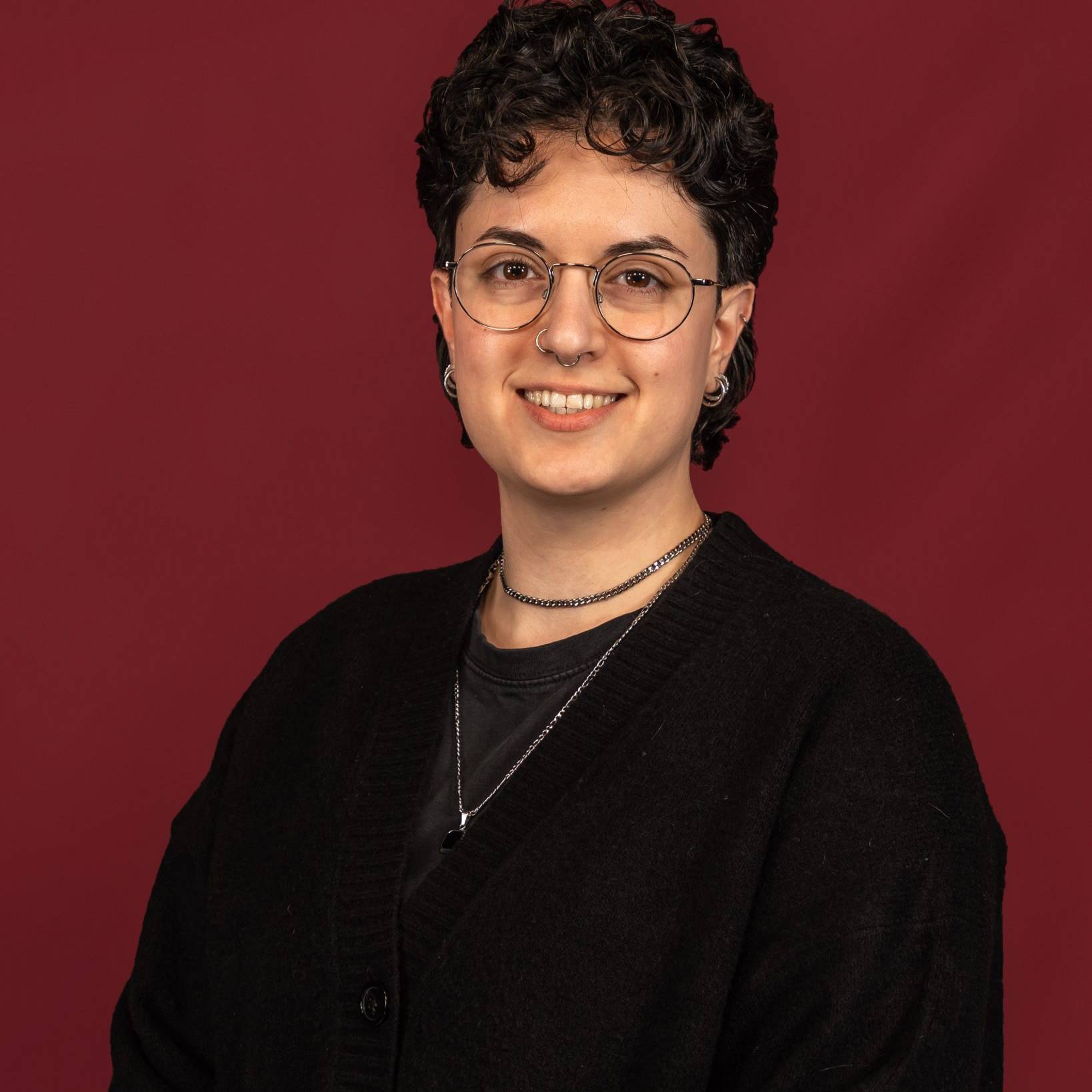
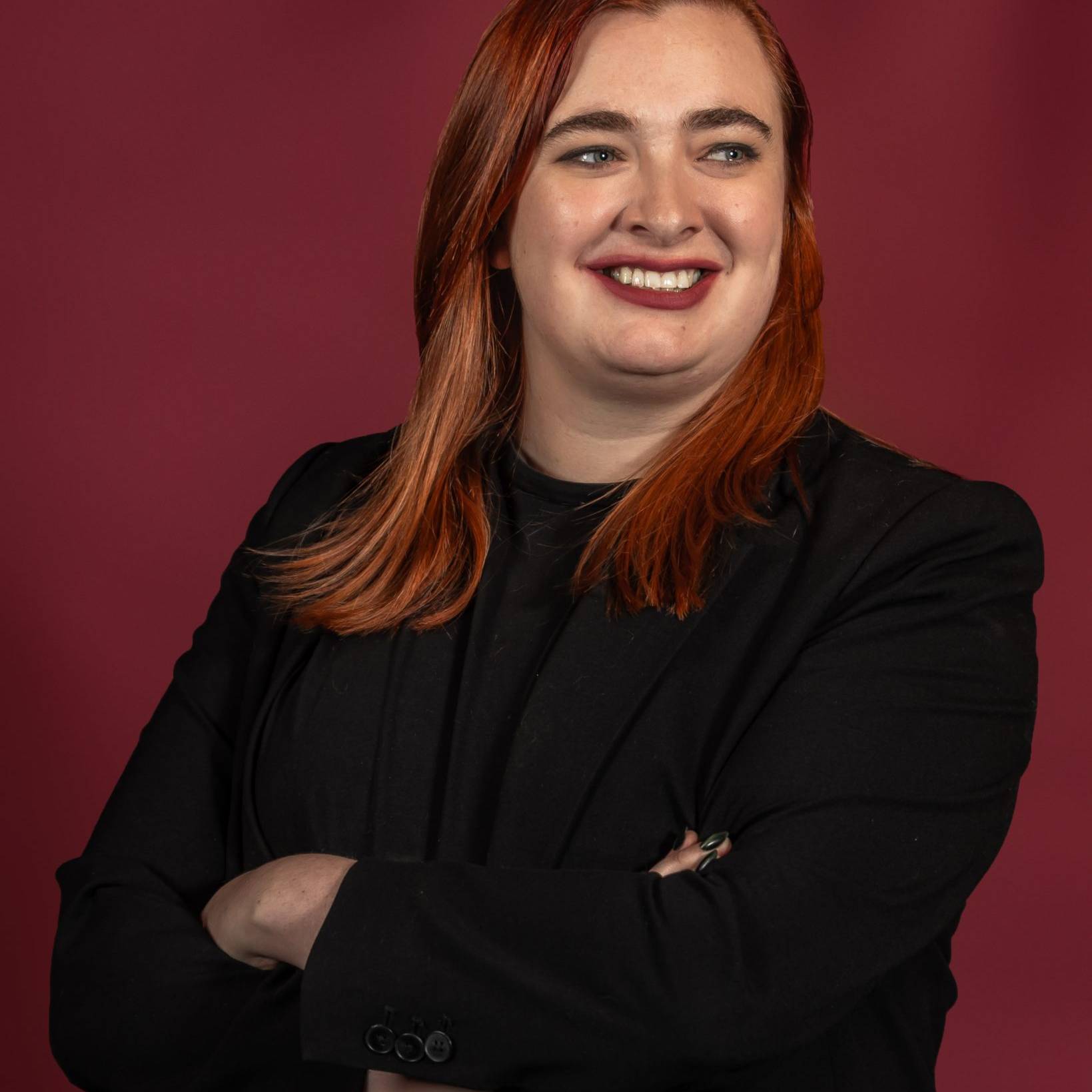
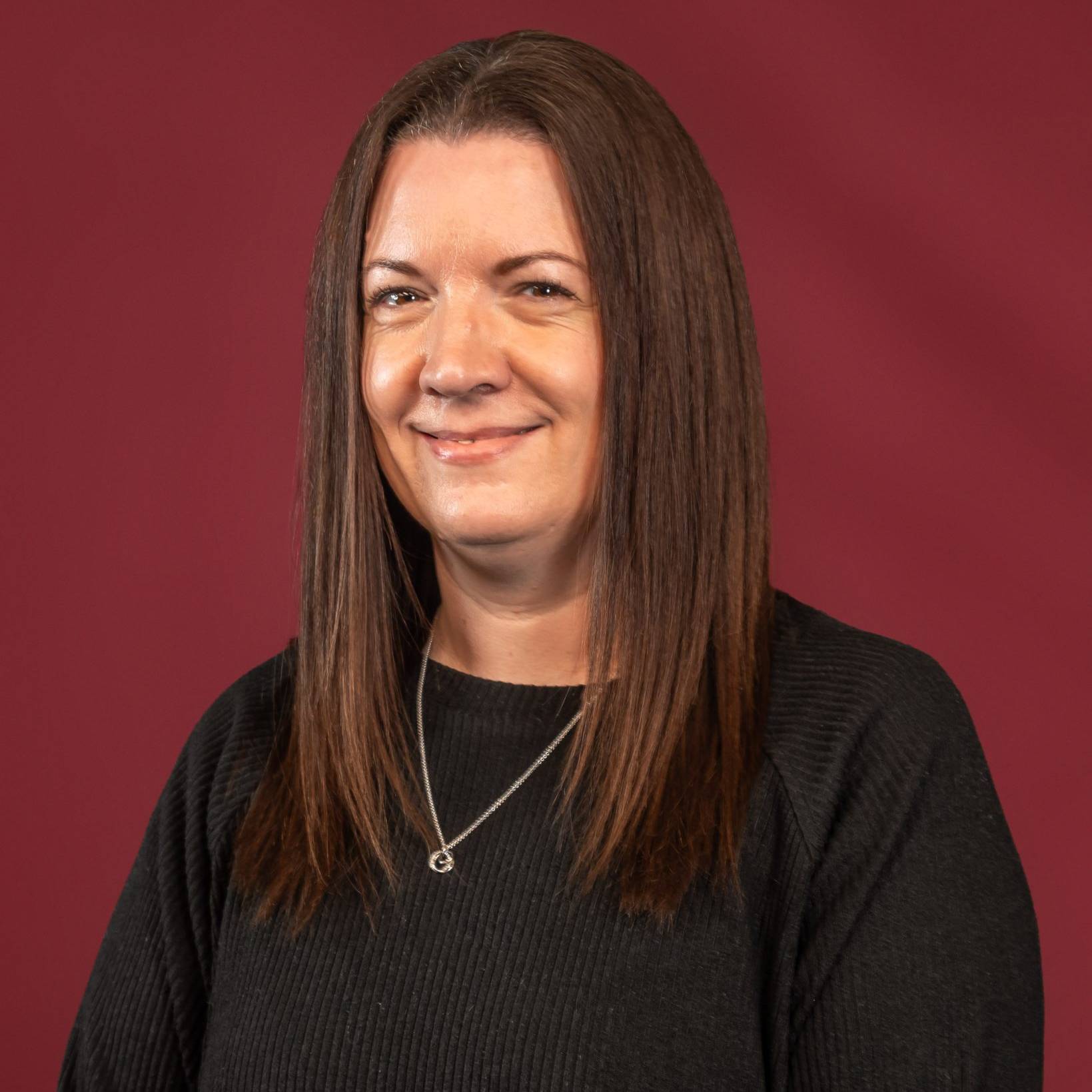
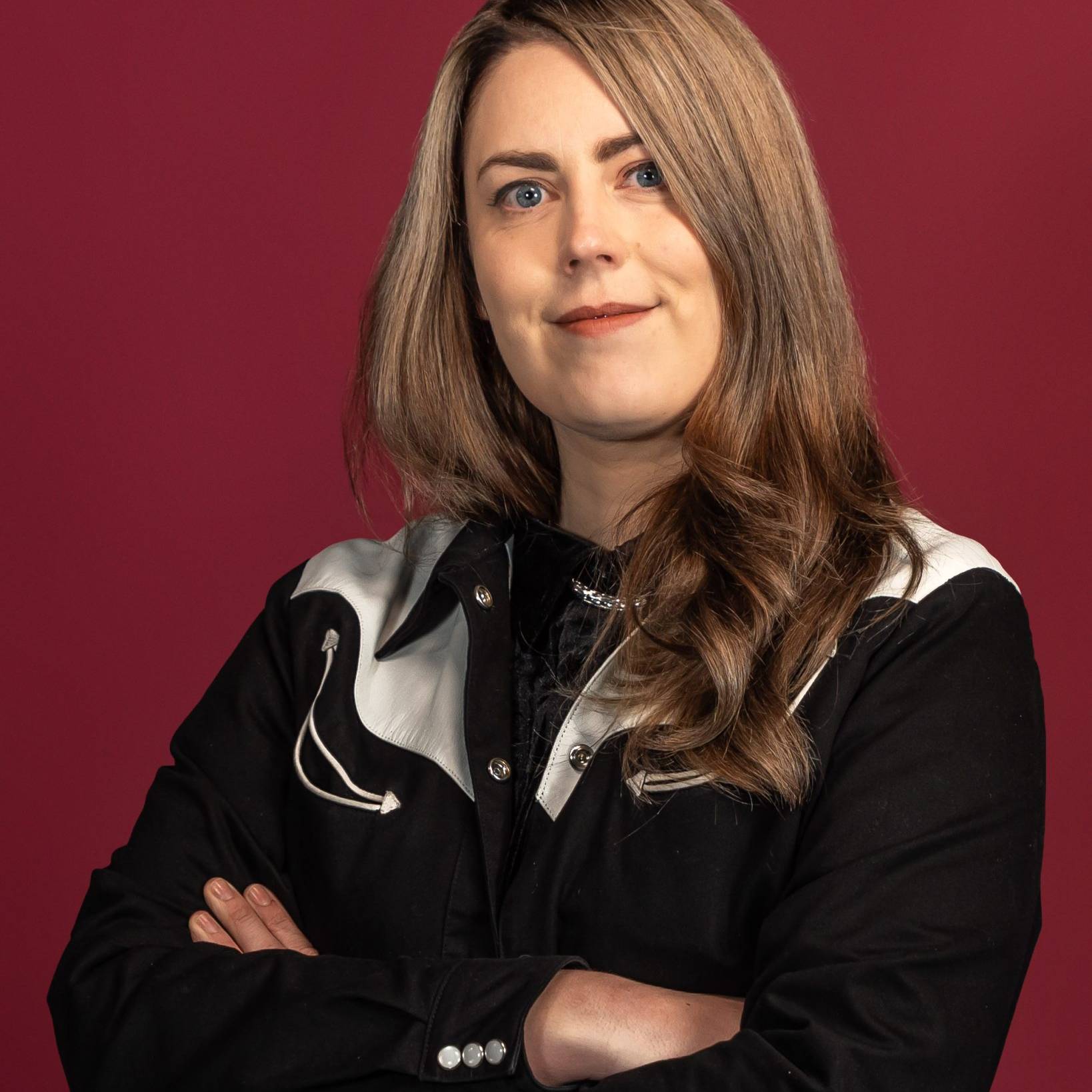
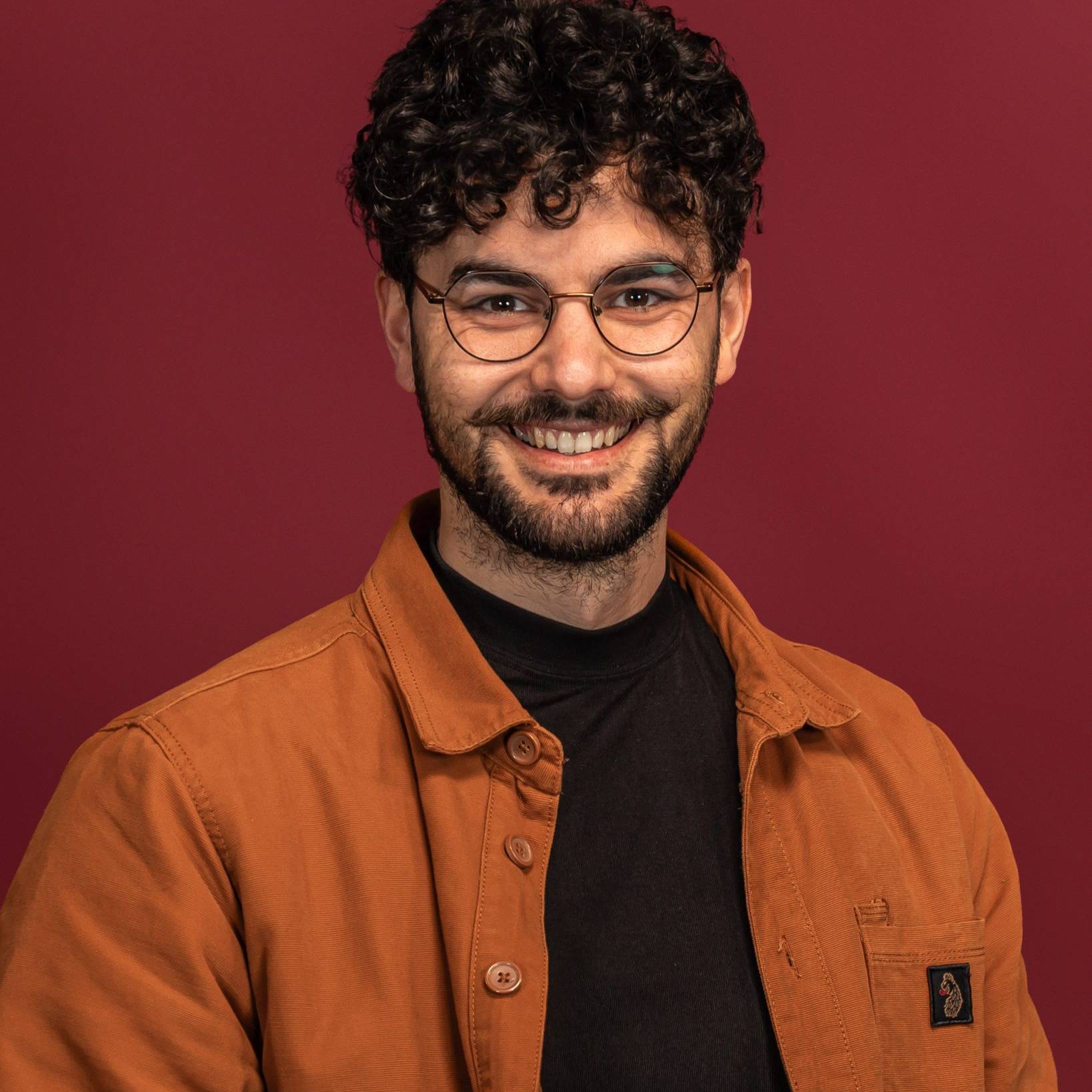
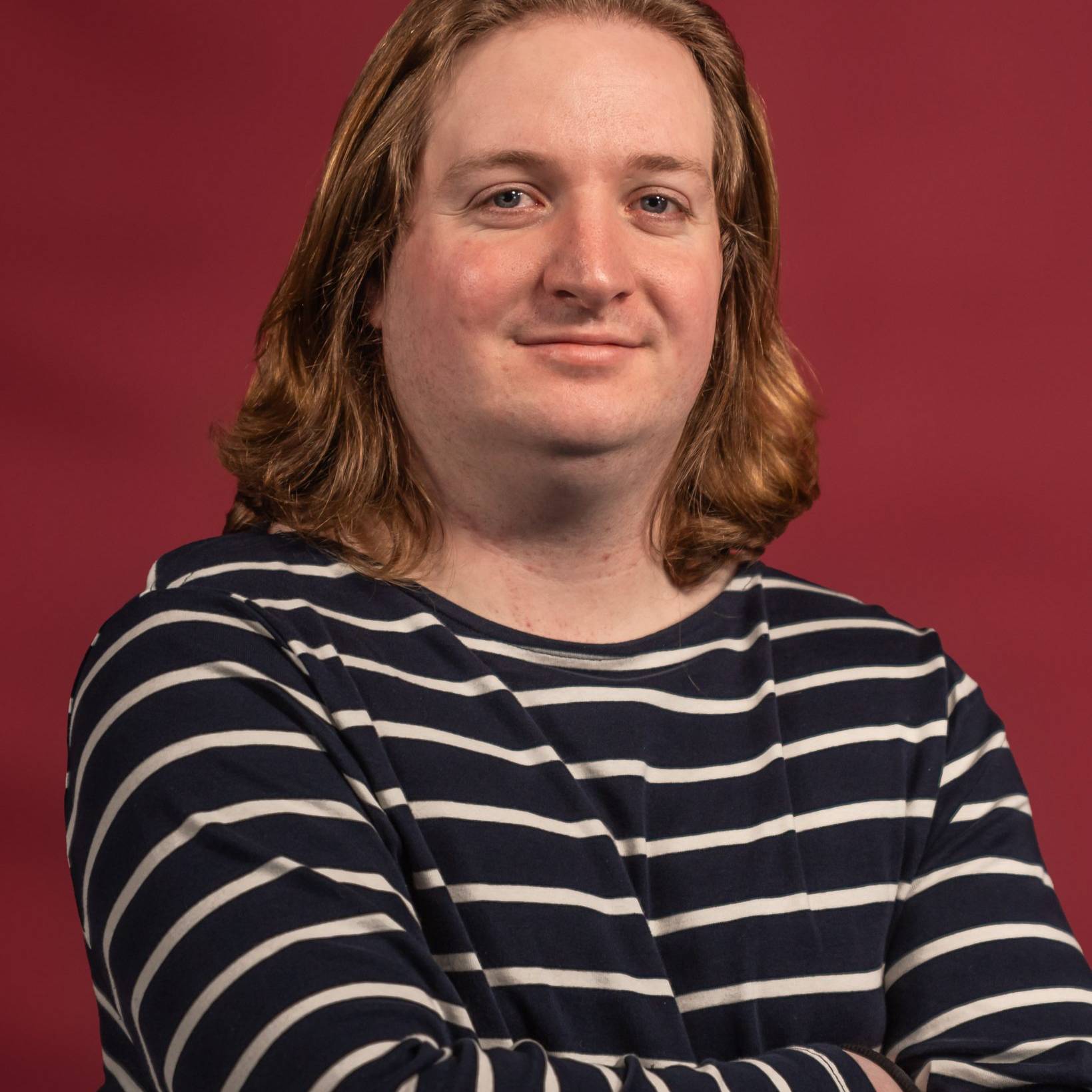
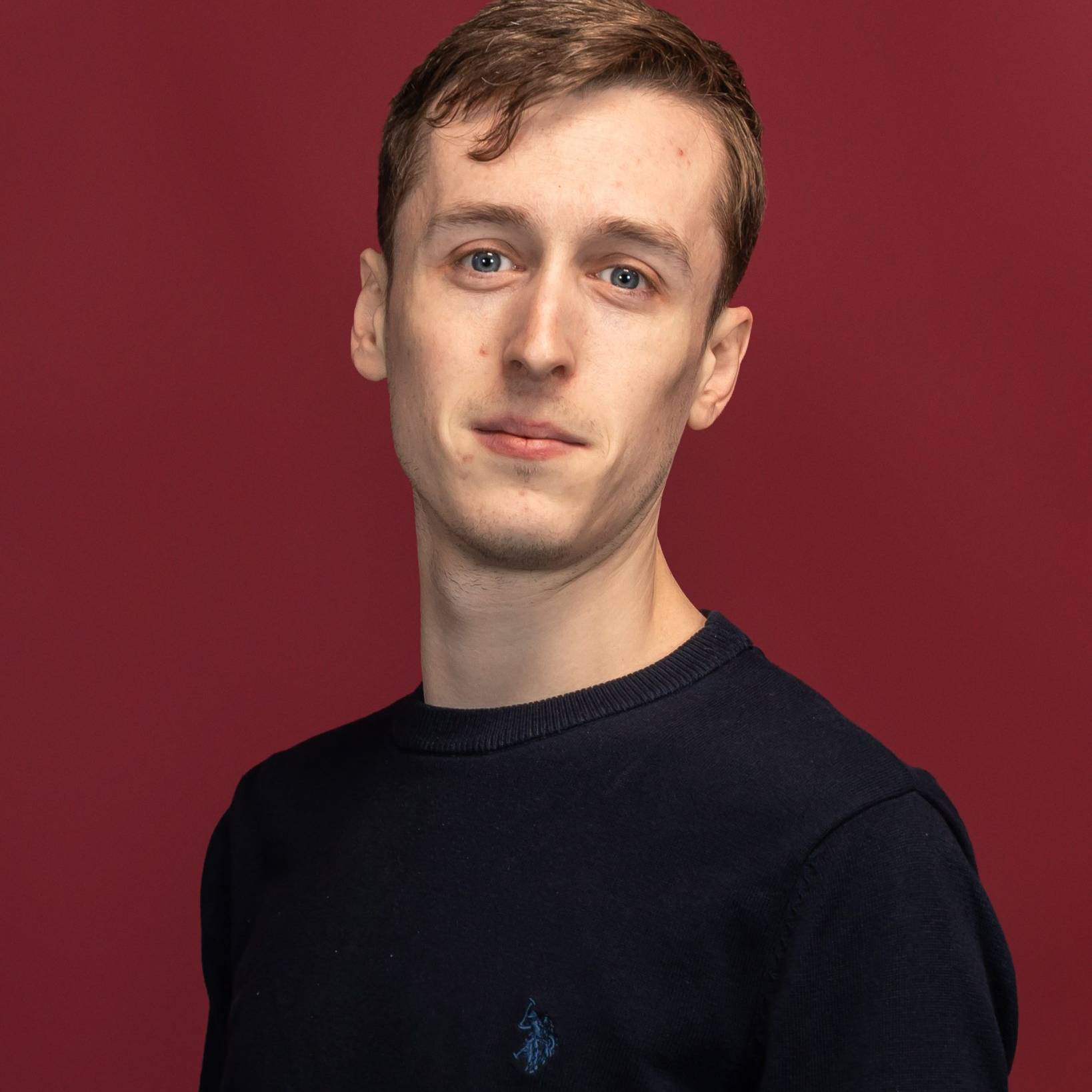
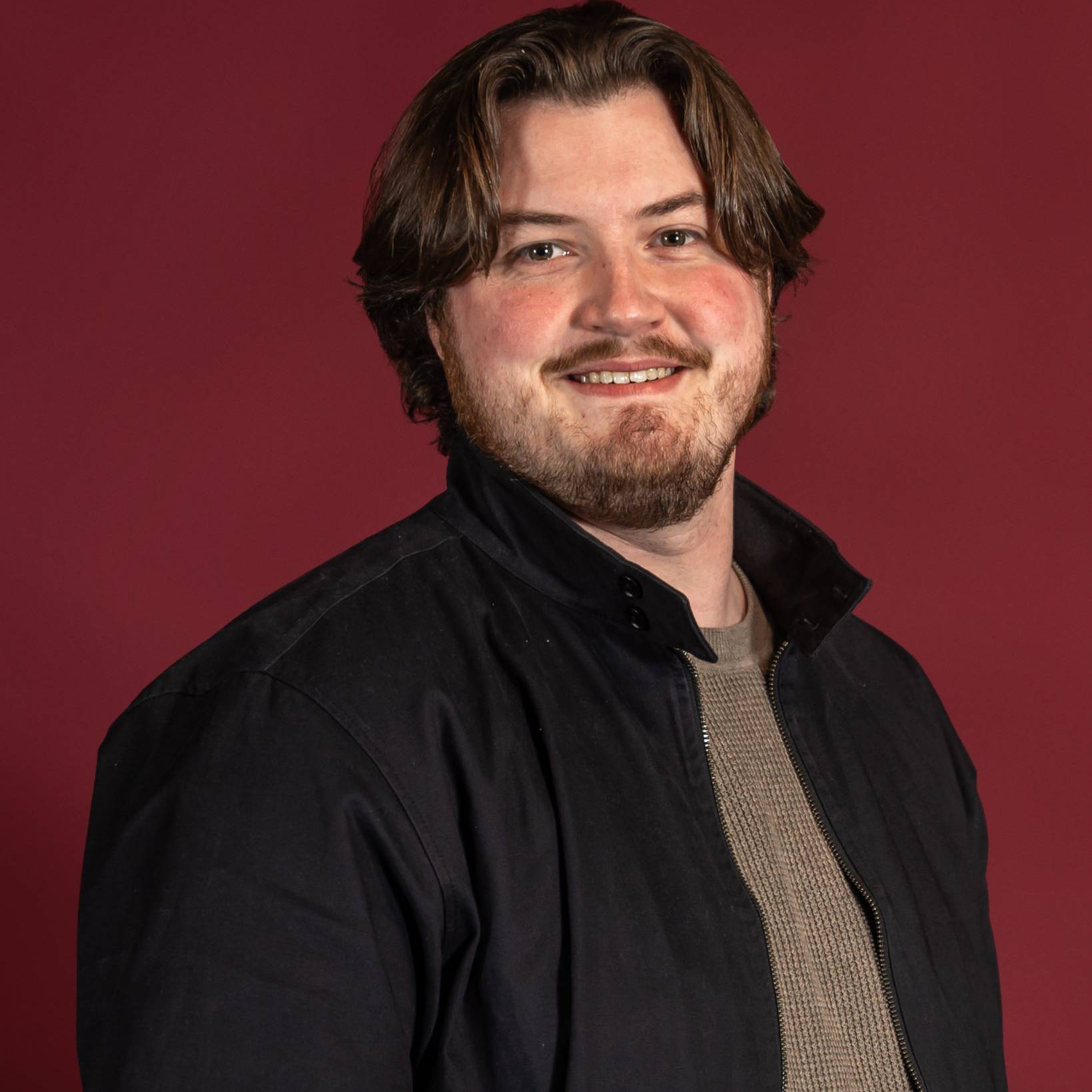
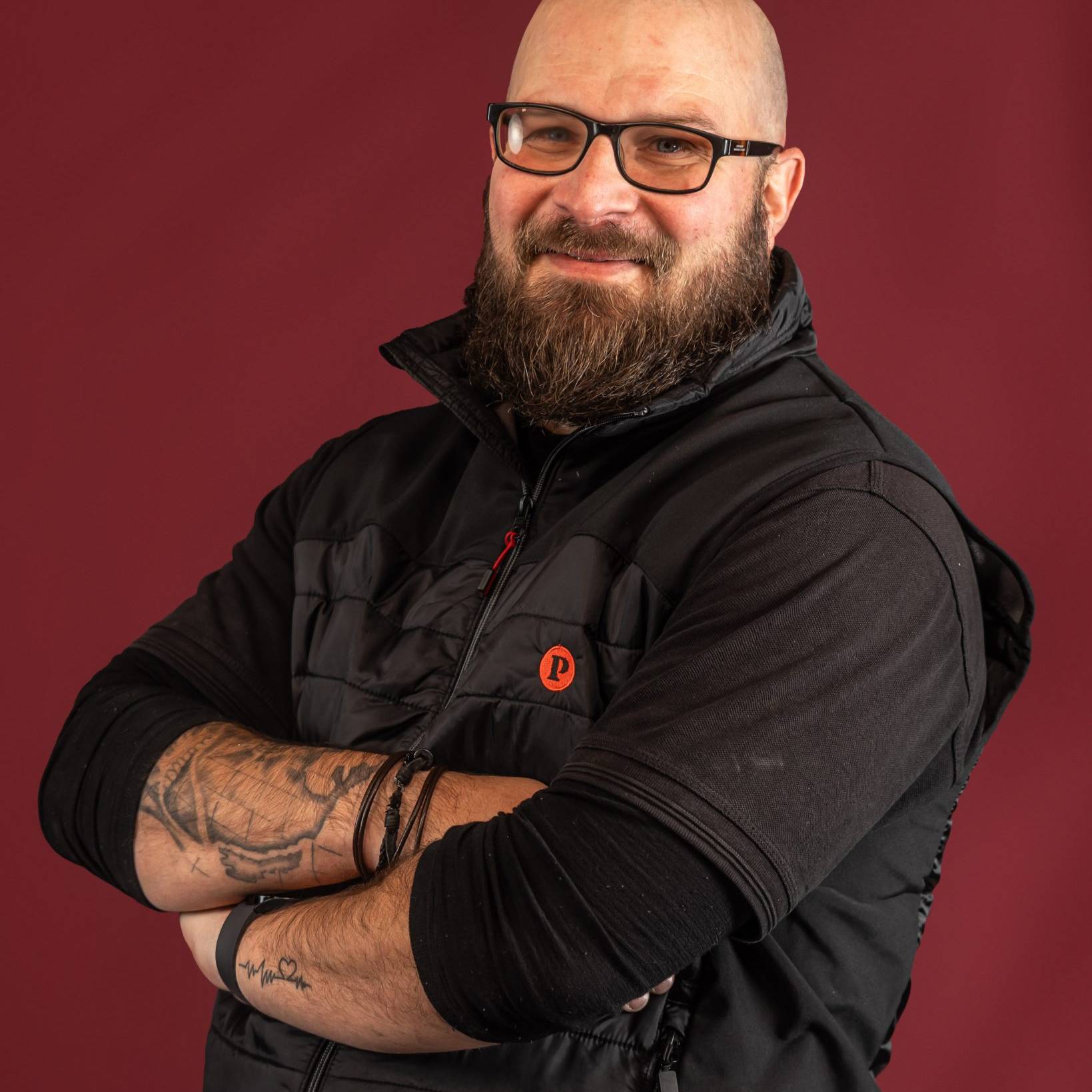
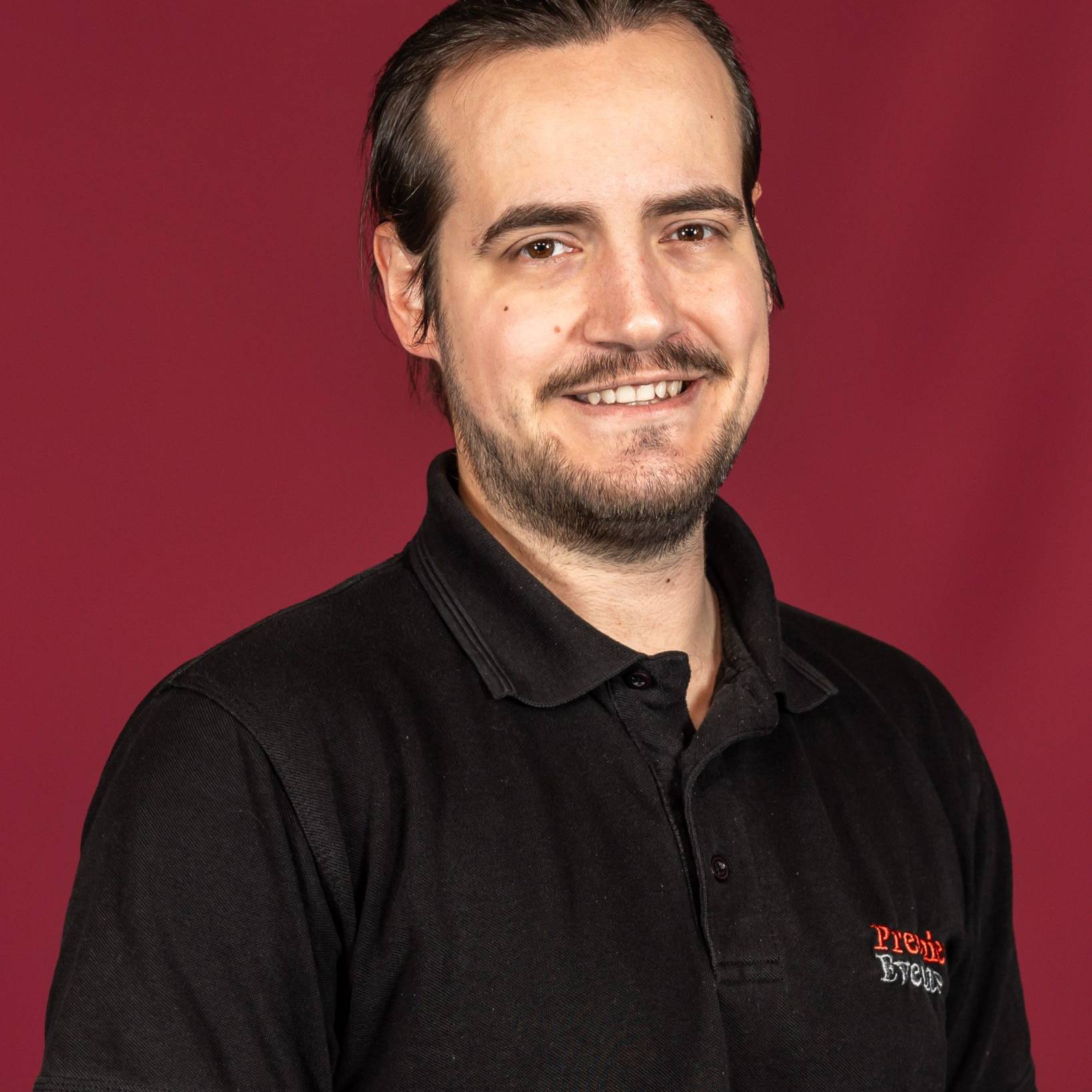
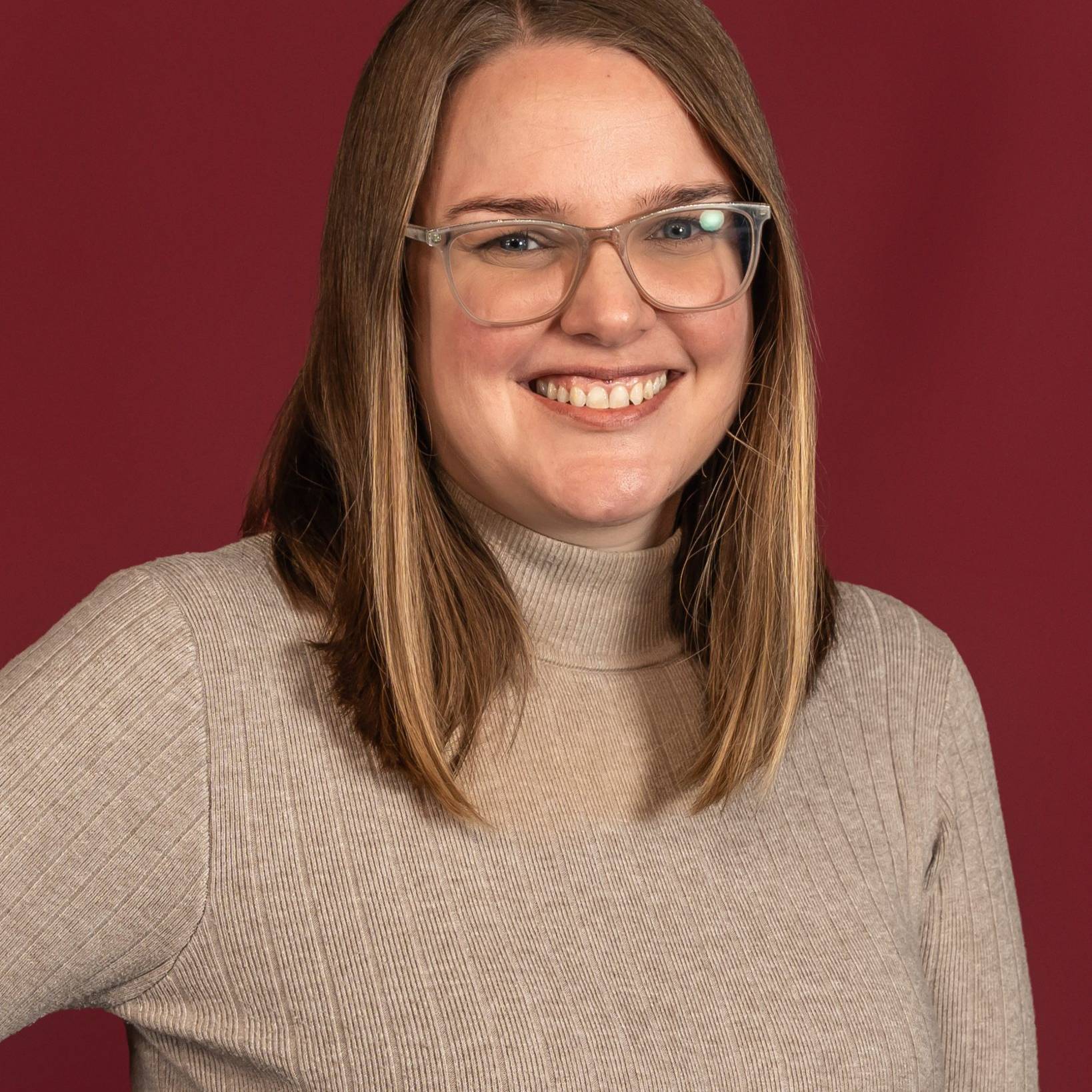
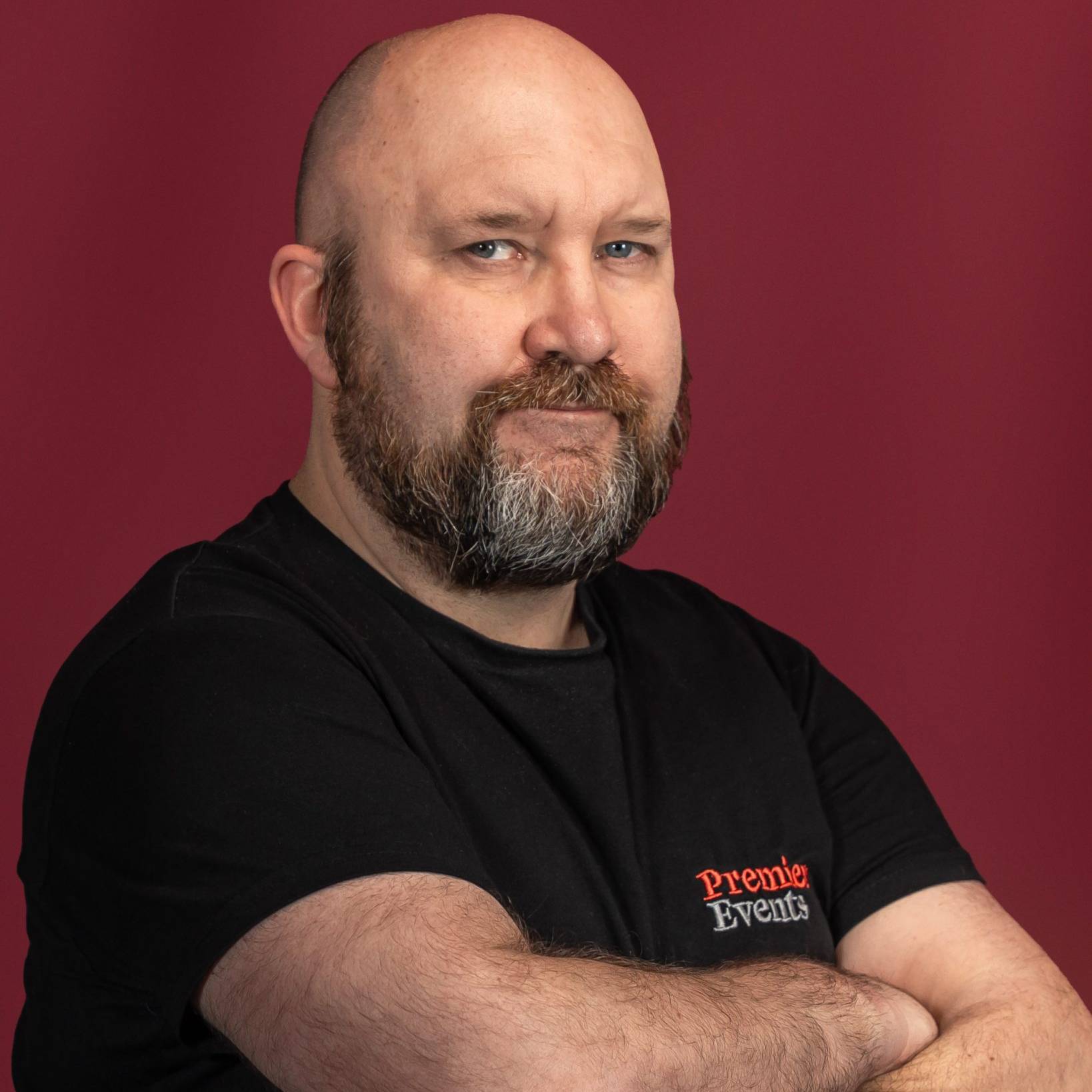
These are our people - the production managers, technicians, show-callers and crew who plan your event and run the room on the night. The same team from first site visit to final cue.

What We've Been Up To.
A look at the events we've delivered, the brief, the build, and how it ran on the night. Worth a read.