The Rundown
Topics: Riders, Artist Booking | Published: February 2022 | 4 min read
A rider is a document a band, musician or performer sends to the booker setting out what they need in order to perform.
Most performers have genuinely essential requirements - stage size, technical specification, dressing room, catering - and the rider states them so nobody has to guess.
The common mistake is treating a rider as fixed. Bookers frequently take one as gospel when there is often reasonable room for discussion, particularly where the document was written for a different kind of event entirely.
Here is what sits inside a rider, what is genuinely negotiable, and how to handle one before you commit to anything.
What a Rider Is
The Document
An artist rider outlines the specific technical and logistical requirements for a performance.
That covers everything from the type of stage and lighting through to the dressing room and the catering provided.
It is issued by the artist or their management, and its purpose is to ensure the performance is set up and delivered in a way that meets their expectations.
Who Writes It
Riders are usually written by the artist's technical team rather than the artist, and they accumulate over time.
That matters, because items often persist in a document long after the reason for them has gone. A specification written for a particular tour three years ago may still be attached to a booking today.
Two Kinds of Content
Broadly, a rider contains technical requirements and hospitality requirements.
The technical section is where cost lives, and where compromise is usually found. The hospitality section is generally cheaper to satisfy and often matters more to the artist's experience of the day.
Read both carefully. It is common to focus entirely on the technical pages and be caught out by something simple in the hospitality section.
What's Inside One
Stage and Lighting
Specifications for stage size and shape, the type of lighting equipment needed, and the number of fixtures required.
Sound
The type of sound system, the number of speakers and amplifiers, and the microphones needed - often including specific makes and models.
Dressing Room and Hospitality
The type of dressing room required, whether it needs to be private or have a shower, how many guests are permitted, and what catering is provided - including dietary requirements.
Backline
The instruments and equipment needed on stage: guitars, drums, keyboards and amplification.
Special Requests
Anything from a specific brand of bottled water to particular flowers or snacks.
These attract the most attention and are usually the least significant part of the document.
Technical Detail
Power supply, internet access, monitor requirements and similar practical needs.
Not All of It Applies
These are examples rather than a checklist. Requirements vary enormously between artists and between types of event, and few riders contain all of the above.
Negotiating One
Scale Changes Everything
Larger and international touring artists have significantly bigger riders than local or regional performers.
Those are harder to negotiate, and reasonably so - much of the detail is there for good reason and reflects a show that genuinely needs it.
Written for a Different Event
The most common source of friction is that a rider was written with a specific type of event in mind.
An arena tour has different technical needs to a corporate dinner. It is not unusual to receive several pages of arena-scale sound and lighting specification for a booking where that would be both impractical and disproportionately expensive.
That is precisely where sensible compromise can be reached, and where an experienced production company earns its fee.
Read It Before You Commit
Examine the rider before entering into any financial obligation. If anything is unclear, consult someone who deals with them regularly.
Premier Live offers advice and guidance on rider fulfilment and negotiation, free of charge for any event where we are a supplier.
Get It in Writing
Be explicit about what is agreed and what is not, and record it. Verbal assurances on a build day do not survive contact with a tour manager.
Expect the Occasional Oddity
Vague requests do appear. We have genuinely received a rider asking us to include something nice - leaving us to decide what that meant.
Where a request is ambiguous, ask. It is a much shorter conversation than the alternative.
Talk to Premier Live about rider fulfilment on 0116 202 9953.

Tell us about your event.
Fill in the form and we'll come back to you quickly, not with a generic auto-reply, but with something useful.
Prefer a call? Book a 20-minute discovery call at a time that suits you.
Rather email? info@premier-ltd.com. Or just ring us: 0116 202 9953.
Once we hear from you, we'll set up a quick call to understand your brief properly, no lengthy questionnaires, no sales pitch.
We typically respond within two hours on working days.
EXPERIENCED. DEPENDABLE. HANDS-ON. UNFLAPPABLE
The people behind Premier Live
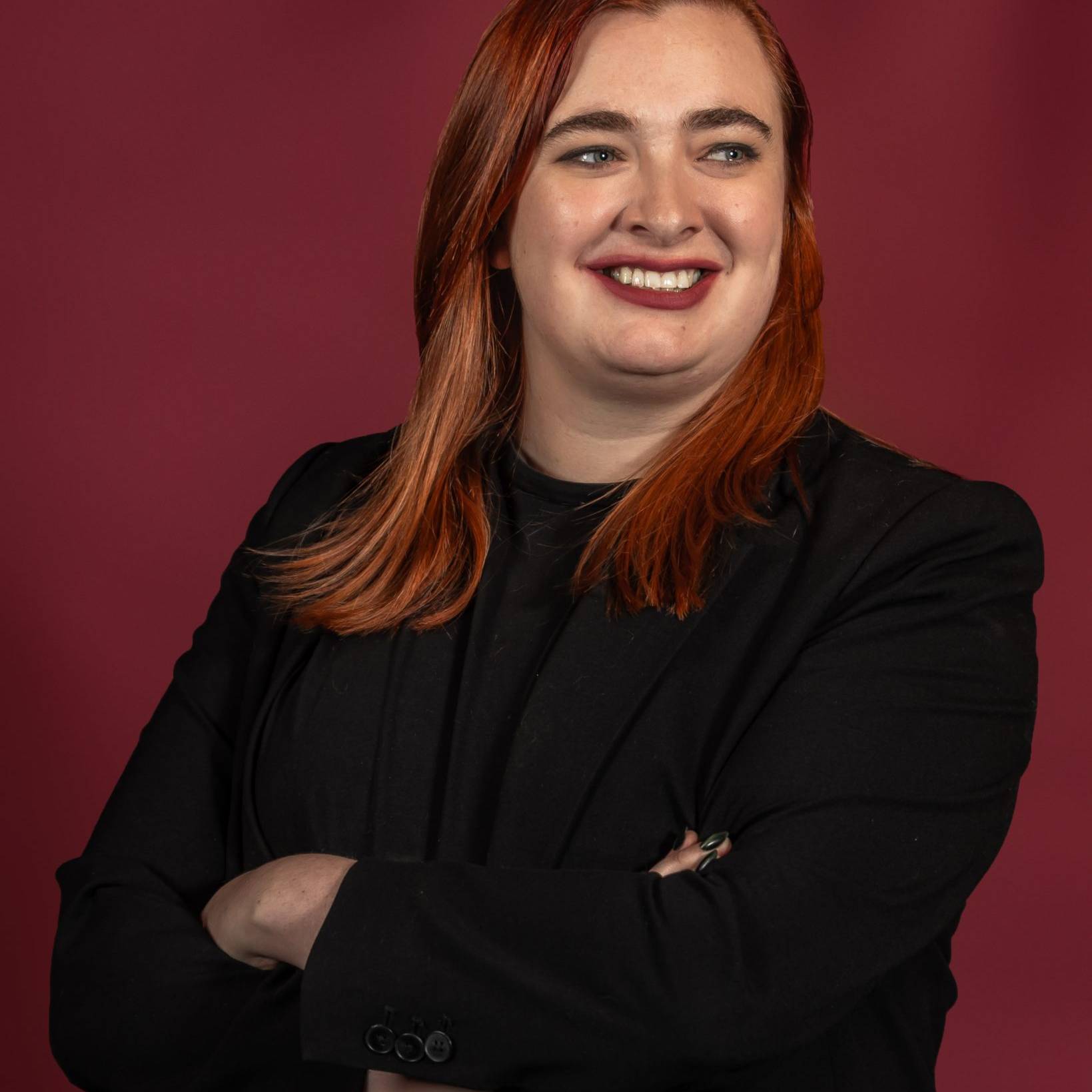
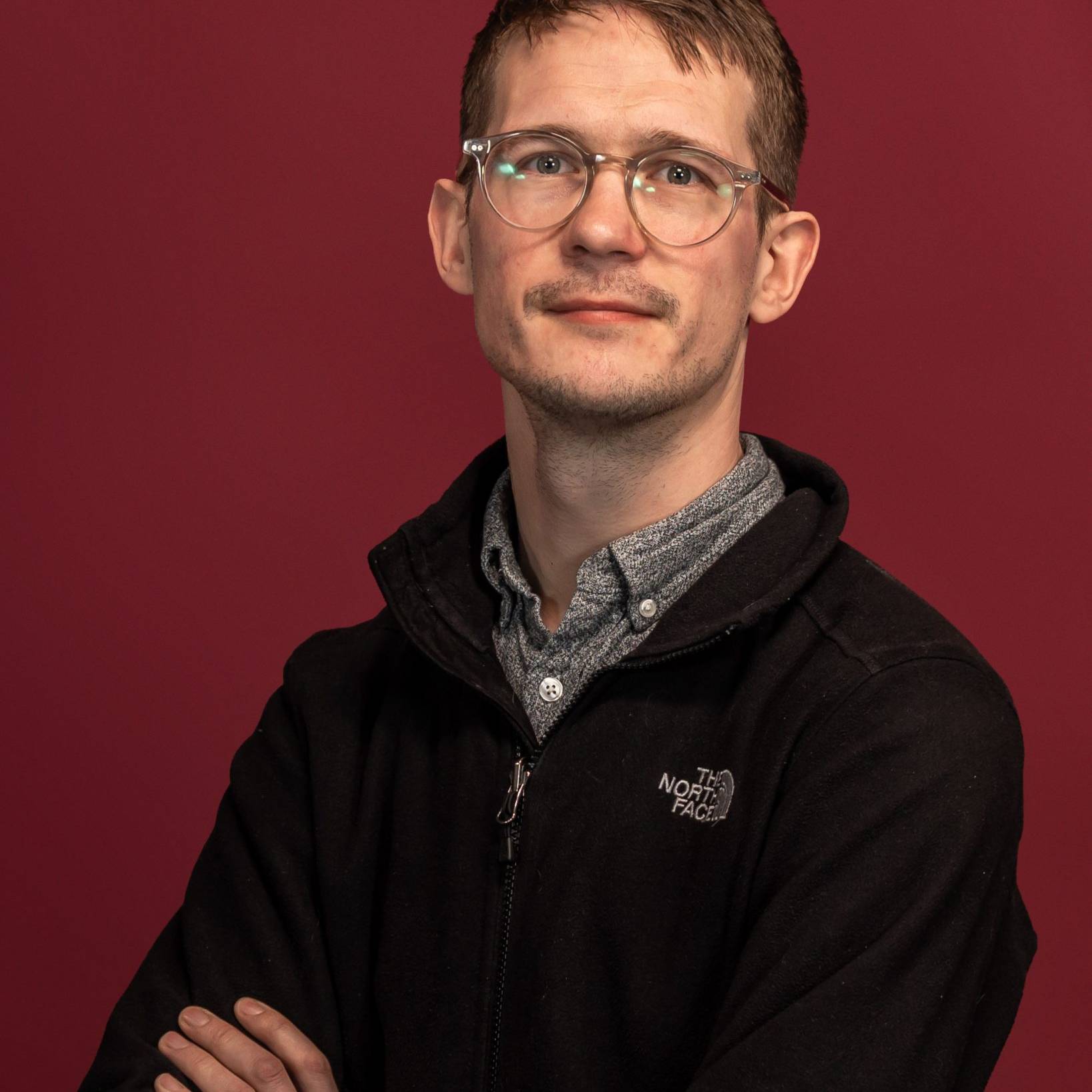
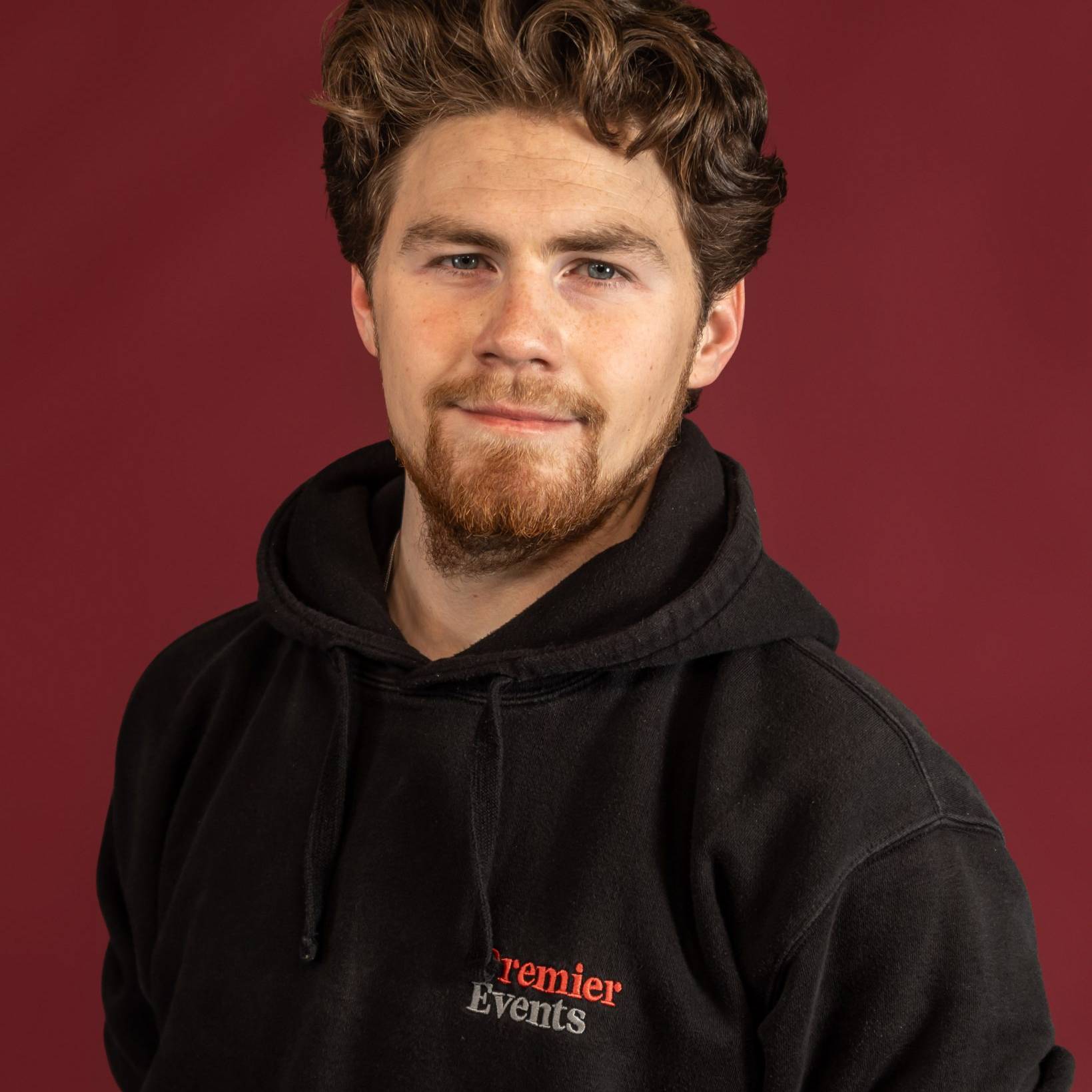
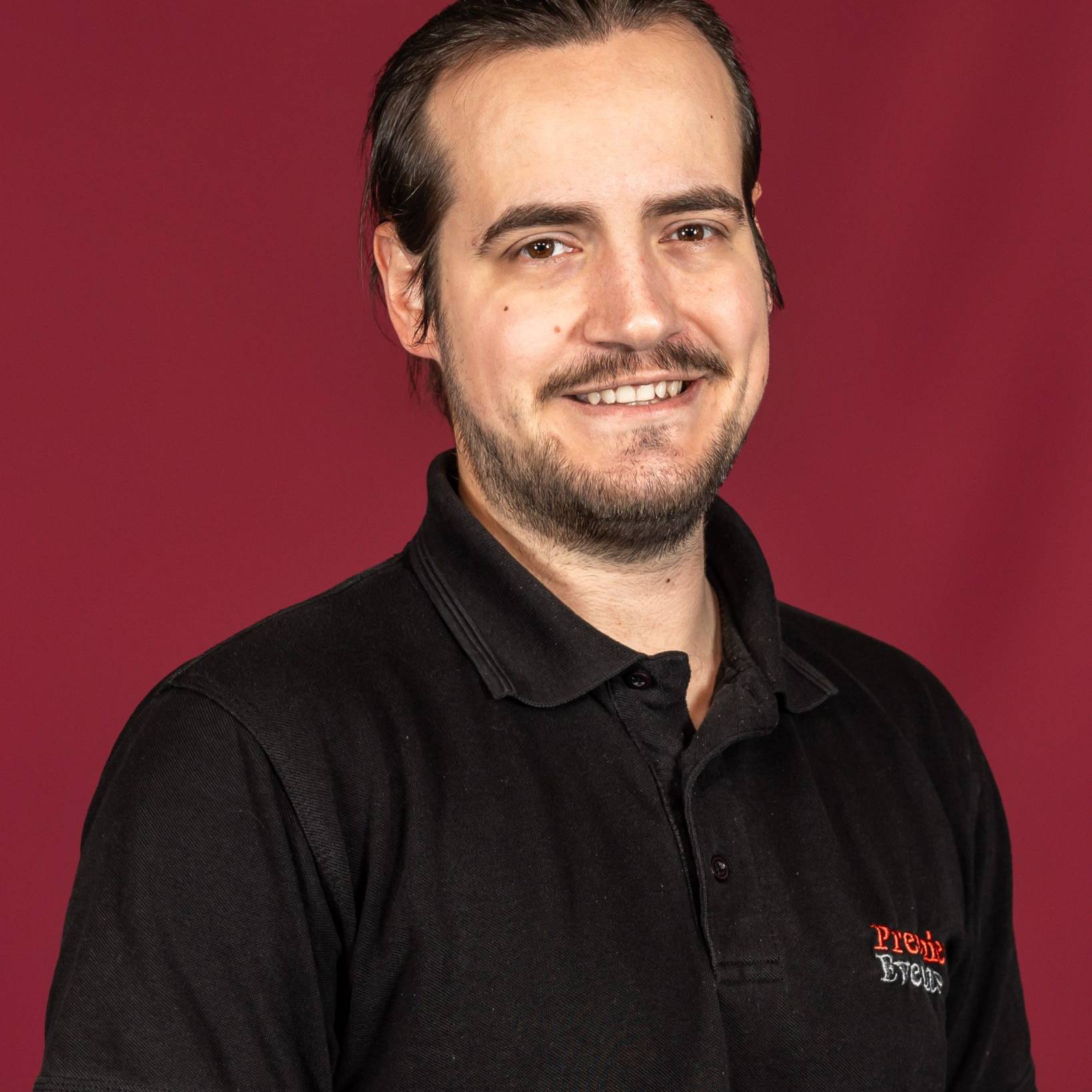
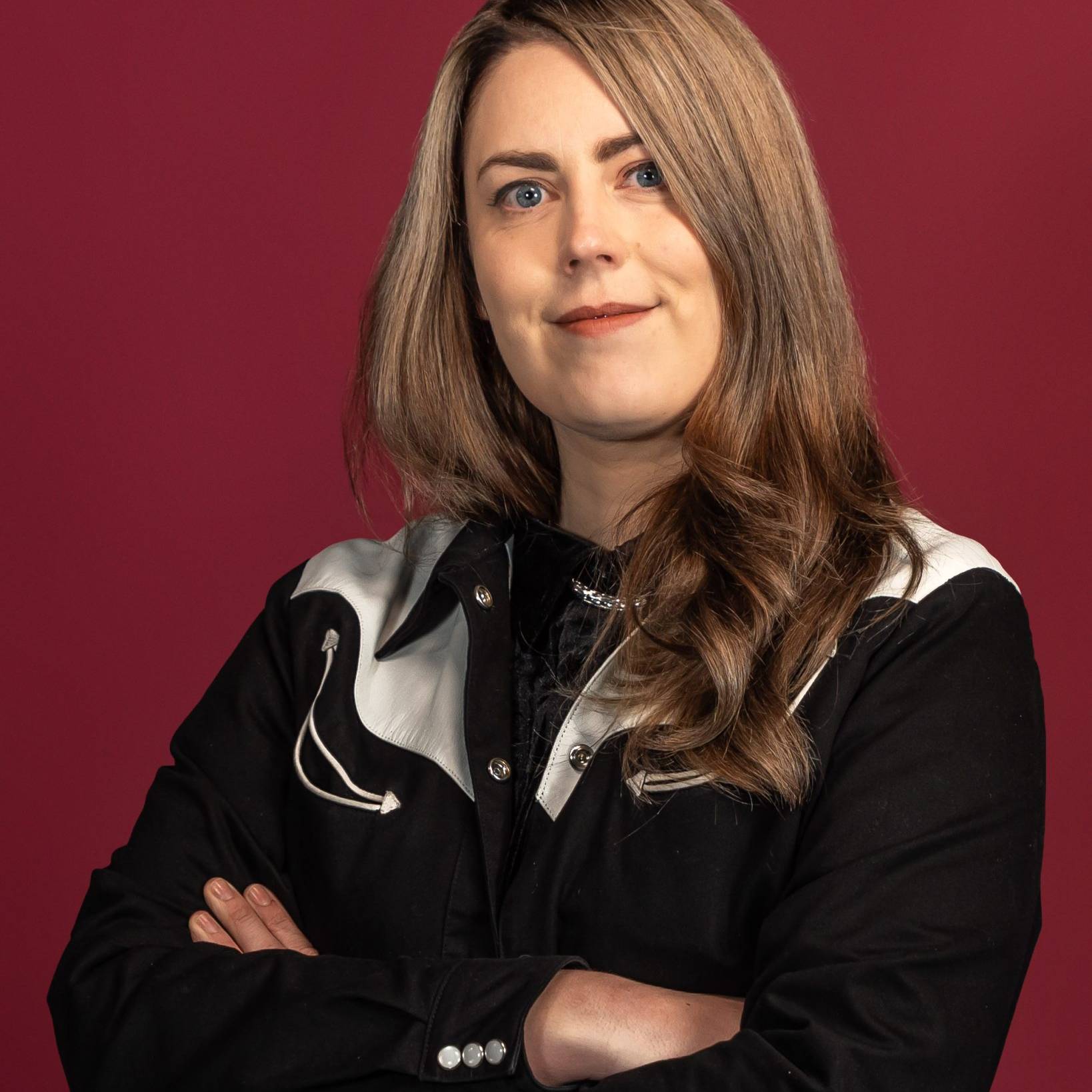
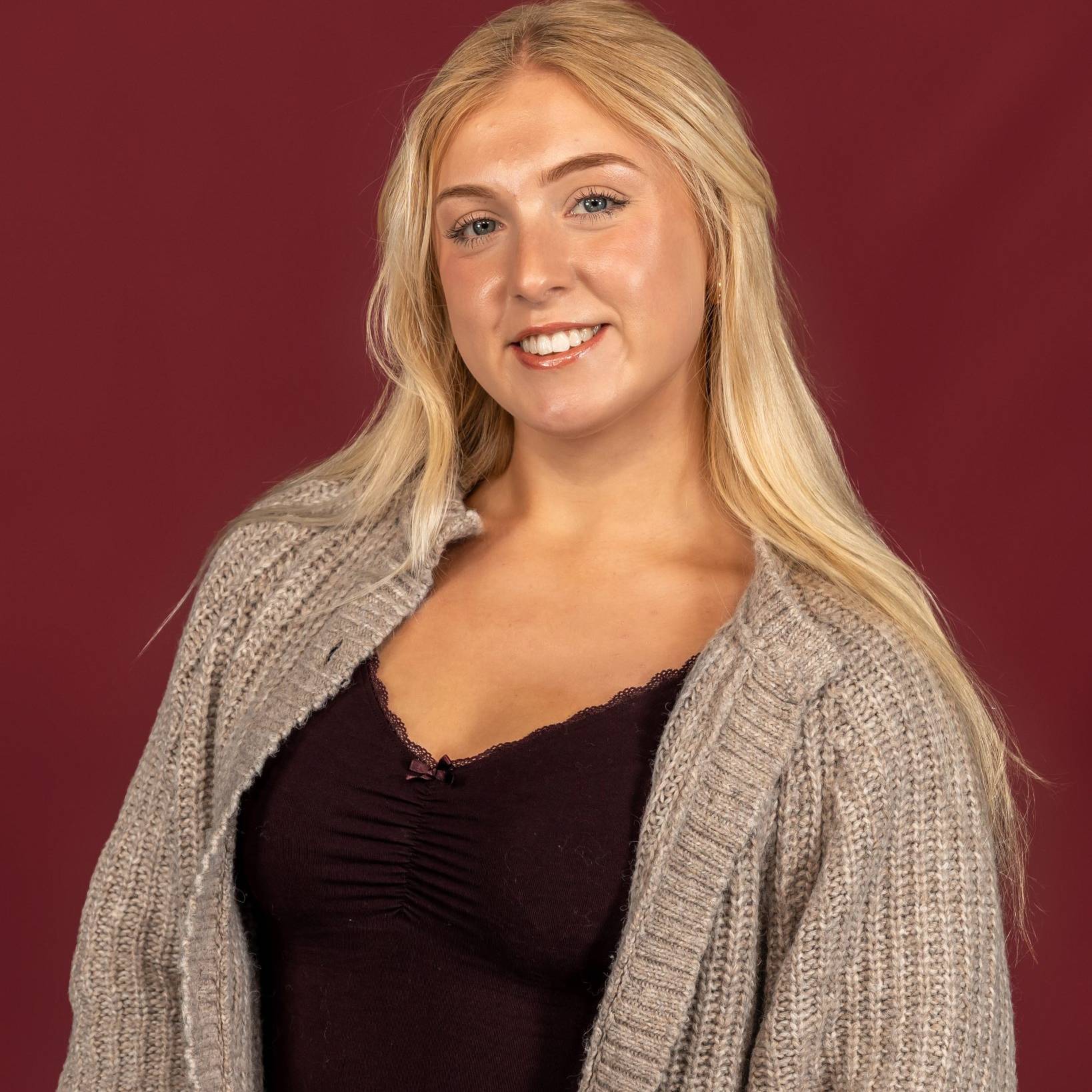
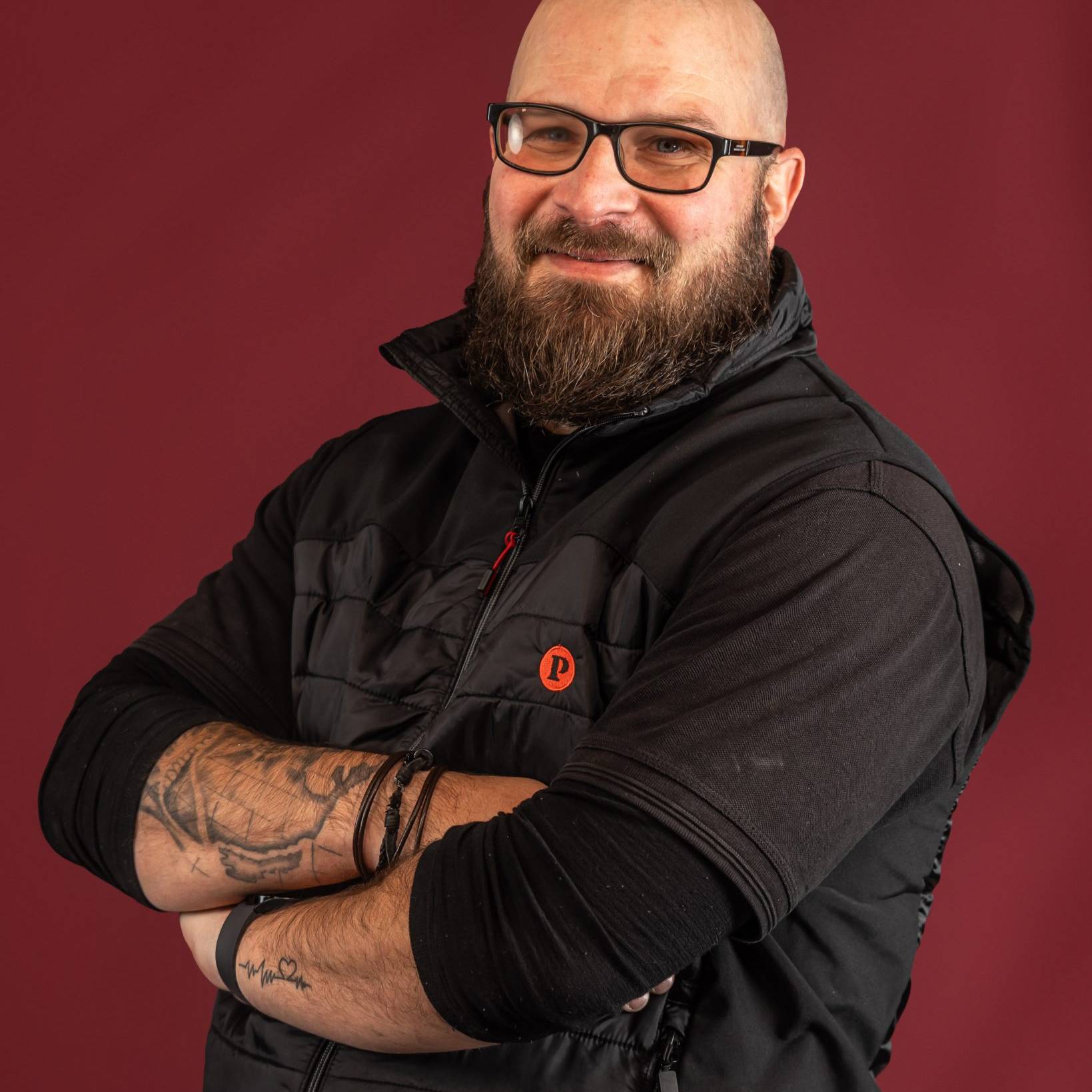
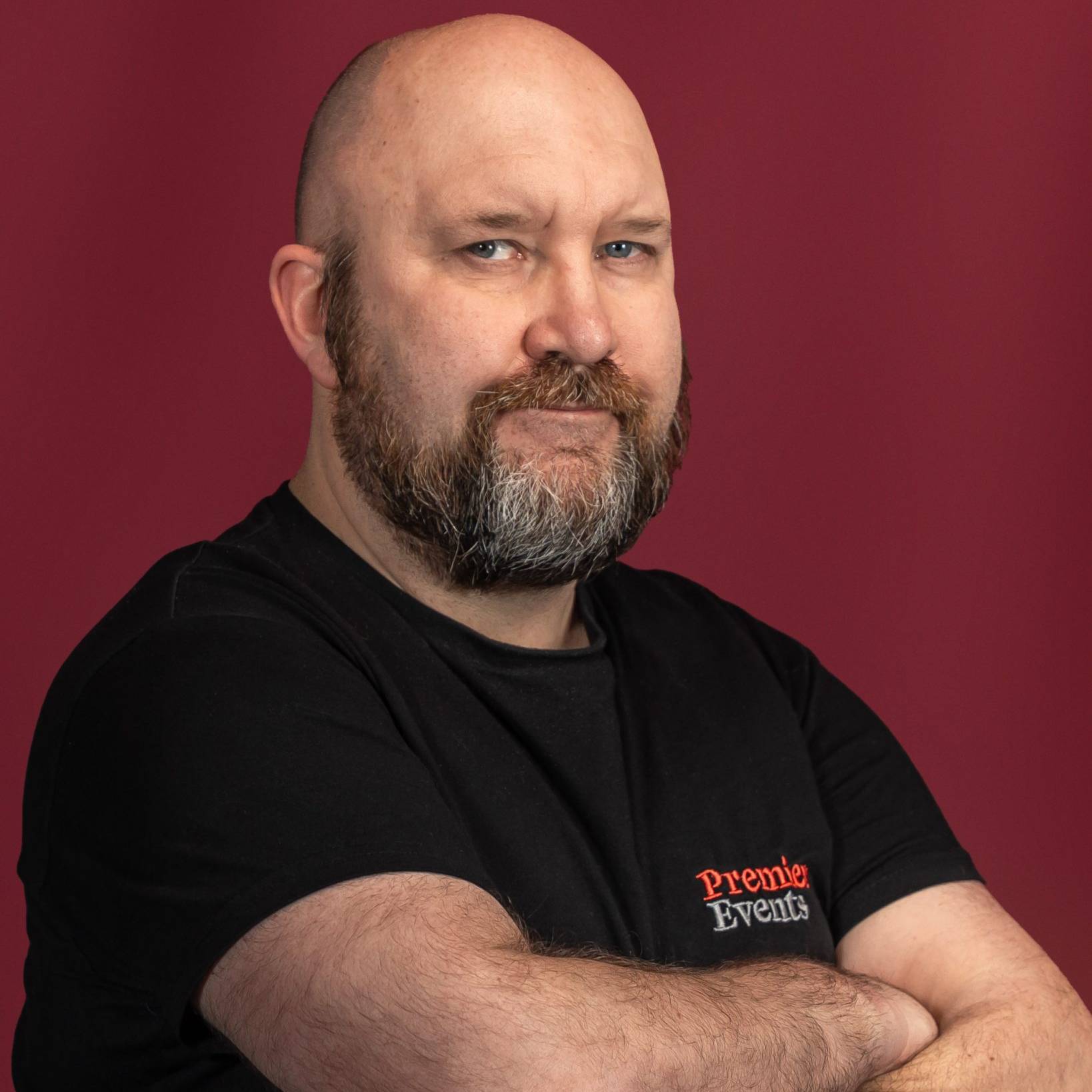
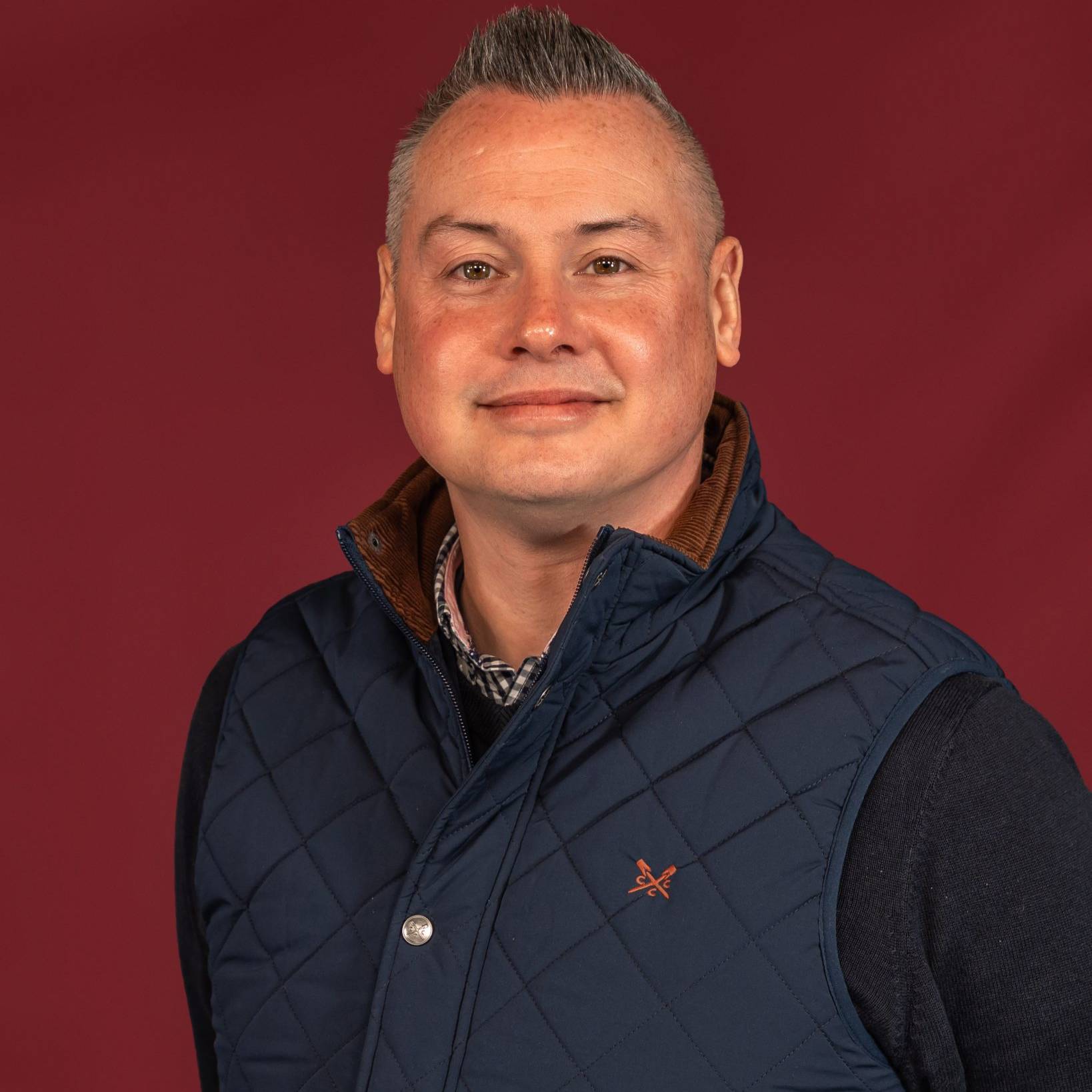
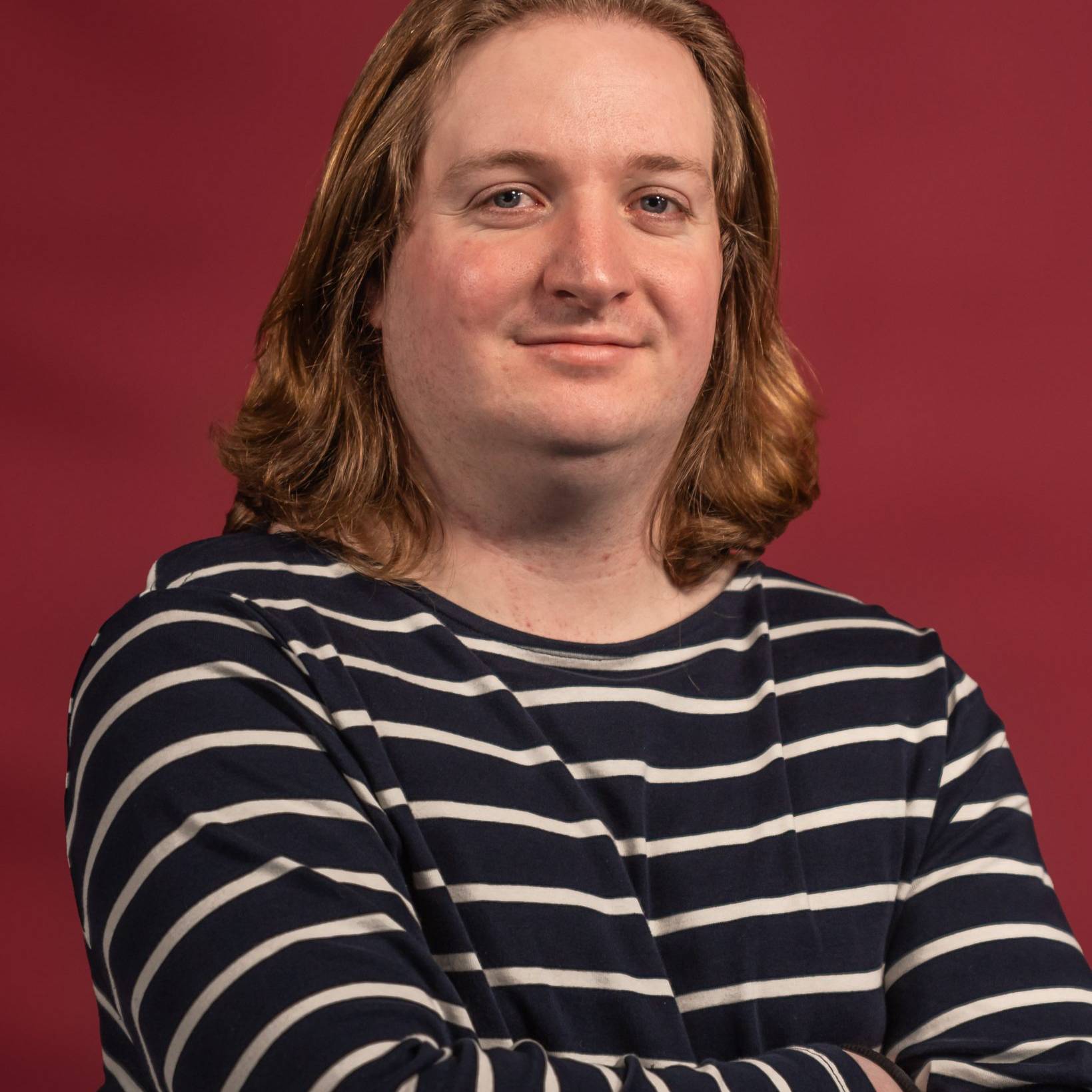
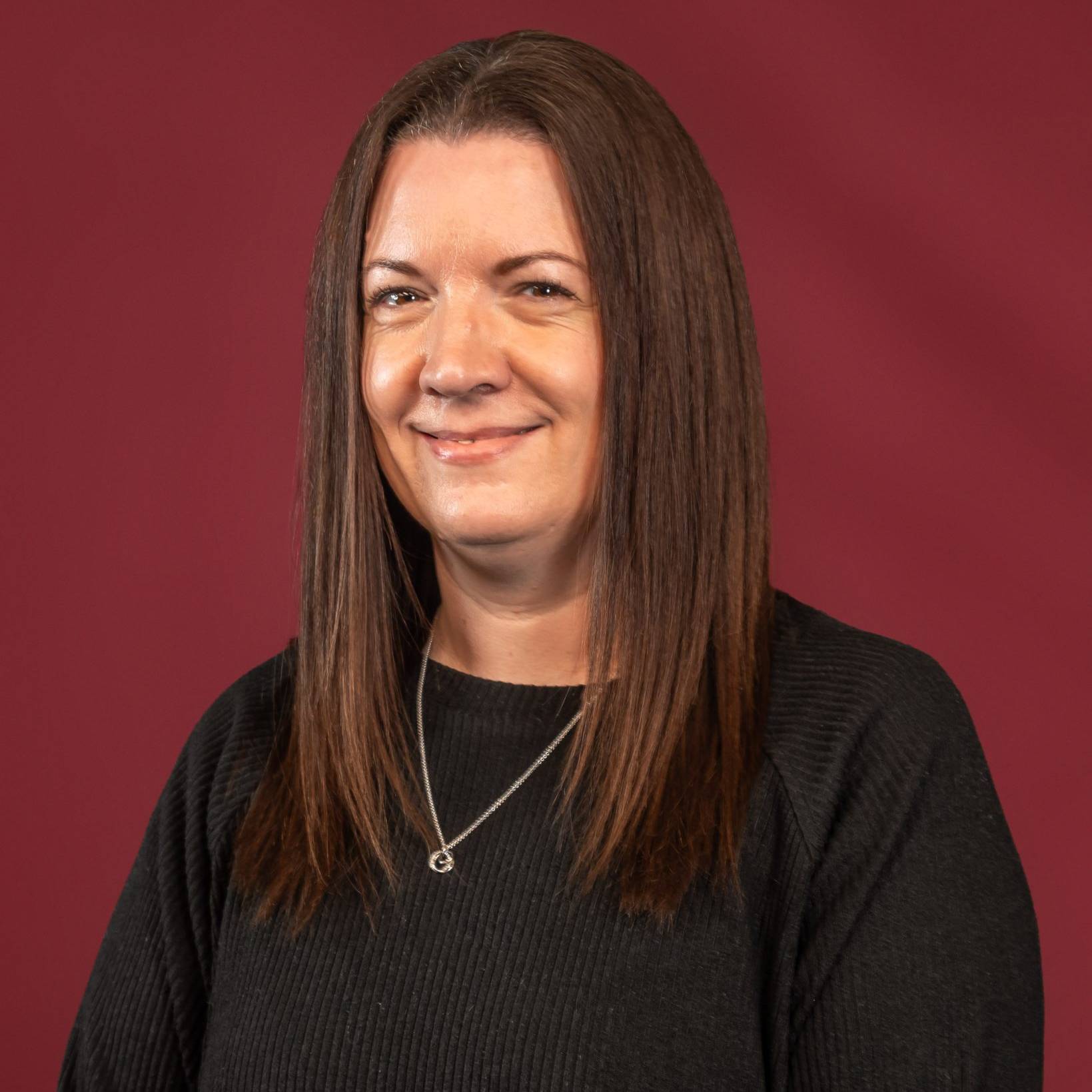
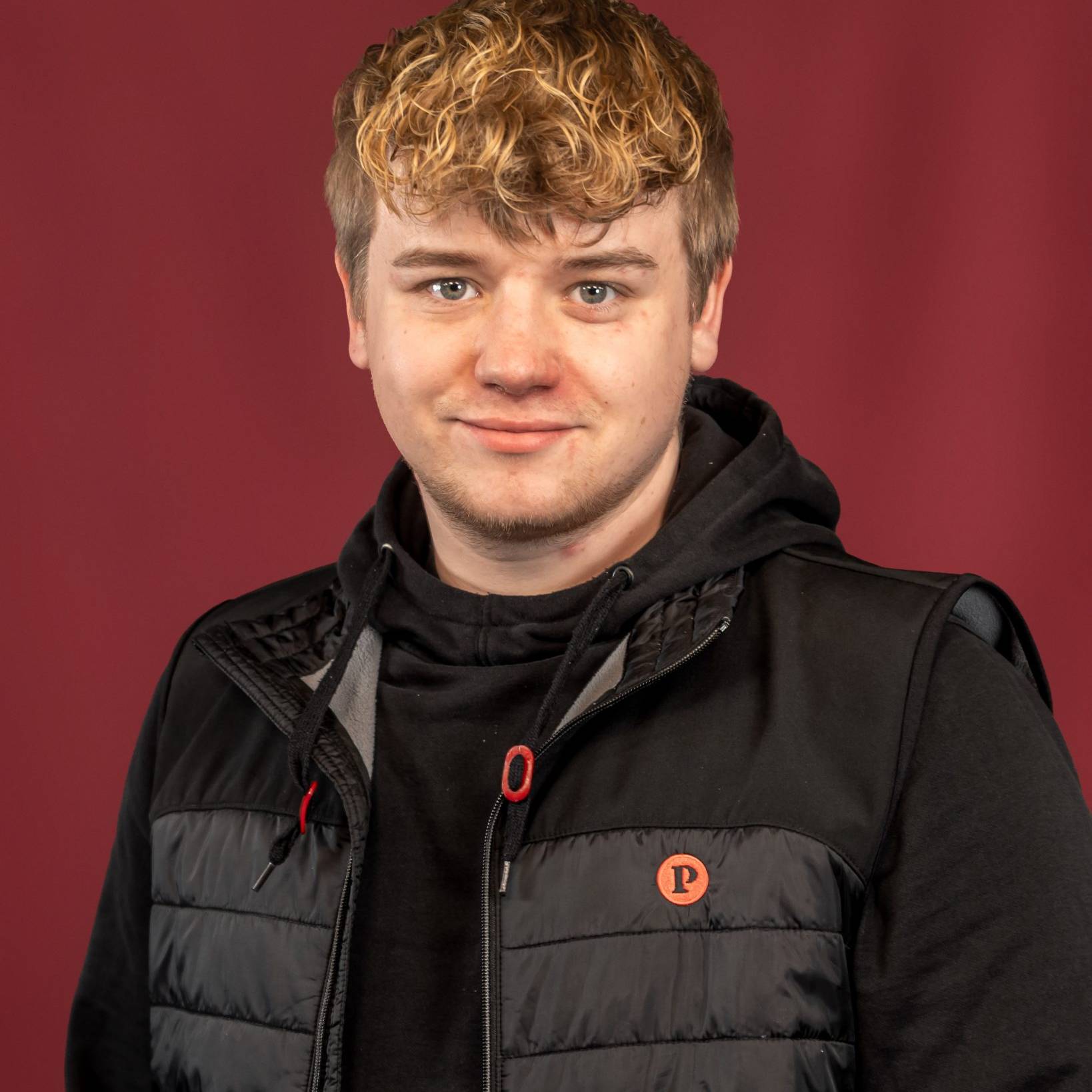
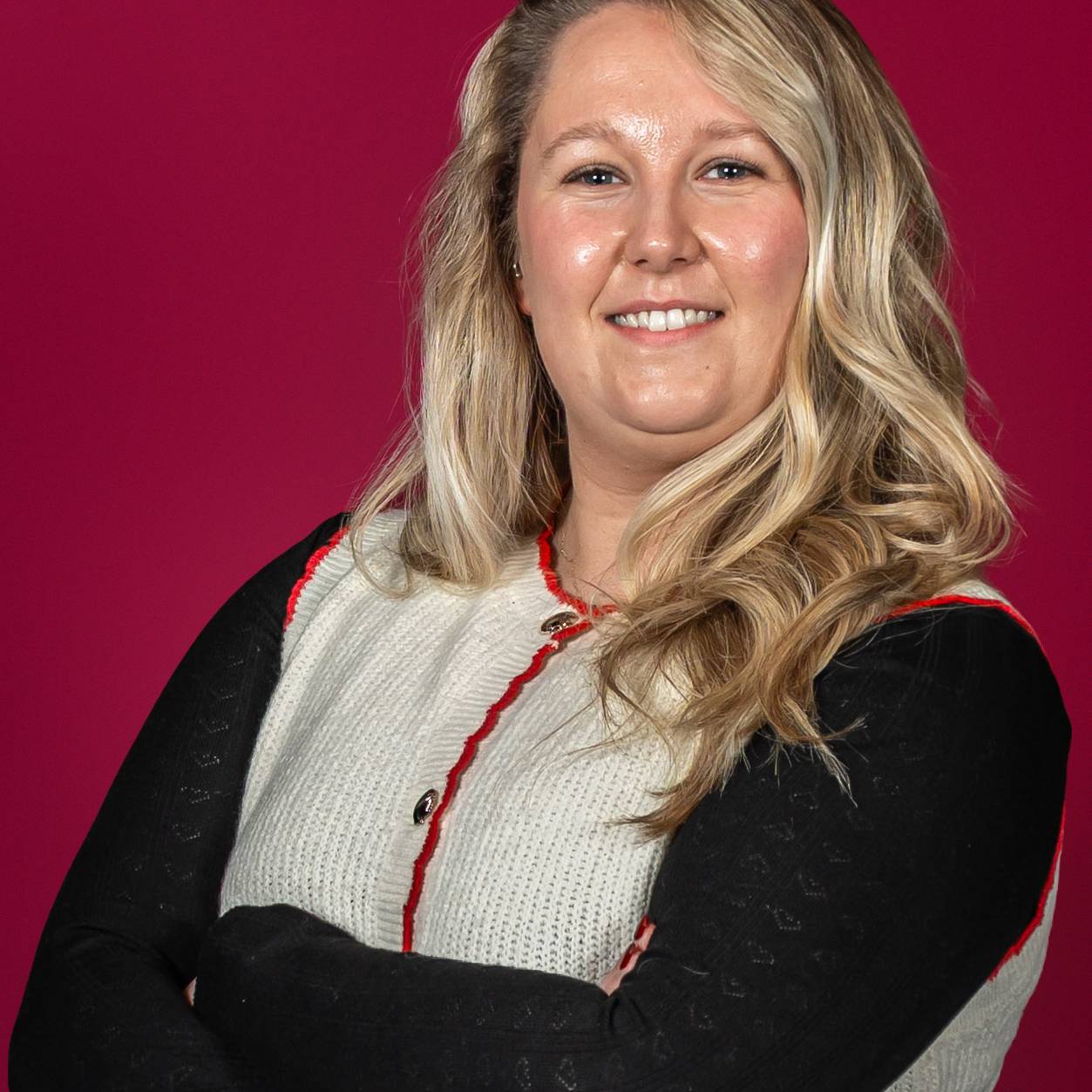
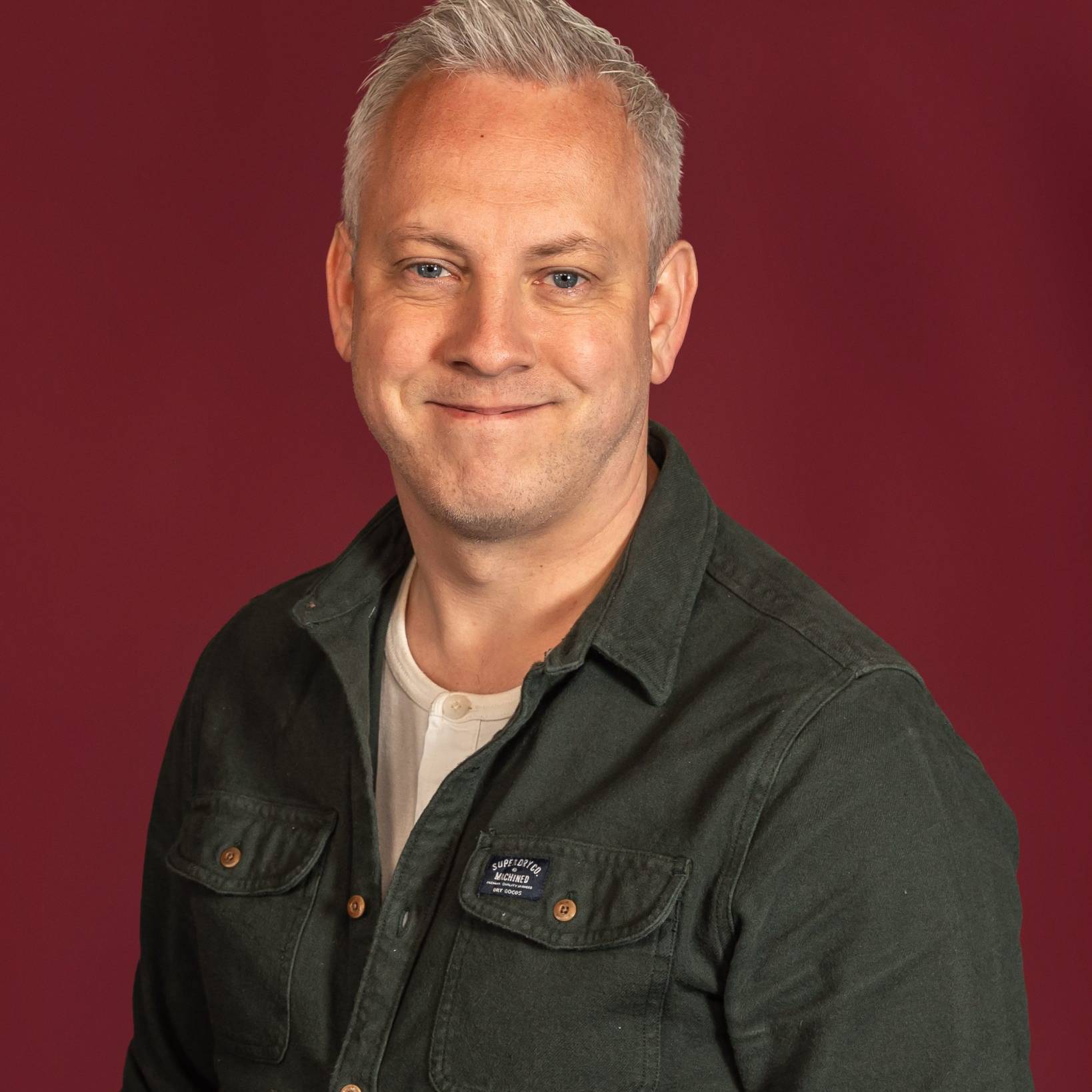
These are our people - the production managers, technicians, show-callers and crew who plan your event and run the room on the night. The same team from first site visit to final cue.










What We've Been Up To.
A look at the events we've delivered, the brief, the build, and how it ran on the night. Worth a read.