The Rundown
Topics: Content, Video, Marketing | 4 min read
Every event, large or small, is an opportunity to produce content that promotes it - before, during and long after the day itself.
Video is the obvious form, and it splits broadly into two. Short form is concise and platform-native, rarely more than a couple of minutes. Long form is in-depth: interviews, full highlights, documentary or tutorial pieces.
The mistake most organisers make is deciding what to film on the day. By then the best moments - the build, the empty room, the crew problem-solving at 6am - have already gone.
Here is where the content actually is, how to capture it, and how to match it to the people you want watching.
The Basics
Two Categories
Long form means content that is more detailed and comprehensive - sit-down interviews, full-length highlights, tutorial pieces explaining how something was done. It suits YouTube and your own website, where people arrive intending to watch.
Short form is concise and to the point, typically thirty seconds to a few minutes. It belongs on TikTok, Instagram Reels and YouTube Shorts, where people are scrolling rather than searching.
Most events should produce both. They do different jobs and reach different people.
Finding It On Site
There is far more material available during a build and a show than most people use.
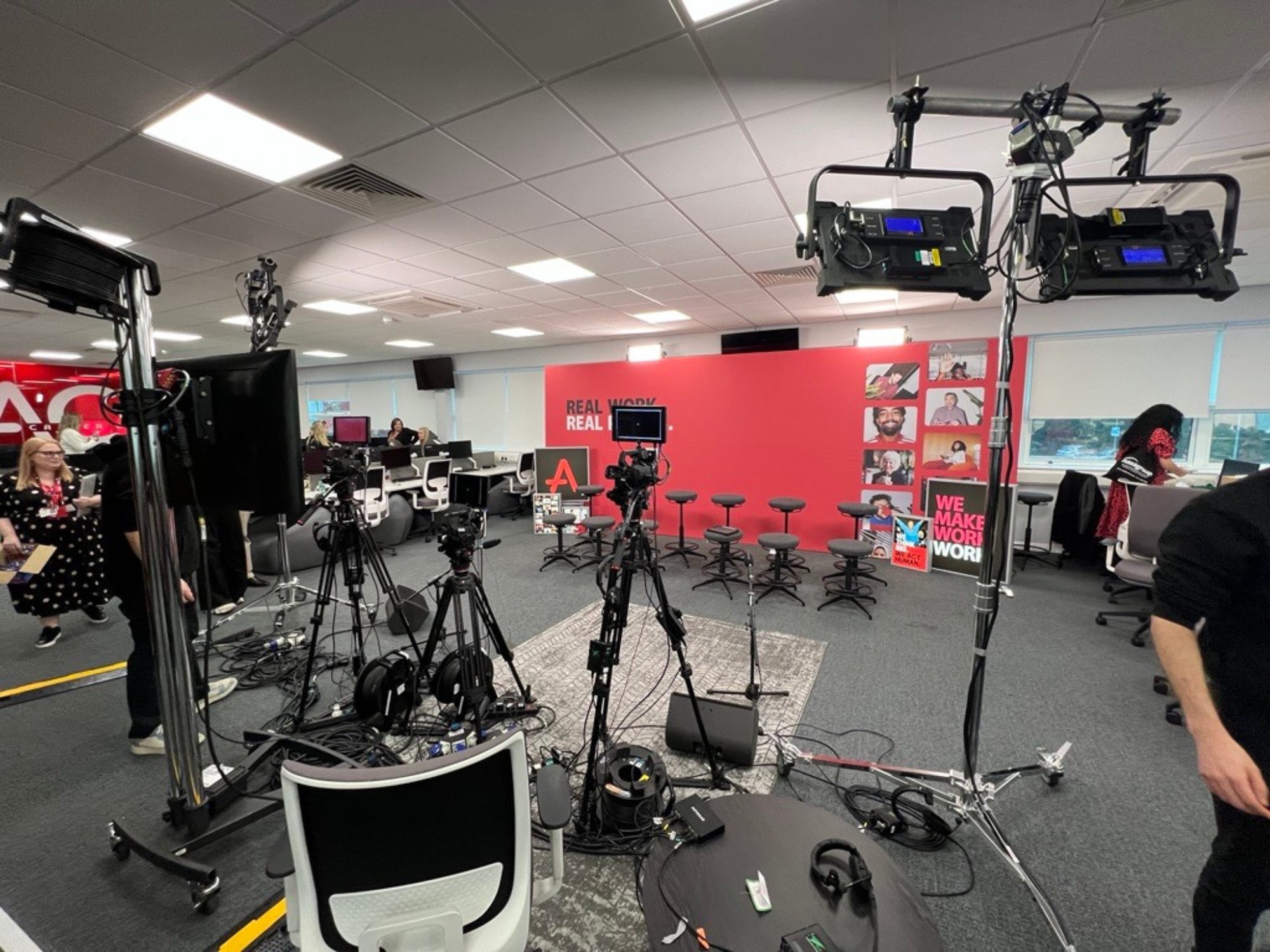
Vox pops work well as short form - grab the crew building the event, or guests as they arrive. The questions can be as broad or specific as you like, and the honest answers are usually the good ones.
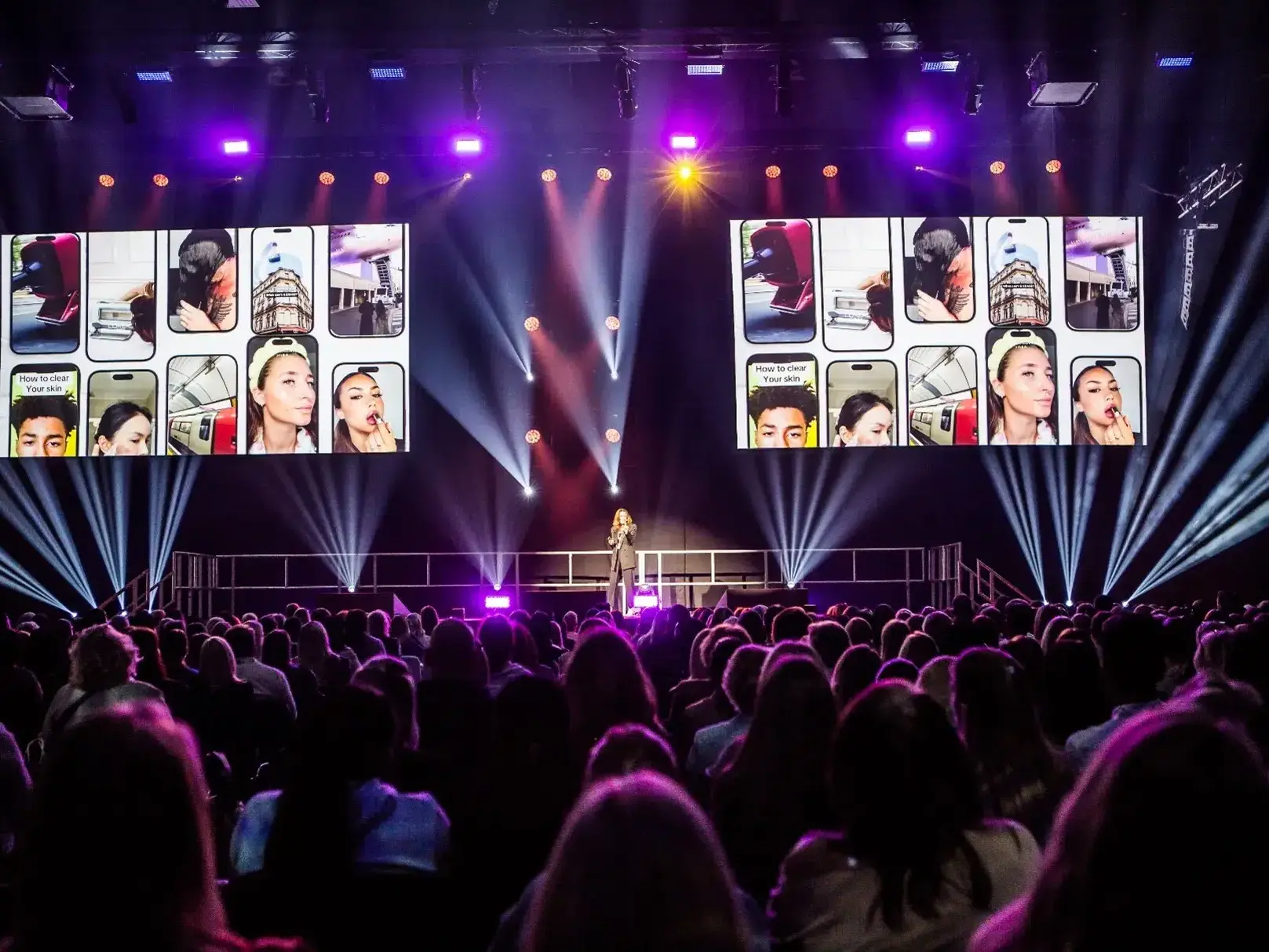
Behind-the-scenes clips, vlogs of the different build stages, and a fast highlights reel all sit in the same category. It does not all have to be filmed footage either: animated graphics and short adverts perform well on platforms with story formats.
For long form, the opportunities are just as real - sit-down interviews, a documentary-style build film, or a full walkthrough of how the event was run. That is also where the complete highlights video lives, after you have already cut snippets from it for social.
Creating the Content
Match the Kit to the Platform
Where the content will end up should decide how you shoot it.
TikTok is a phone-native platform. Filming on a phone is not a compromise there - it is what the format expects, and overproduced content can actually perform worse.
YouTube leans towards higher production value, though that is a tendency rather than a rule. Plenty of successful channels are one person and a decent microphone.
If You Are Going Higher End
A step up in production means three things: a camera, a lens and a microphone.
Within each of those the range is enormous, particularly lenses. Whether consumer or professional kit is right depends entirely on what the content is for.
If there is one place to spend, make it audio. Viewers forgive imperfect pictures far more readily than they forgive bad sound.
Plan It In
Decide what you want before the build starts, and tell whoever is filming. The difference between planned capture and hoping someone was pointing a camera at the right moment is the difference between usable content and a folder nobody opens.
Finding Your Audience
Who You Are Talking To
The audience should shape the format as much as the message does.
For a younger audience, short form social content works harder. The reason is simple: they spend more time on TikTok and Instagram Reels than on long-form platforms.
That does not mean they never watch long form on YouTube - they do. But short form is where the attention currently sits.
For an older audience, YouTube and longer pieces are the stronger bet.
Tone Matters Too
The style of content shapes who watches it as much as the platform does. Comedy content and formal, serious content will find different viewers even on the same channel.
Decide which you are making before you shoot, because the two are hard to reconcile in the edit.
Just Start
There is effectively no limit to the content an event can generate, and some content is always better than none.
Short or long, start producing it and you will find your stride quickly - along with a much clearer sense of what your audience actually responds to.
Premier Live can help you plan and capture content around your event. Get in touch on 0116 202 9953 or info@premier-ltd.com.
Tell us about your event.
Fill in the form and we'll come back to you quickly, not with a generic auto-reply, but with something useful.
Prefer a call? Book a 20-minute discovery call at a time that suits you.
Rather email? info@premier-ltd.com. Or just ring us: 0116 202 9953.
Once we hear from you, we'll set up a quick call to understand your brief properly, no lengthy questionnaires, no sales pitch.
We typically respond within two hours on working days.
EXPERIENCED. DEPENDABLE. HANDS-ON. UNFLAPPABLE
The people behind Premier Live
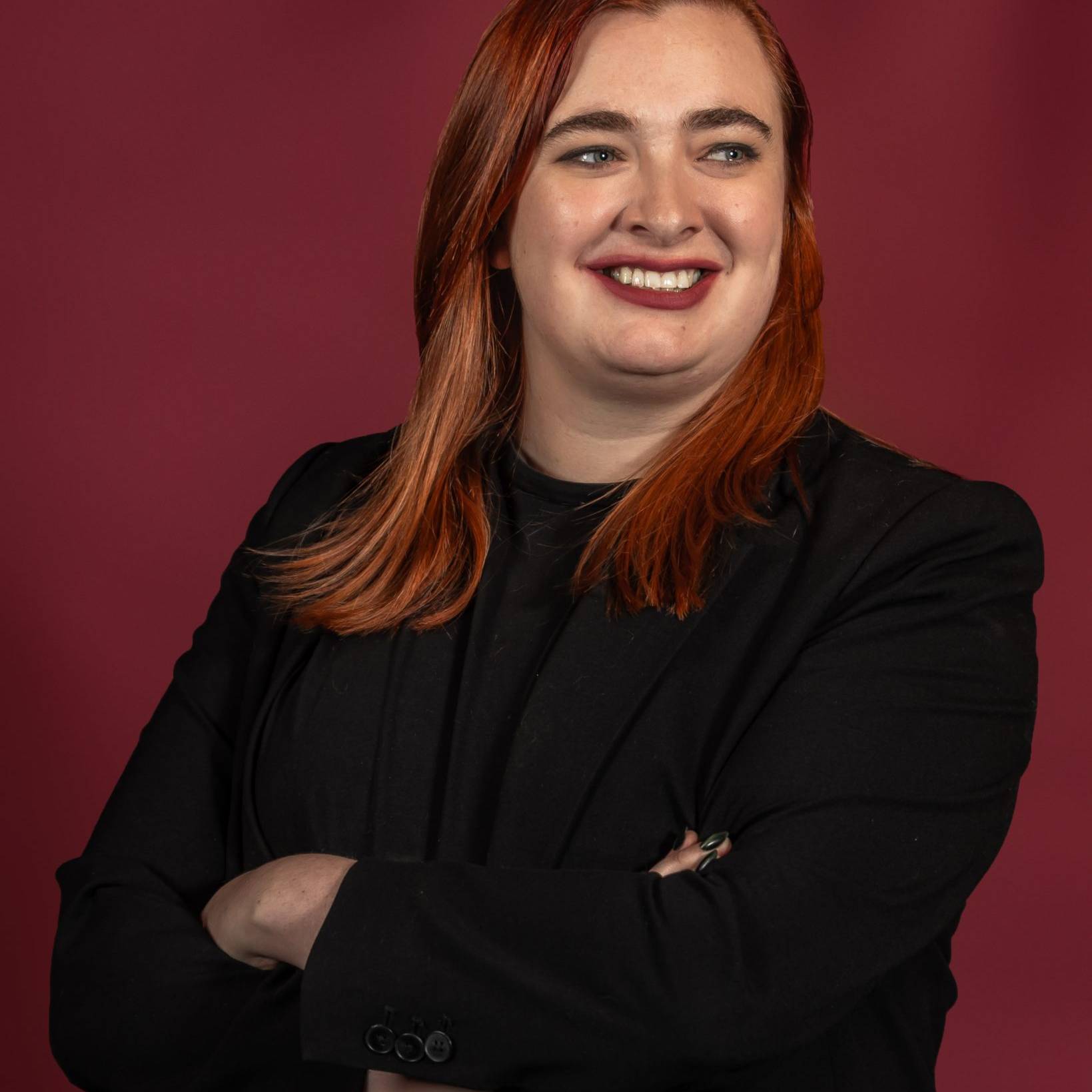
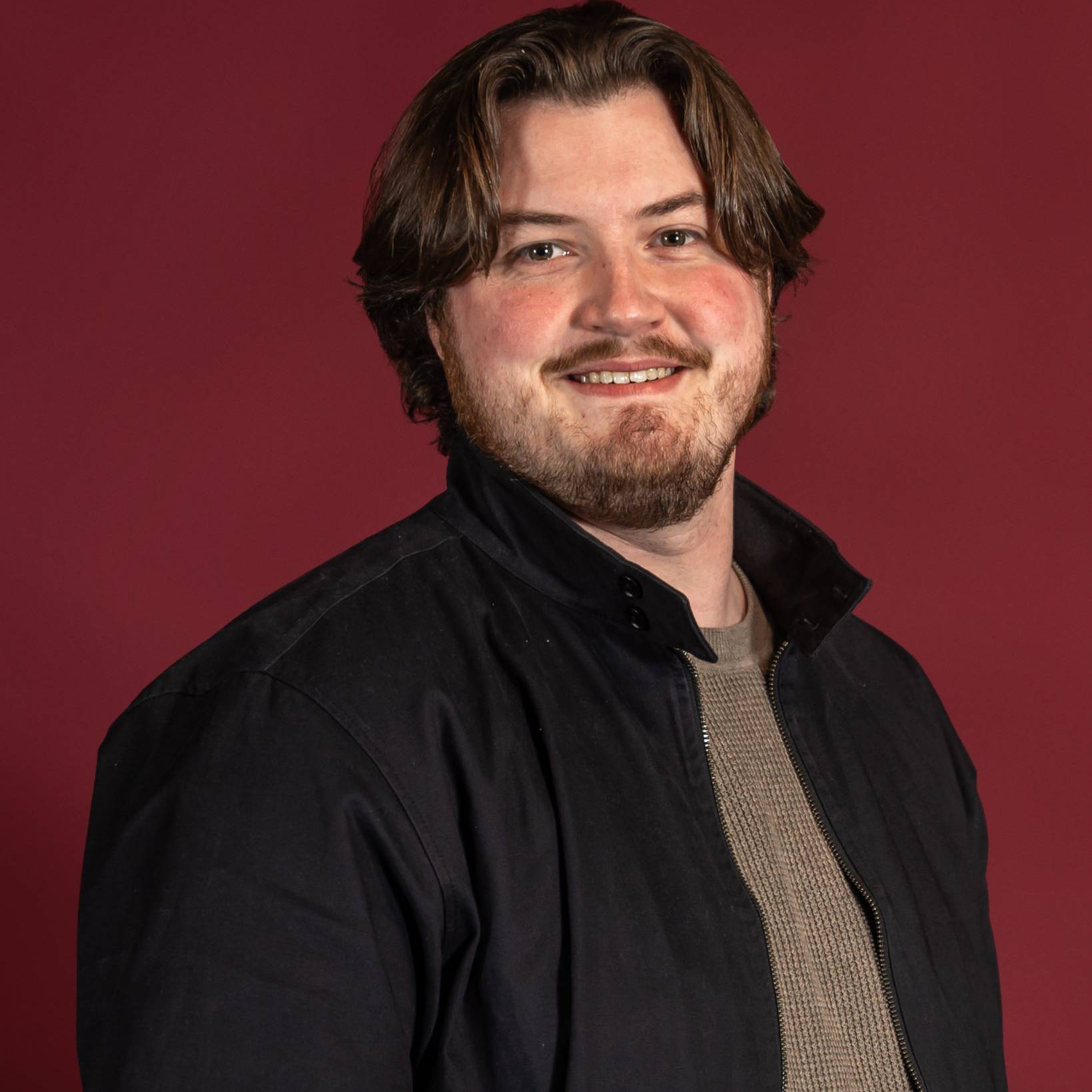
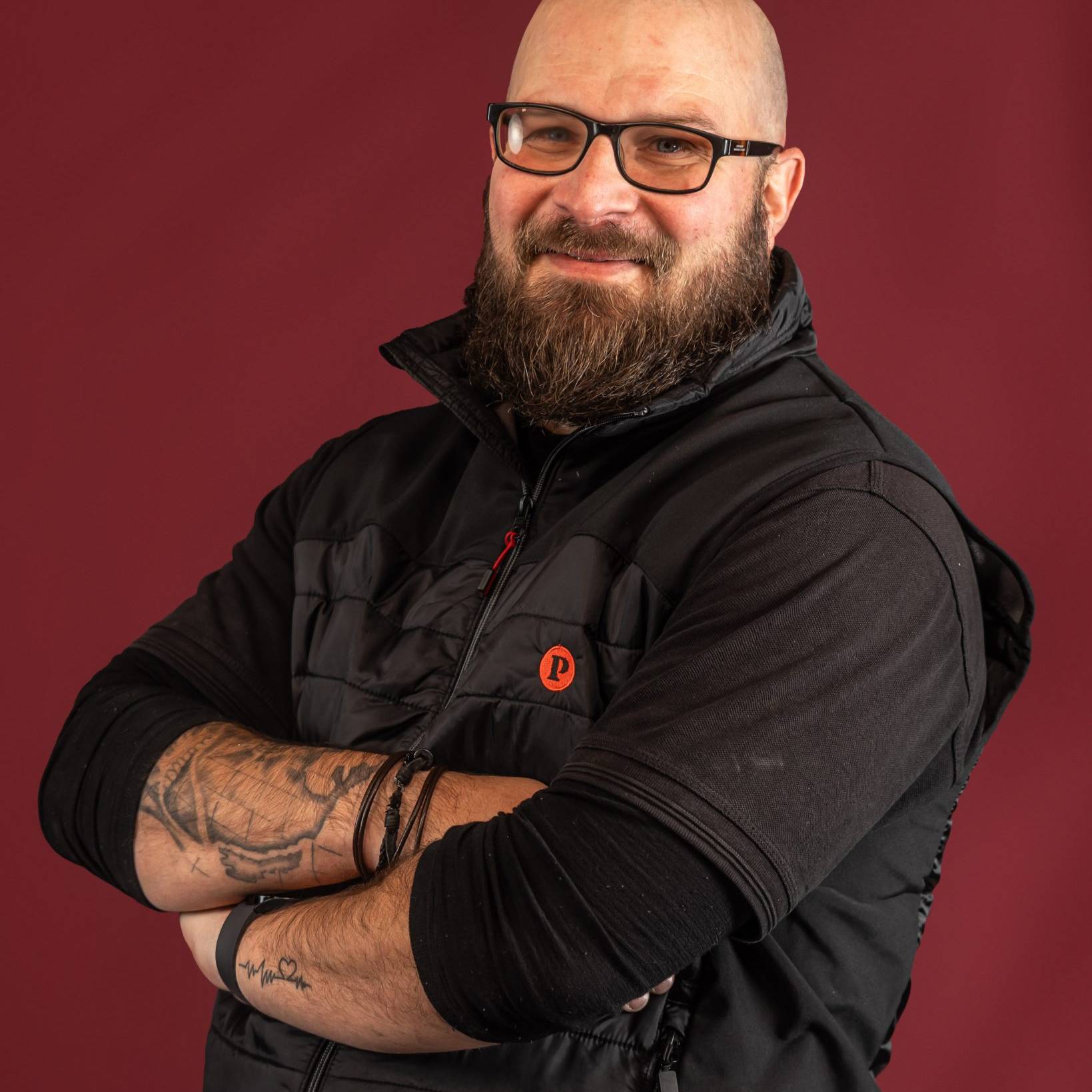
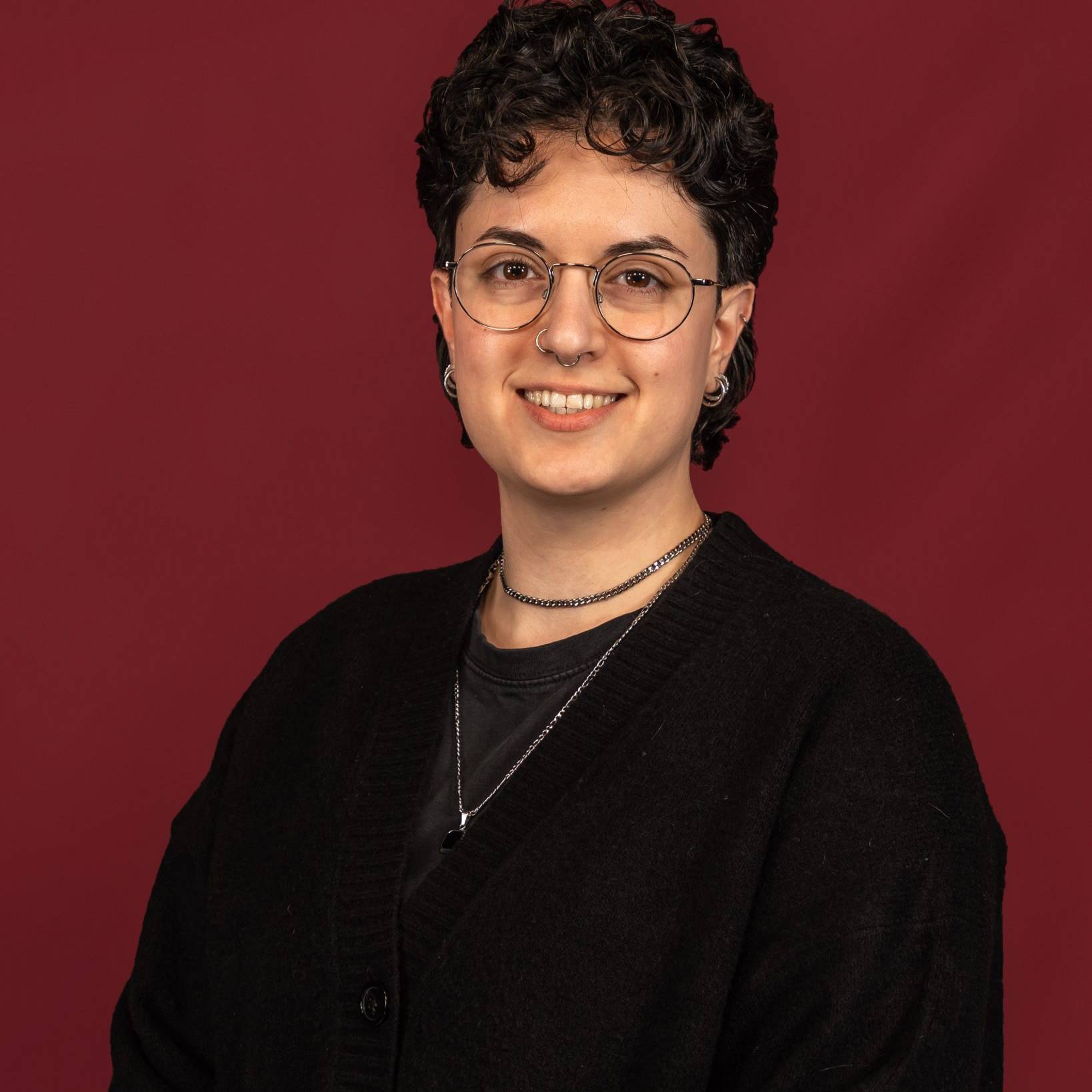
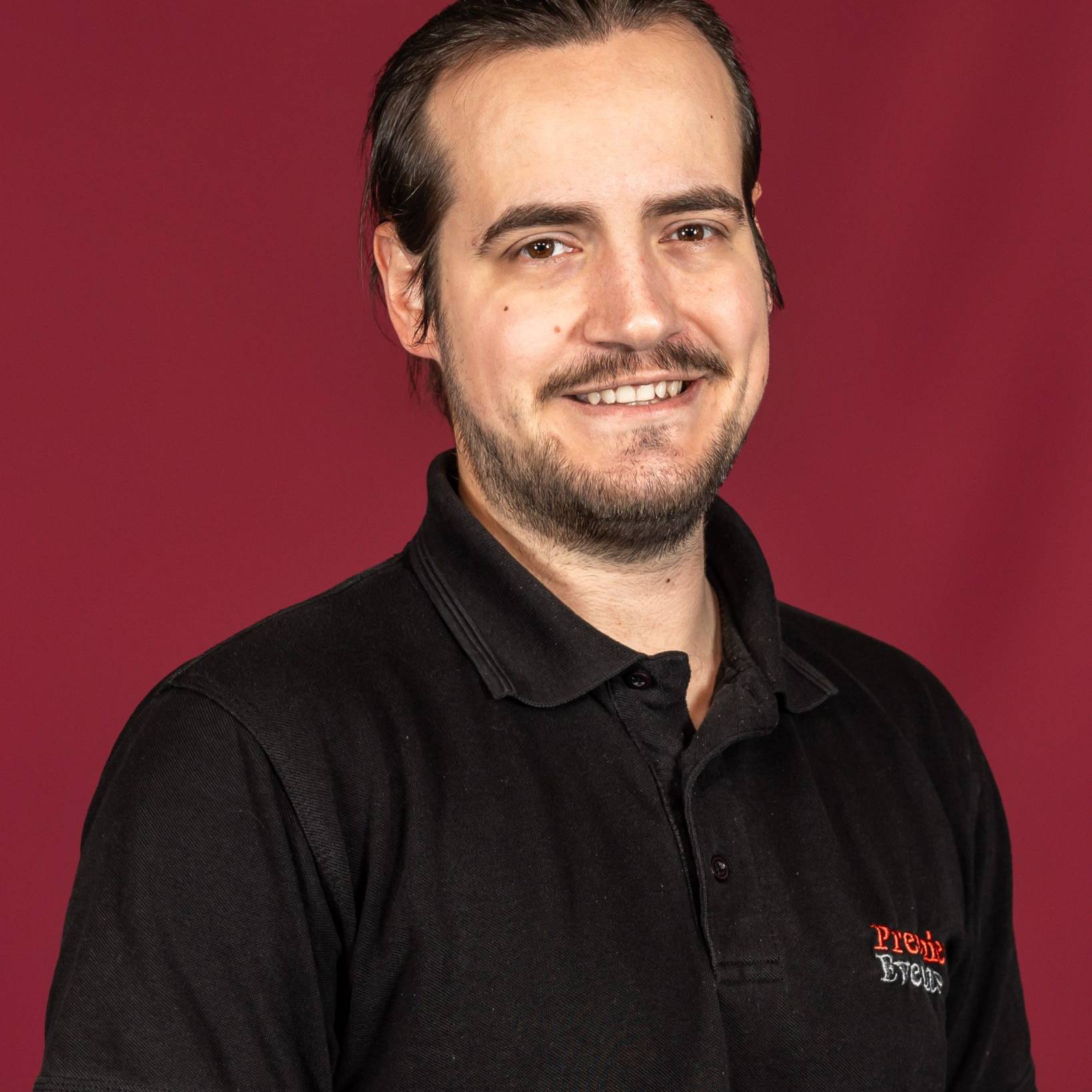
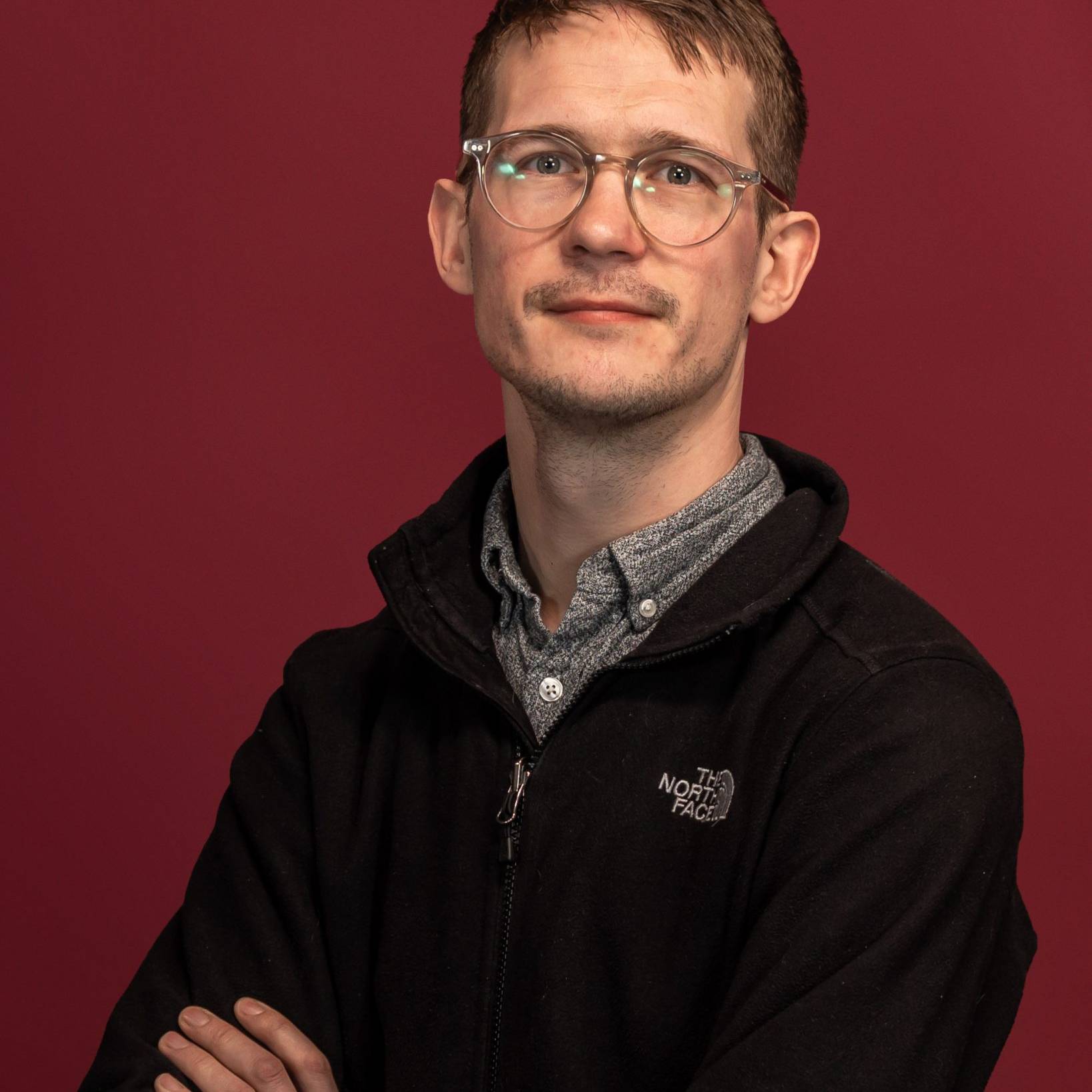
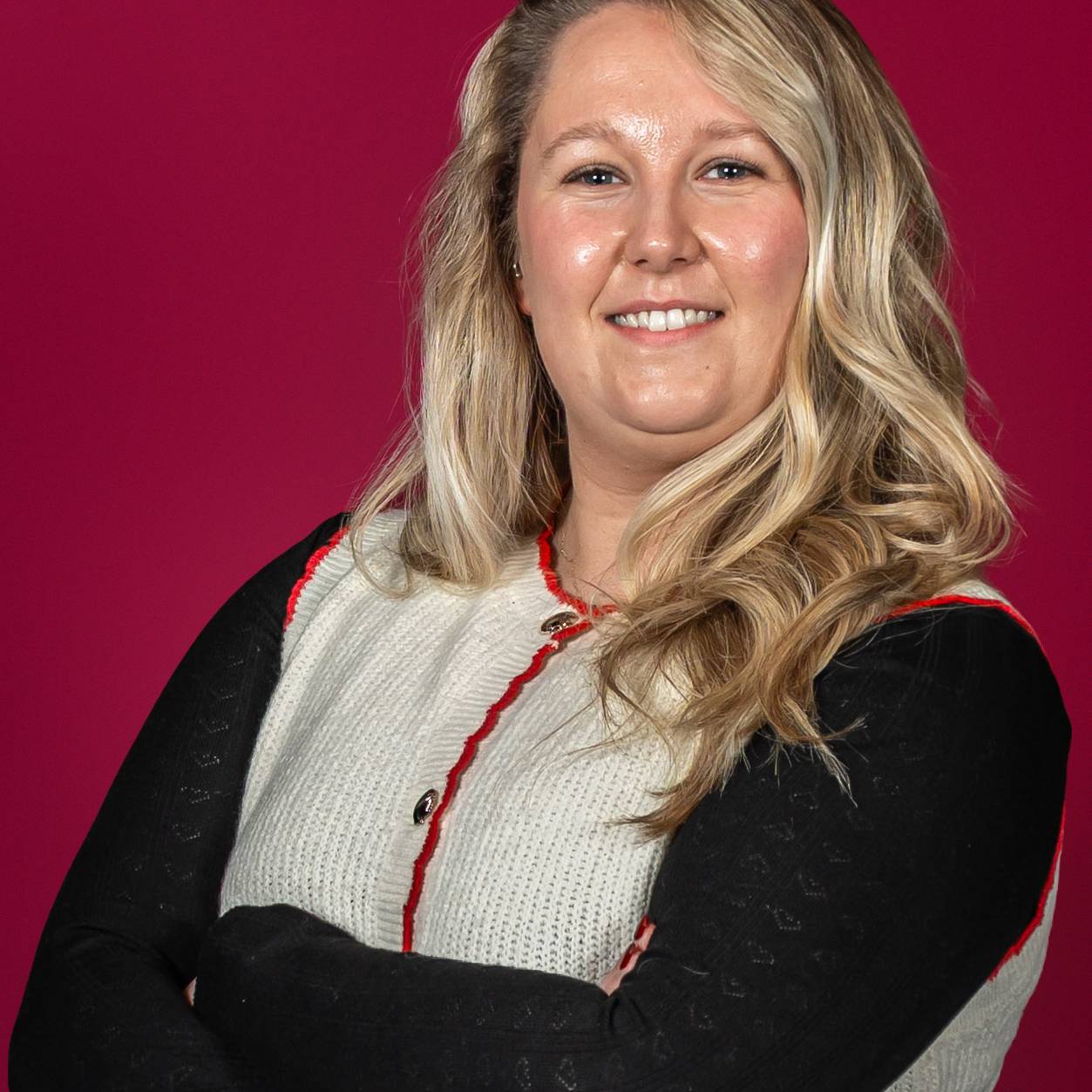
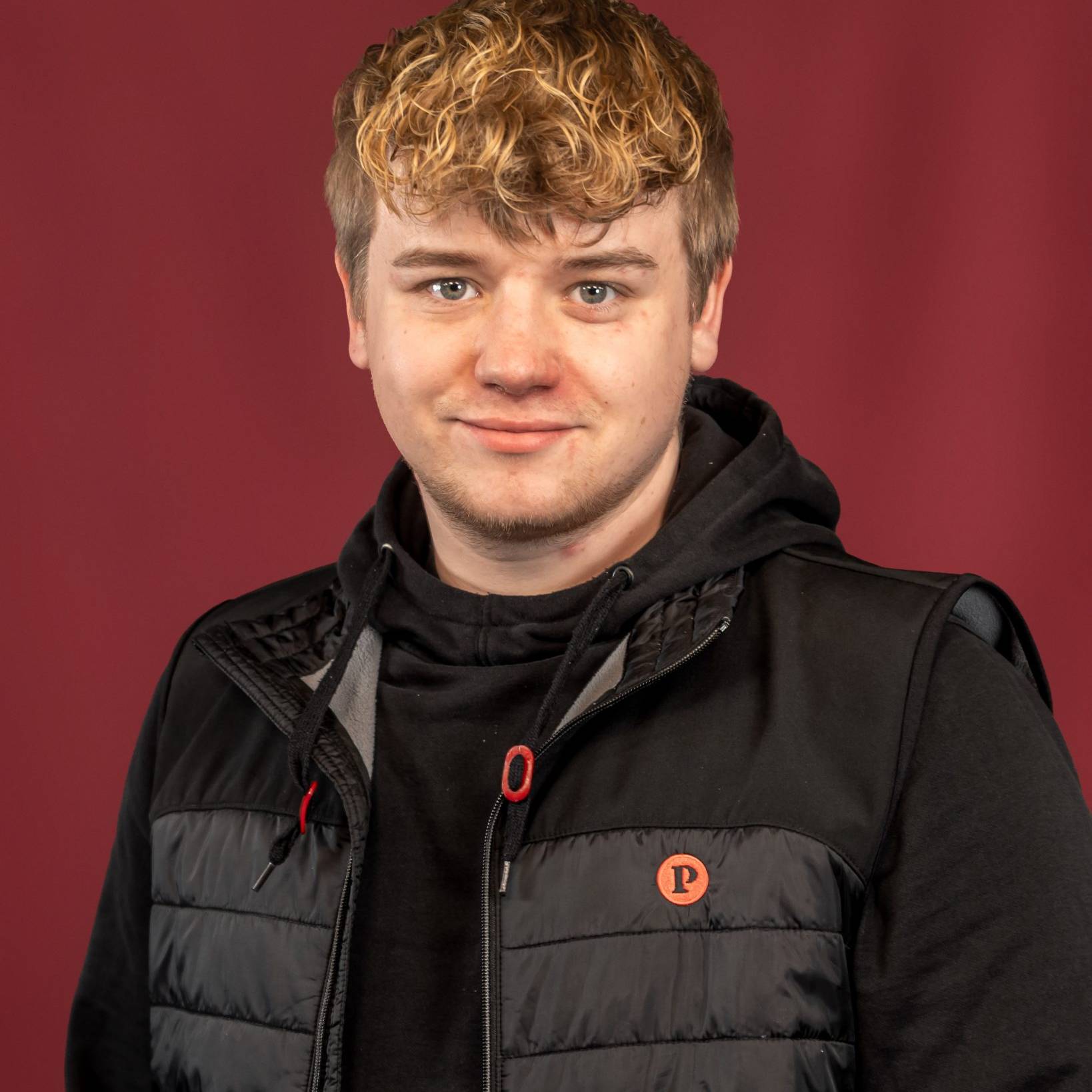
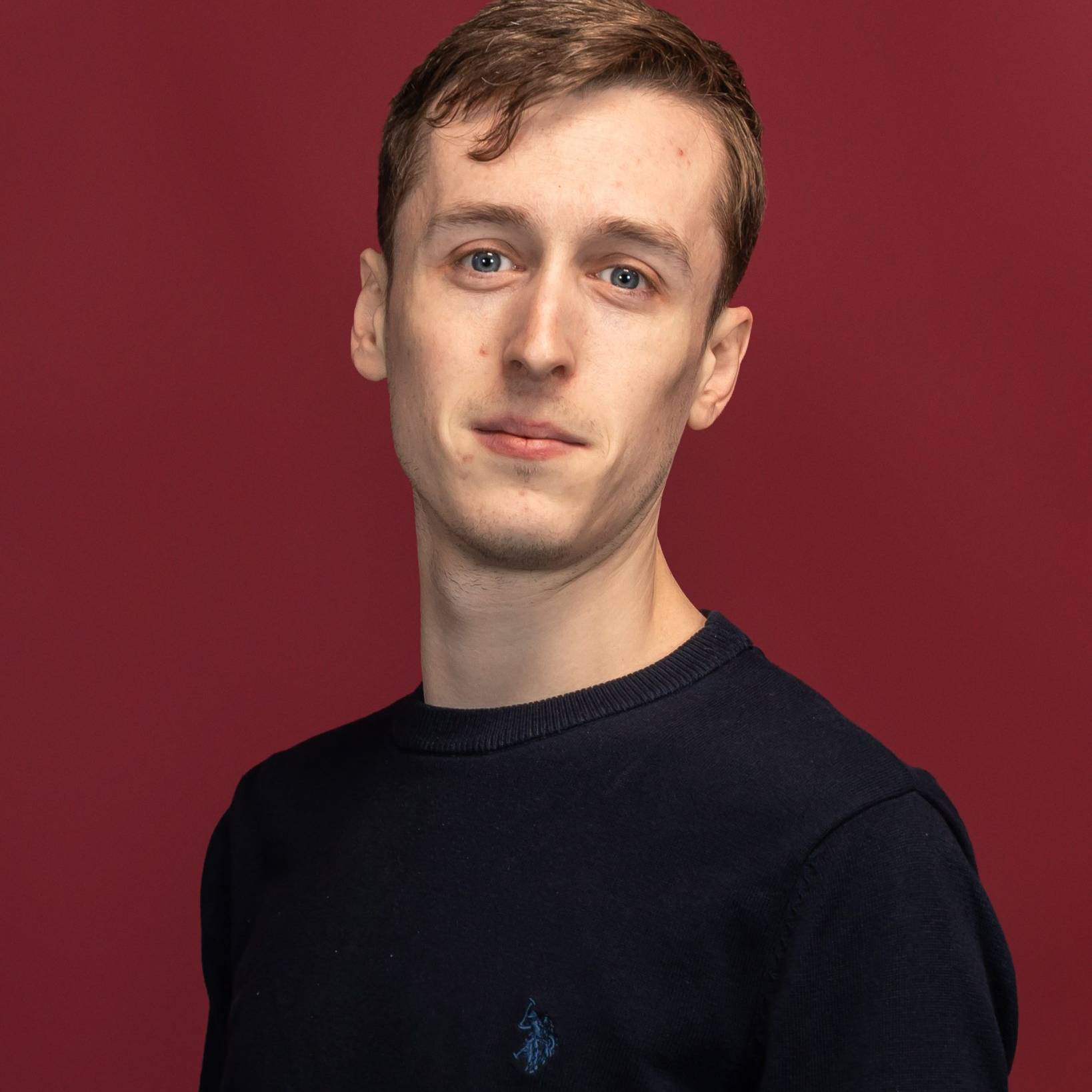
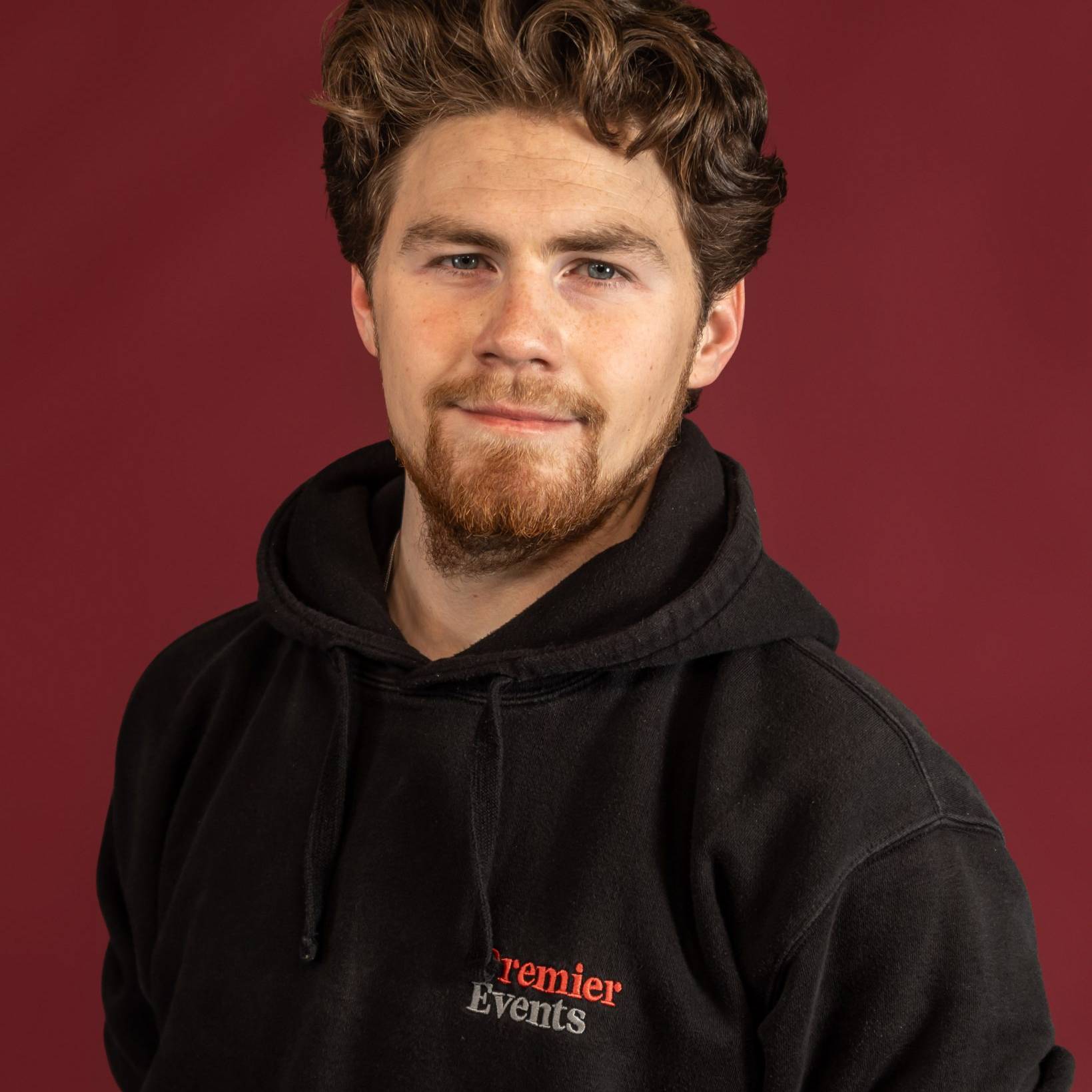
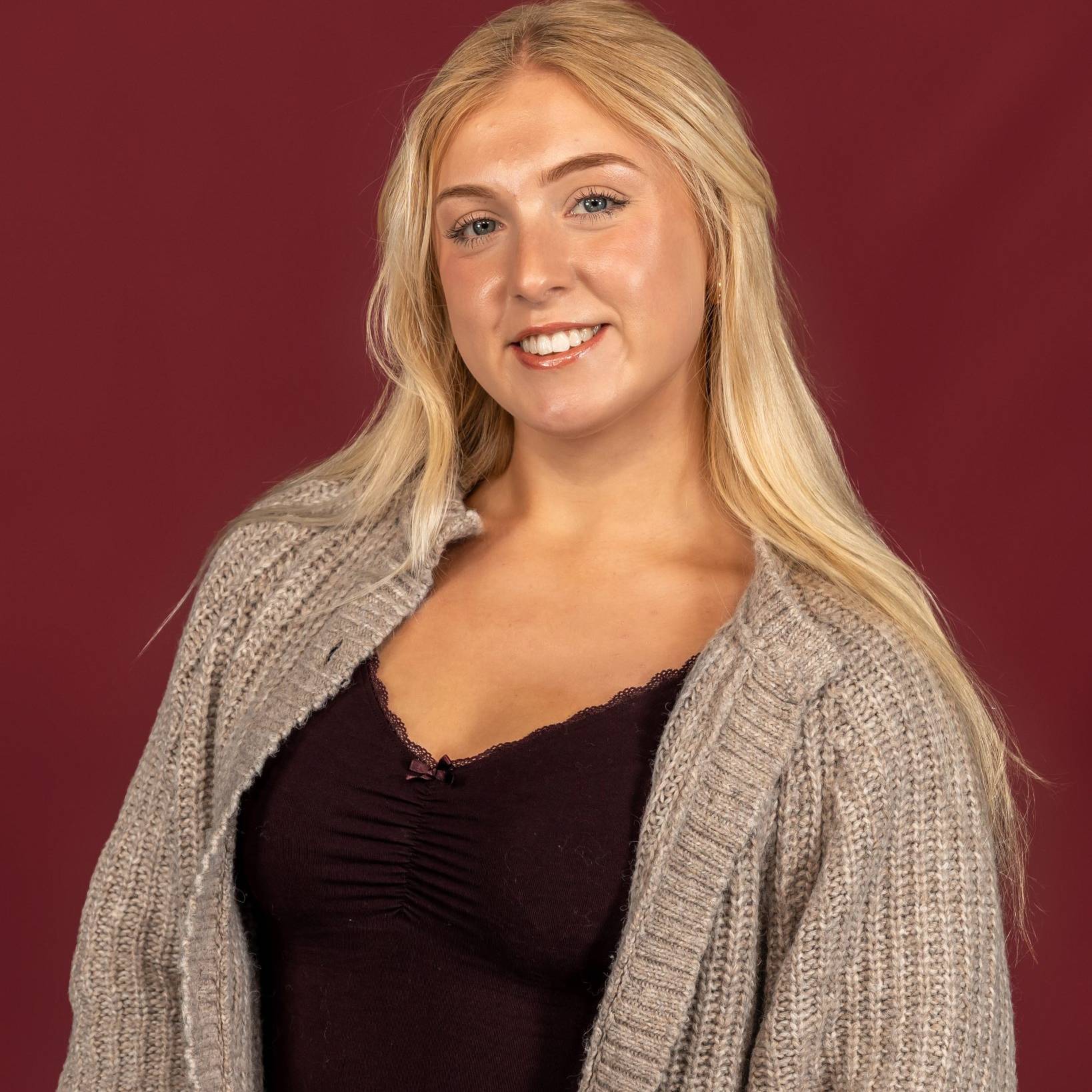
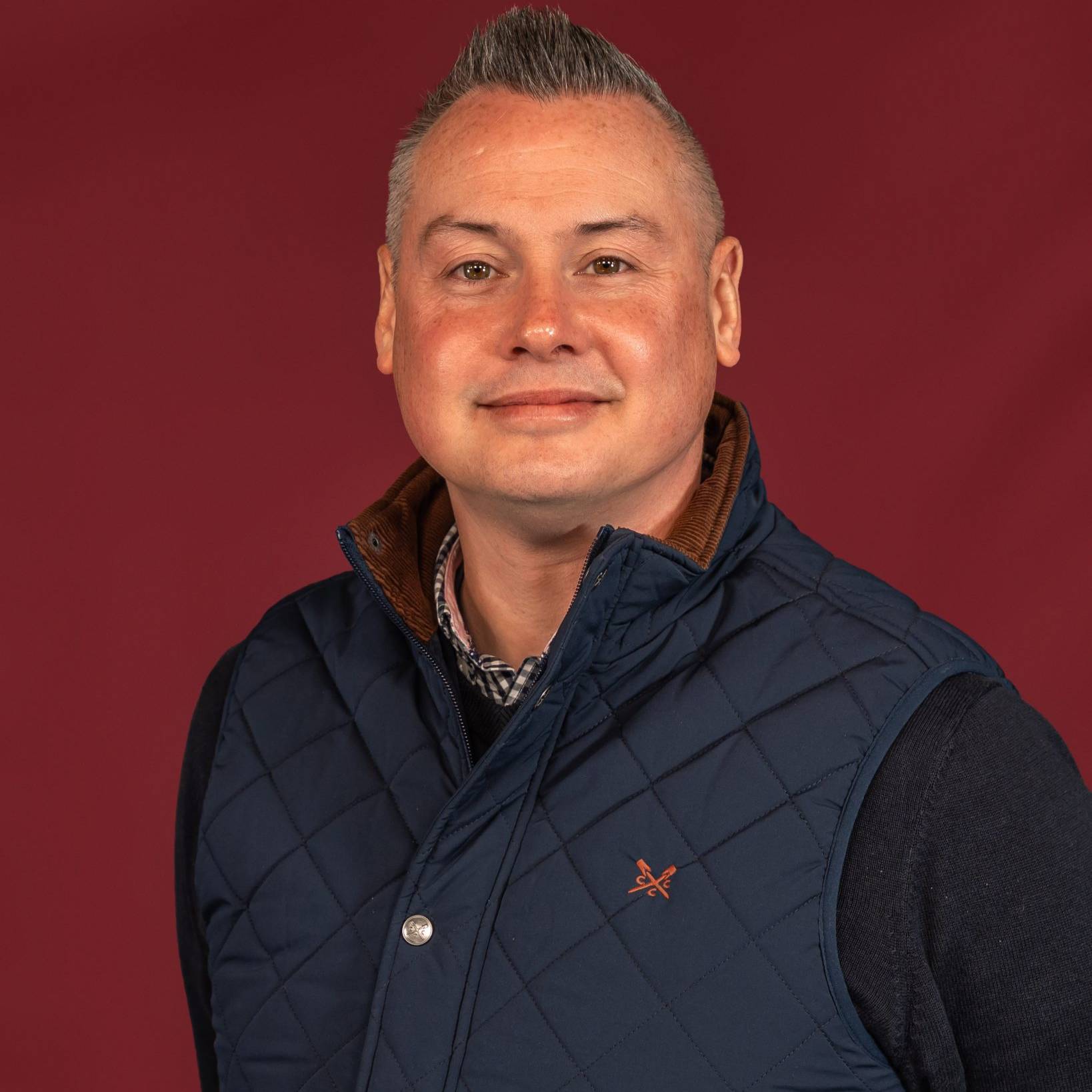
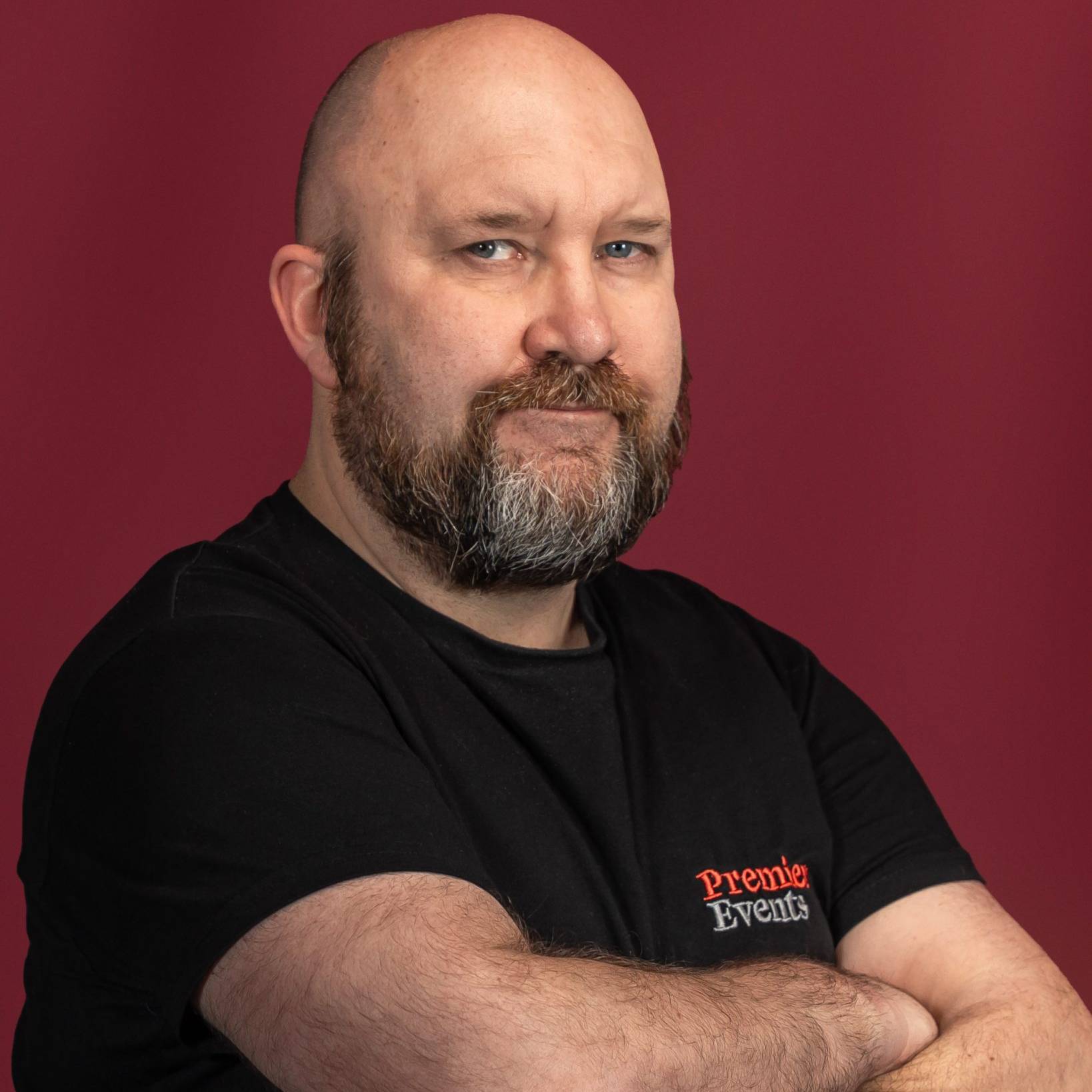
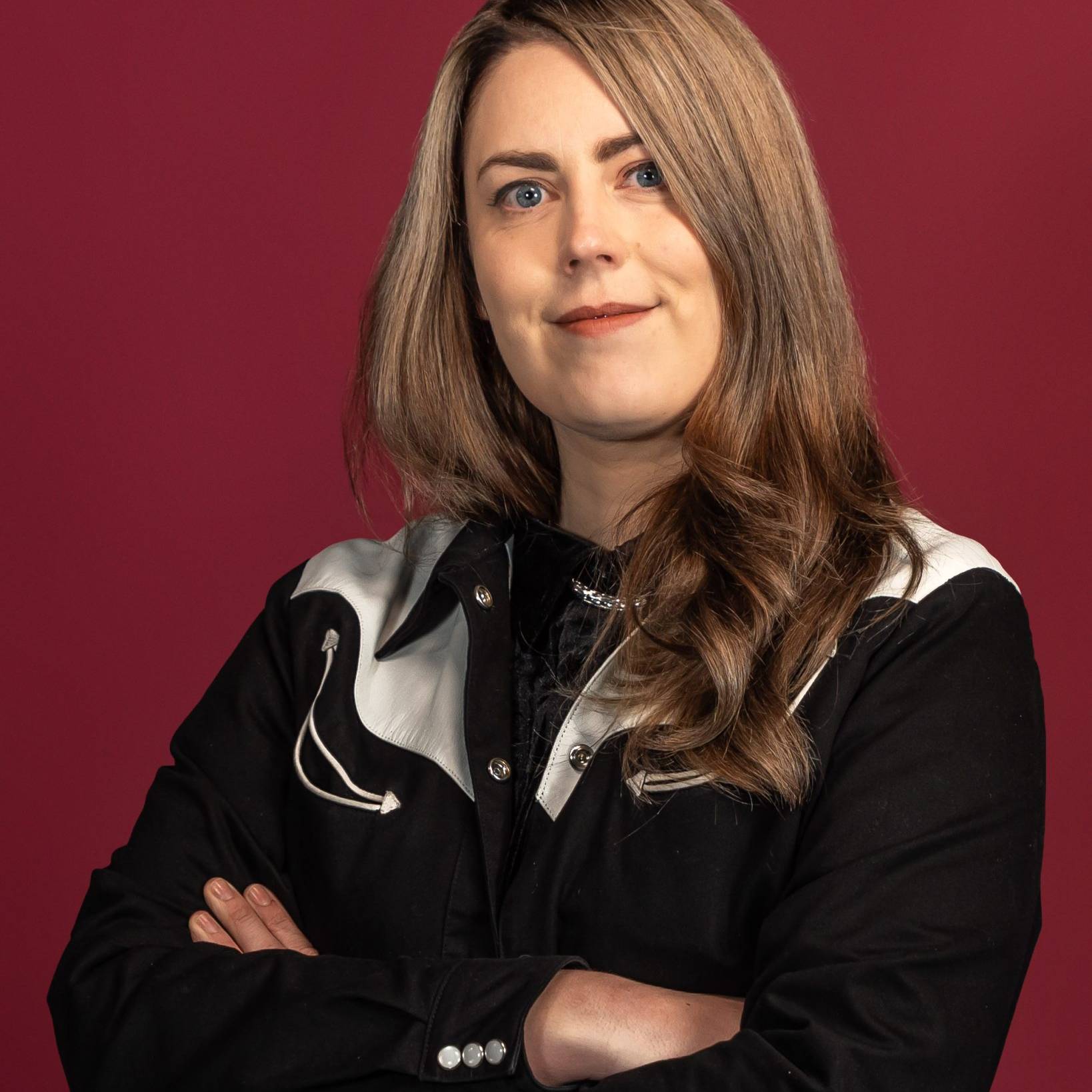
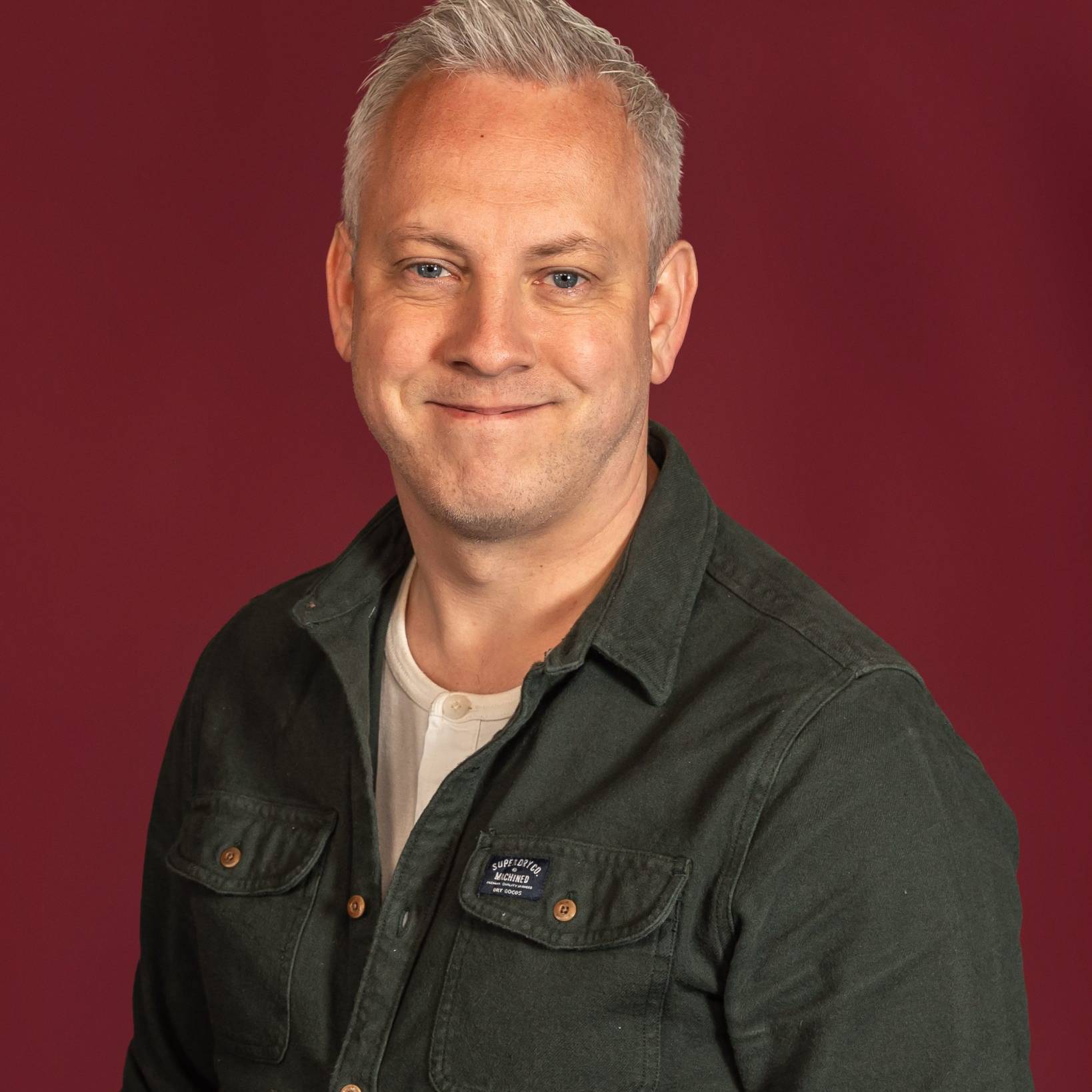
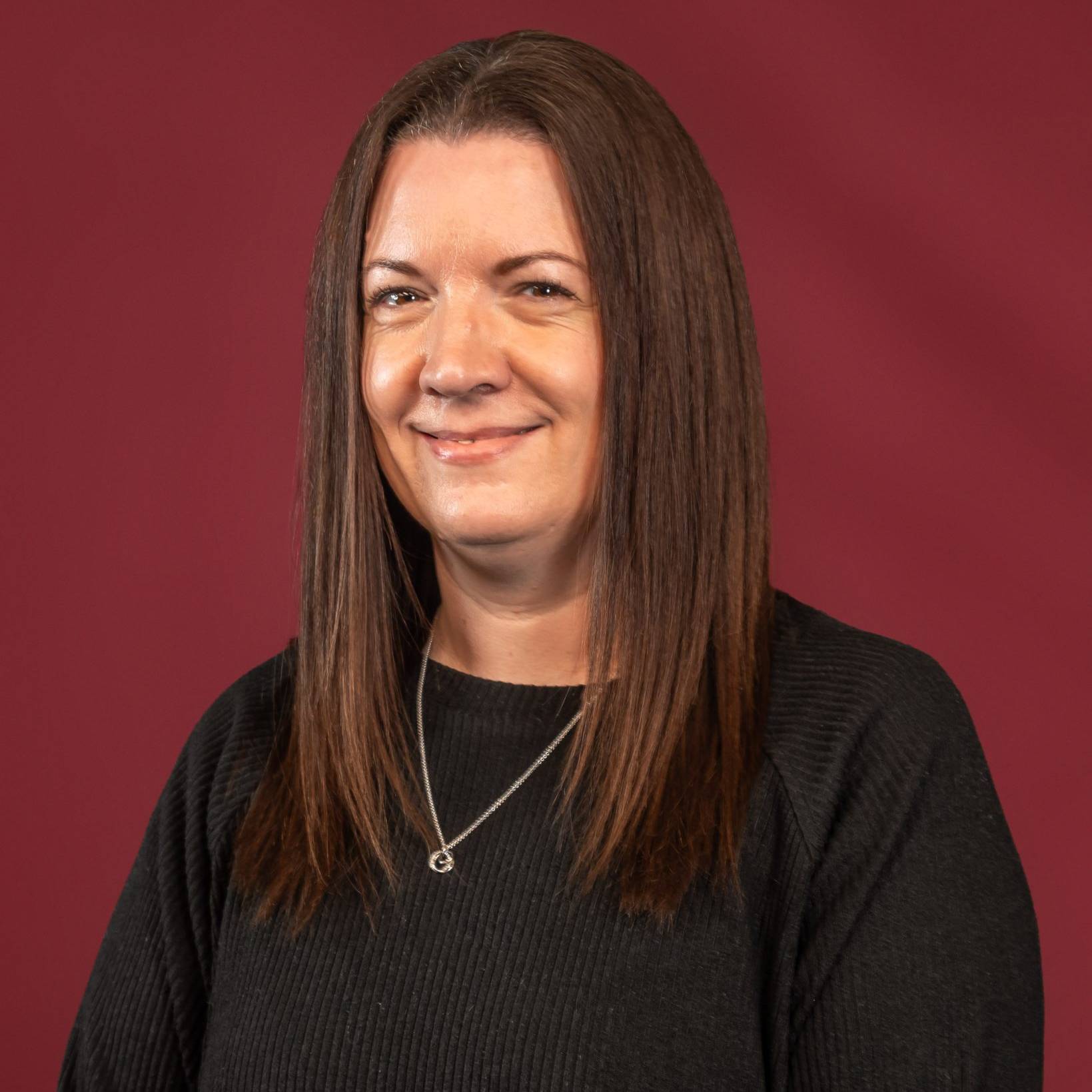
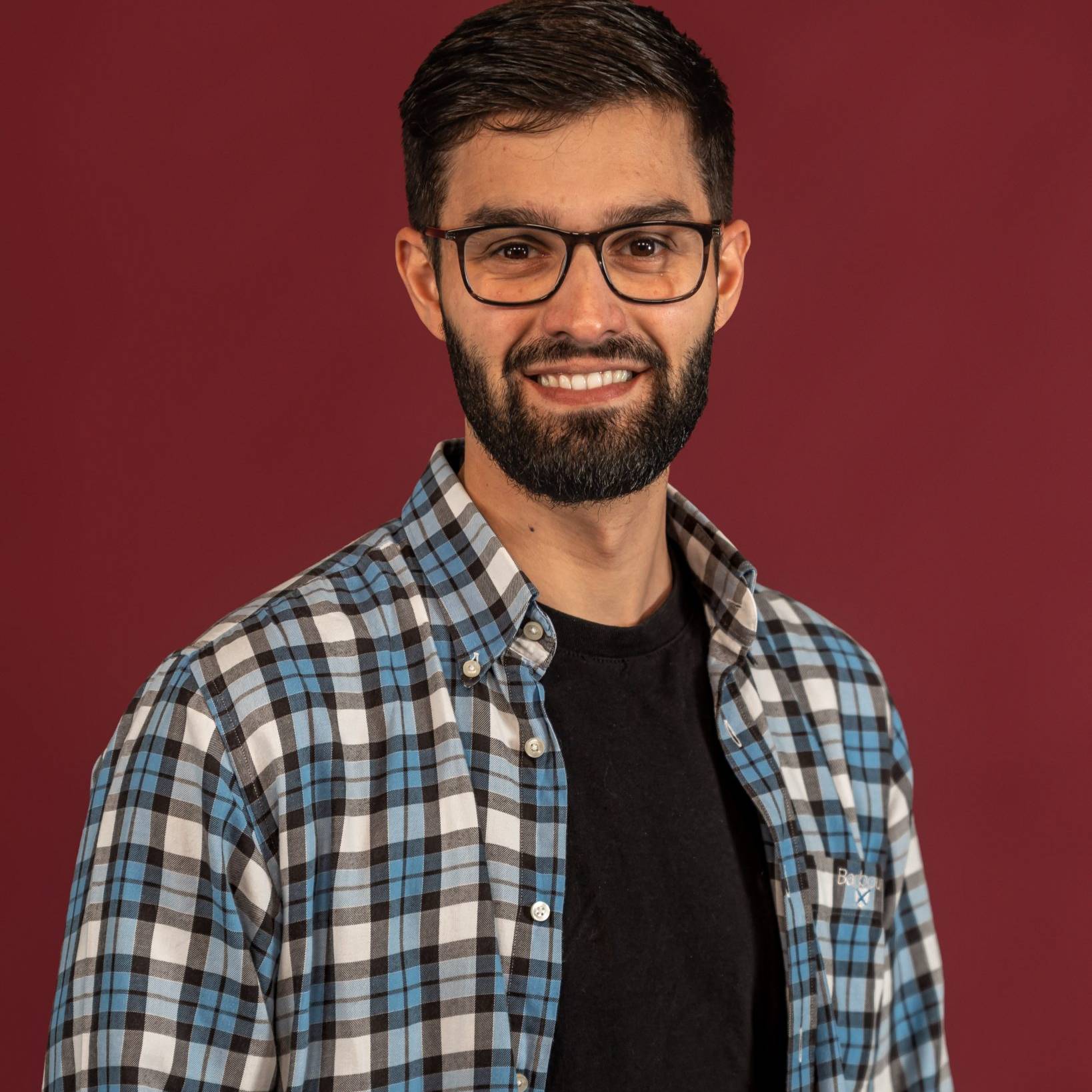
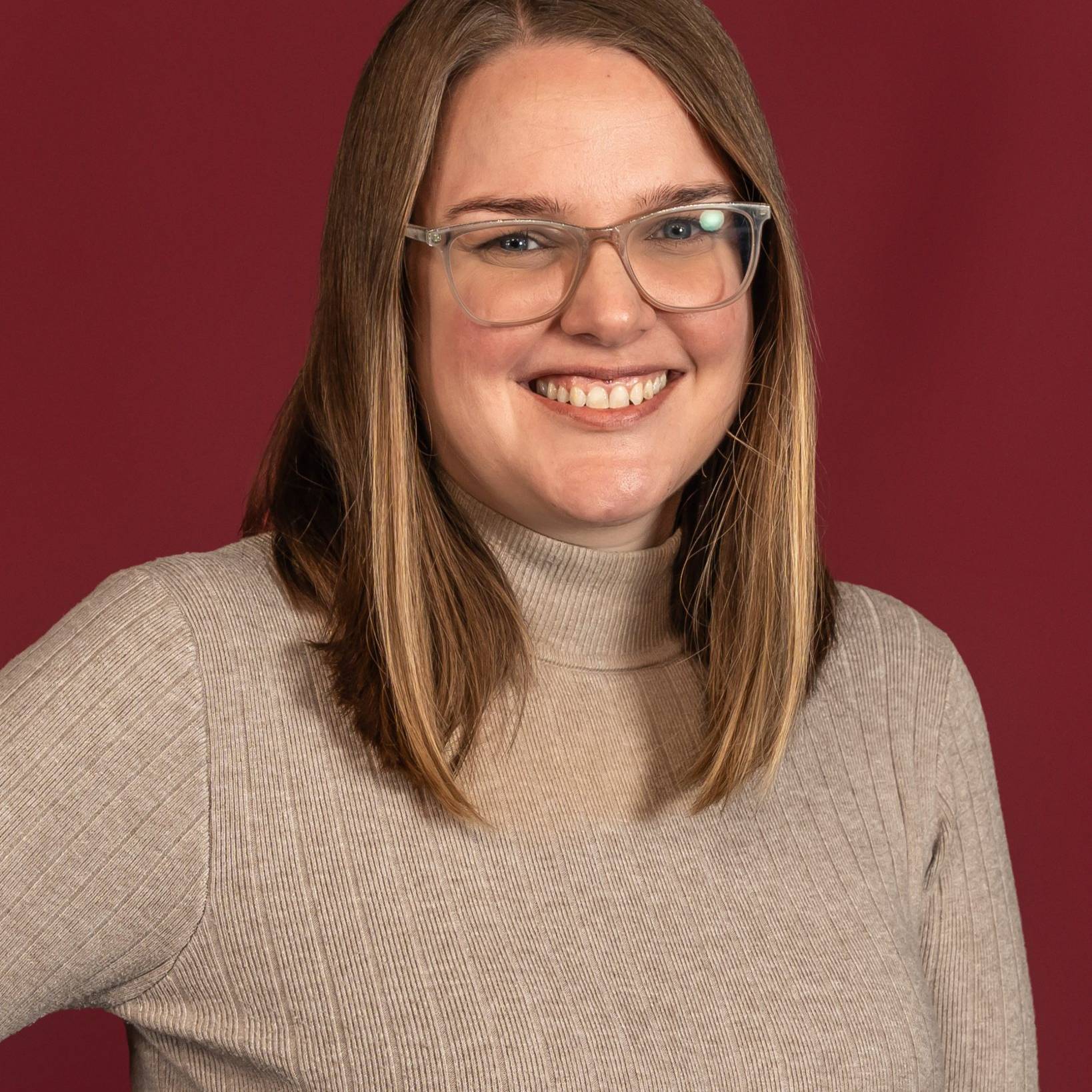
These are our people - the production managers, technicians, show-callers and crew who plan your event and run the room on the night. The same team from first site visit to final cue.





What We've Been Up To.
A look at the events we've delivered, the brief, the build, and how it ran on the night. Worth a read.