The Rundown
Topics: Special Effects, Atmospherics | Published: February 2022 | 3 min read
Smoke, haze, fog and dry ice get used interchangeably, and they shouldn't be. People regularly ask for one by name while picturing another, and the gap between those two things is usually the difference between a room full of light beams and a room nobody can see across.
They behave differently in the air. Smoke sits and spreads. Haze thins out to catch light. Dry ice and low fog stay near the floor. CO2 leaves nothing behind at all.
They also carry different practical costs - fire alarm isolation, ambient temperature, airflow, and in the case of dry ice, a bill that surprises people.
Here is what each one actually does, and when to reach for it.
Smoke, Haze and Dry Ice
Smoke Machines
A conventional smoke machine pumps a slightly thickened fluid onto a hot plate, vaporising it into dense white smoke. It builds a large plume fast, which makes it the right tool for a theatrical reveal.
The trade-offs are real. It can wreck sightlines, it does not clear quickly, and the particles will set off fire alarms. Isolate the system before you use one.
Haze
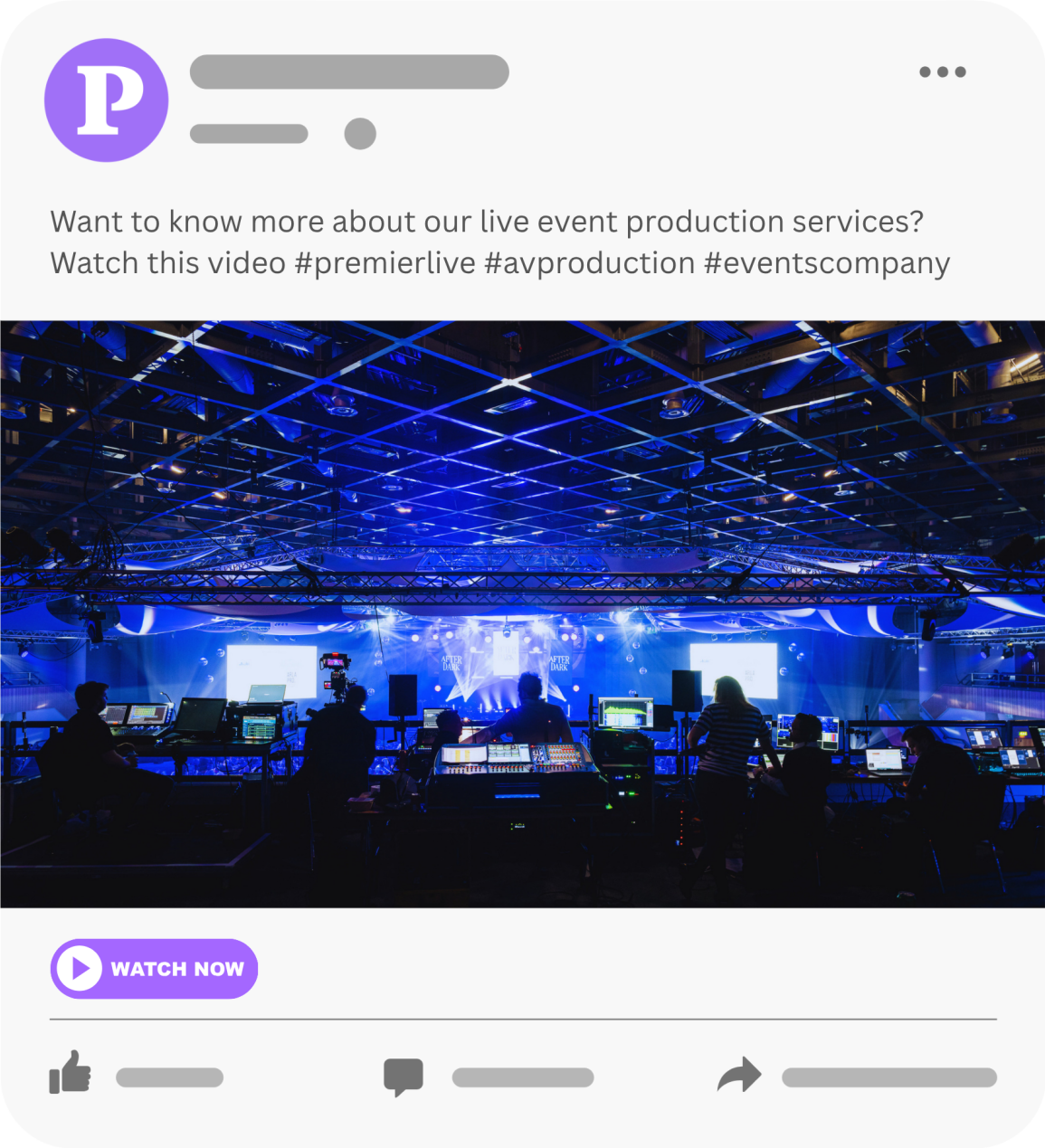
Haze is made the same way but far more subtly. Rather than a visible cloud, it puts enough particulate in the air for lights and lasers to draw beams across a room. Intensity is adjustable from the lighting console, and stage fans are usually used to spread it evenly.
A common misconception is that hazers do not trigger alarms. They are less likely to than smoke, but it remains a genuine possibility - isolate the alarm anyway. Haze hangs for a long time before it clears.
Dry Ice
Dry ice is solid carbon dioxide, supplied in chunks. Dropped into warm water it produces a very dense smoke that falls to the floor at normal room temperatures. The machine that does this, sometimes called a pea-souper, is essentially a heated bath that lowers the ice in safely.
It is extremely cold and dangerous to handle bare-handed. Technicians only.
Low Fog
What It Costs to Get Right
Dry ice is the effect people have seen on television and want at their own event. At scale it is expensive, because the ice itself is expensive and it is consumed as it works.
It also needs conditions. The look you see on talent shows depends on high ambient temperature and almost no air movement. The slightest draught in a venue will pull the effect apart. Get it right and it is remarkable; get the room wrong and you have spent a lot of money on nothing.
One advantage worth noting: as the smoke warms it turns back into invisible gas. Nothing hangs at eye level, so sightlines stay clear throughout.
Refrigerated Low Fog
The same floor-hugging look can be produced by super-cooling output from a conventional smoke machine. At the basic end, that means pushing smoke through a bucket of ice - a method that turns up in amateur theatre. Professional refrigeration units do it properly, and cost accordingly.
The limitation is that cooled smoke is still smoke. As it warms it rises, and the effect can lose the low, rolling quality that made you want it.
CO2 and Hiring the Kit
CO2 Effects
CO2 gives a large, instant, high-velocity jet of cold white smoke, released straight from a gas tank. It appears and disappears, leaving no residue in the air - which makes it useful where lingering smoke would be a problem for cameras or sightlines.
It is also sprayed directly onto dancefloors in some markets. That practice raises safety concerns and is generally avoided in the UK.
Choosing Between Them
Work backwards from what the effect has to do. Beams in the air means haze. A visible burst means smoke or CO2. Something rolling across the floor means dry ice or refrigerated fog, and a venue warm and still enough to hold it.
Then check the practicalities: alarm isolation, cleaning, and whether anything is being filmed.
Hire the Kit
Premier Live carries a wide range of atmospheric effects, including the Martin JEM ZR35 fog machine, Smoke Factory Tour Hazer II, Look Solutions Unique 2.1 hazer and Chauvet Geyser P7. Take a look at our hire options, or get in touch and we will help you pick.
Tell us about your event.
Fill in the form and we'll come back to you quickly, not with a generic auto-reply, but with something useful.
Prefer a call? Book a 20-minute discovery call at a time that suits you.
Rather email? info@premier-ltd.com. Or just ring us: 0116 202 9953.
Once we hear from you, we'll set up a quick call to understand your brief properly, no lengthy questionnaires, no sales pitch.
We typically respond within two hours on working days.
EXPERIENCED. DEPENDABLE. HANDS-ON. UNFLAPPABLE
The people behind Premier Live
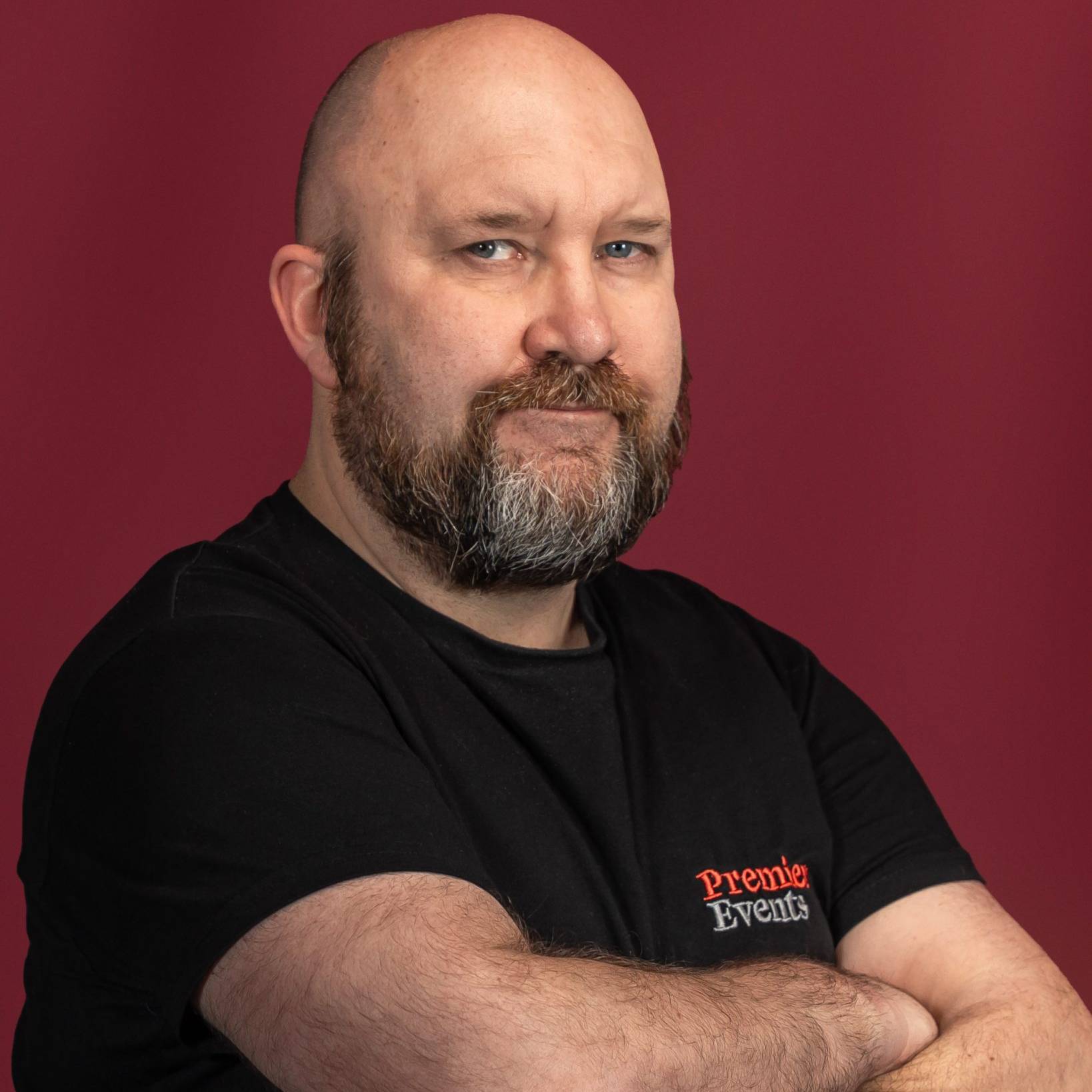
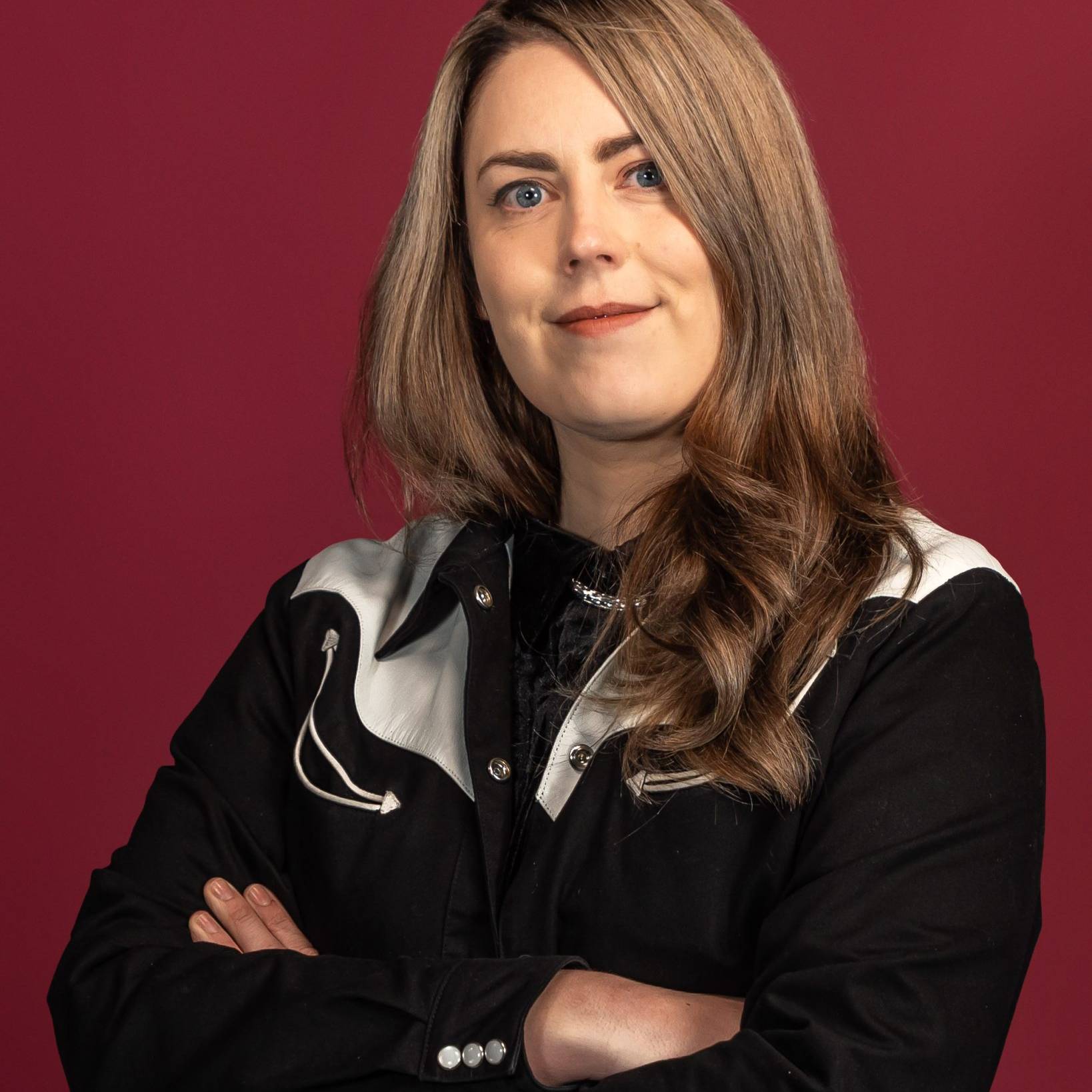
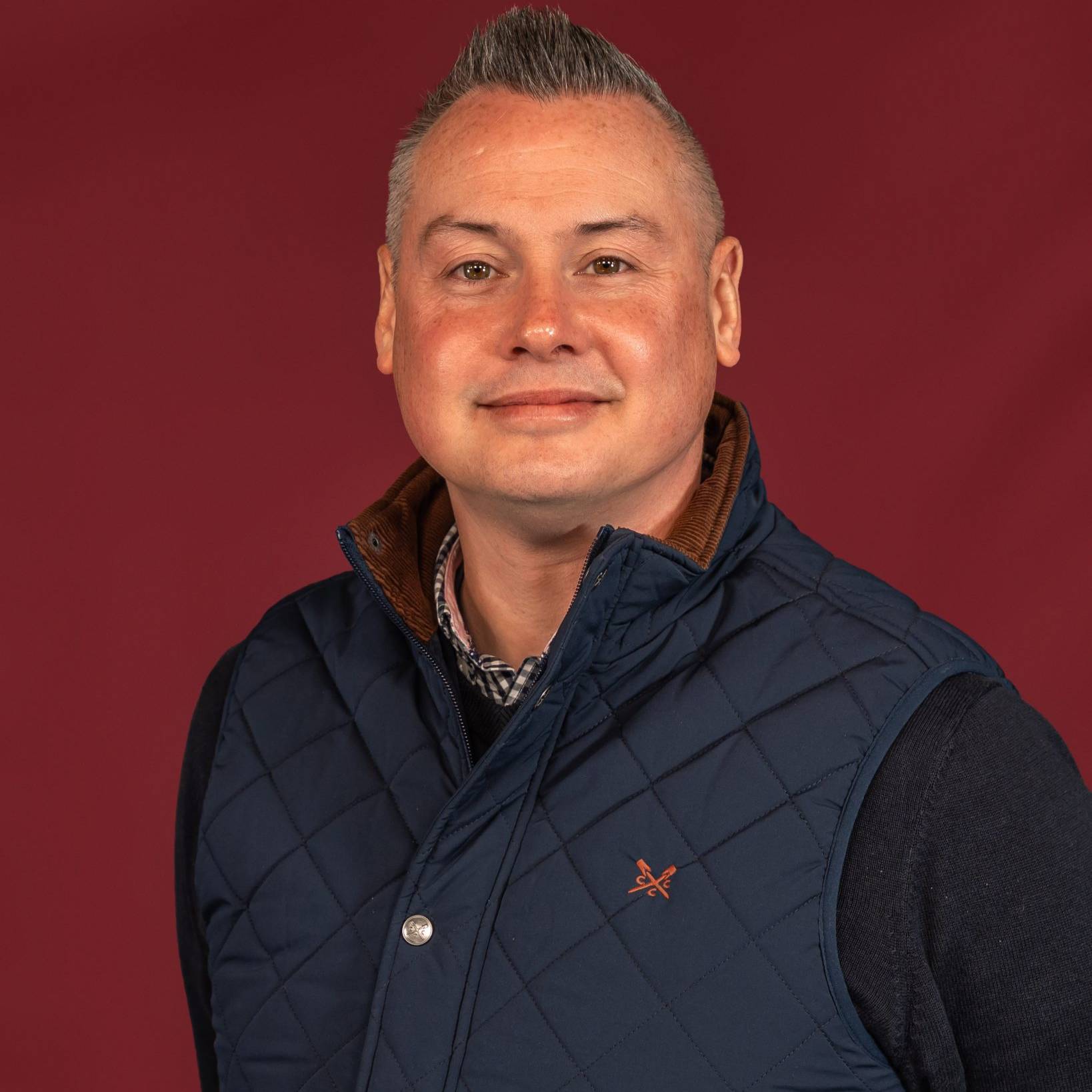
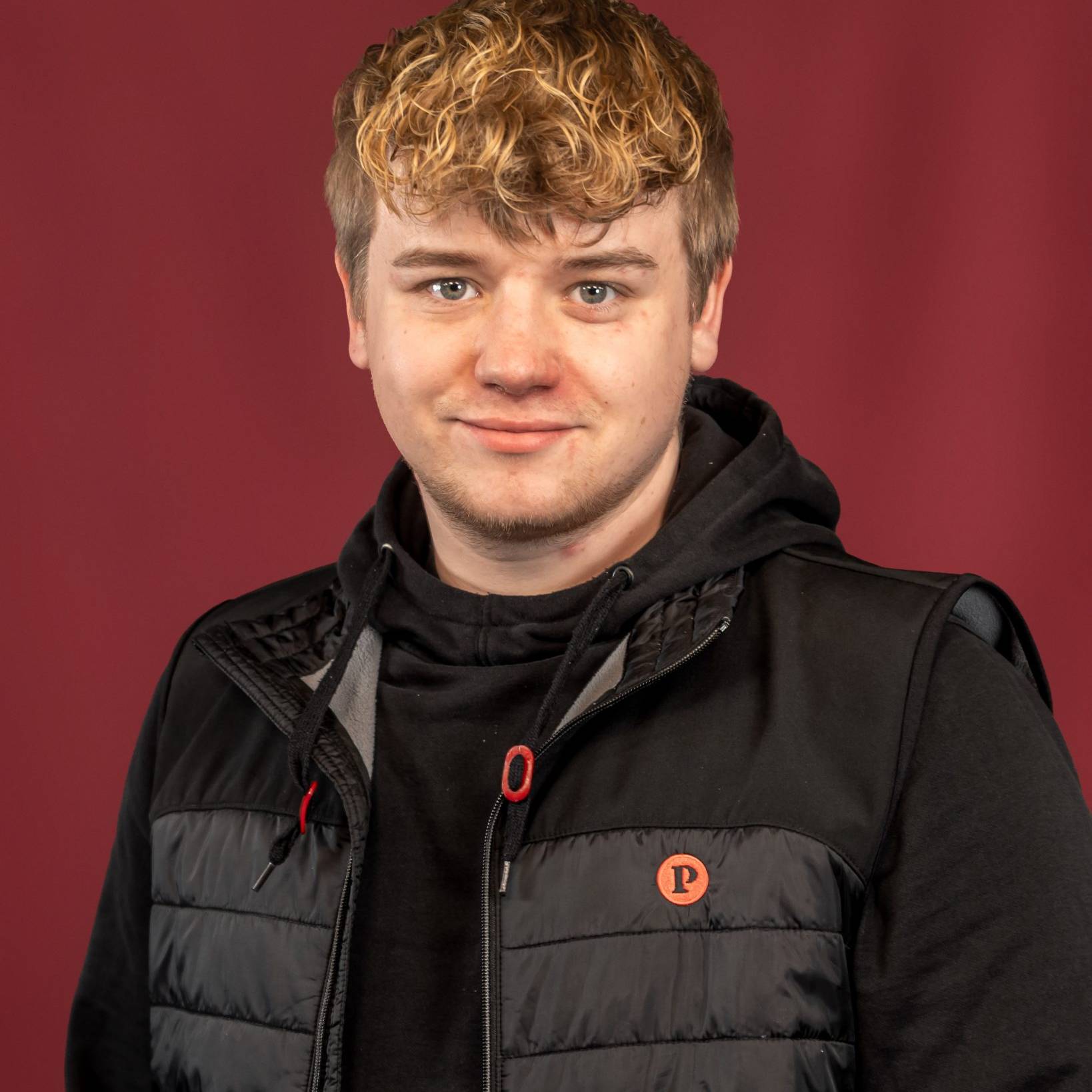
These are our people - the production managers, technicians, show-callers and crew who plan your event and run the room on the night. The same team from first site visit to final cue.


















What We've Been Up To.
A look at the events we've delivered, the brief, the build, and how it ran on the night. Worth a read.