The Rundown
Topics: UV Lighting, Event Design | 2 min read
Have you ever been caught by the glow of white or light-coloured fabric appearing to emit its own light in a dark room? That is UV.
The effect comes from the particular properties of ultraviolet light, which sits just beyond the range of human vision but interacts visibly with certain materials.
It is one of the oldest tricks in event lighting and one that has come back strongly - partly because LED technology has made it far more practical than it used to be.
Here is the science behind the glow, where UV came from, and how it is used now.
The Science
What We See as White
When we perceive light as white, our brains are interpreting the merging of all colour wavelengths - from long-wavelength red through to short-wavelength violet.
Ultraviolet sits just beyond violet, outside the range of human perception. We cannot see the light itself.
Why Things Glow
When UV strikes certain lighter materials and fabrics, it triggers a luminescent response.
The material absorbs the invisible ultraviolet energy and re-emits it at a wavelength we can see. That is why the fabric appears to be producing light of its own rather than reflecting it.
The result is an effect that reads as genuinely magical, because the light source itself is invisible while the objects it strikes are not.
What Responds
Whites and pale colours respond most strongly, along with anything containing optical brighteners - which covers a great deal of modern fabric and paper.
That is worth knowing both ways. It produces striking results deliberately, and it also means white shirts and lanyards will glow whether you intended them to or not.
Specific UV-reactive paints and materials give far more control than relying on whatever guests happen to be wearing.
A Nostalgic Return
Where It Came From
UV lighting rose to prominence in the disco and early rave scenes of the seventies and eighties, where it defined the look of a dancefloor.
It then went relatively quiet for years, associated strongly enough with that era to feel dated.
Why It Is Back
UV has returned as a sought-after element in event design, and particularly in outdoor and immersive work.
Light trails have driven much of that. UV creates depth and surprise in an outdoor environment without floodlighting it, which suits a route people walk through in darkness.
What Changed Technically
The resurgence is enabled by the technology.
Early UV meant sodium discharge lamps fitted with phosphor filters to allow only ultraviolet frequencies through. They were power-hungry, hot and limited.
Modern low-powered LED fixtures illuminate entire event spaces, and even woodland, with UV while drawing very little power.
That has made UV both more accessible and far more versatile - it can now be rigged where running significant power would be impractical.
Using It Well
Darkness Is the Requirement
UV only works in genuine darkness. Any ambient white light overwhelms the effect immediately.
That makes it a natural fit for night-time outdoor work and controlled indoor spaces, and a poor fit for anywhere with spill from other fixtures or from a building.
Plan UV zones as dark zones from the outset rather than trying to protect them later.
Design With Materials
The fixtures are only half of it. What genuinely determines the result is what you give the light to work on.
UV-reactive paint, print, fabric and props all extend the palette well beyond incidental white surfaces, and allow the effect to be shaped deliberately.
Use It Sparingly
UV is at its strongest as a contrast. An entire event under ultraviolet quickly becomes tiring.
A single UV passage within a wider trail, or one room within a larger space, lands far harder than sustained use.
Safety
Event-grade UV fixtures are designed for the purpose, but placement still matters - avoid direct sustained exposure at close range, particularly at eye level.
Talk to Us
Premier Live uses UV lighting in light trails and immersive installations. Get in touch on 0116 202 9953 or info@premier-ltd.com.
Tell us about your event.
Fill in the form and we'll come back to you quickly, not with a generic auto-reply, but with something useful.
Prefer a call? Book a 20-minute discovery call at a time that suits you.
Rather email? info@premier-ltd.com. Or just ring us: 0116 202 9953.
Once we hear from you, we'll set up a quick call to understand your brief properly, no lengthy questionnaires, no sales pitch.
We typically respond within two hours on working days.
EXPERIENCED. DEPENDABLE. HANDS-ON. UNFLAPPABLE
The people behind Premier Live
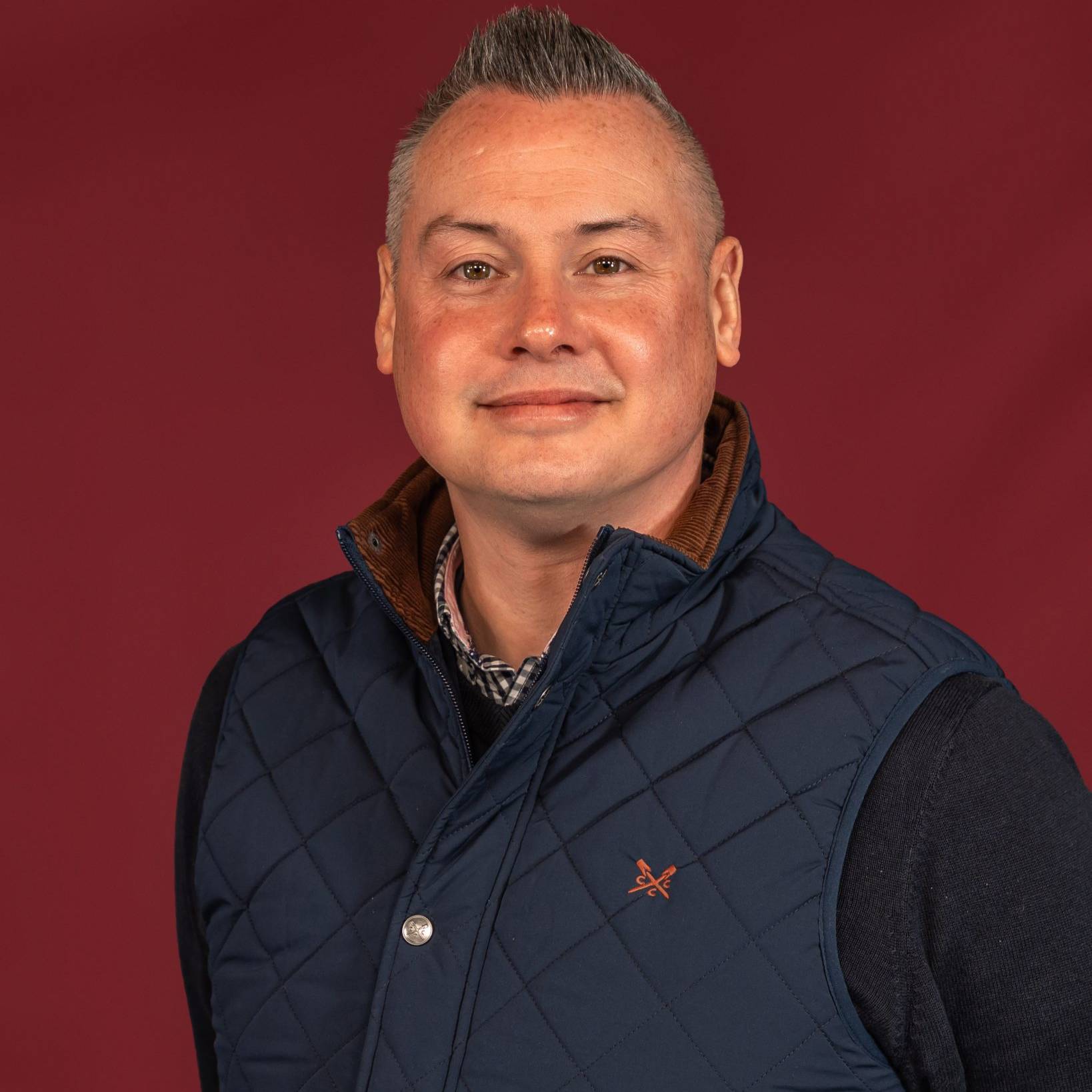
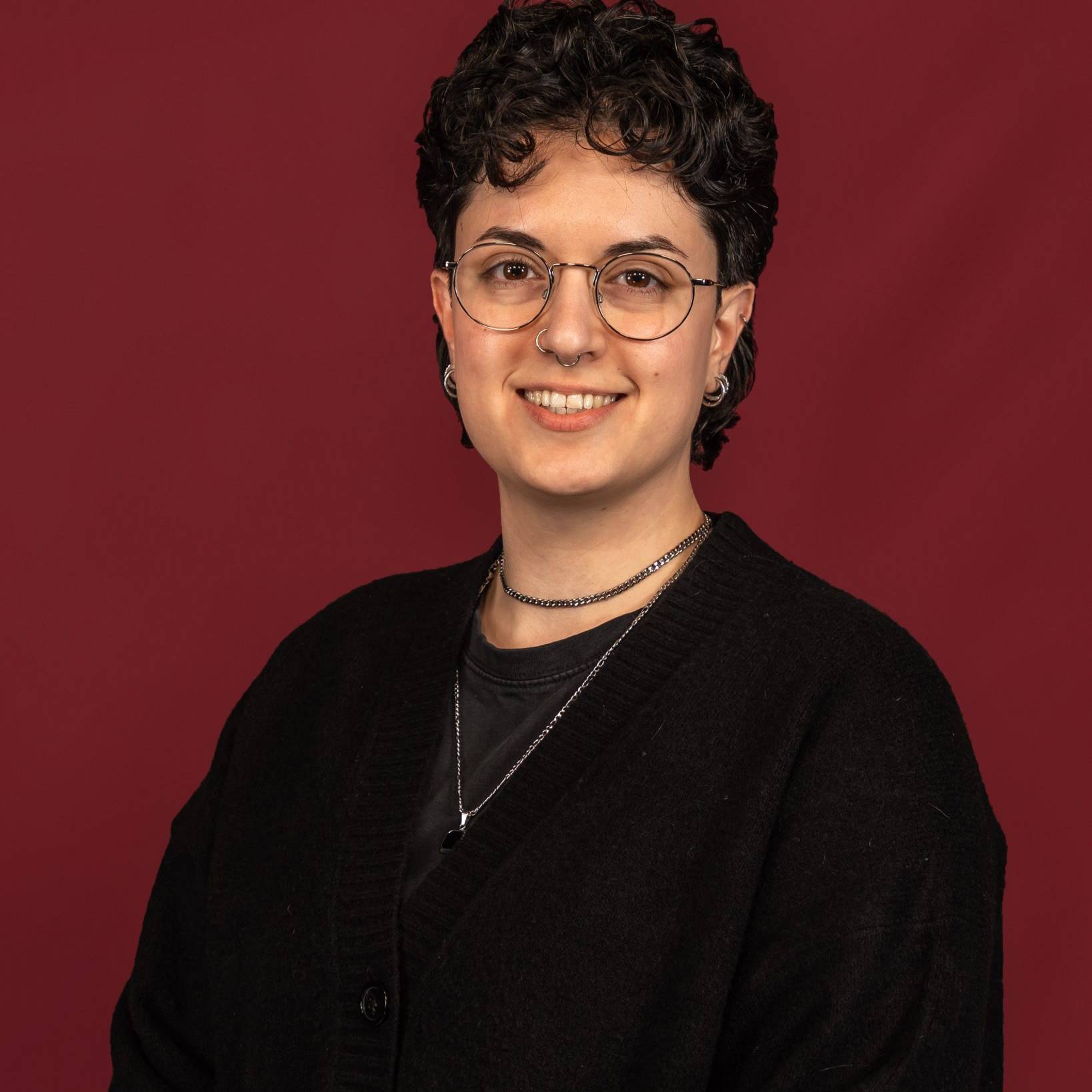
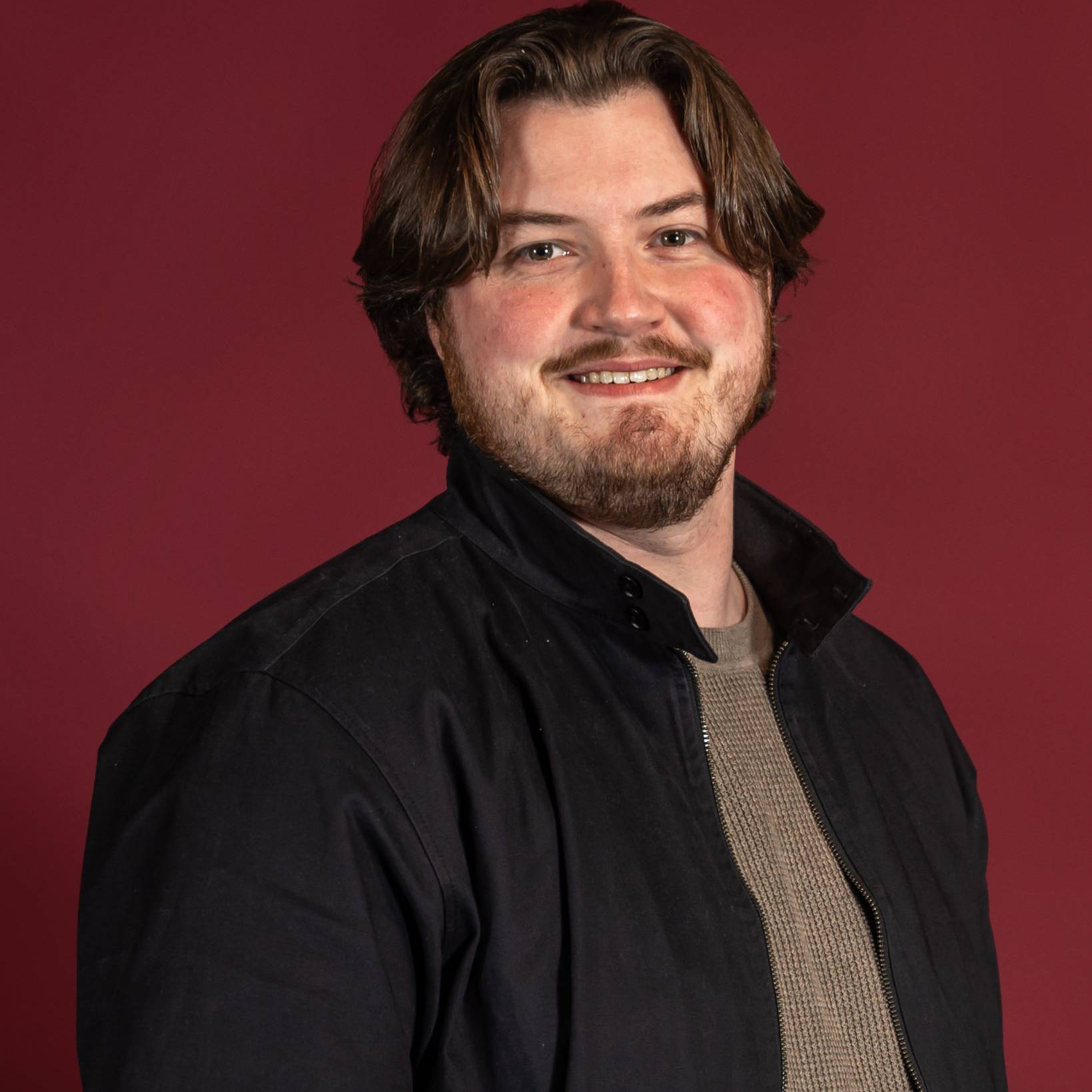
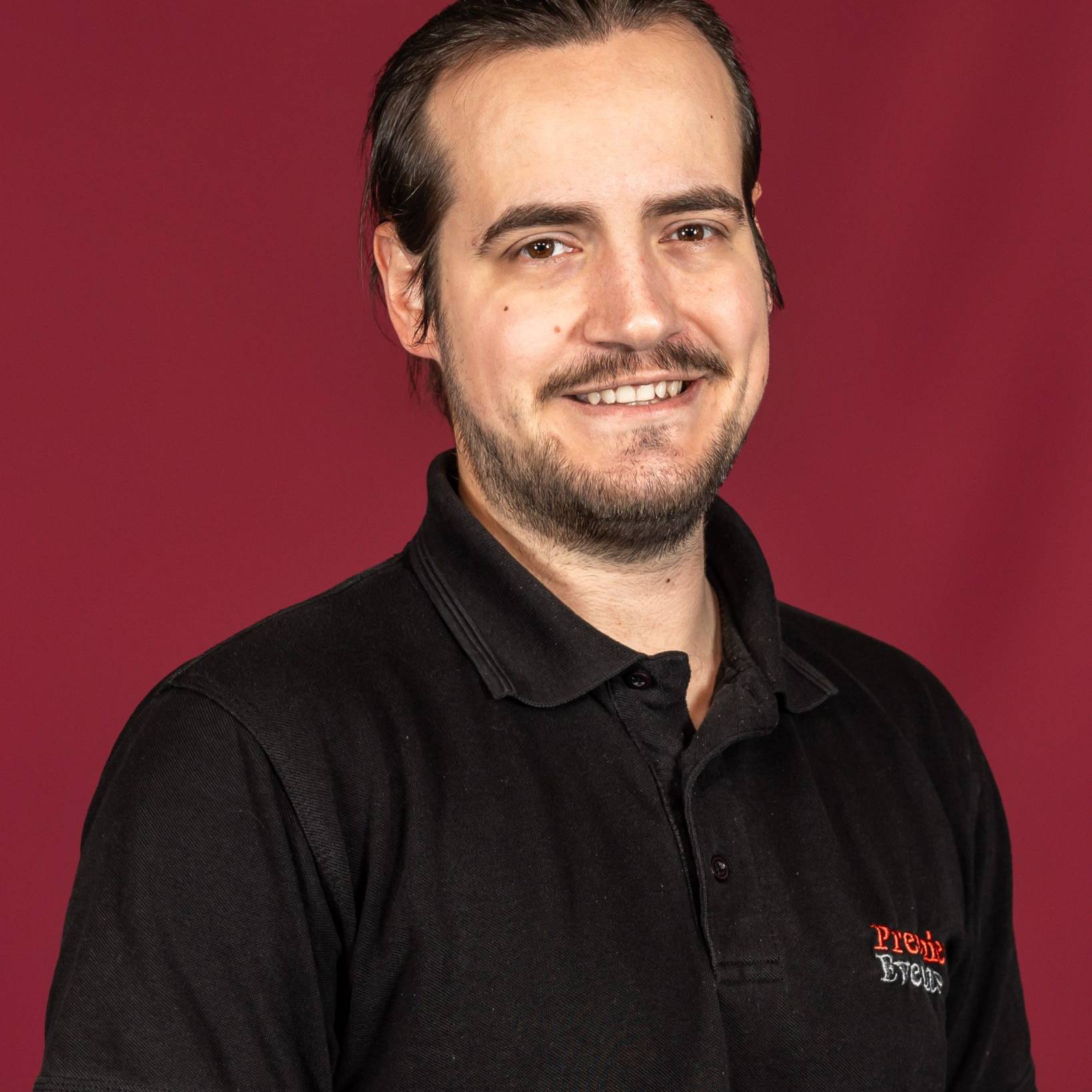
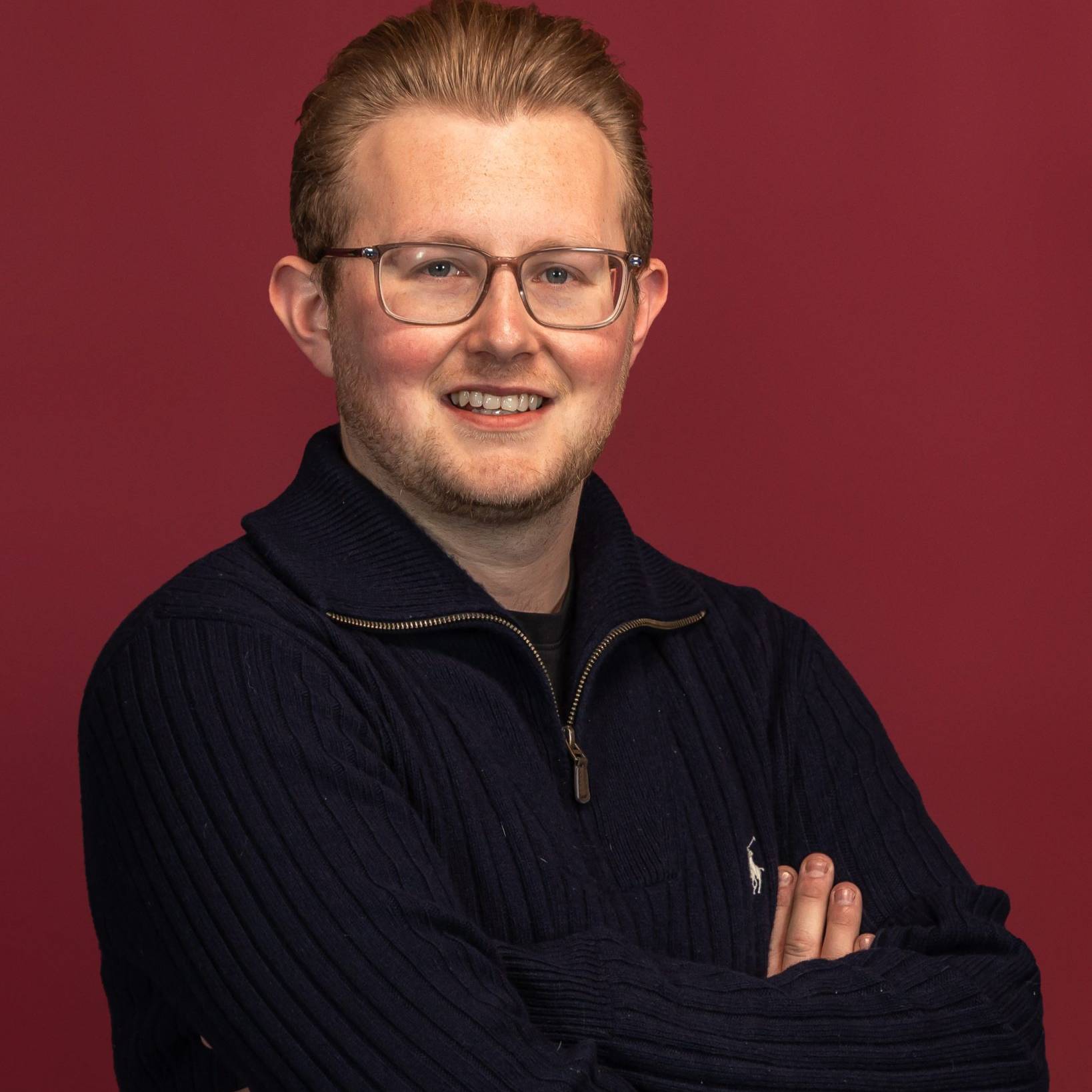
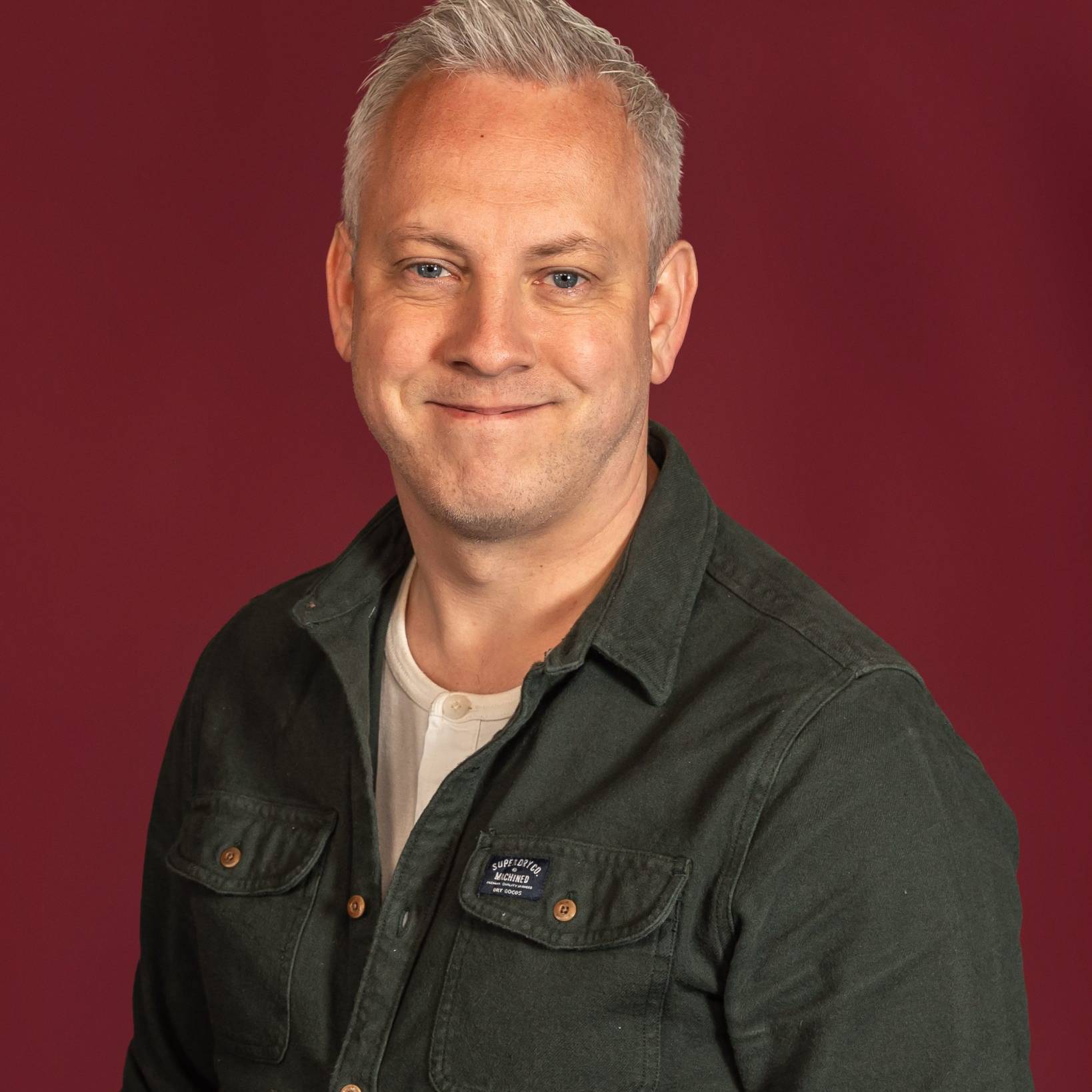
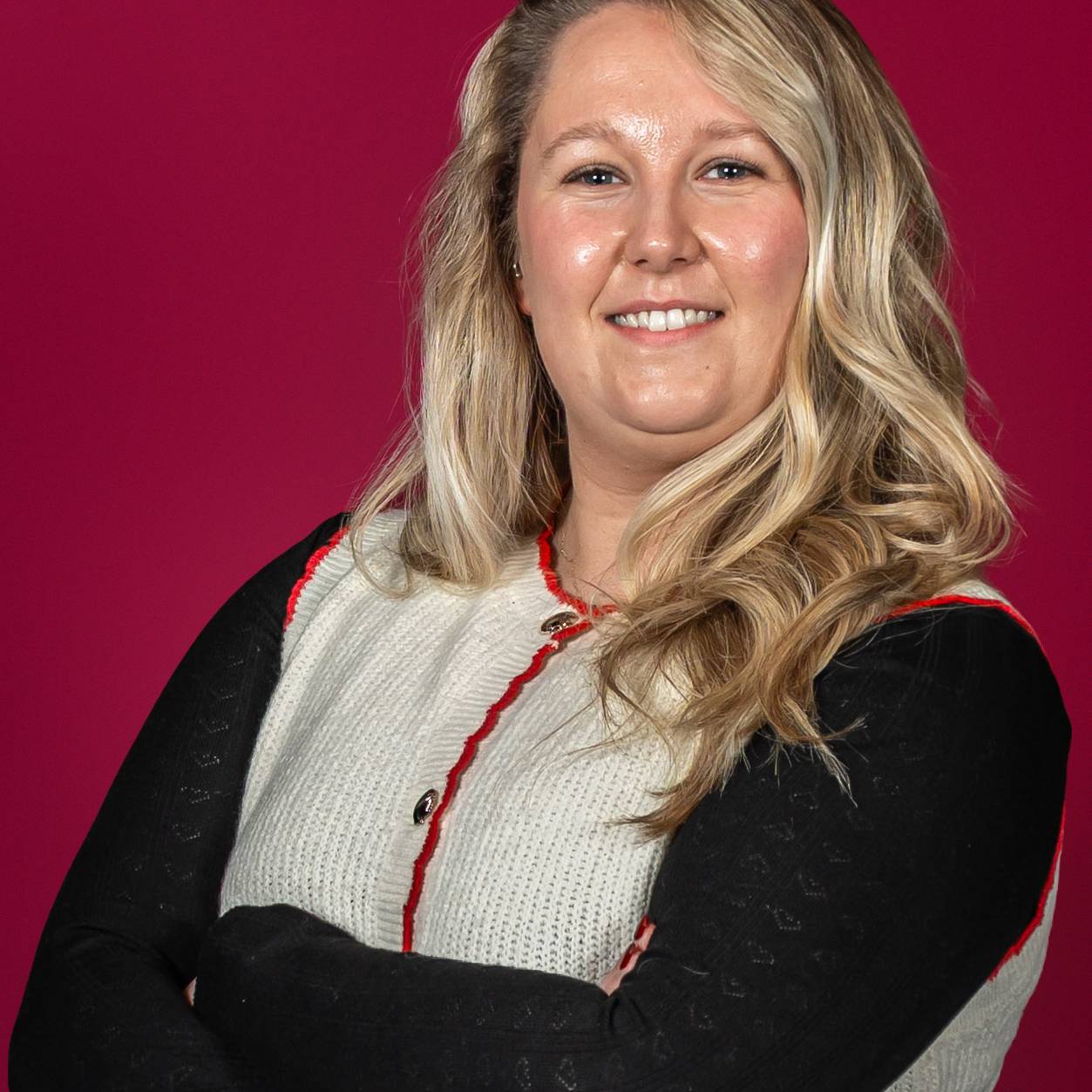
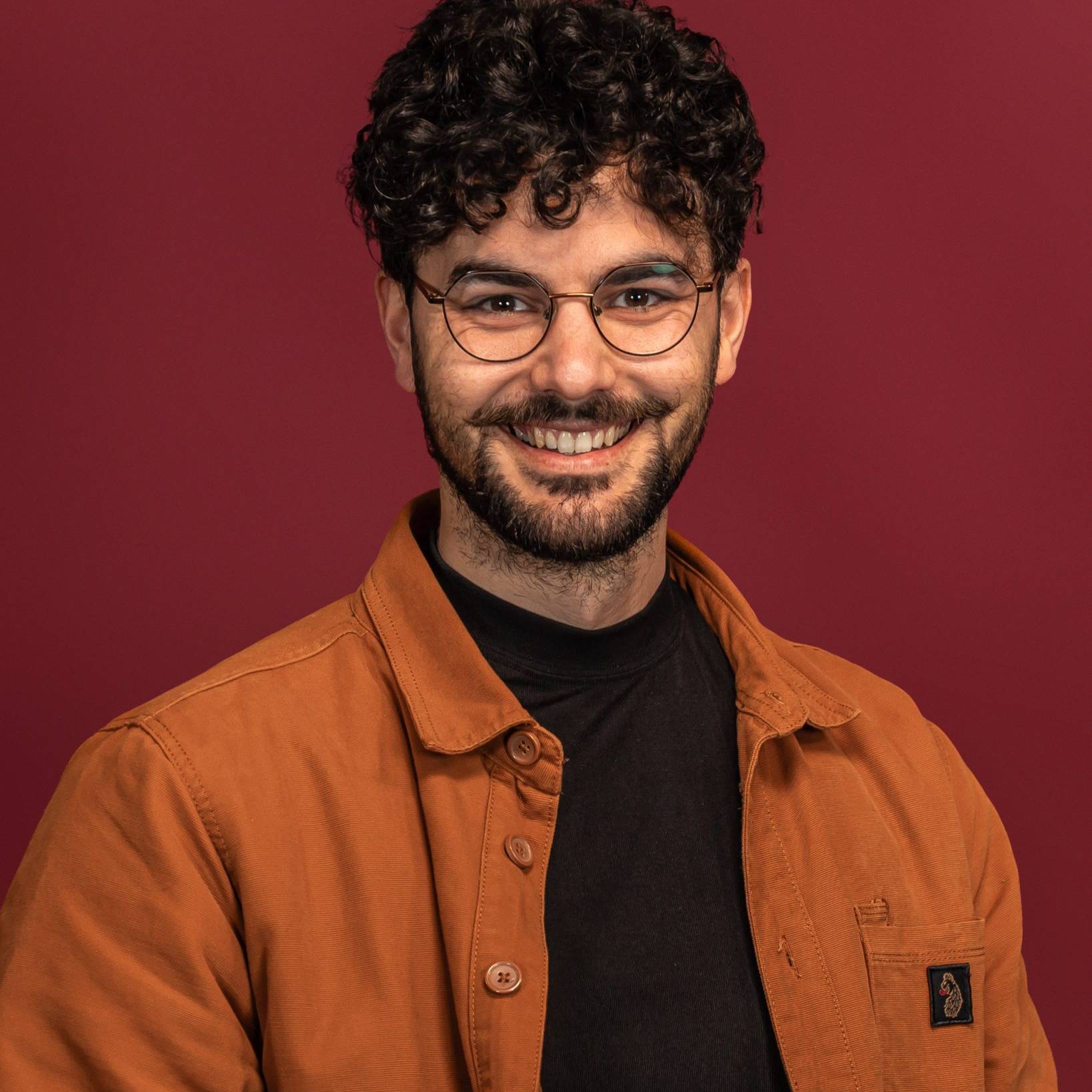
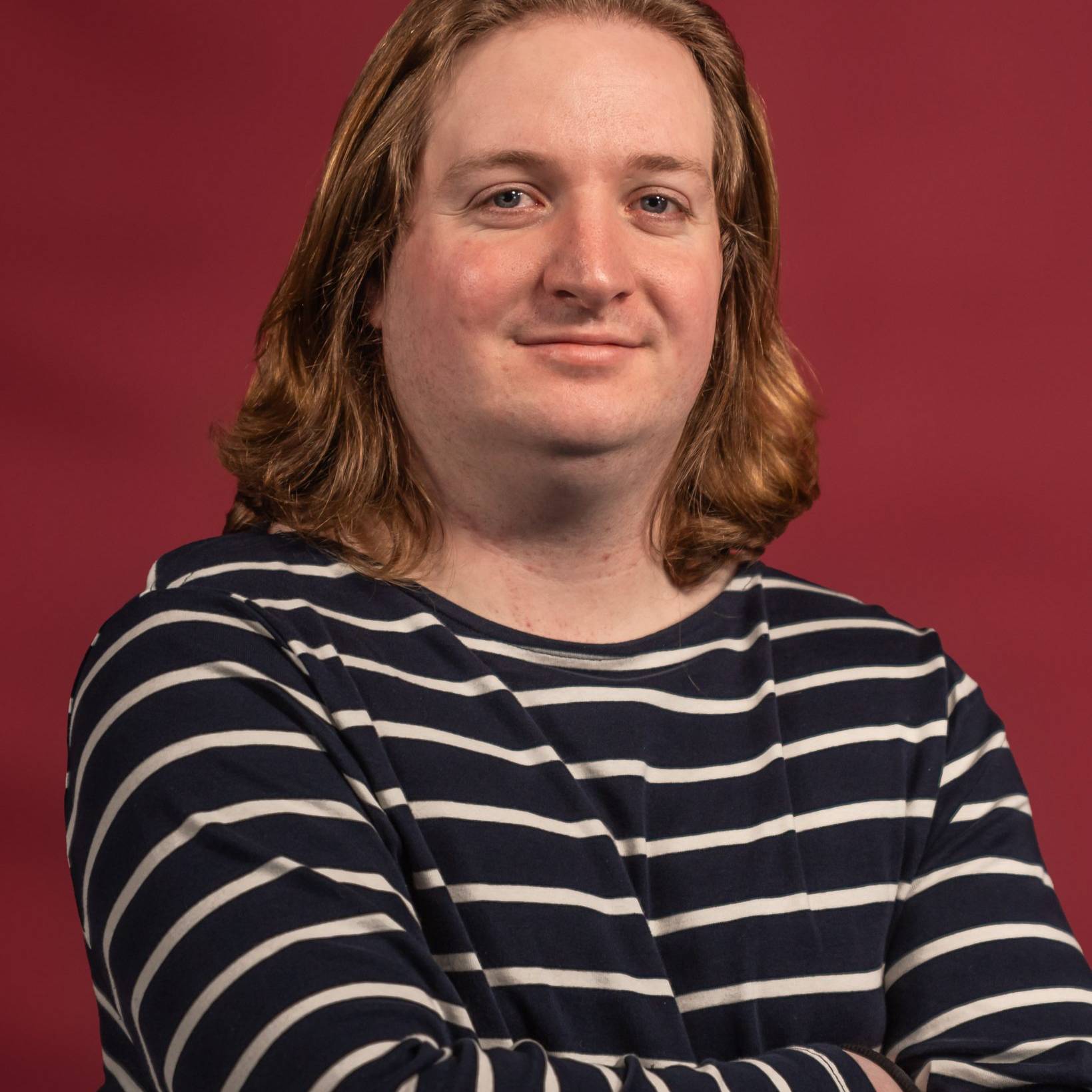
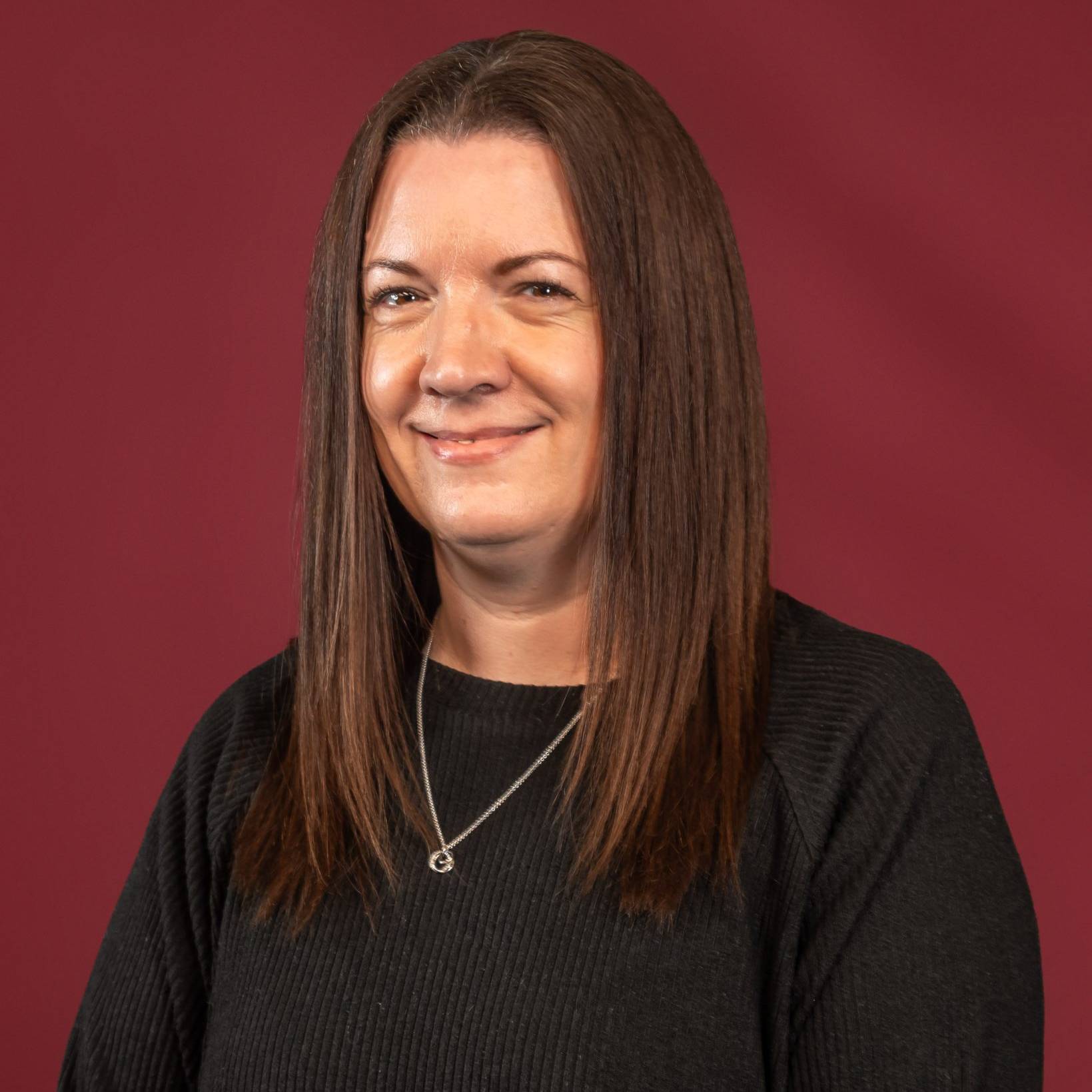
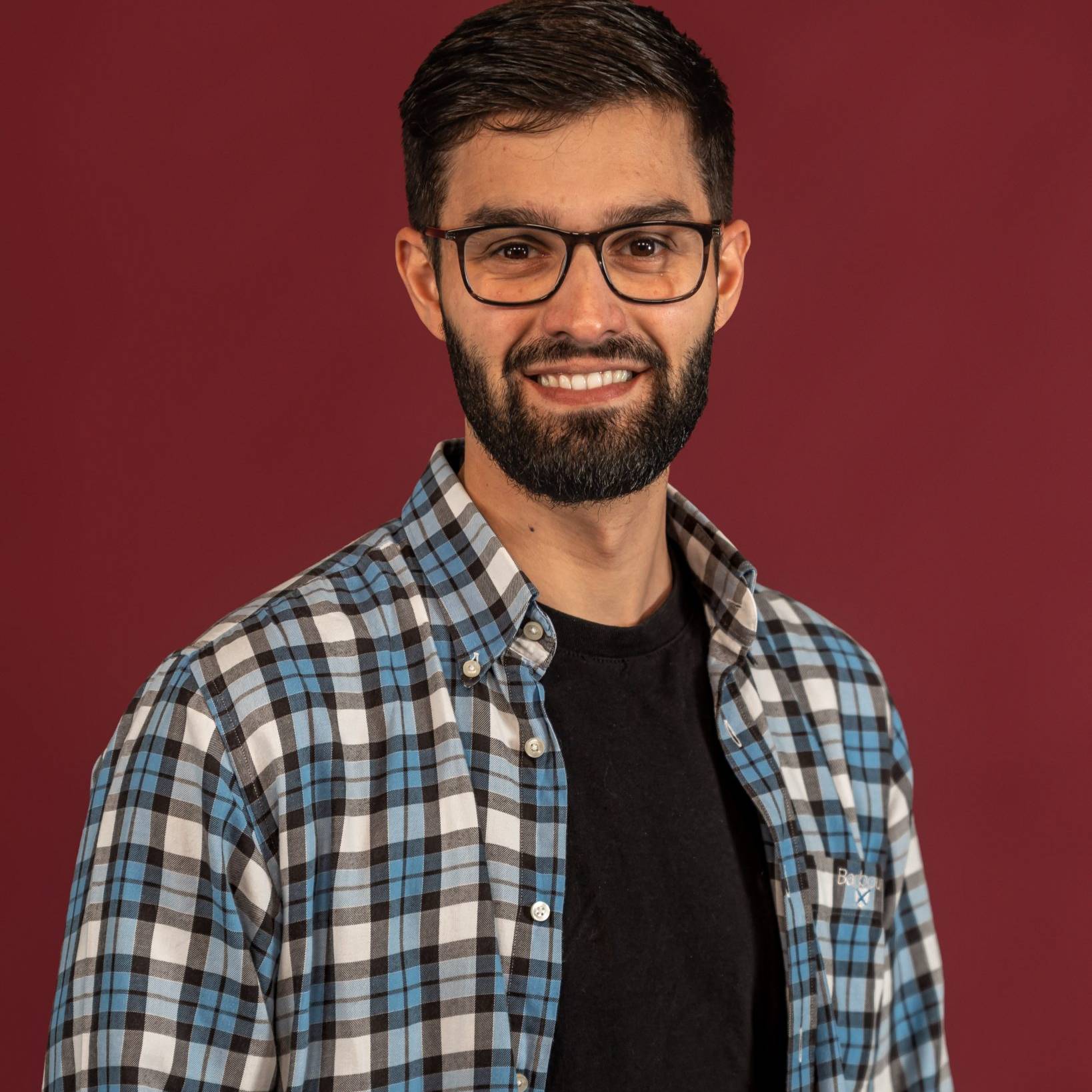
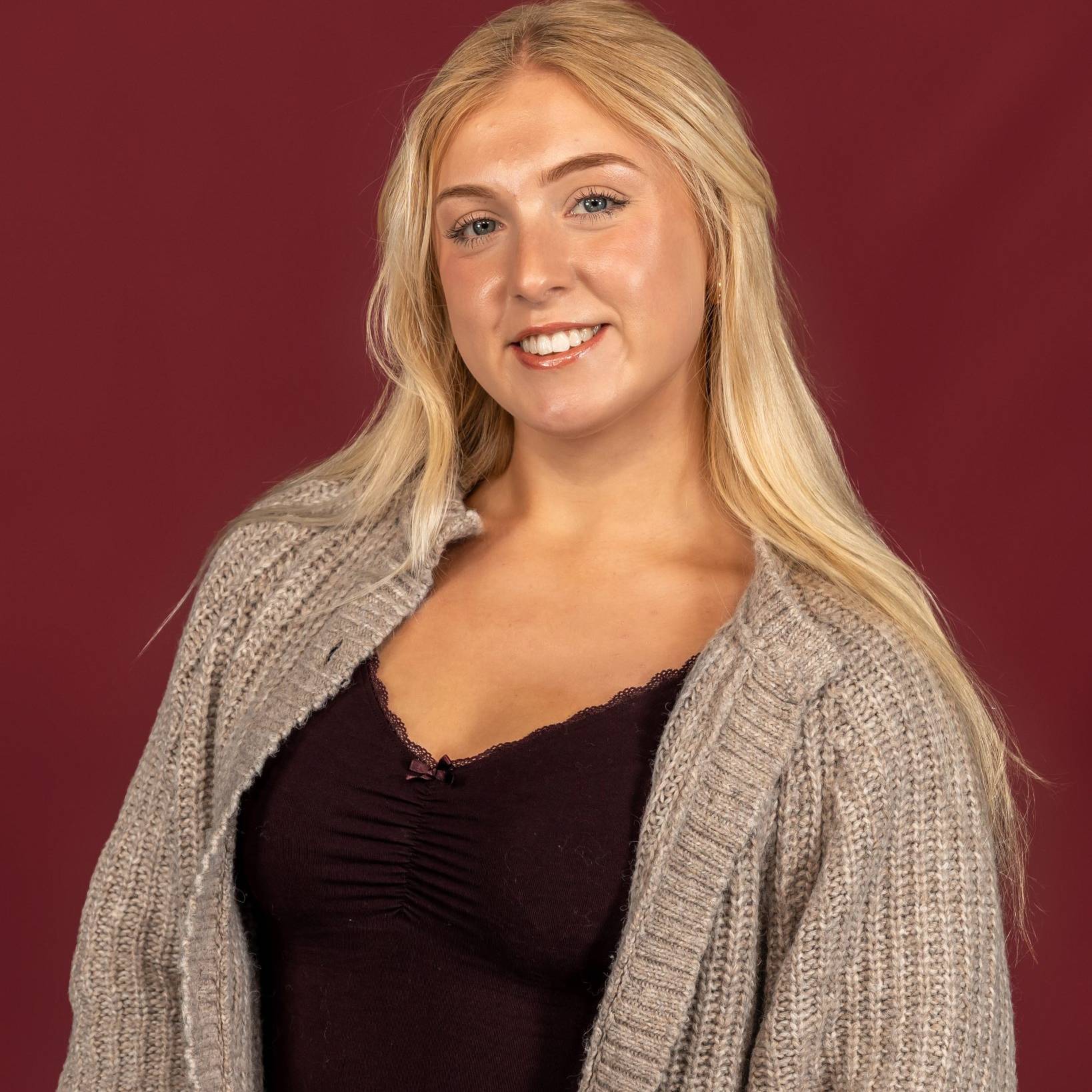
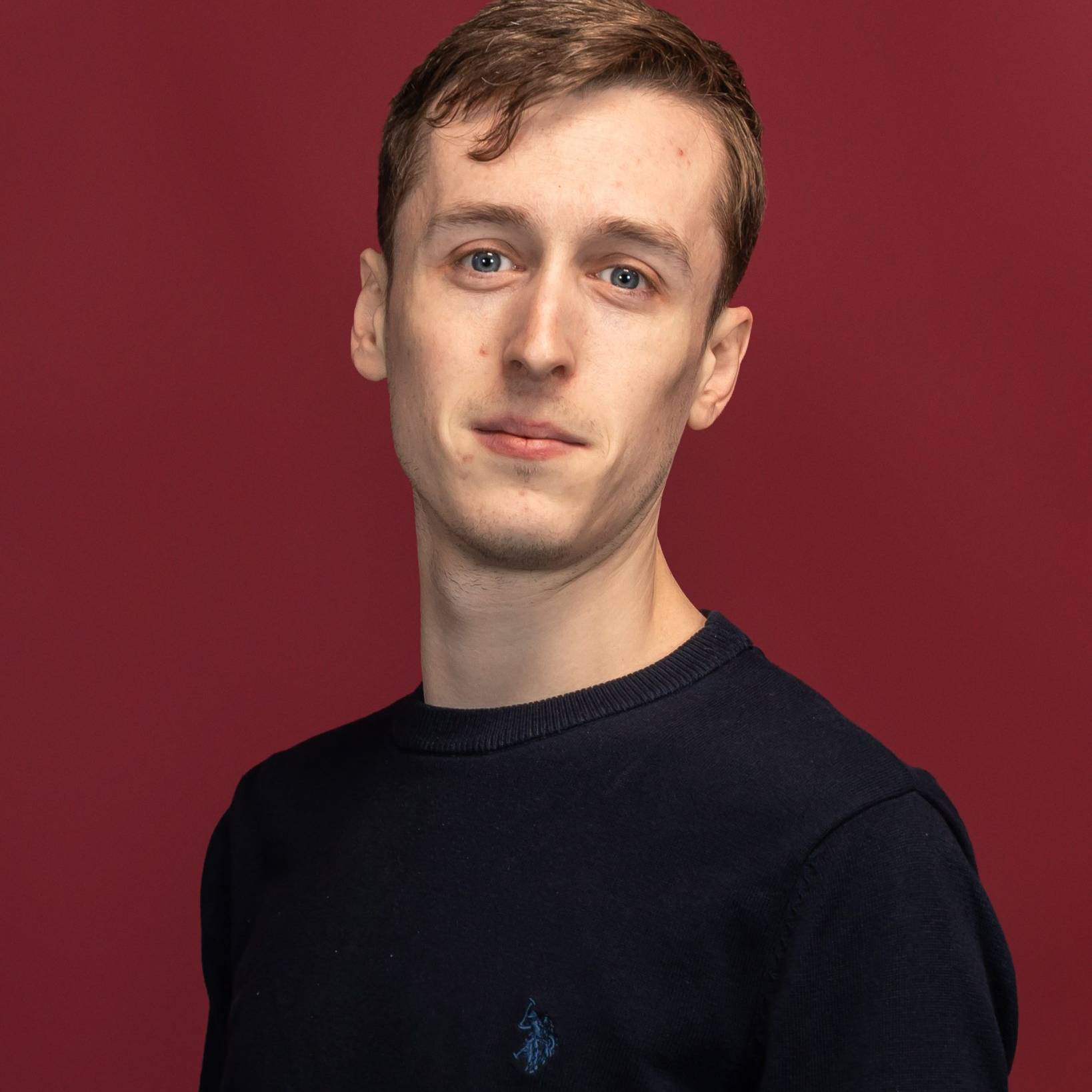
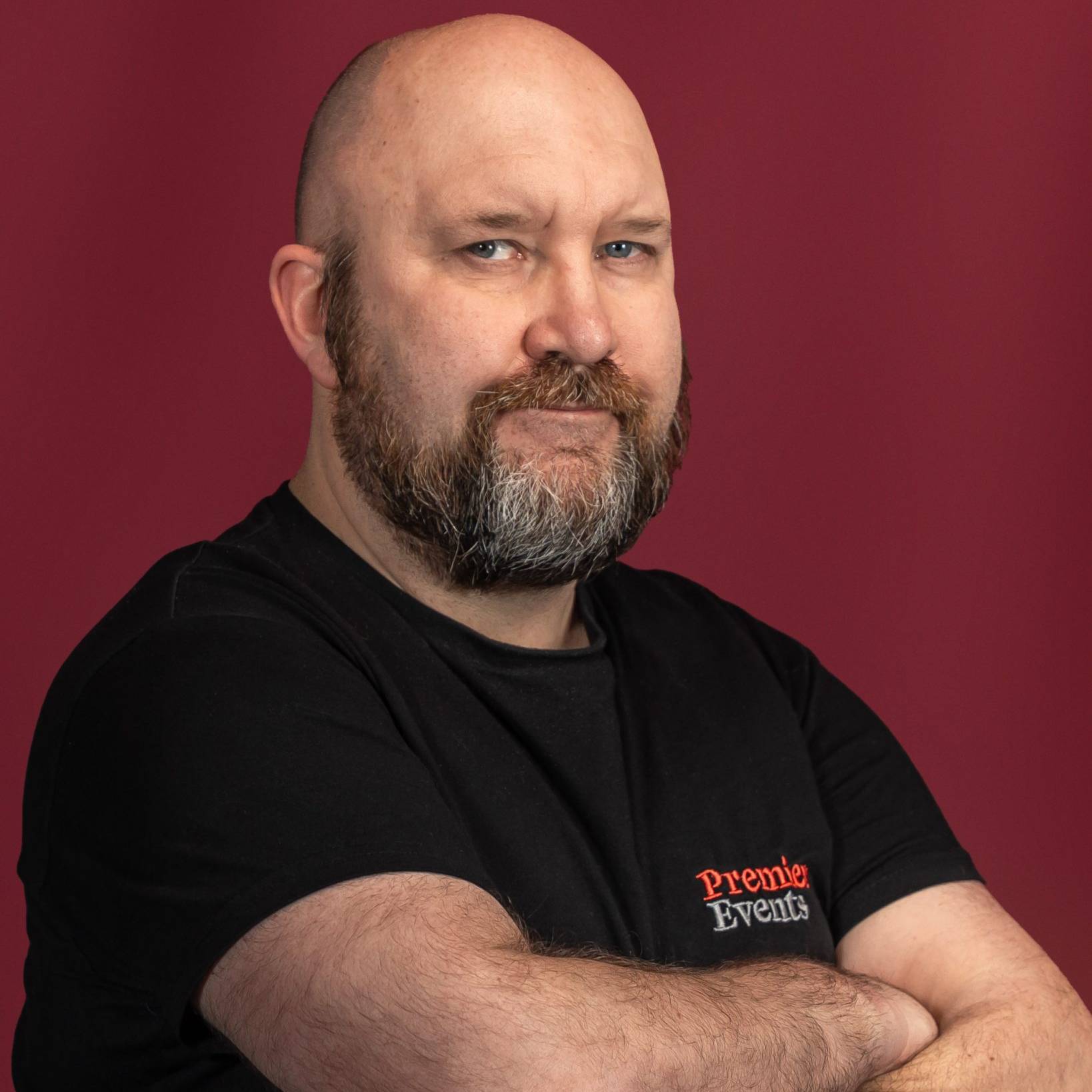
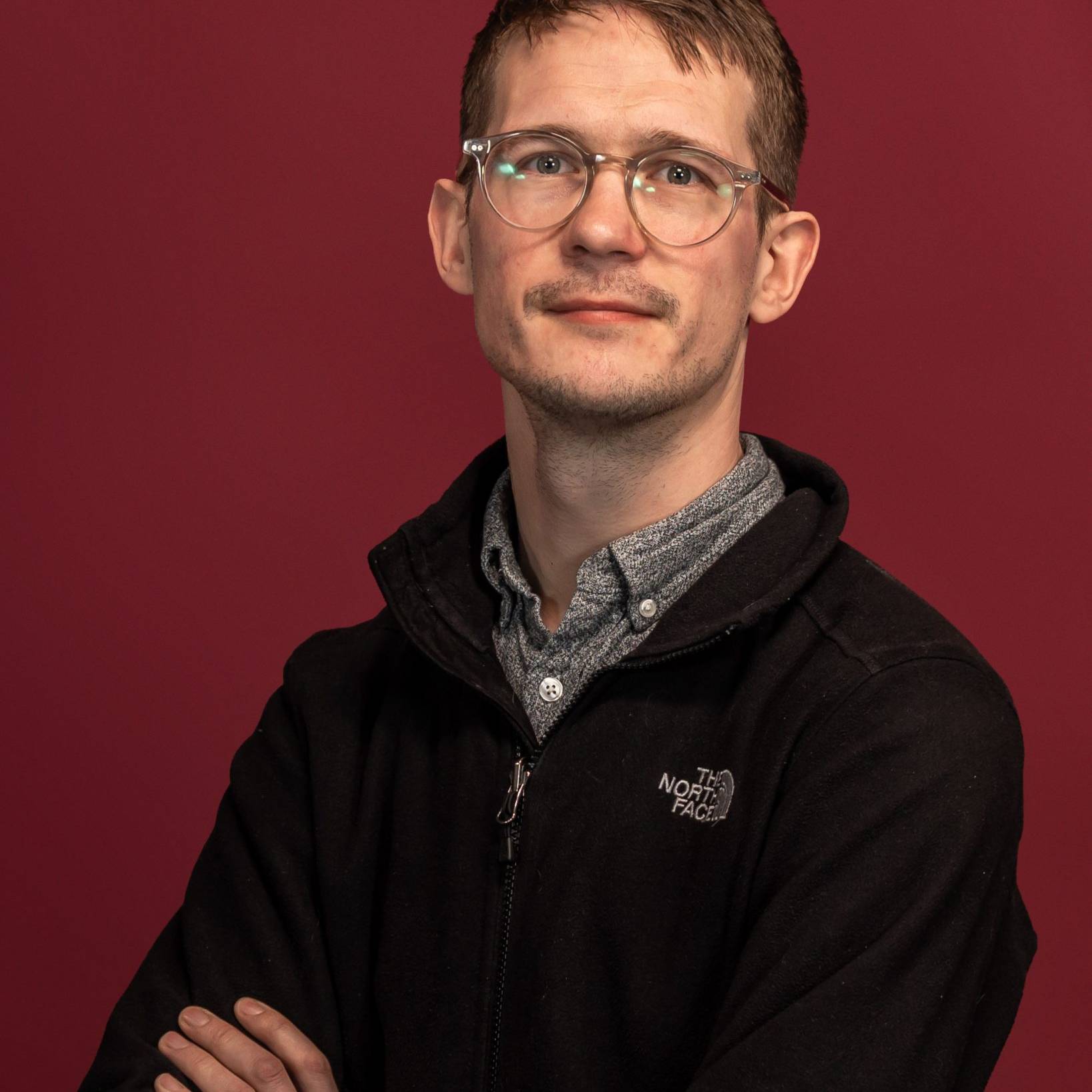
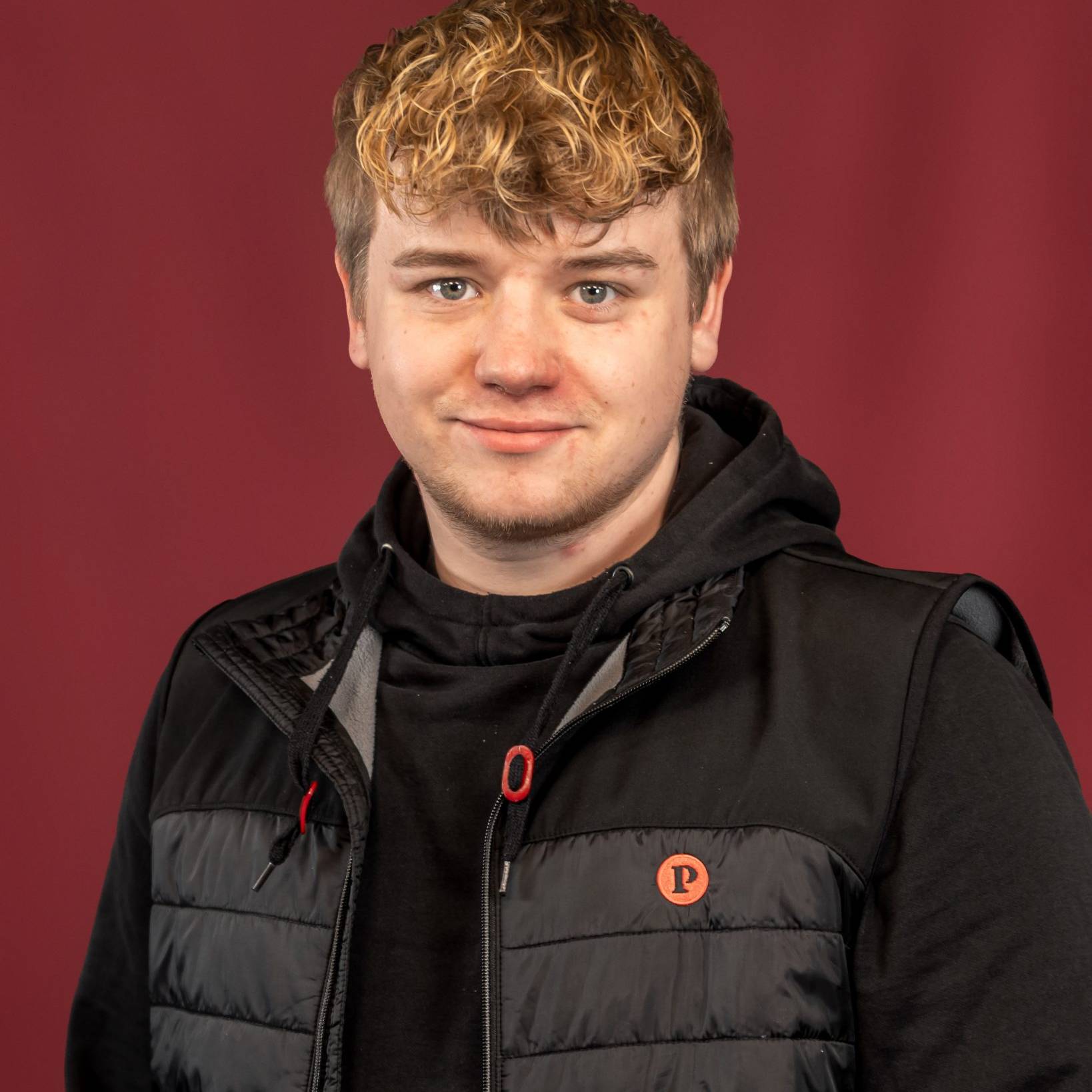
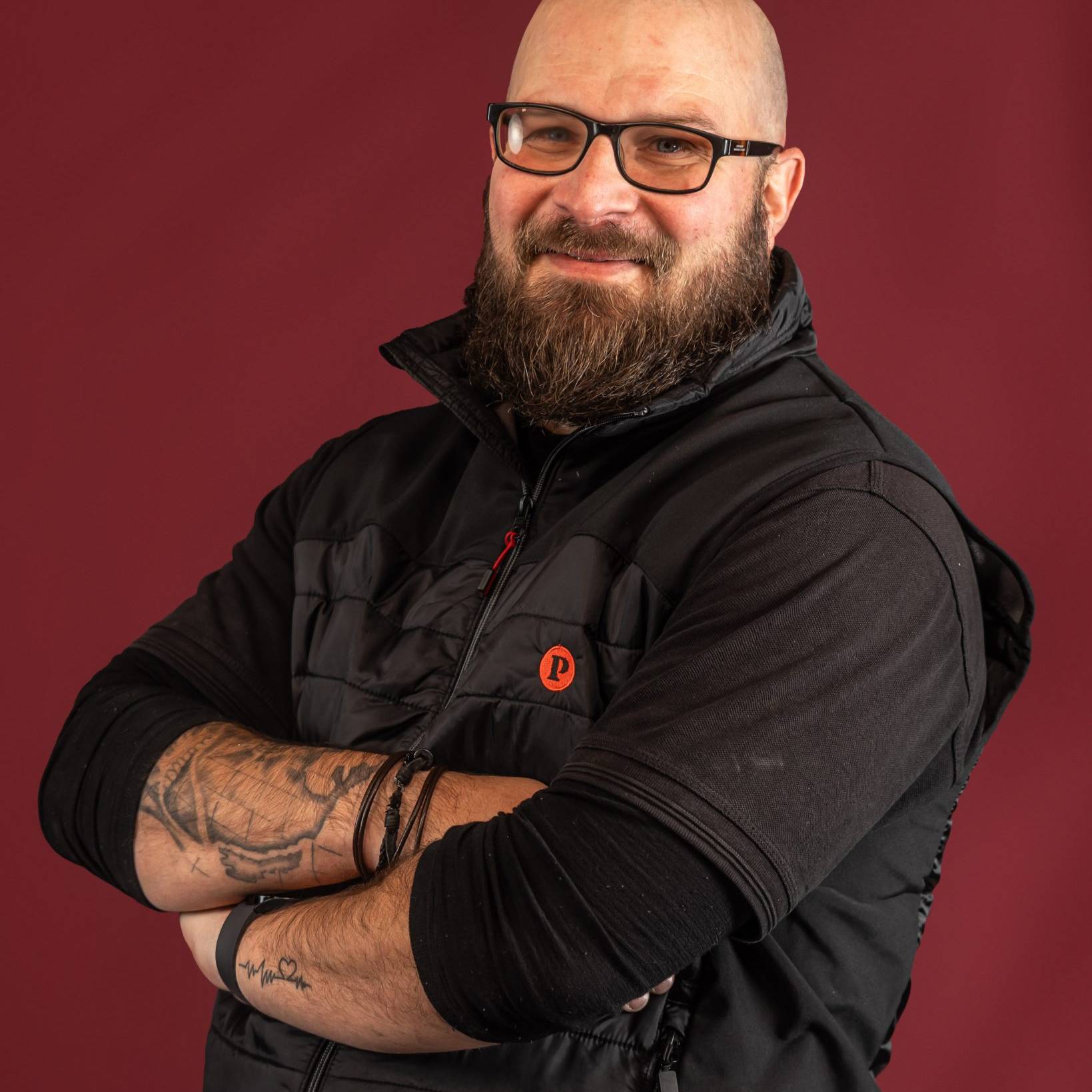
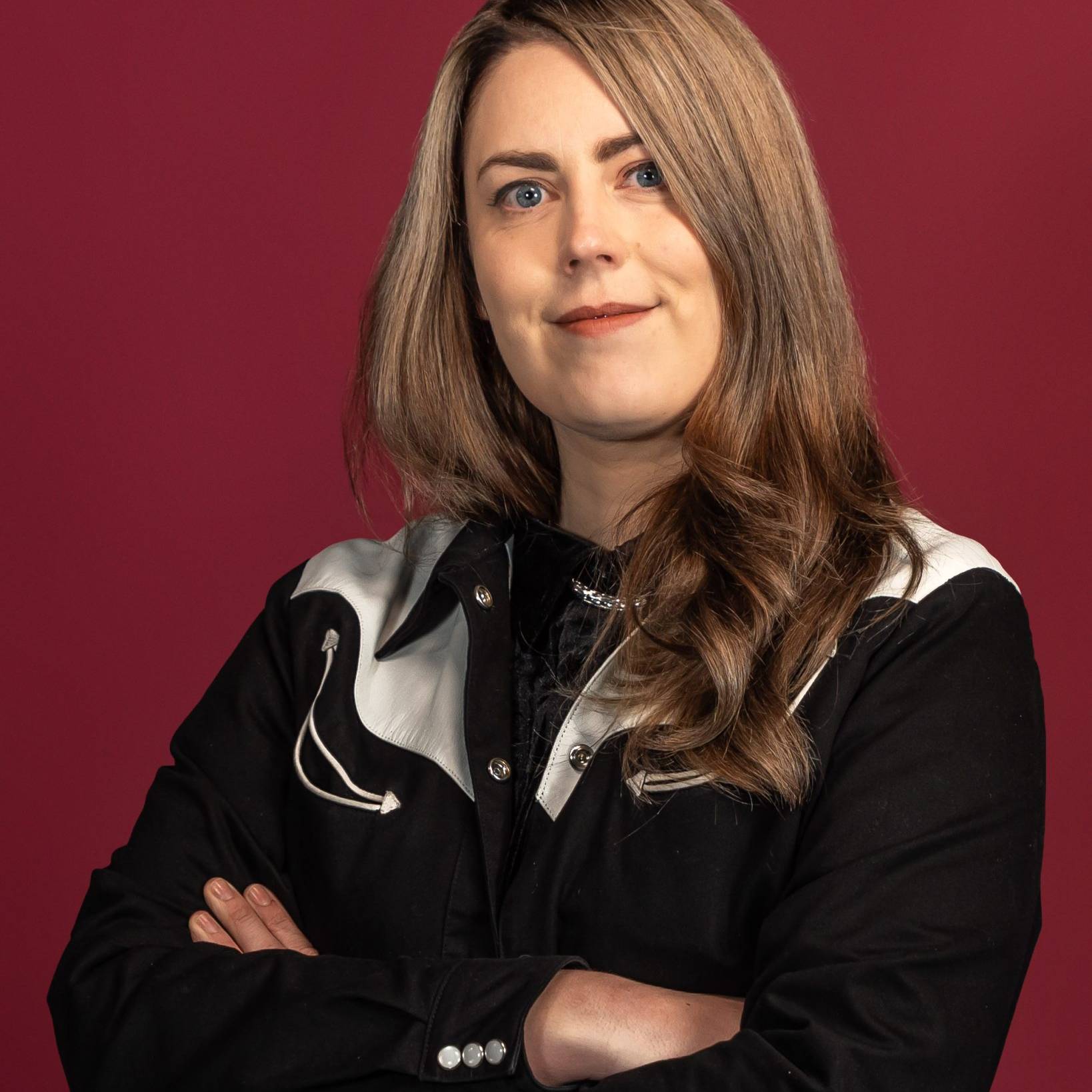
These are our people - the production managers, technicians, show-callers and crew who plan your event and run the room on the night. The same team from first site visit to final cue.




What We've Been Up To.
A look at the events we've delivered, the brief, the build, and how it ran on the night. Worth a read.