The Rundown
Topics: Sound Design, Light Trails | Published: November 2023 | 2 min read
A light trail is a visual medium, and the audio is what turns it into an atmosphere. It is also the element most often left until last.
Alongside designing the visual spectacle, our content team produces the soundscapes that hold a trail together - the sound design that makes one installation feel like part of a journey rather than a standalone object.
Good soundscape work is not background music. It matches the theme, follows the rhythm of the lighting, and responds where an installation is interactive.
Here is how a soundscape is built, how it is synchronised to the visuals, and the tools behind it.
Choosing the Palette
Start With the Theme
The first step is selecting the right audio elements and overall feel for the composition.
What is the installation actually about? A lively, animated Christmas scene, a serene audio-visual piece, or something abstract and artistic?
The audio has to match the visual. A mismatch between the two is immediately noticeable even when nobody can articulate why.
Nature-Inspired Trails
For trails built around a natural environment, we blend recorded and synthesised sound - rustling leaves, crickets, flowing water.
These work particularly well outdoors because they sit comfortably alongside the genuine ambient sound of the site rather than competing with it.
Ambient and Ethereal Spaces
Here we may incorporate wind and environmental noise, often heavily processed, to create a sense of space that extends beyond what is lit.
Electronic Textures
Alongside the organic material we experiment with electronic and futuristic tones and synth elements.
The most effective soundscapes usually combine both, so the result feels neither purely natural nor purely artificial.
Synchronising With Light
Following the Journey
Just as a trail guides a viewer through a visual journey, the soundscape should complement and extend it.
We use audio strategically to mimic the ebb and flow of light patterns, syncing beats to the pulse of an installation and introducing subtle crescendos to coincide with moments of heightened visual intensity.
Interactive Pieces
This works especially well where audiences control the visuals through physical input.
On one interactive installation, visitor button presses controlled high, mid and low notes on a synth, and those same inputs drove the intensity and movement of moving head beams.
Sound and light responded to the same action, which is what makes an interaction feel genuinely responsive rather than merely triggered.
Spatial Audio
We have also experimented with spatial techniques to create a three-dimensional auditory experience.
That can be achieved through careful placement of sound sources across a stereo field, or using technologies such as binaural recording for a more immersive effect.
Outdoors, where an audience moves through the space rather than sitting in it, placement does much of the work that mixing would do indoors.
Tools and Practicalities
Software
We work predominantly in Ableton Live and Logic Pro.
Beyond that, ambient sound generators and synthesisers are used to craft unique textures, and recorded sound effects or foley add authenticity that pure synthesis cannot.
Processing
Reverb, delay, EQ and compression all shape the ambience and feel of a composition.
Reverb matters especially outdoors, where the environment provides almost none of its own and the sound would otherwise feel oddly flat and close.
Playback in the Field
A soundscape has to survive a real site. Speakers need weather protection, power and cable runs need planning, and levels need setting so audio carries within a zone without bleeding into the next installation.
Overlap between adjacent zones is the most common problem, and it is solved with placement and level rather than in the composition.
Looping
Visitors arrive continuously rather than at a start time, so most trail audio loops.
Composing something that loops without an audible seam, and without becoming wearing for staff on site every night for six weeks, is its own discipline.
Multisensory Design
A soundscape curated to match the visual poetry of a trail engages audiences on more than one level, and is a large part of what people remember.
Talk to Premier Live about sound design for your installation on 0116 202 9953.

Tell us about your event.
Fill in the form and we'll come back to you quickly, not with a generic auto-reply, but with something useful.
Prefer a call? Book a 20-minute discovery call at a time that suits you.
Rather email? info@premier-ltd.com. Or just ring us: 0116 202 9953.
Once we hear from you, we'll set up a quick call to understand your brief properly, no lengthy questionnaires, no sales pitch.
We typically respond within two hours on working days.
EXPERIENCED. DEPENDABLE. HANDS-ON. UNFLAPPABLE
The people behind Premier Live
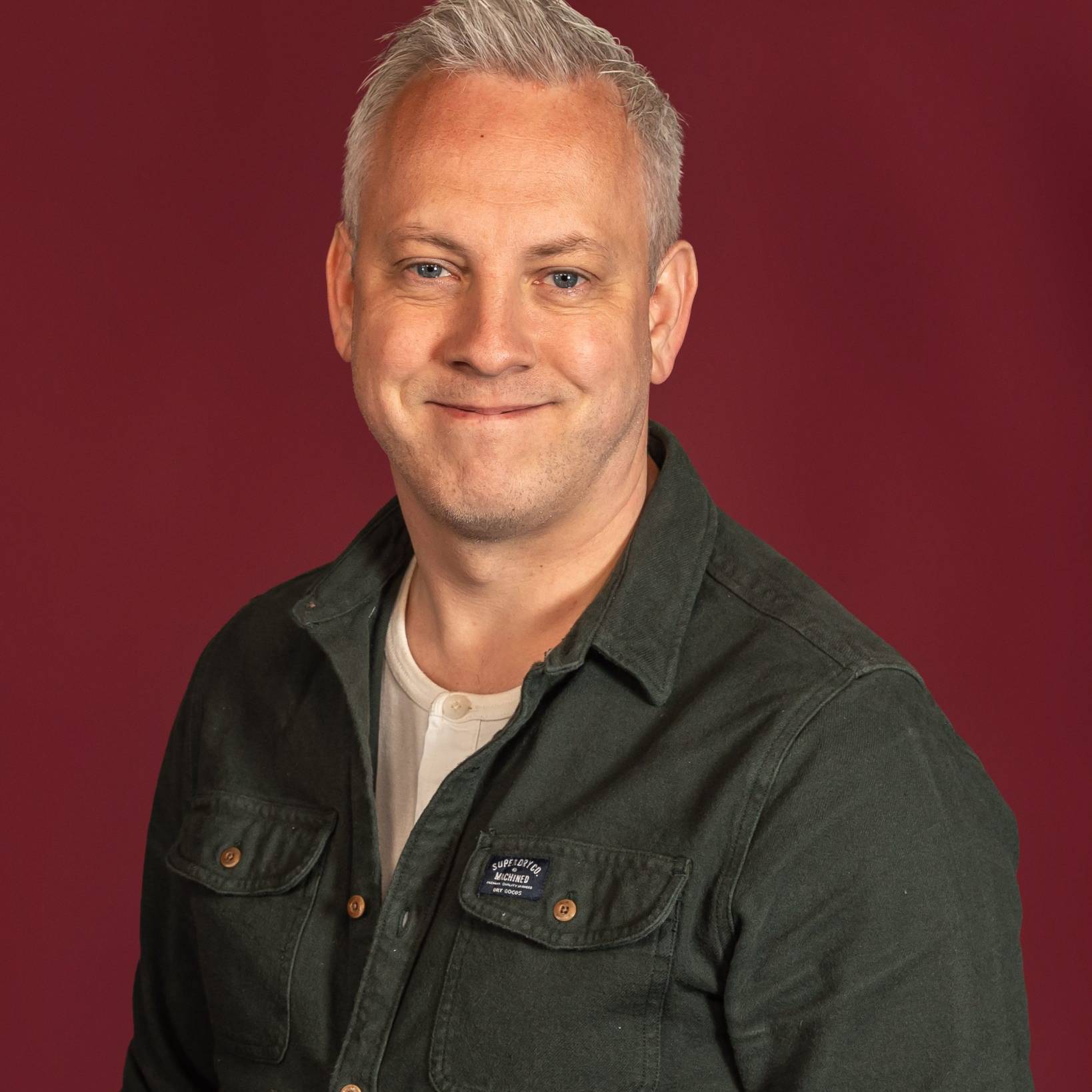
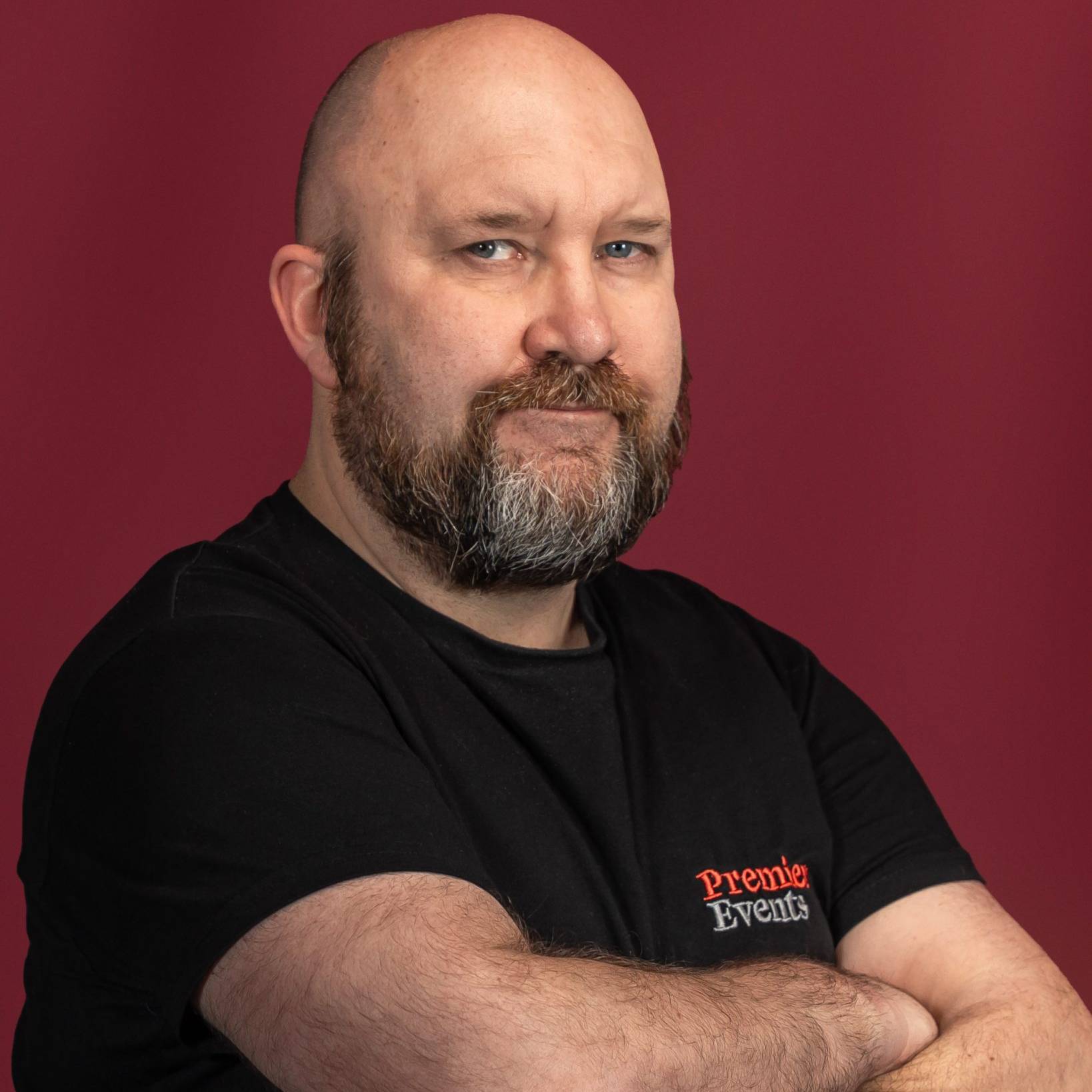
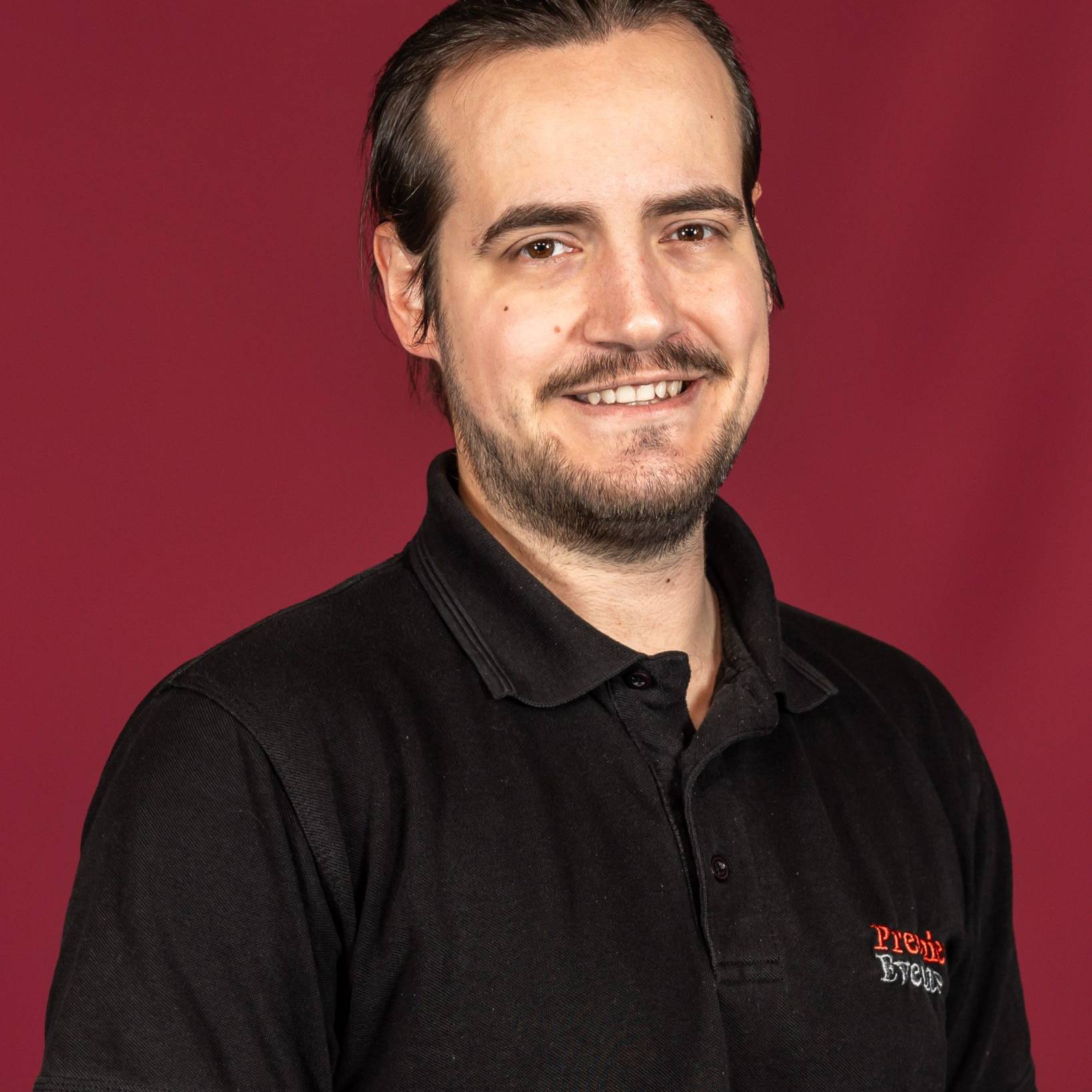
These are our people - the production managers, technicians, show-callers and crew who plan your event and run the room on the night. The same team from first site visit to final cue.


















What We've Been Up To.
A look at the events we've delivered, the brief, the build, and how it ran on the night. Worth a read.