The Rundown
Topics: Video Content, Screen Orientation | Published: November 2023 | 1 min read
The way we film and consume video keeps shifting. Technology improves picture quality, availability improves what anyone can shoot, and mobile viewing has changed the shape of the content itself.
Landscape has become the format of long-form media. Short-form is overwhelmingly portrait - TikTok, Instagram Reels and YouTube Shorts have reshaped how content is delivered on the move.
That thinking should not stop at the phone. Portrait works remarkably well on stage, and most event designs never consider it.
Here is why orientation matters, where portrait outperforms landscape at a live event, and how to decide.
How Habits Changed
Two Formats, Two Purposes
Landscape is now largely the preserve of long-form content - the material people sit down to watch.
Short, bite-sized video is watched in portrait, because that is how a phone is held.
Why It Happened
Nobody decided this. It followed from the device.
Turning a phone sideways is a deliberate act, and for content consumed in seconds most people will not bother. Platforms adapted to that behaviour rather than fighting it.
What It Means for Events
Audiences are now entirely comfortable with tall video. A portrait image on a screen no longer reads as a mistake or as phone footage shown by accident.
That is a relatively recent shift, and it opens up design options that would have looked wrong a few years ago.
Content Follows Format
Worth saying plainly: content shot landscape does not become portrait by cropping.
If portrait screens are part of the design, that needs deciding before anything is filmed or designed, not afterwards.
Portrait on Stage
Isolating the Speaker
Portrait video is an effective tool for on-stage displays, and the reason is simple: a person standing is a tall shape.
A tall screen isolates a presenter naturally, filling the frame with them rather than with the set on either side.
Solving Restricted Views
For an audience member with a limited view, this is genuinely transformative.
Wide rooms, pillars and long seating blocks all create positions where the stage is partly obscured. A tall screen carrying live footage of the presenter gives those people the event everyone else is getting.
A Practical Configuration
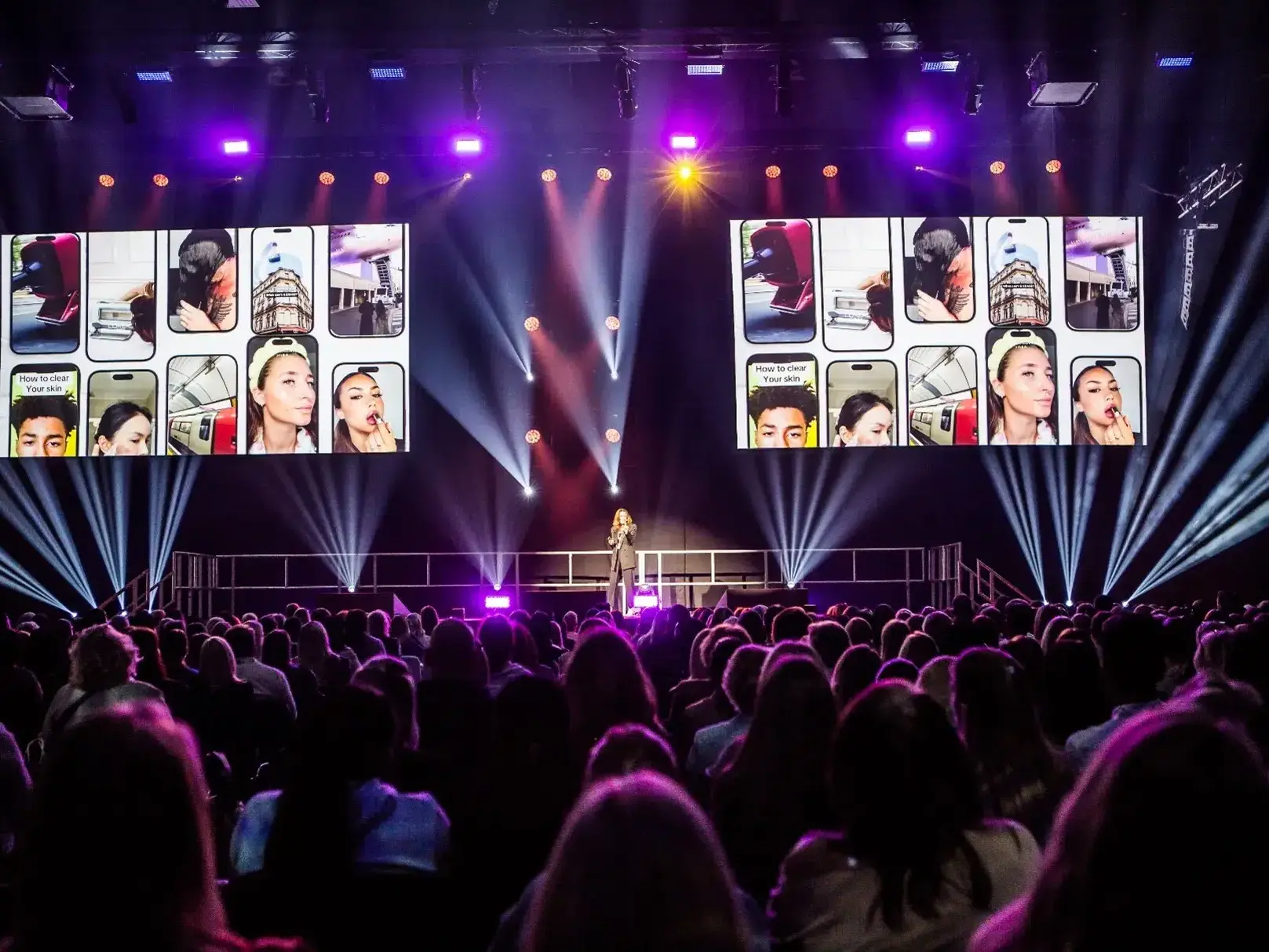
One arrangement that works well: a single landscape screen behind the presenters acting as a backdrop, with two tall portrait screens either side of the stage carrying live camera footage.
The landscape screen carries content and branding. The portrait screens carry people.
Each format does what it is best at, rather than one screen trying to do both jobs.
Reusable Content
There is a secondary benefit. Content designed portrait for the stage is already the right shape for social afterwards.
Choosing an Orientation
Start With the Content
Ask what is going on the screen.
Slides, data, wide imagery and video footage all want landscape. People, single-subject imagery and vertical branding all suit portrait.
Most events have both, which is an argument for having both.
Then the Room
Wide, shallow rooms suit landscape. Long, deep rooms benefit from tall screens positioned where distant viewers can see them.
Rooms with restricted sightlines are the strongest case for portrait relay screens, and they are more common than most organisers assume.
Then the Budget
Two portrait screens are not necessarily more expensive than one very wide landscape screen, and they frequently solve more problems.
Worth pricing both ways rather than defaulting to the widest single screen the budget allows.
Do Not Mix Without Reason
Multiple orientations work when each has a clear job. They look chaotic when content is simply distributed across whatever screens exist.
Decide what each surface is for, and keep it consistent through the show.
Getting Advice
For advice on screen layout and content for your event, get in touch with Premier Live on 0116 202 9953 or info@premier-ltd.com.
Tell us about your event.
Fill in the form and we'll come back to you quickly, not with a generic auto-reply, but with something useful.
Prefer a call? Book a 20-minute discovery call at a time that suits you.
Rather email? info@premier-ltd.com. Or just ring us: 0116 202 9953.
Once we hear from you, we'll set up a quick call to understand your brief properly, no lengthy questionnaires, no sales pitch.
We typically respond within two hours on working days.
EXPERIENCED. DEPENDABLE. HANDS-ON. UNFLAPPABLE
The people behind Premier Live
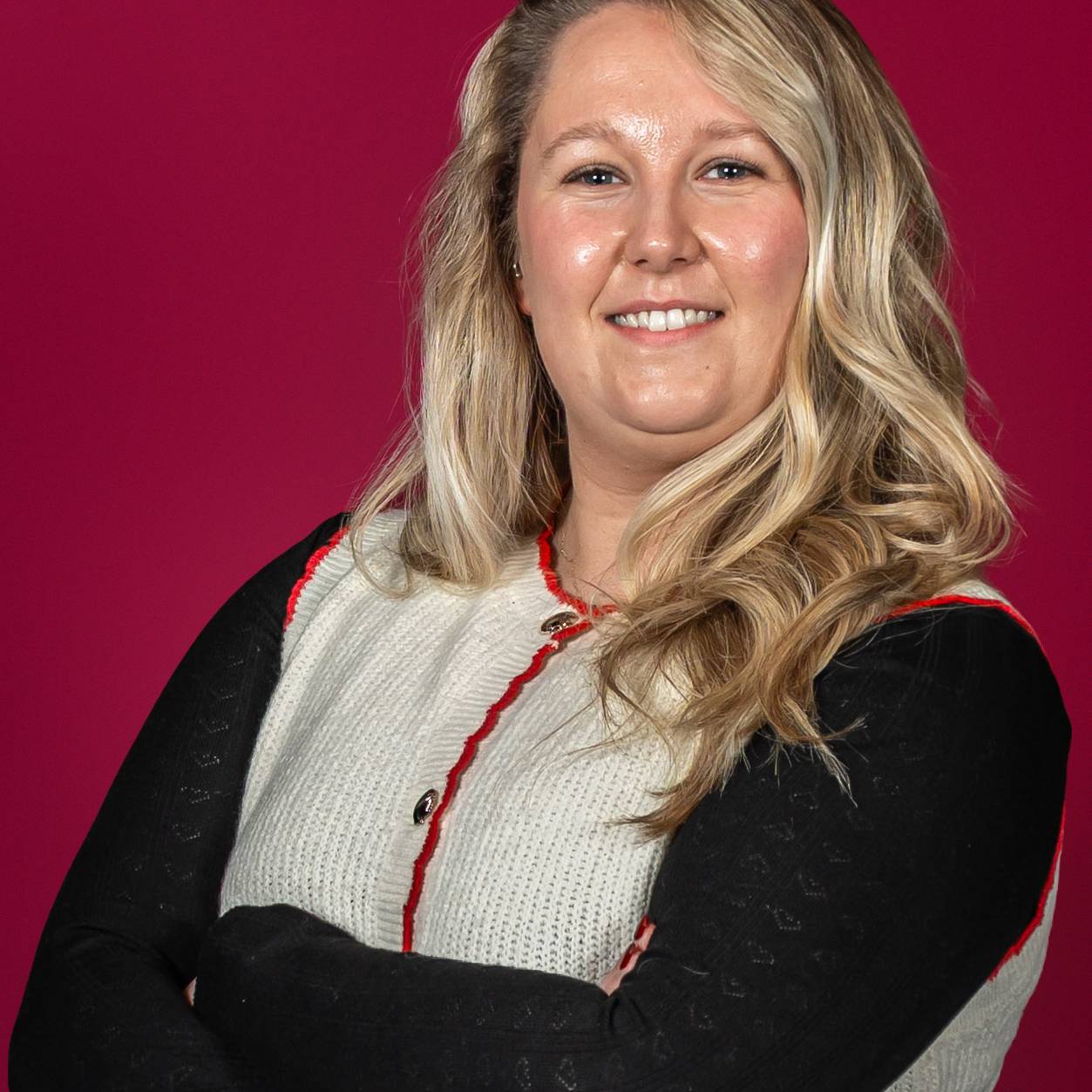
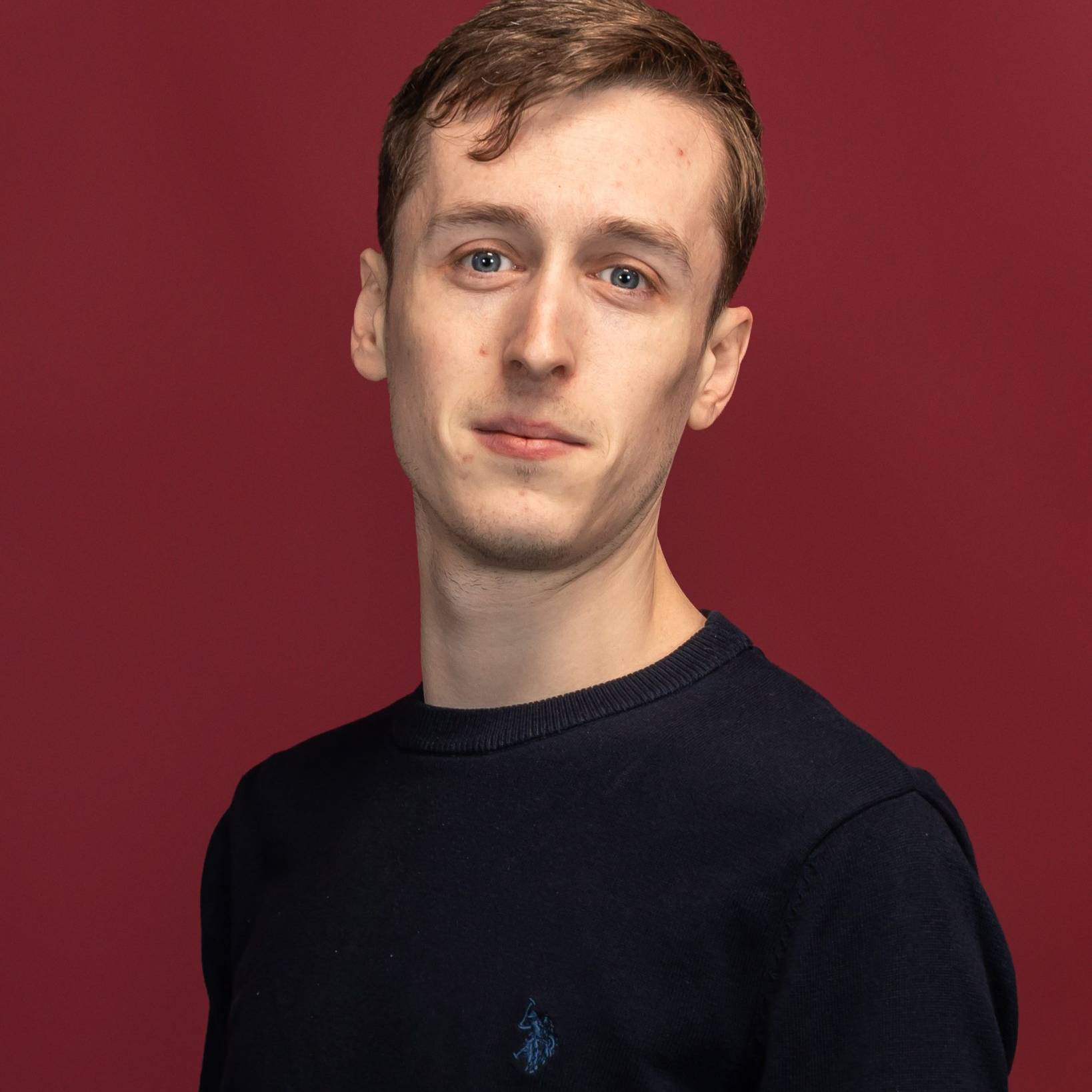
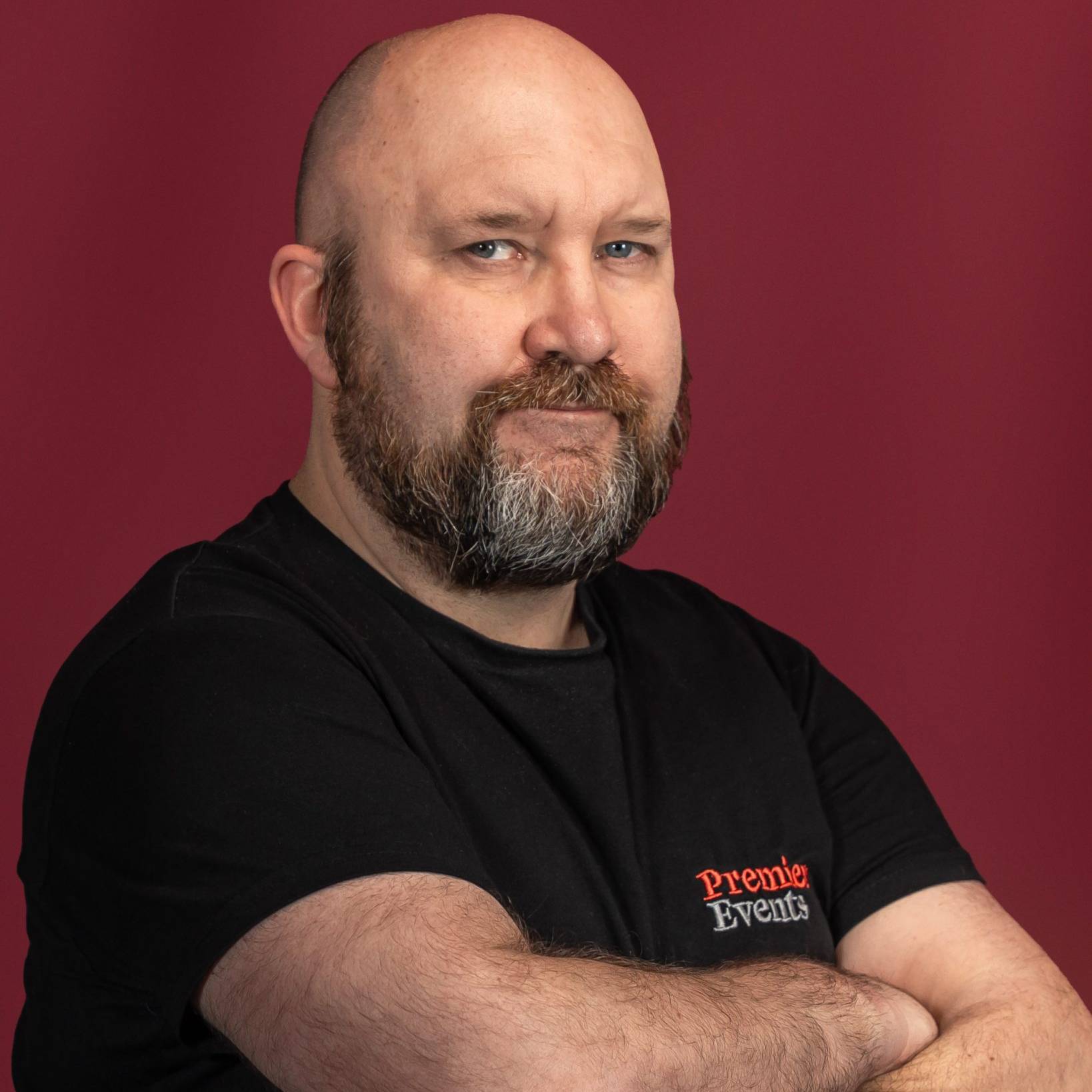
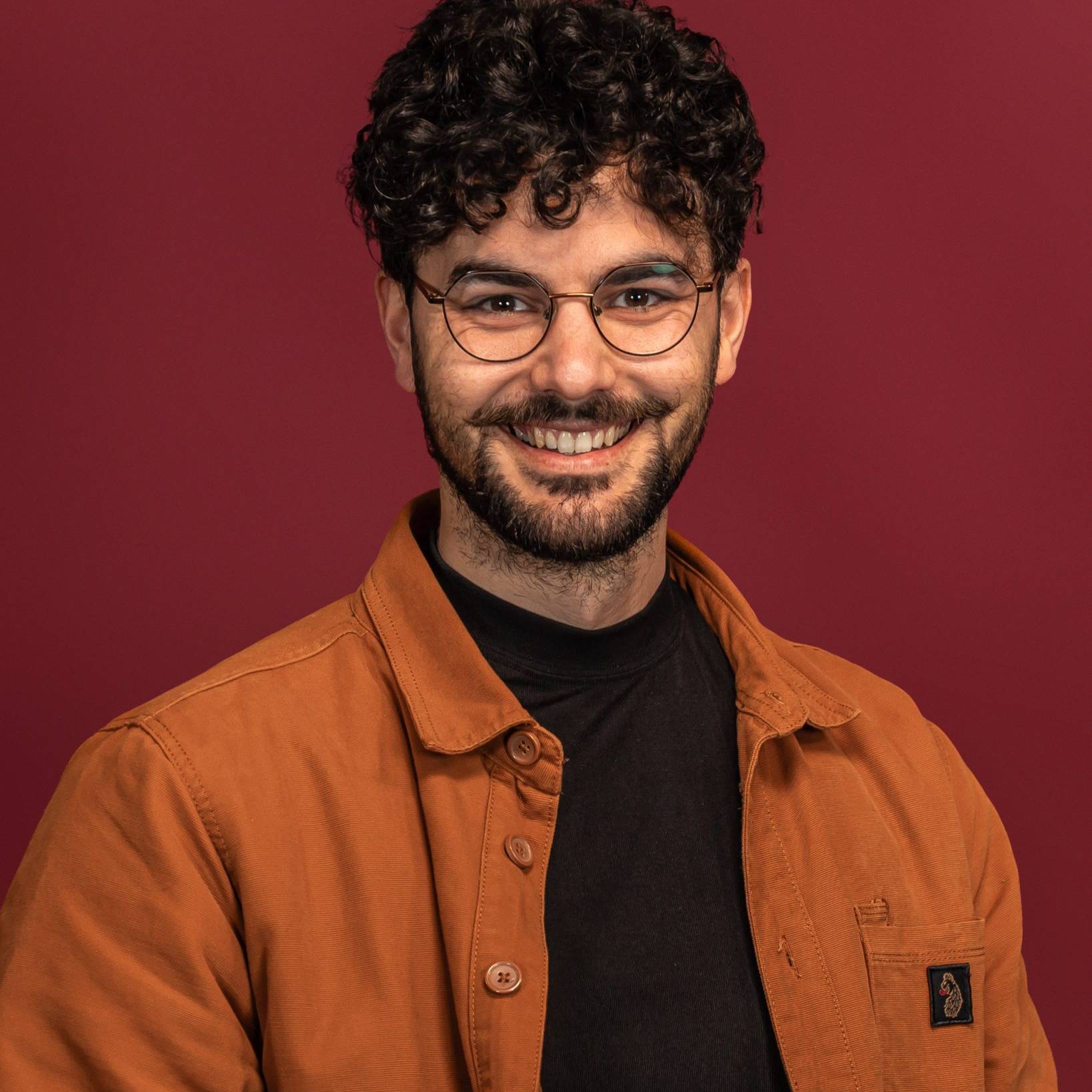
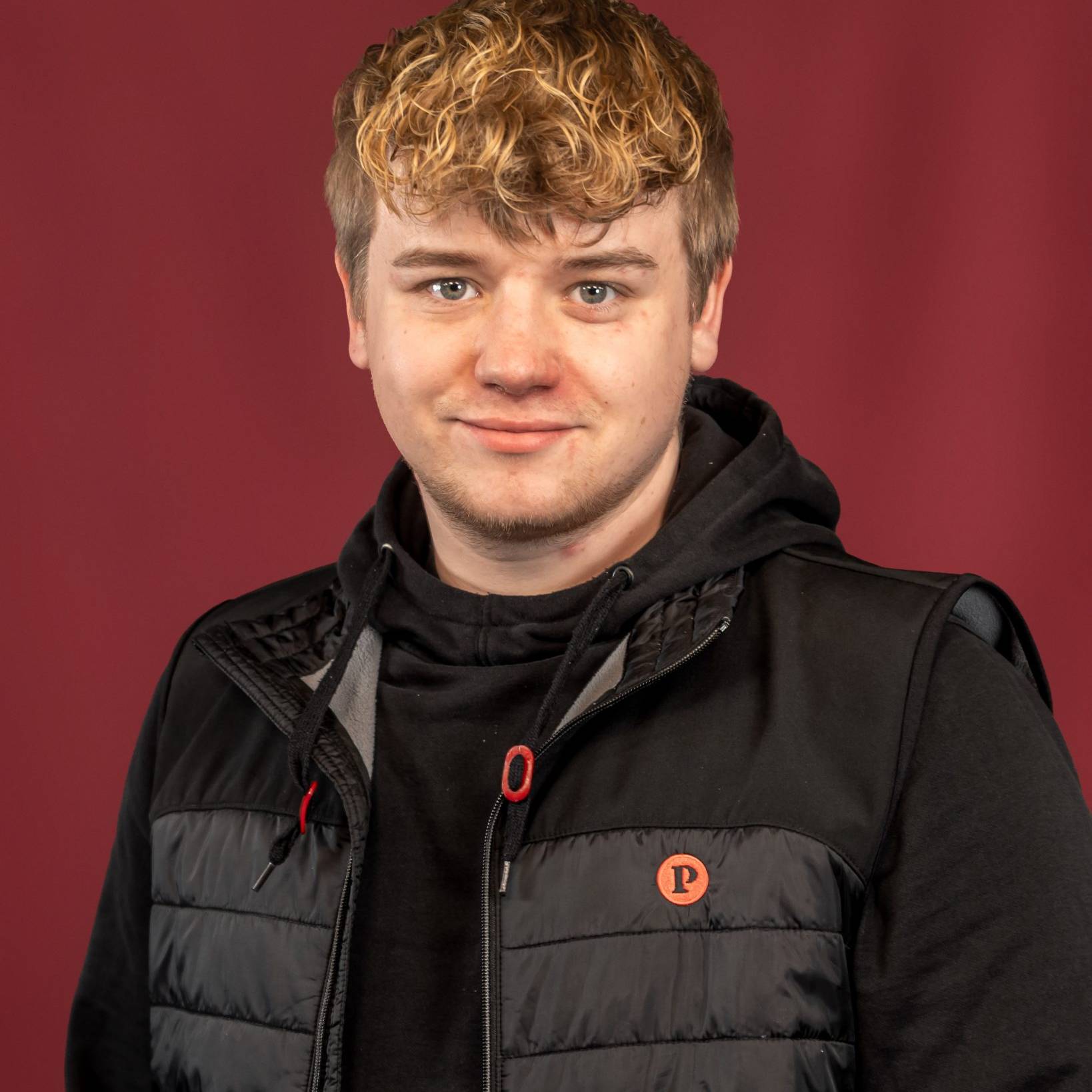
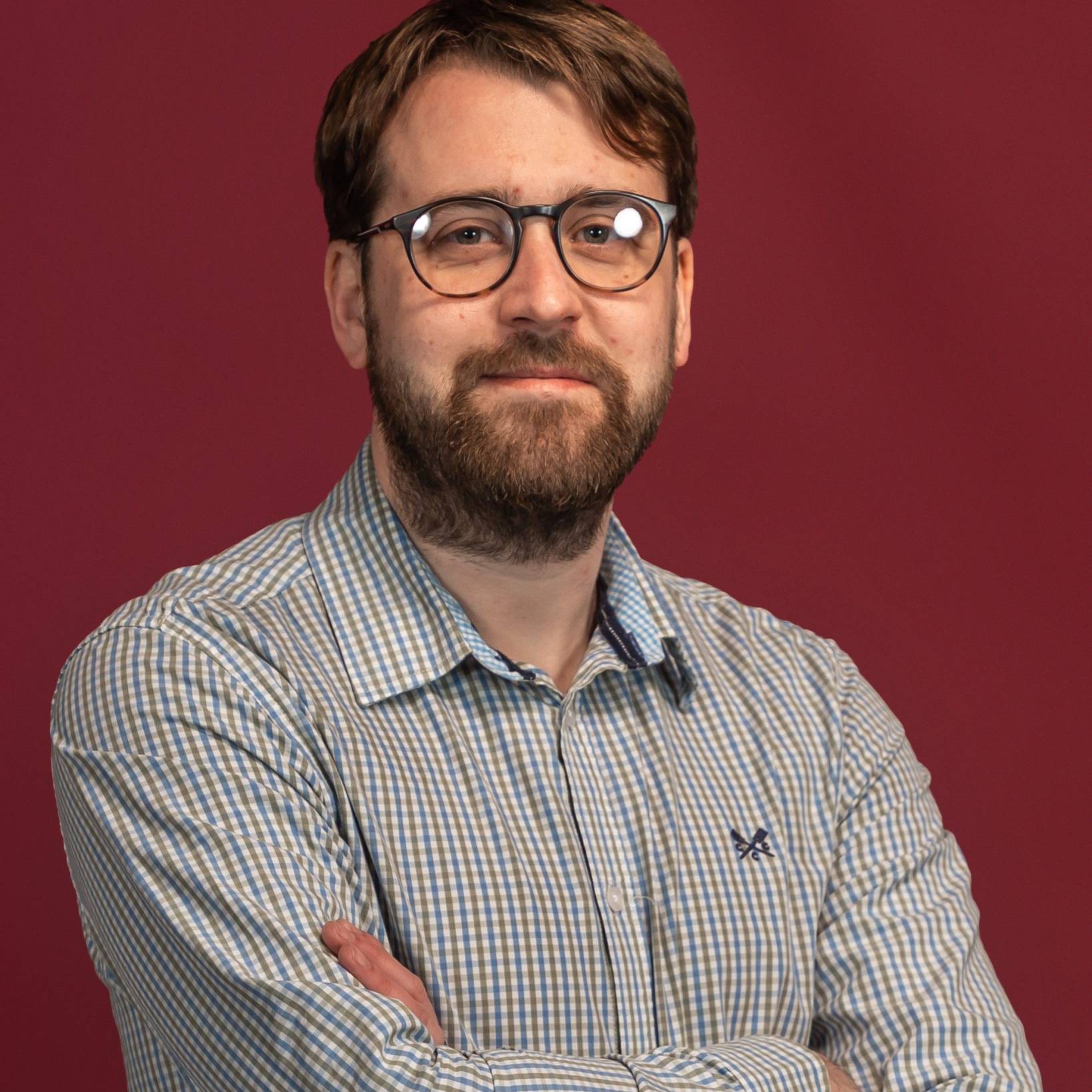
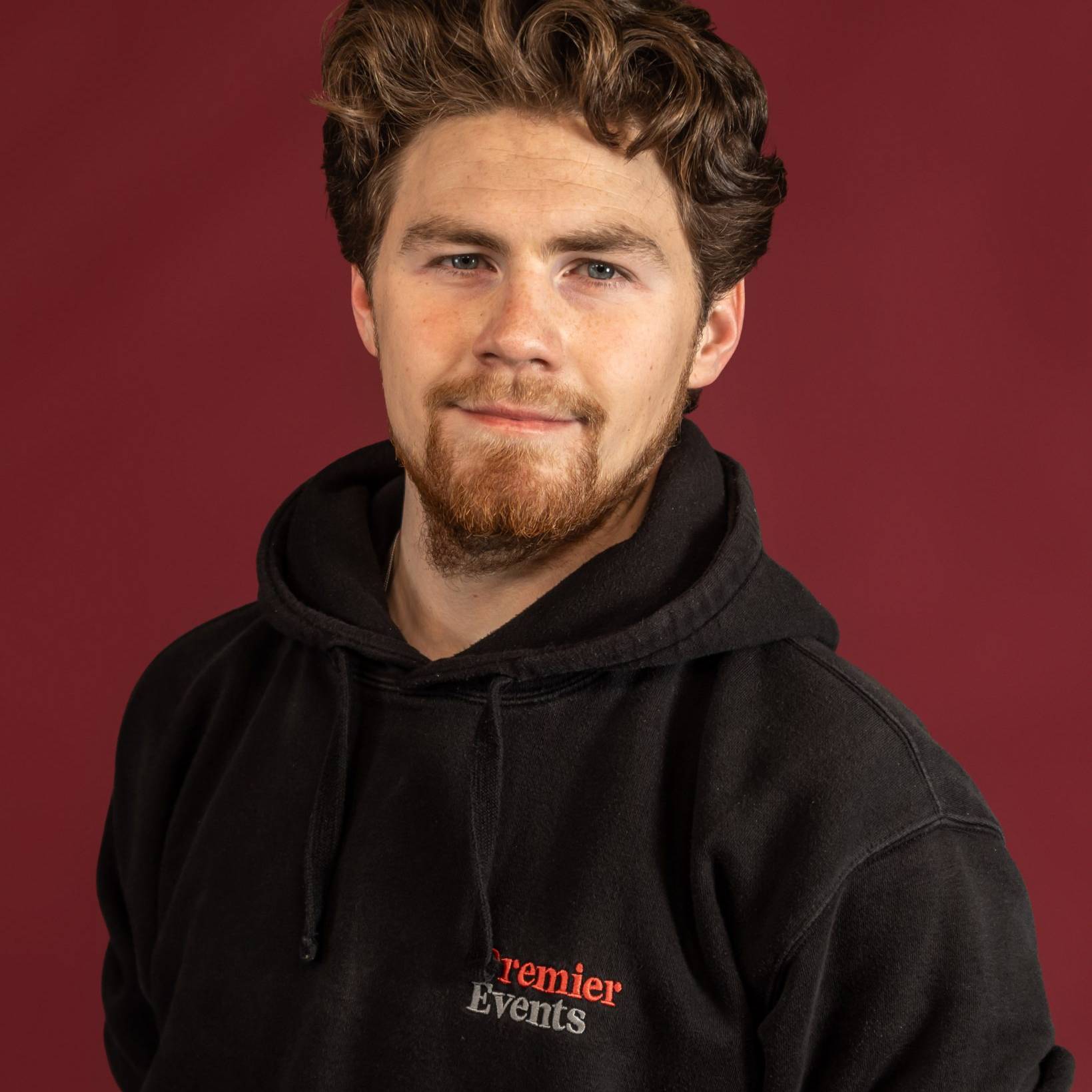
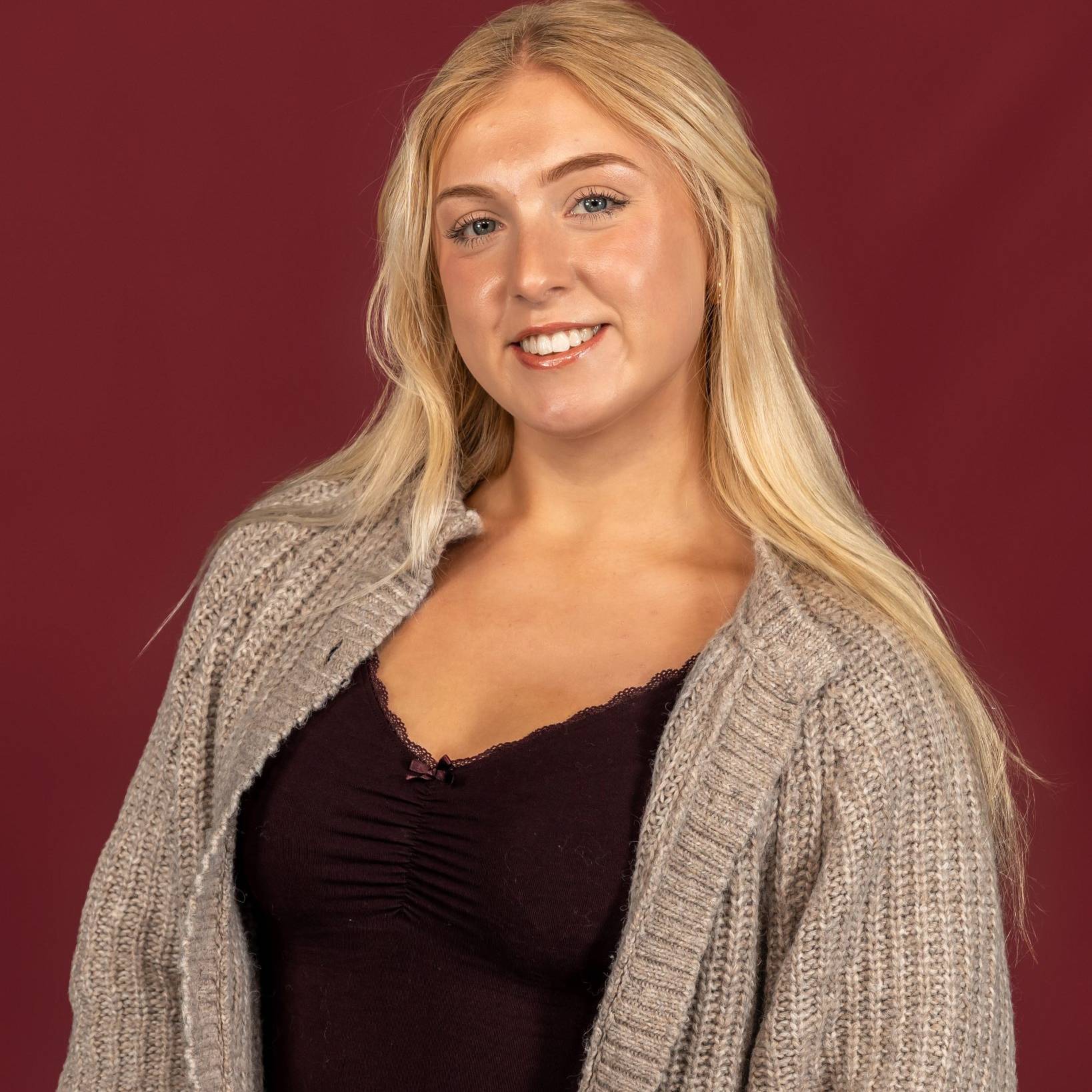
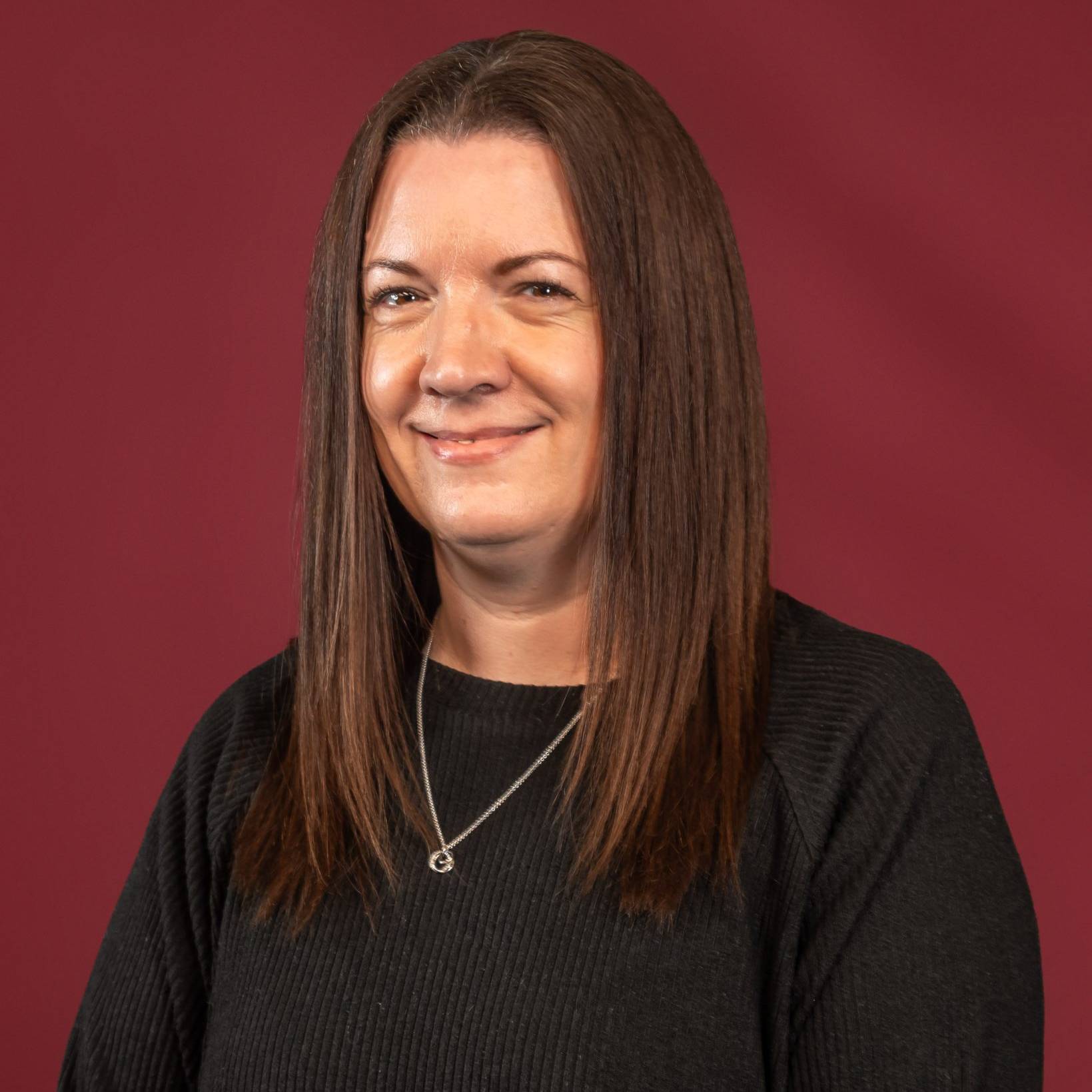
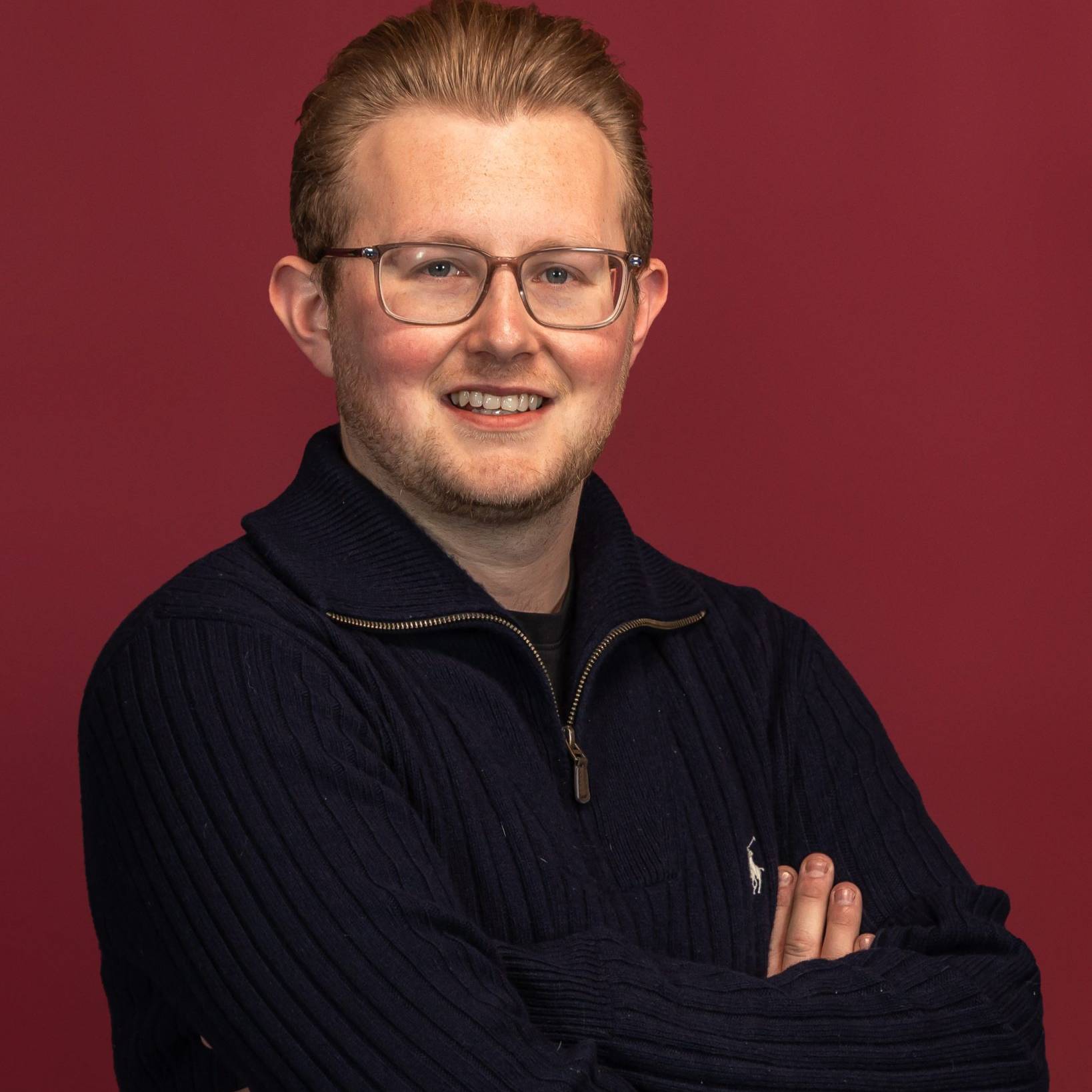
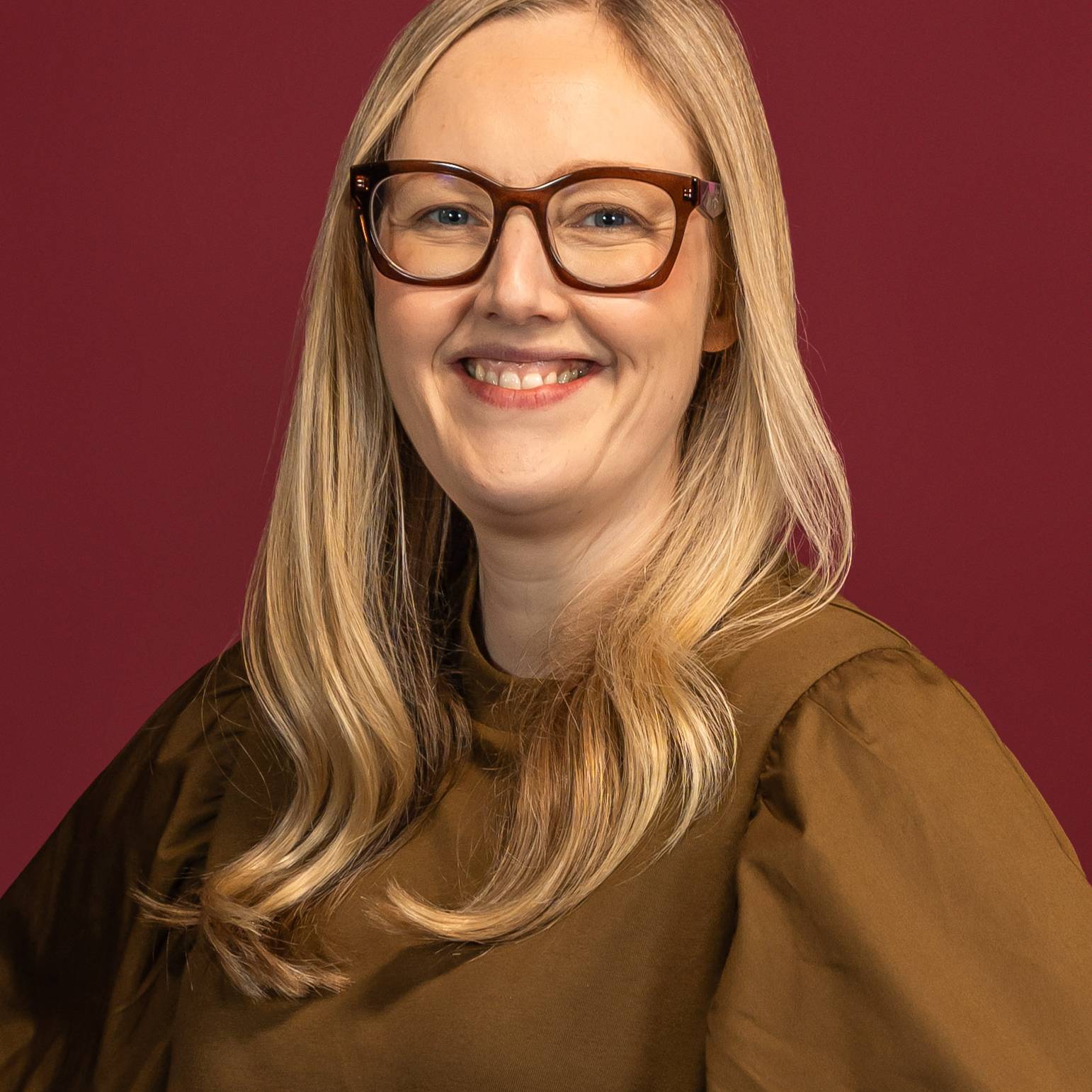
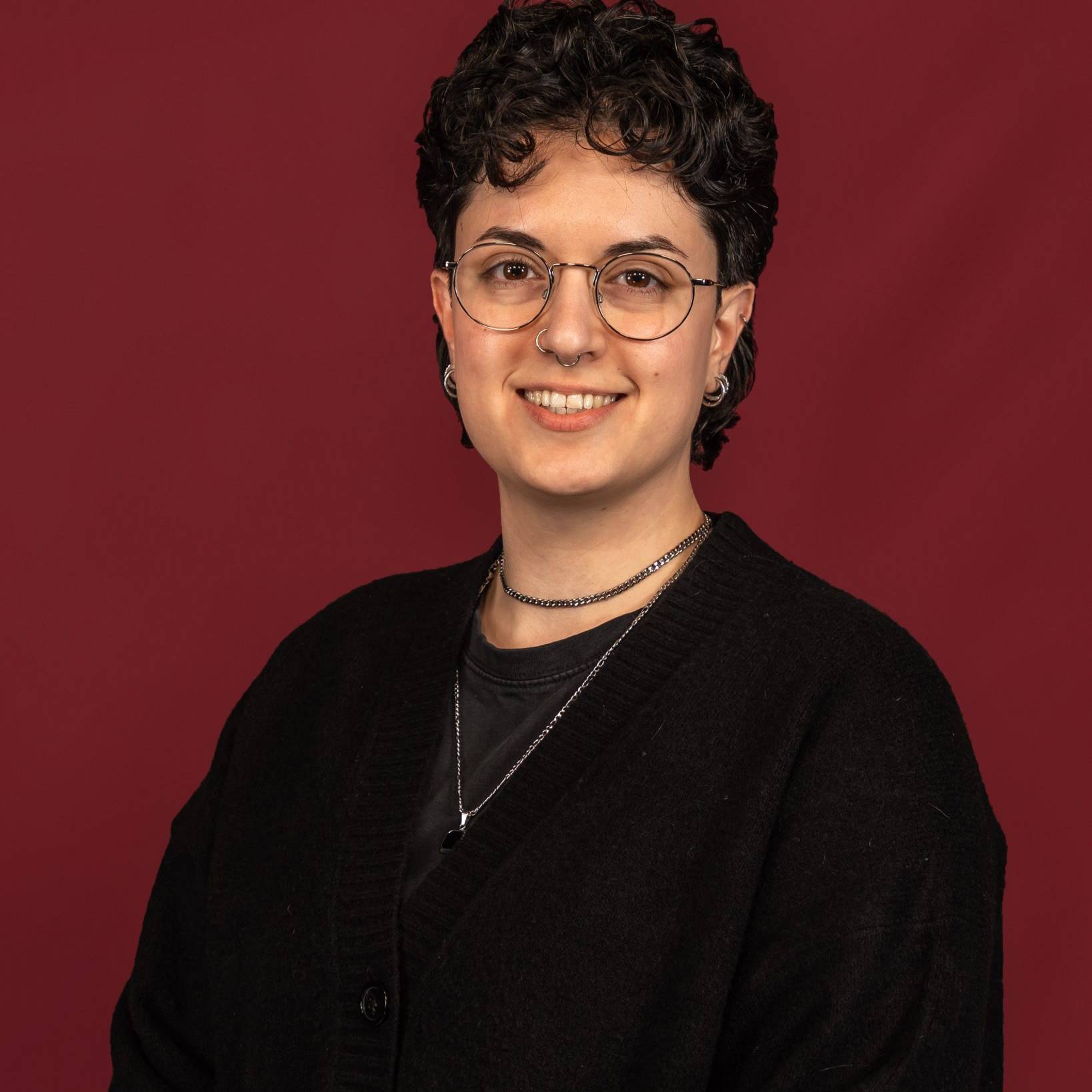
These are our people - the production managers, technicians, show-callers and crew who plan your event and run the room on the night. The same team from first site visit to final cue.

What We've Been Up To.
A look at the events we've delivered, the brief, the build, and how it ran on the night. Worth a read.