The Rundown
Topics: Audio, Conference Production | Published: October 2022 | 4 min read
If you are running a conference, an awards ceremony or anything with a speaker on stage, you need a microphone. Which one you choose matters more than most people expect.
The decision is a balance between practicality and sound quality. Your presenter is the most important person on stage, but the audience outnumbers them heavily, and everyone has to come away happy.
Some presenters have strong preferences. Some venues make certain choices difficult. A microphone that works beautifully indoors can be unusable outside.
Here are the main types, what each does well, and where each will let you down.
Worn Microphones
Lavalier or Lapel
The small, discreet microphone you see on television news, clipped to a tie or lapel.
Its strengths are comfort and invisibility. Presenters genuinely forget they are wearing one, which helps them relax. Paired with a wireless beltpack they can move anywhere on stage. Many presenters will request one as standard.
The weakness is distance. A lapel mic sits a long way from the mouth, on clothing, so far less signal reaches it. That means turning the gain up, which brings background noise up with it and, at worst, invites feedback.
In difficult rooms or outdoors, lapel mics can defeat even experienced engineers. If the venue is reverberant or the sound system is close to the stage, think carefully.
Headset
Mention headset microphones and people picture Madonna. Modern ones are far more discreet - think TED Talk rather than aerobics video.
Because the capsule sits close to the mouth, headsets are much better at rejecting background noise and resisting feedback. They work with the same wireless systems, so the presenter stays mobile.
The costs are cosmetic and practical. They are more visible than a lapel, and available in a limited range of colours - beige, brown, black. They can pick up clothing noise if the wearer moves a lot, which shows up particularly in seated panels. And some presenters simply dislike wearing them.
Handheld Microphones
The Familiar One
The most recognisable microphone there is. Wired or wireless, sometimes with a switch, in a range of shapes and sizes.
Why It Performs
Used properly, a handheld delivers better and more reliable sound than either worn option. It sits close to the mouth, so it needs less gain, which means less background noise and far more headroom before feedback.
Why It Sometimes Does Not
It depends entirely on the presenter. They have to hold it close to their face, consistently, and not cover the capsule with their hand.
Plenty of experienced speakers forget the microphone is not an extension of their arm and gesture with it, at which point the sound comes and goes with their hands.
Others find it grounding - a fixed job for their hands and a clear physical anchor on stage.
Where It Excels
Panel discussions. A handheld is a visual cue to the moderator and the room about who has the floor. It also lets the sound engineer open and close channels as people speak, keeping unwanted noise out of the mix.
For audience Q and A, a handheld passed by a runner is almost always the right answer.
Fixed Microphones
Lectern and Table Top
A microphone mounted to a lectern or table, usually on an extendable arm, pointed roughly at whoever is speaking.
There are many variations and they behave slightly differently, but the category shares a common character.
Use Them in Support
Fixed microphones are at their best in a supporting role. Picking up an award winner who could not be mic'd in advance. Catching audience contributions. Adding body to the sound from the main microphones.
Why Not to Rely on Them
Premier Live generally advises against using these as the primary microphone for presented content.
They sit at a distance, so they share the lapel microphone's problems with background noise and feedback. Presenters of different heights, or standing at different distances, will be heard at noticeably different volumes. And they are easy to knock - a lectern mic catching a hand or a folder puts a bang through the PA.
If a lectern is central to your format, plan for a worn microphone as well and treat the lectern mic as backup.
Getting It Right
Match the microphone to the presenter, the room and the format rather than to habit.
Premier Live are audio specialists. Talk to us about the right setup for your event on 0116 202 9953 or info@premier-ltd.com.


Tell us about your event.
Fill in the form and we'll come back to you quickly, not with a generic auto-reply, but with something useful.
Prefer a call? Book a 20-minute discovery call at a time that suits you.
Rather email? info@premier-ltd.com. Or just ring us: 0116 202 9953.
Once we hear from you, we'll set up a quick call to understand your brief properly, no lengthy questionnaires, no sales pitch.
We typically respond within two hours on working days.
EXPERIENCED. DEPENDABLE. HANDS-ON. UNFLAPPABLE
The people behind Premier Live
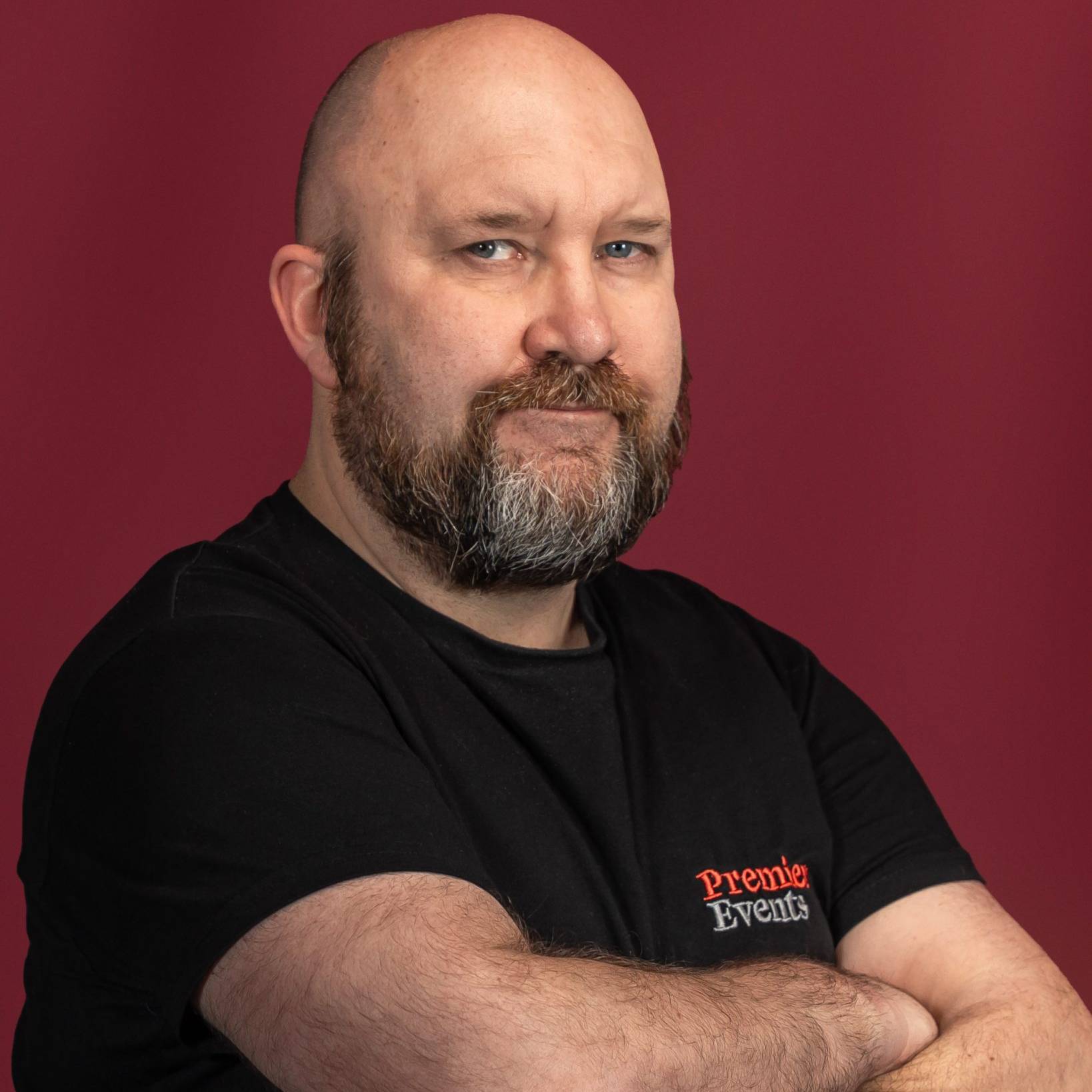
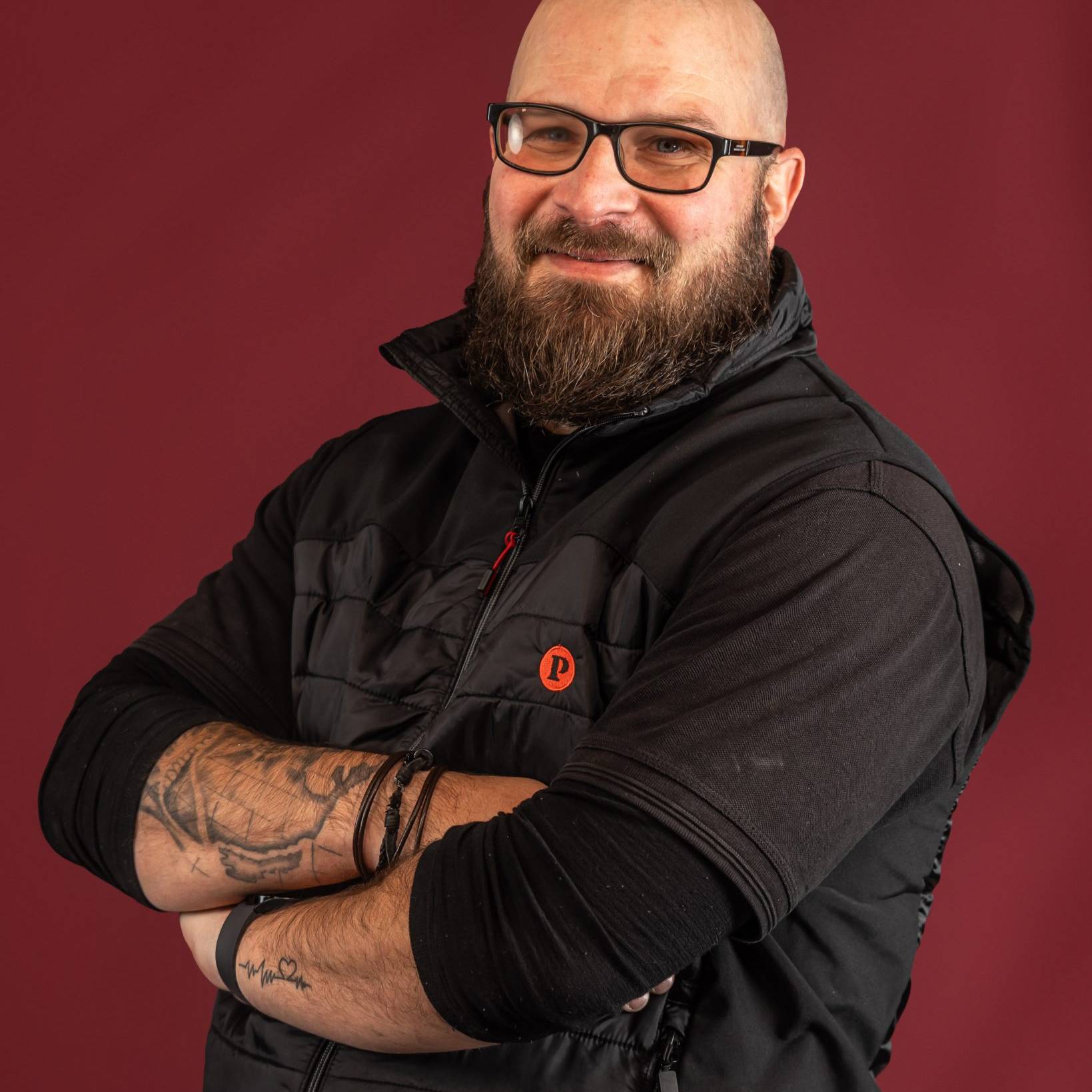
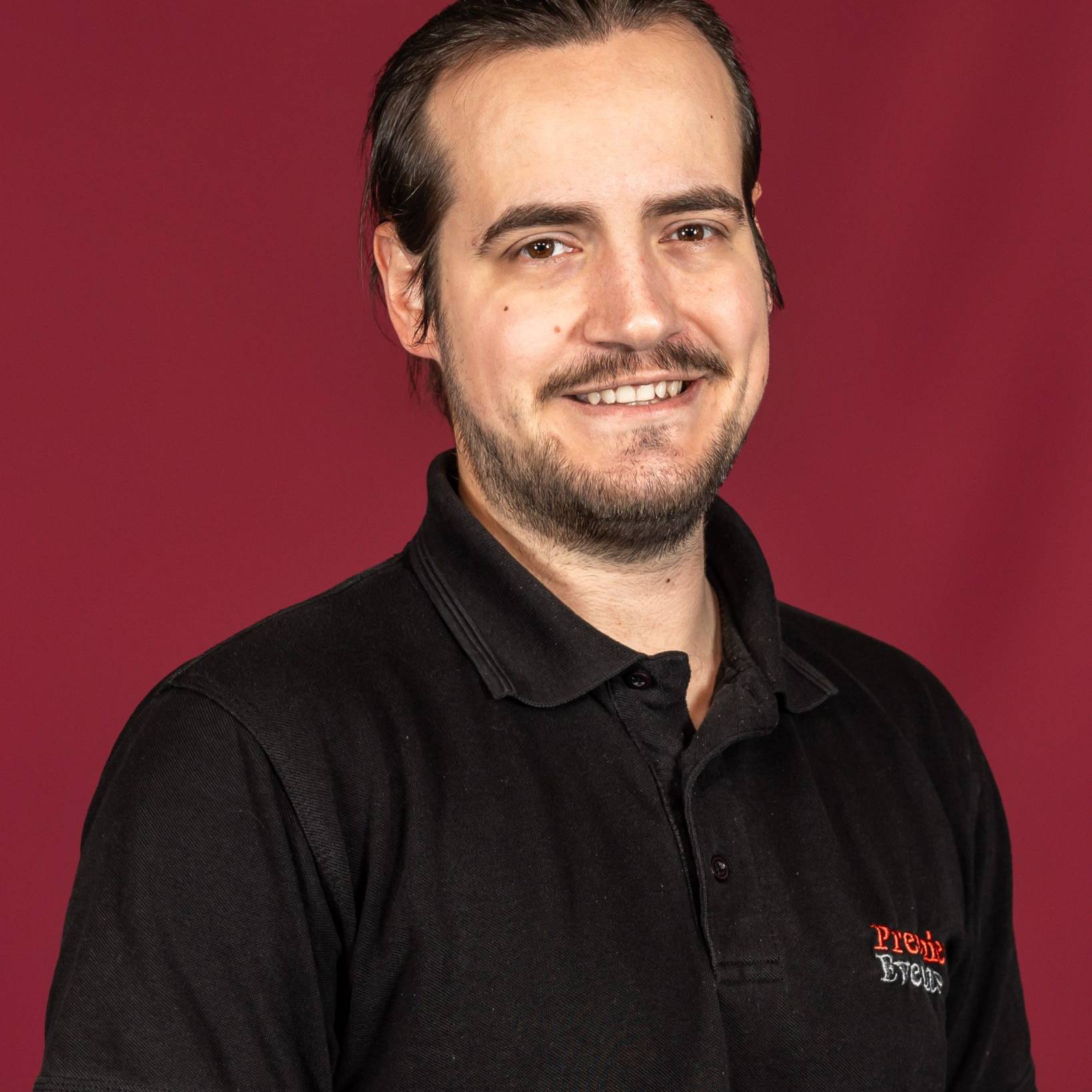
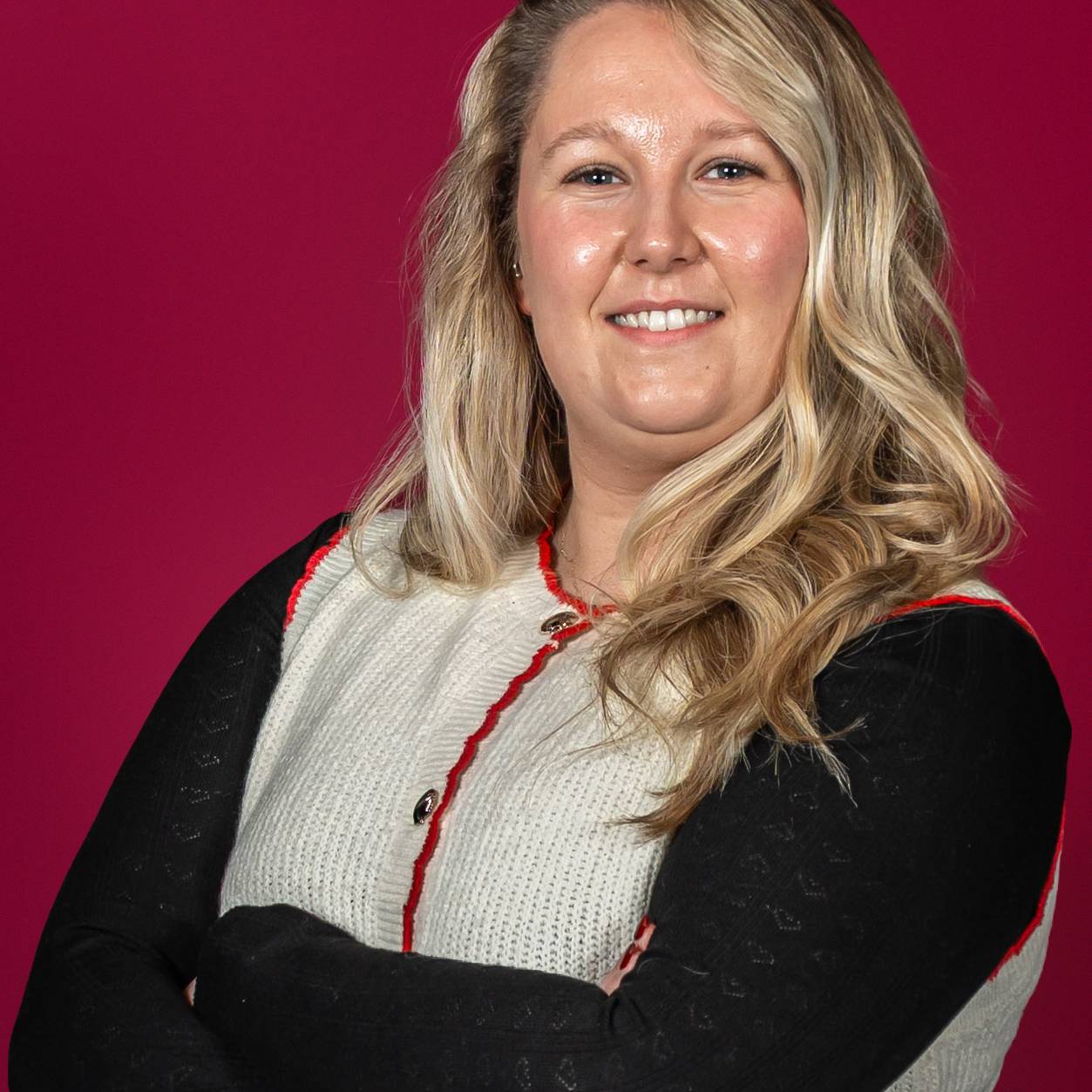
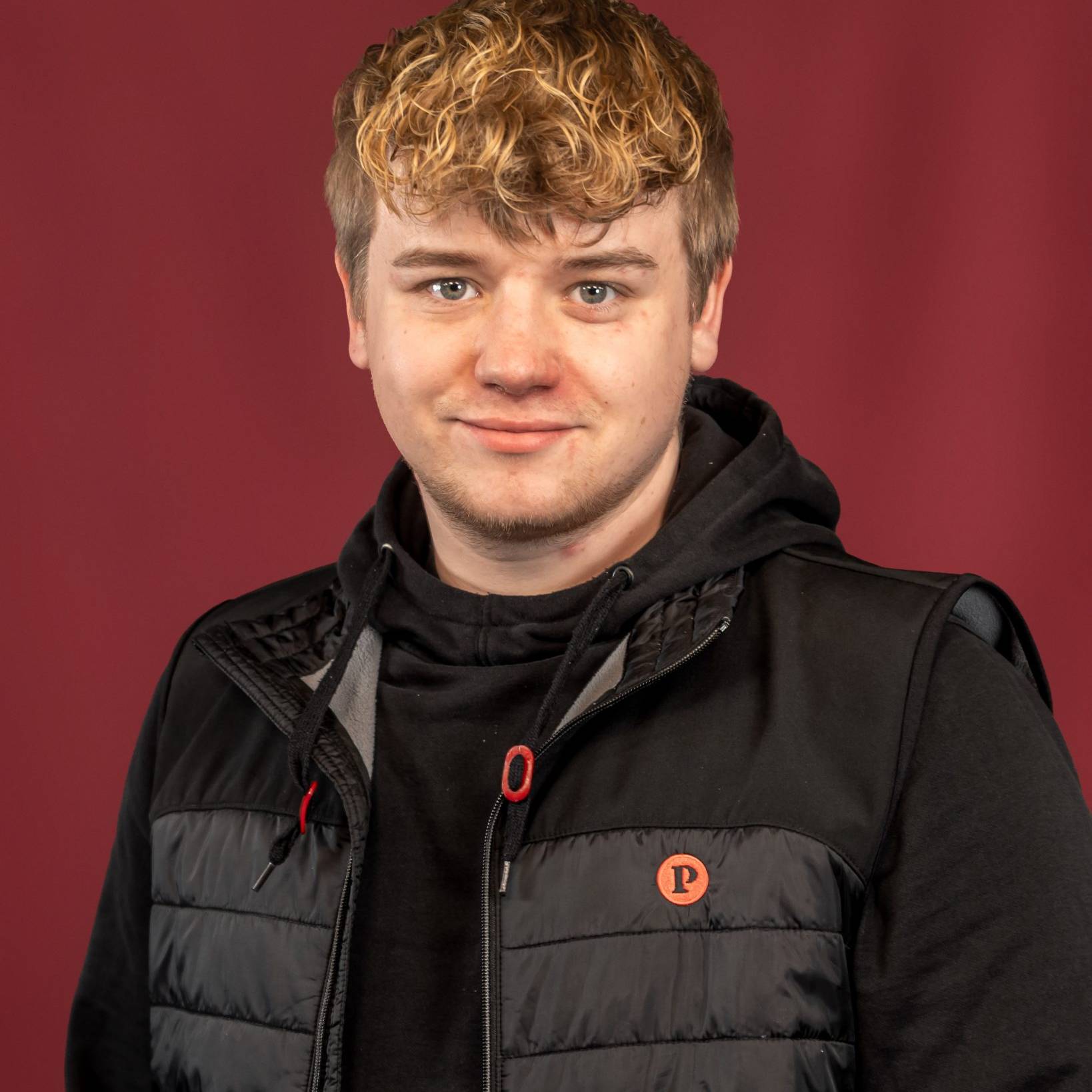
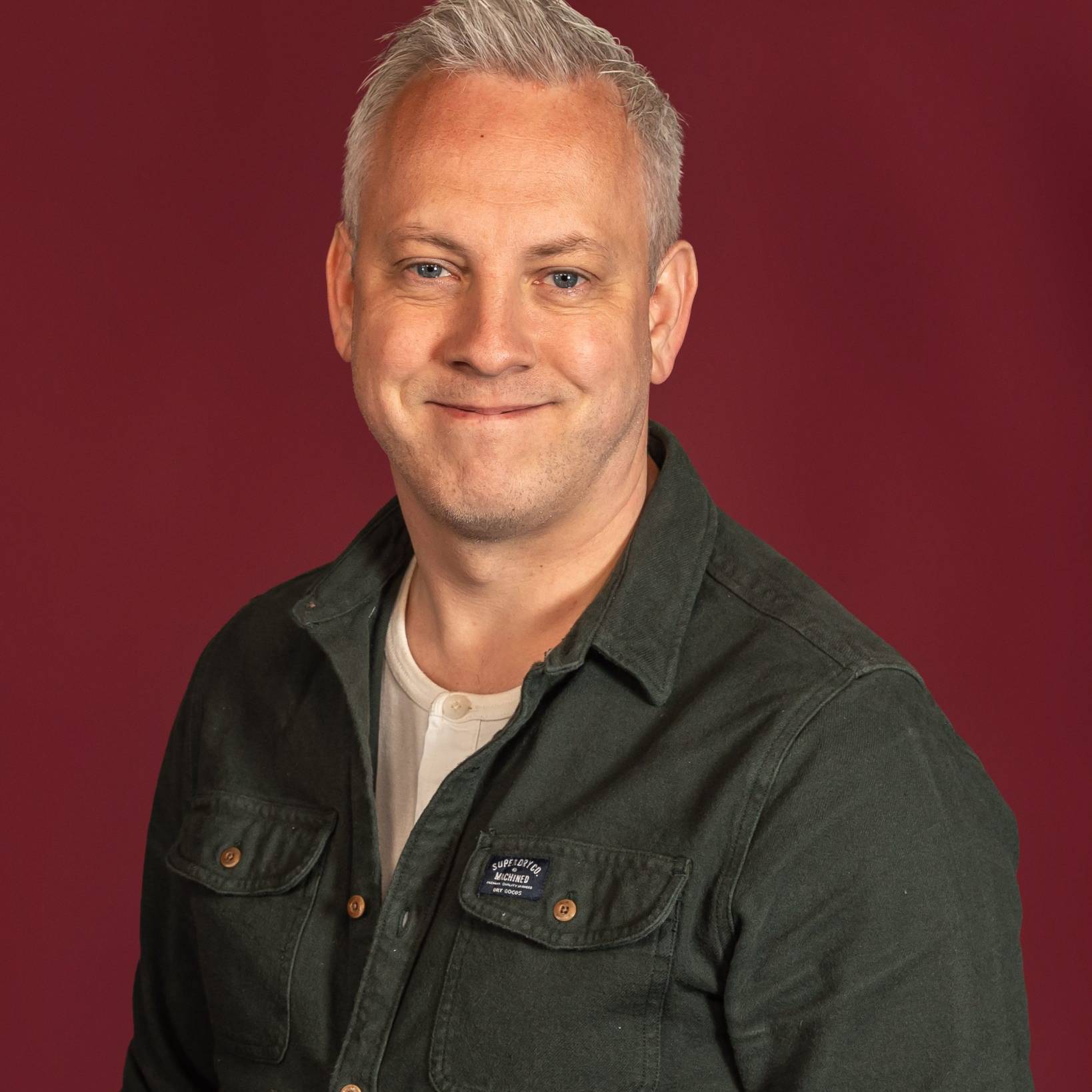
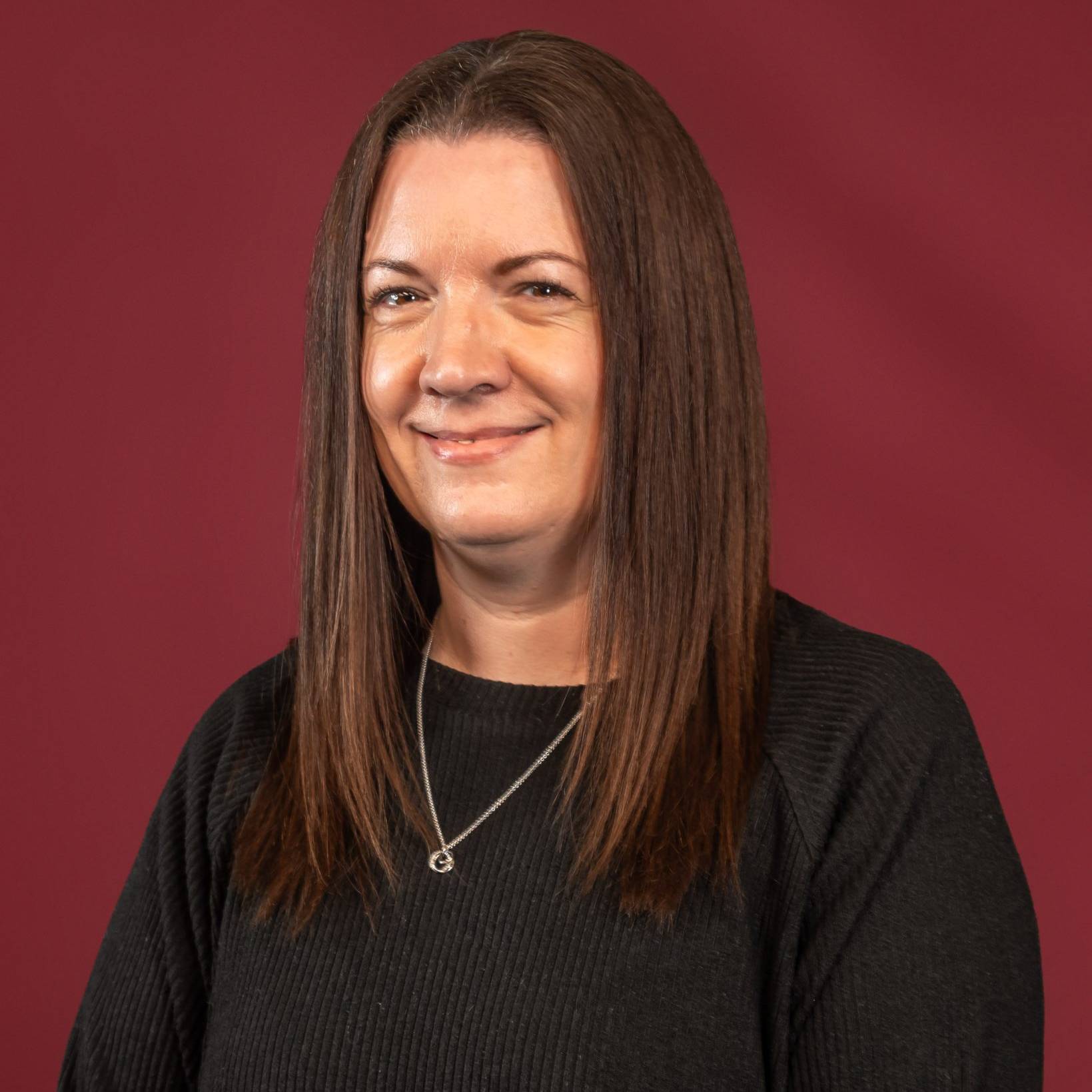
These are our people - the production managers, technicians, show-callers and crew who plan your event and run the room on the night. The same team from first site visit to final cue.















What We've Been Up To.
A look at the events we've delivered, the brief, the build, and how it ran on the night. Worth a read.